





Vintage Pottery Decor
Vintage pottery decor encompasses expressive ceramic vessels and wall pieces from the nineteenth and early twentieth centuries that bring character and history into a room.
Vintage Pottery Decor
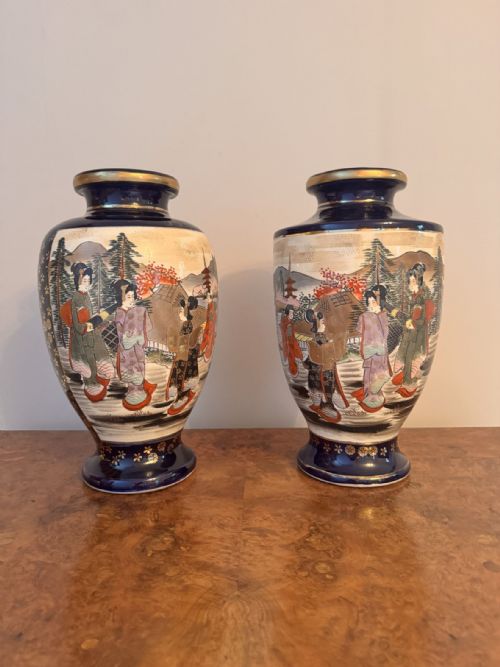
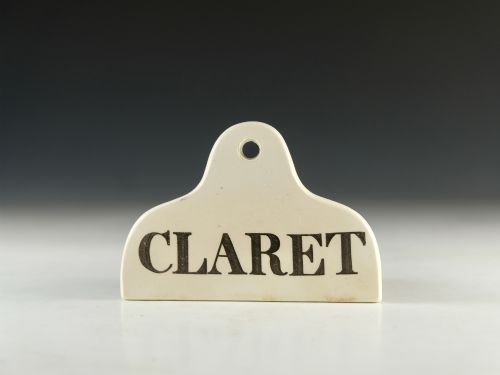
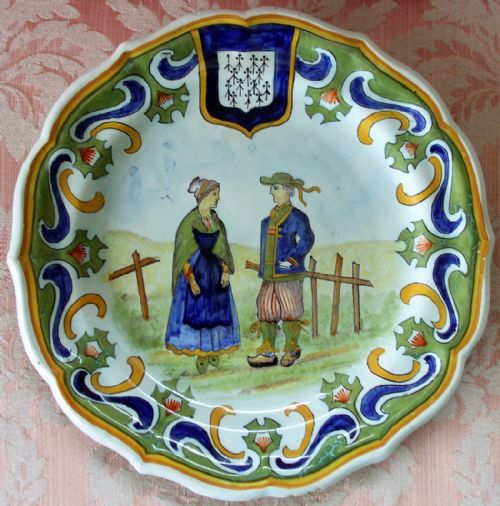
Vintage pottery decor spans functional and decorative ceramic works from periods including Victorian, Edwardian, and the early twentieth century. Buyers seeking vintage pottery decor encounter diverse utilitarian and ornamental forms, with Japanese Imari vases and European faience dishes appearing frequently.
Materials and methods
Potters utilised earthenware, porcelain, stoneware, and tin-glazed faience as the primary bodies for these decorative pieces. Artisans often applied enamel detailing, glaze finishes, and occasional gold leaf accents to enrich the surfaces.
Many items incorporate hand-painted decoration, ranging from floral motifs on stoneware to intricate garden scenes on Japanese porcelain. Kiln firing techniques fixed these pigments and glazes, creating durable finishes intended for domestic display.
Vintage Pottery Decor Retail Price Guide 2026
Typical asking prices for vintage pottery decor among the pieces listed under this phrase on Sellingantiques today, from the lower quarter to the upper quarter. They describe what is for sale here now, not the wider market.
Listings include Japanese Satsuma and Kutani wares alongside nineteenth-century English stoneware and French faience inkwells.
Factors of quality
Quality in these ceramics rests on the precision of the hand-painting, the clarity of the glaze, and the balance of the form. Skilled execution in brushwork and pigment application distinguishes finer ornamental vessels from standard production pieces.
The integrity of the body and the preservation of surface decoration also determine distinction. Pieces retaining crisp enamel colours and unblemished glaze finishes represent superior examples of their respective traditions.
Sherwin and Cotton·Royal Doulton Lambeth·Richard Ginori
The Vintage Pottery Decor Glossary
- Faience
- Tin-glazed earthenware produced in Europe, often featuring hand-painted blue and white or polychrome decoration. This technique mimics porcelain while utilising a porous clay body.
- Imari
- A style of Japanese porcelain featuring deep cobalt blue, iron red, and gold ornamentation. These pieces were exported extensively to Europe during the Meiji period.
- Stoneware
- A heavy, dense ceramic fired at high temperatures until vitrified and impermeable to water. It offers a durable surface suitable for relief decoration and specialised glazing.
- Satsuma
- Japanese pottery characterised by an ivory-coloured, crackled glaze painted with delicate polychrome enamels and gilding. Originating in Kagoshima province, it became highly popular for export.
- Encrier
- A French term for an inkstand or inkwell desk accessory. These desk pieces often incorporate ceramic wells alongside pen rests.
Vintage Pottery Decor: Frequently Asked Questions
How do I identify Japanese Imari pottery?
Japanese Imari porcelain is typically recognised by its distinctive palette of cobalt blue underglaze combined with iron red and gold overglaze.
These pieces often display intricate floral and geometric panels arranged symmetrically across the ceramic surface.
What is the difference between earthenware and stoneware?
Earthenware is fired at lower temperatures and remains porous unless coated with a glaze, such as tin-glazed faience.
Stoneware is fired at higher temperatures until the clay vitrifies, making it dense, heavy, and naturally non-porous.
Where were antique ceramic tiles typically displayed?
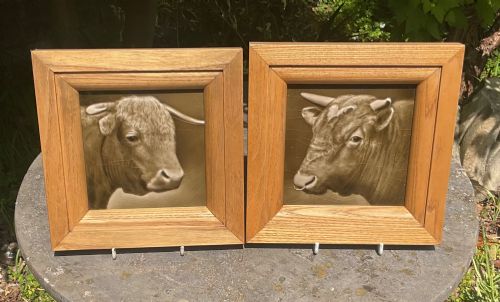
Antique ceramic tiles were frequently incorporated into architectural interiors, fireplace surrounds, and furniture insets during the Victorian and Edwardian eras.
Many decorative tiles were also mounted in wooden frames to serve as standalone wall art within domestic settings.
How should I clean antique ceramic decor?
Antique ceramics require gentle dusting with a soft, dry cloth to prevent accumulation of particulate matter on fragile glazes and enamel work.
Harsh chemical cleaners and excessive moisture must be avoided, particularly on pieces with exposed earthenware bodies or delicate gold leaf.