




Vintage Pottery Basin
These vintage pottery basin examples bring robust utility and patterned charm to daily rooms, offering sturdy earthenware forms that suit modern utility or display.
Vintage Pottery Basin
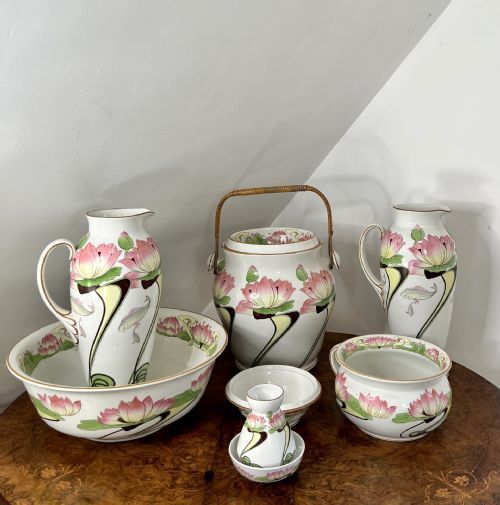
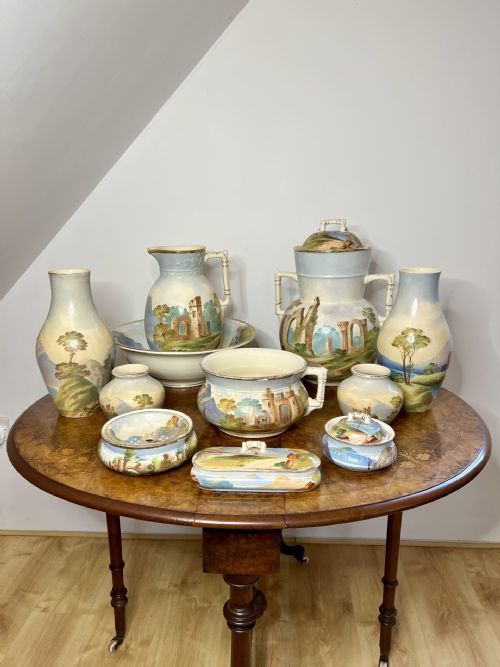
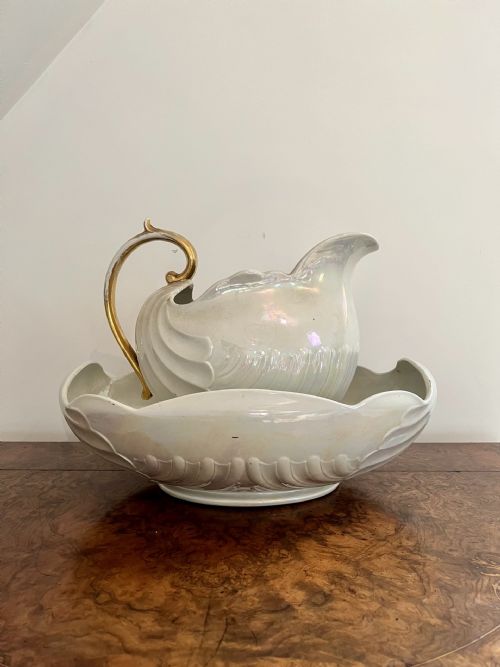
A vintage pottery basin encompasses large utilitarian vessels, wash sets, and decorative bowls spanning from the nineteenth century into the twentieth century. These pieces originate from British potteries, European kilns, and Japanese workshops, reflecting diverse domestic and decorative functions.
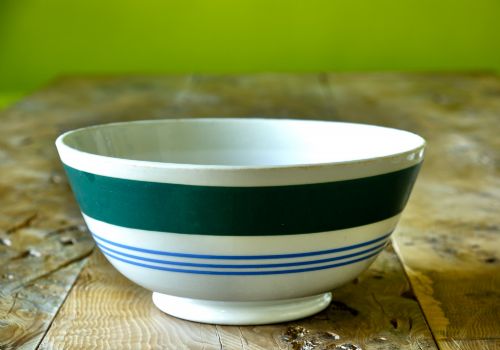
Buyers will most frequently encounter Edwardian wash sets, nineteenth-century earthenware kitchenalia, and banded mixing bowls across the current selections. Such items bridge practical past utility with enduring decorative appeal in contemporary homes.
Materials and methods
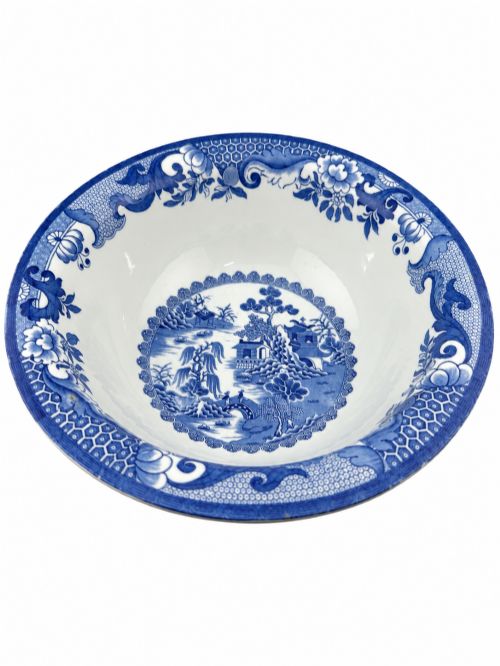
Potters shaped these vessels from earthenware, terracotta, creamware, and stoneware, applying lead, slip, or glossy surface glazes for domestic durability. Artisans utilised transfer-printing, hand-painting, and gold leaf highlights to achieve intricate Chinoiserie, floral, and banded surface patterns.
Heavier bodies suited dairy work, cooking, and washing, while finer porcelain and bone china supported decorative display and table service. Kiln firing temperatures determined the porosity of the ceramic body and the permanence of the applied pigments.
Vintage Pottery Basin Retail Price Guide 2026
Typical asking prices for vintage pottery basin among the pieces listed under this phrase on Sellingantiques today, from the lower quarter to the upper quarter. They describe what is for sale here now, not the wider market.
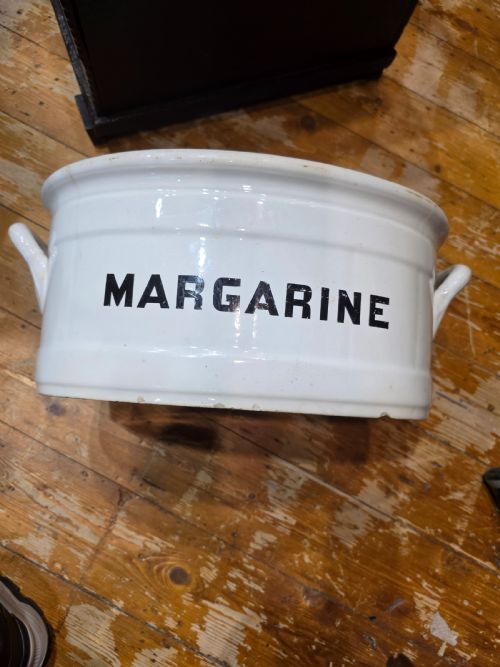
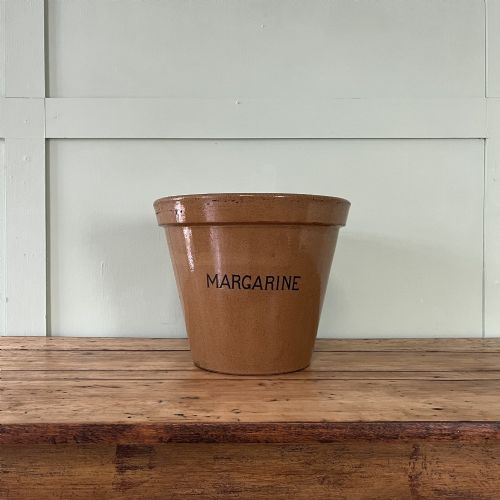
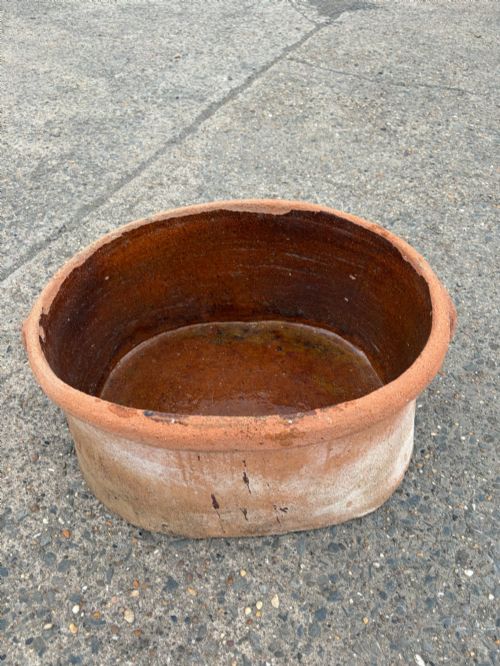
Listings feature diverse materials including terracotta, creamware, stoneware, and glazed ceramic spanning the nineteenth and twentieth centuries.
Assessing quality and execution
Quality rests in the crispness of the transfer print, the evenness of the glaze application, and the structural integrity of the ceramic body. Superior examples display refined potting with balanced proportions, clear maker marks, and well-preserved painted or printed details.
Simpler utilitarian crocks and dairy bowls prioritize raw structural strength over surface decoration, while exhibition pieces show meticulous brushwork and complex pictorial scenes. The hand of the decorator and the reputation of the pottery significantly shape the standing of each piece.
Mason’s Ironstone·T G Green Pottery·Mann & Co·Minton·Doulton Burslem·Clarice Cliff·Wedgwood·Shelley
The Vintage Pottery Basin Glossary
- Earthenware
- Porous pottery fired at lower temperatures, typically requiring a vitreous glaze to hold water effectively.
- Creamware
- A refined light-coloured earthenware developed in the eighteenth century, valued for its warm, pale cream hue.
- Transferware
- Pottery decorated by pressing a printed paper design from an engraved copper plate onto the ceramic surface.
- Spongeware
- Ware decorated by dabbing pigment onto the biscuit or glazed surface with a natural sponge to create mottled patterns.
- Stoneware
- Dense, impermeable ceramic fired at high heat, traditionally utilised for heavy kitchenalia and storage crocks.
Vintage Pottery Basin: Frequently Asked Questions
How do I clean my basin?
Wash the ceramic gently using warm water and mild soap, avoiding harsh scouring pads that might damage fragile glazes or gold leaf.
Dry thoroughly with a soft cloth to protect historical surfaces and prevent moisture retention in older earthenware bodies.
Can I use these for washing?
Many sturdy stoneware and ironstone vessels remain suitable for light daily utility, provided they lack structural cracks or historical repairs.
Delicate porcelain, lustreware, and pieces with intricate overglaze decoration deserve careful preservation as display items.
How are periods identified?
Examine the base for impressed stamps, printed maker marks, or registration numbers that correspond to nineteenth and twentieth-century factory archives.
Style indicators like Edwardian floral borders, Victorian transfer prints, and Art Deco geometric shapes further clarify the date of manufacture.
Where should I place it?
Display larger basins on sturdy wooden tables, sideboards, or bathroom counters where their proportions can be fully appreciated.
Keep pieces away from direct, harsh sunlight and areas of extreme temperature fluctuation to protect aged glazes from stress.