

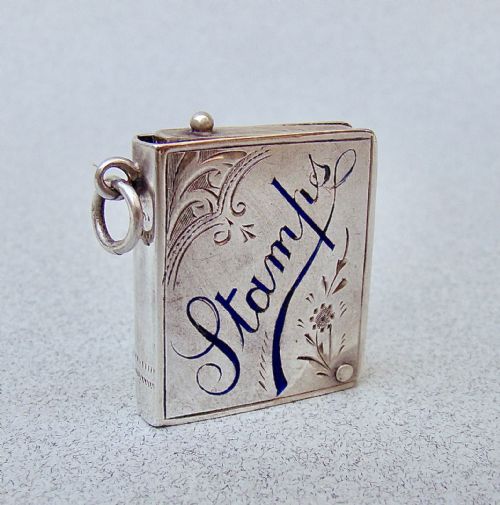


Vintage Postage Stamp Case
These vintage postage stamp case pieces are pocket and desk accessories designed to hold stamps, offering tactile charm for collectors.
Vintage Postage Stamp Case
A vintage postage stamp case serves as a portable or desktop repository for adhesive postage, reflecting an era when correspondence required careful organisation. These items emerge from periods including the Victorian, Edwardian, and George V eras, spanning the late nineteenth and early twentieth centuries.
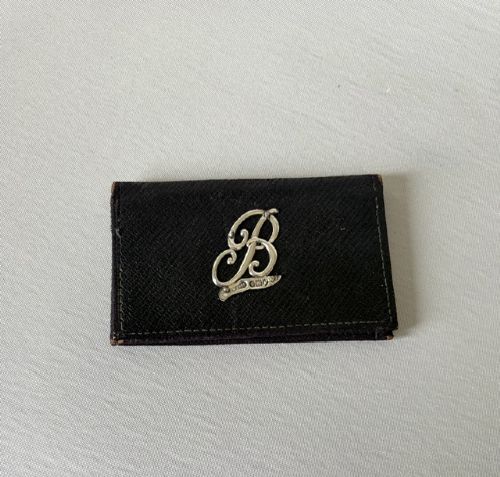
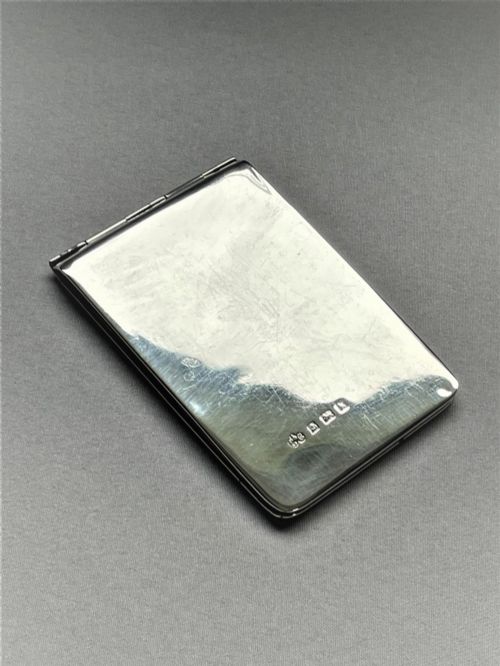
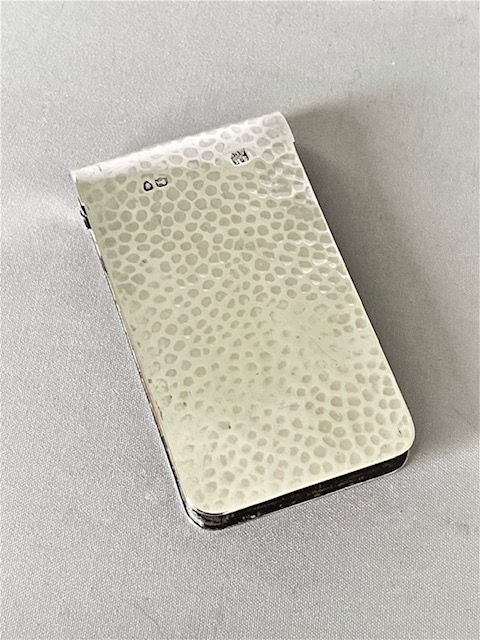
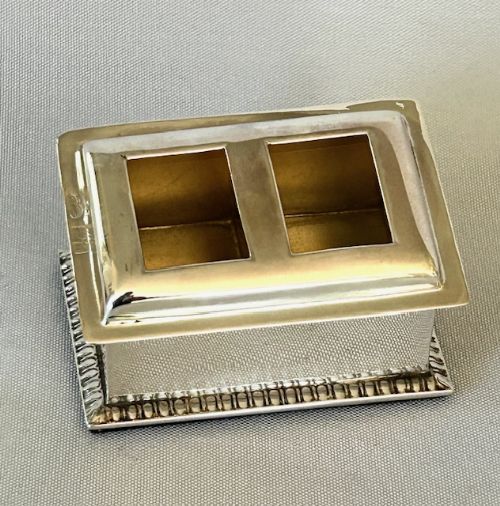
The selections available on this page encompass various forms, such as wallet styles, folding book cases, miniature novelties like garden wheelbarrows, and double stamp boxes. Stamp cases and desk accessories appear frequently, taking shapes that mimic everyday objects like envelopes or miniature books.
Makers and designers of the period applied careful thought to these small items, producing both utilitarian holders and novelty pieces. Buyers encounter sterling silver, silver plate, brass, and glass iterations, often decorated with engraving or enamel.
How they were made
Silversmiths and metalworkers shaped sterling silver, silver plate, and brass into precise geometric and novelty forms using traditional hand-tooling and stamping techniques. Enamel work and surface engraving add decorative detail to many metal bodies.
Glass components appear combined with sterling silver mounts in desktop boxes, requiring skilled joining of disparate materials. Hinges and closures receive careful adjustment to ensure the small lids and wallets seal properly.
Vintage Postage Stamp Case Retail Price Guide 2026
Typical asking prices for vintage postage stamp case among the pieces listed under this phrase on Sellingantiques today, from the lower quarter to the upper quarter. They describe what is for sale here now, not the wider market.
Materials in these listings include sterling silver, brass, glass, and enamel.
What varies in quality
The refinement of the surface engraving and the crispness of maker's marks distinguish finer examples from standard production items. Pieces associated with documented makers show superior attention to detail in their hinges and clasp mechanisms.
Novelty forms vary significantly in the cleverness of their design and the proportion of their miniature elements, with realistic execution commanding greater attention. The choice of materials, particularly heavy sterling silver versus lighter silver plate or brass, alters the tactile weight of the object.
CRISFORD & NORRIS·SAMPSON MORDEN·ALBERT ERNEST JENKINS·MACNEILLS
The Vintage Postage Stamp Case Glossary
- Hallmark
- Official stamps applied to precious metals indicating the assay office, metal standard, and date letter. These marks help identify the year of manufacture and the maker.
- Sterling silver
- An alloy containing ninety-two point five percent silver and seven point five percent other metals, usually copper. This standard represents the primary material used for higher-grade stamp cases.
- Novelty stamp case
- A container shaped to resemble an unrelated object, such as a wheelbarrow or envelope. These playful designs were popular for desk display during the Edwardian and Victorian periods.
- Double stamp box
- A desktop container divided internally to hold two different denominations of postage stamps. They typically feature hinged lids and sit upon wooden or felt bases.
Vintage Postage Stamp Case: Frequently Asked Questions
What are vintage postage stamp cases?
These items are small silver, brass, or glass containers created to store postage stamps securely before self-adhesive stamps existed.
They range from pocket wallets to desktop boxes and whimsical novelty shapes.
How were stamp cases used?
People carried them in pockets or handbags, or kept them on writing desks to keep paper stamps clean and flat.
The interior compartments held specific stamp denominations ready for daily correspondence.
How do I date a silver stamp case?
Silver pieces usually carry hallmarks that indicate the assay office, metal purity, and a specific date letter.
Comparing the style, such as Arts and Crafts or Edwardian, also helps narrow down the period.
What materials are common?
Sterling silver and brass form the majority of surviving pocket cases, often paired with enamel or glass.
Silver plate and mixed metals also appear among the desk accessories and novelty items.