


Vintage Portraiture Art
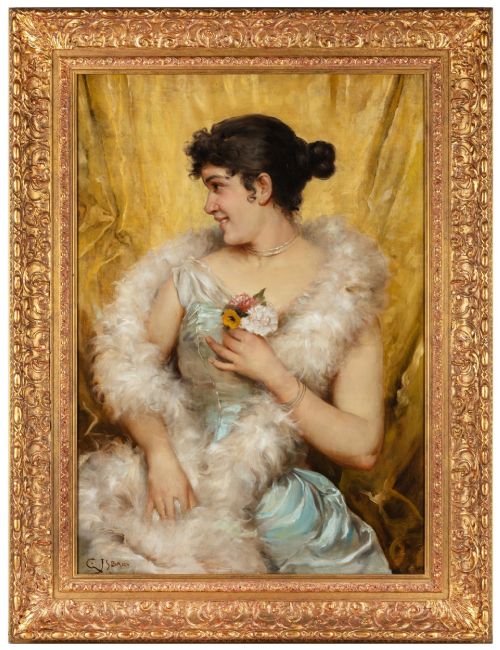
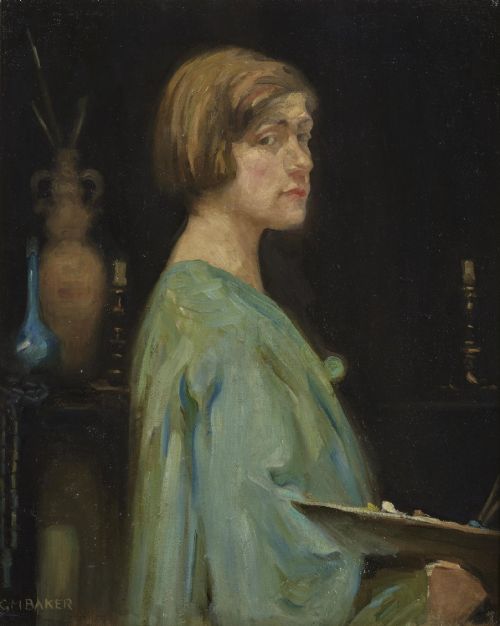
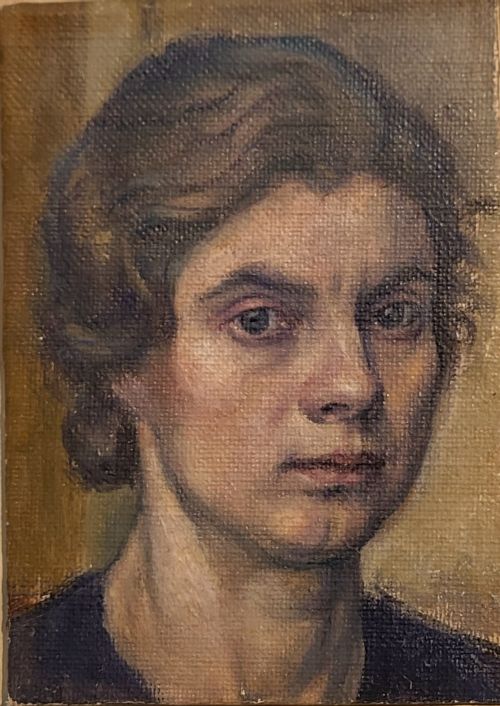
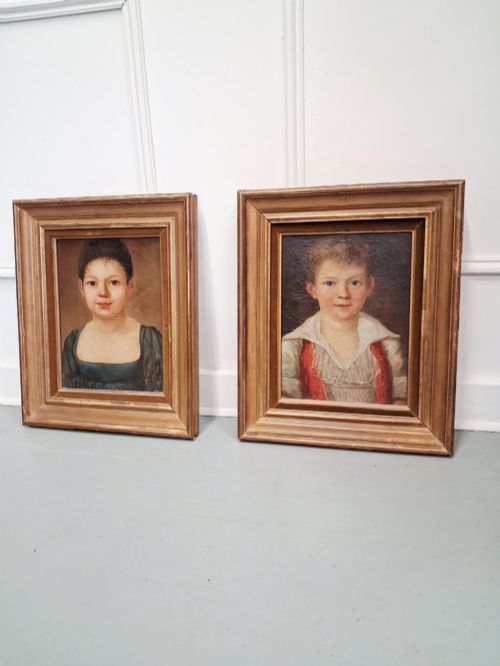
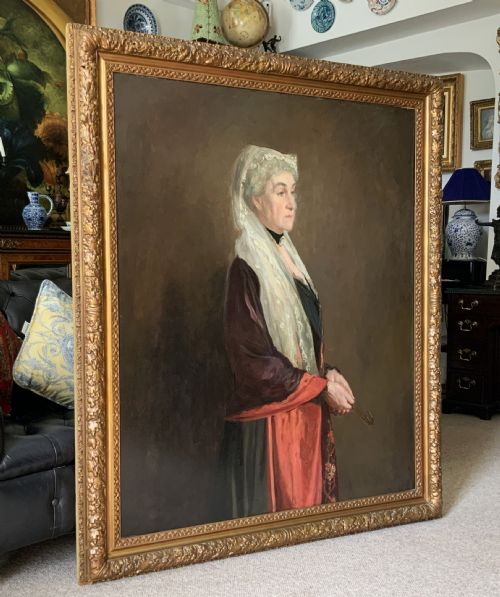
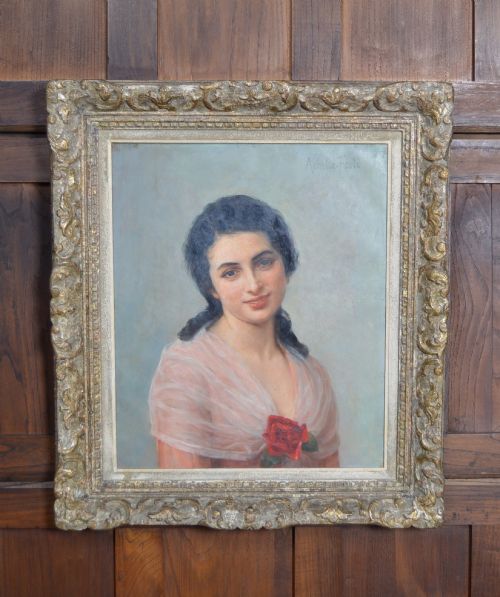
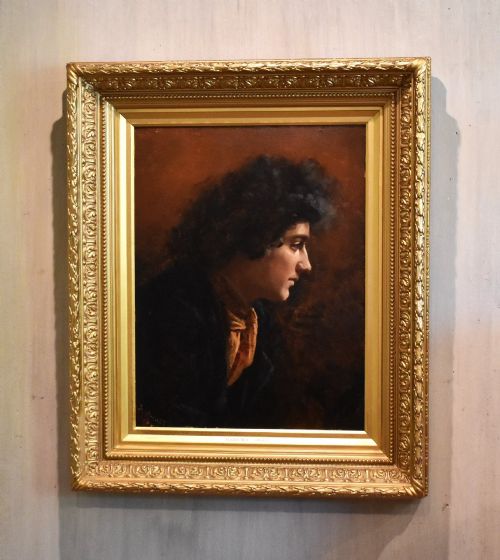
Vintage portraiture art brings character to a room through painted and drawn studies of people and animals from past centuries.
Vintage Portraiture Art
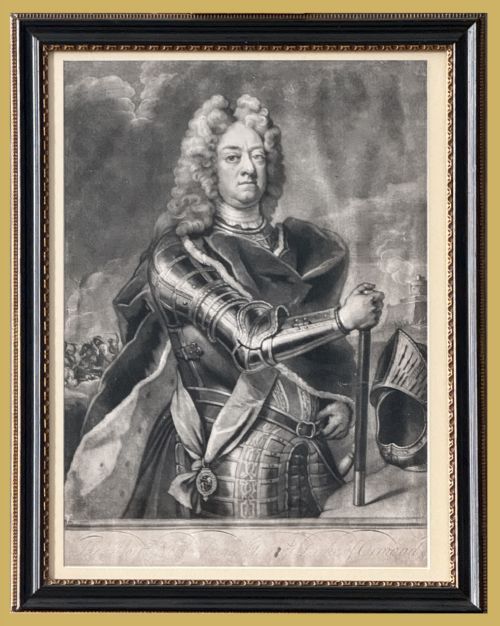
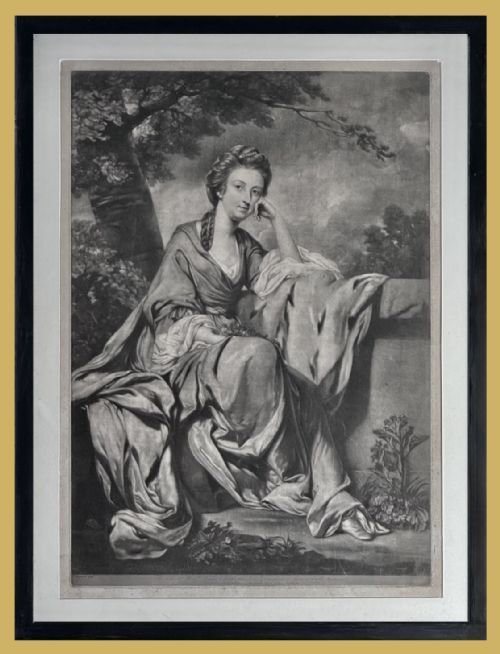
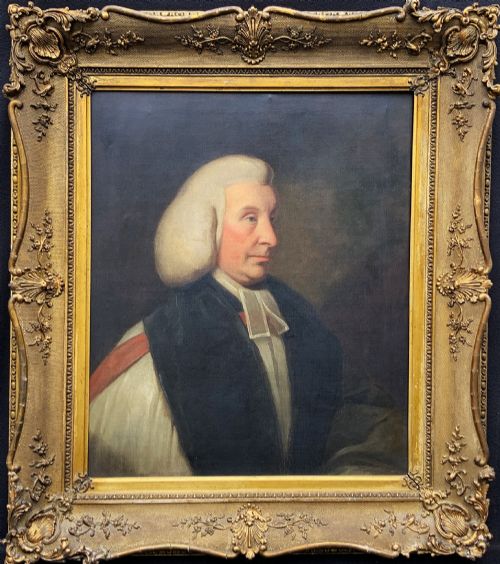
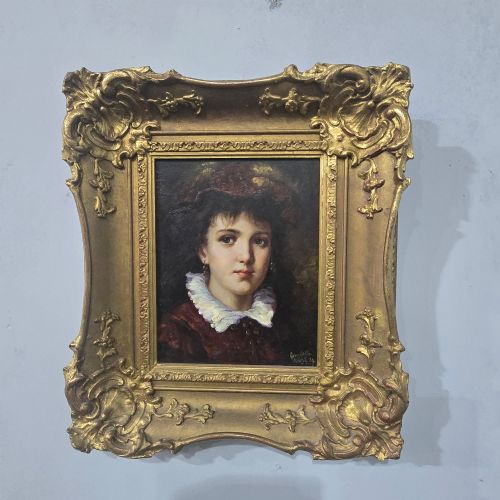
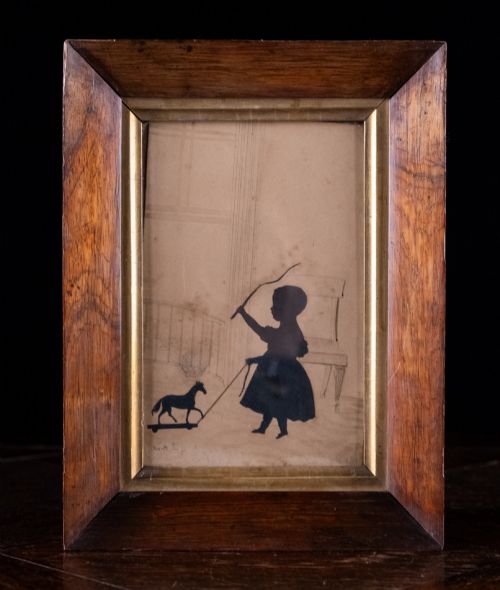
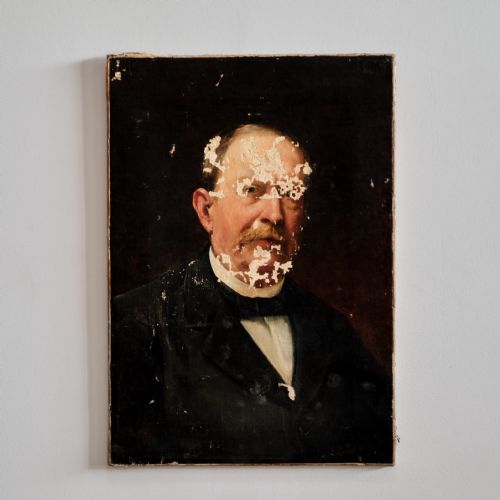
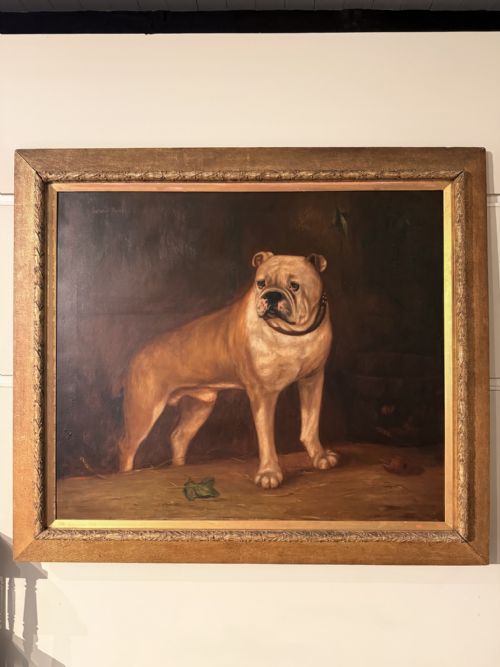
Vintage portraiture art spans centuries of likenesses, recording individuals, nobles, children, and animals across various painting traditions. Buyers searching this phrase encounter everything from grand oil paintings on canvas to delicate pastels, silhouettes, and mezzotints. The selection ranges from strict 18th century formal works to mid-century modern interpretations and expressive sketches.
The materials reflect the traditional methods of their time, predominantly oil paint applied to canvas or board, alongside paper works and frames built from wood and giltwood. Many pieces arrive framed in period mouldings that complement the mood of the subject. Dating stretches from the 17th century through the Victorian and Edwardian eras into the mid-20th century.
How they were made
Artists built these works primarily using oil paint on stretched canvas or wooden panels, layering pigments to achieve depth in skin tones, fabrics, and backgrounds. Mezzotints utilised copper plates scored to create rich tonal gradations, while pastels relied on dry pigment sticks blended directly onto paper. Frames were constructed from carved wood, frequently finished with layers of giltwood to enhance the visual weight of the artwork.
Support materials varied according to the period, with early canvases showing heavier weaves and later 20th century pieces employing board or unframed canvas. Silhouettes captured profiles through cut paper or ink techniques, often mounted behind glass for protection. Each medium dictated how the artist handled light, shadow, and fine detail.
Listings feature oil on canvas, paper, wood, and giltwood across periods from the 17th century to the mid-20th century.
What varies in quality
Materials also influence the standing of a piece, with high-grade oil paints, stable canvas supports, and original period frames maintaining their integrity better over time. Signed works and identified sitters add historical weight, though strong anonymous portraits often succeed purely on artistic merit and atmospheric execution.
John Simon·Edward Fisher·Emily Eyres·Augustin Edouart·Thomas Walker Bretland·Attilio Toro·Valentine Thomas Garland·Philip Naviasky
The Vintage Portraiture Art Glossary
- Mezzotint
- A printmaking process where the copper plate is roughened to produce rich dark tones and smooth gradations of light. This technique allowed printmakers to reproduce oil paintings with remarkable fidelity.
- Giltwood
- Wood carved and coated with a thin layer of gold leaf or gilt powder. It is commonly found on traditional picture frames from the 18th and 19th centuries.
- Silhouette
- A portrait profile cut from dark paper or painted solid against a contrasting background. These works gained popularity in the 18th and 19th centuries as an accessible form of likeness.
- Oil on Canvas
- Pigment mixed with drying oils applied to a woven fabric stretched across a wooden frame. This combination provides a durable and flexible surface favored by portraitists for centuries.
- Pastel
- A medium consisting of powdered pigment combined with a binder and shaped into sticks. Artists use pastels on paper to achieve soft textures and vibrant colour blending.
Vintage Portraiture Art: Frequently Asked Questions
How do I date an old portrait?
Dating relies heavily on the style of clothing, hair, and frames visible in the piece. Costume historians often pinpoint decades based on collars, lapels, and headwear.
Techniques and canvas types also provide clues, alongside signatures or biographical details of the sitter when known.
What is the difference between oil and pastel portraits?
Oil portraits use pigment suspended in drying oil on canvas or wood, offering rich textures and long-term durability. Pastels use dry pigment sticks on paper, creating a velvety finish that requires protection under glass.
Oils handle heavier impasto and glazing, while pastels excel at soft, luminous facial tones.
How should I hang vintage artwork safely?
Vintage pieces need sturdy fixings suited to the weight of the frame and wall type. Avoid direct sunlight and damp environments to protect canvases and paper from warping or fading.
Keep portraits away from direct heat sources such as radiators to preserve the stability of wood and paint layers.
Are unsigned portraits worth buying?
Unsigned works frequently offer exceptional artistic quality and historical charm without the premium attached to a known name. Many fine portraits from the 18th and 19th centuries were produced anonymously by competent regional painters.
Quality of execution and subject appeal remain the primary drivers of value and enjoyment.