
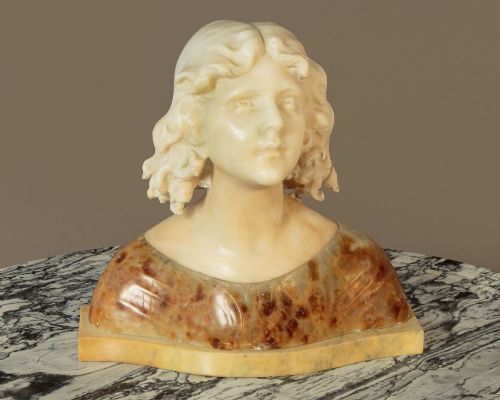


Vintage Portrait Statue
A vintage portrait statue captures likeness and character through marble, bronze and plaster.
Vintage Portrait Statue
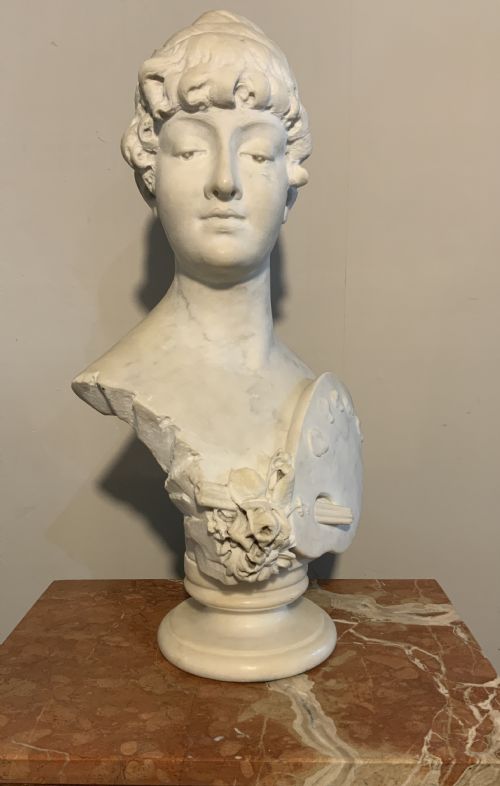
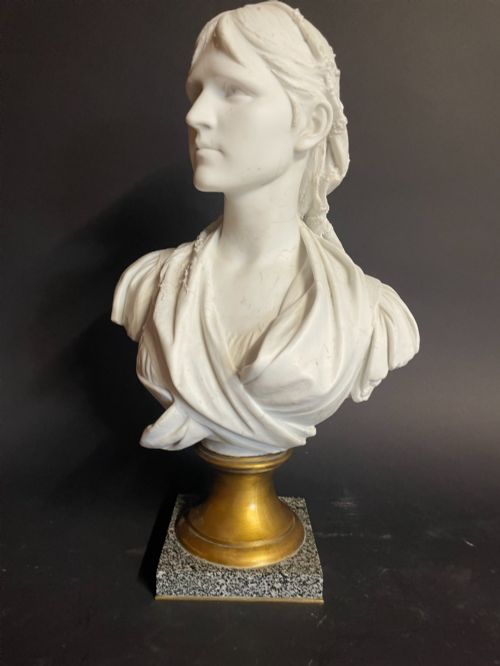
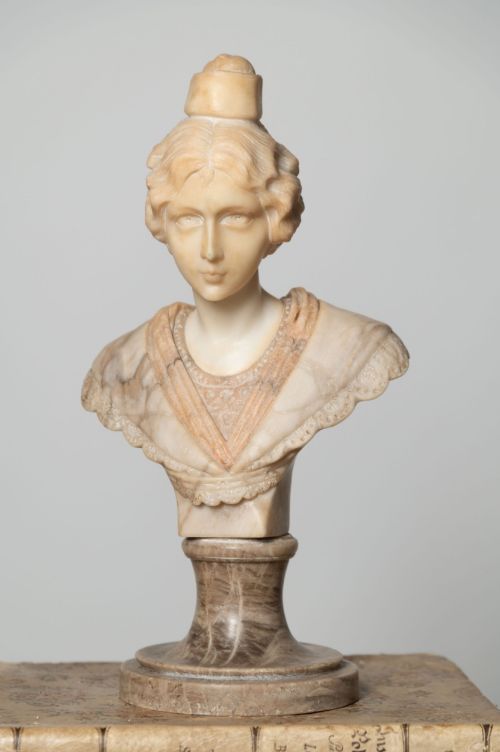
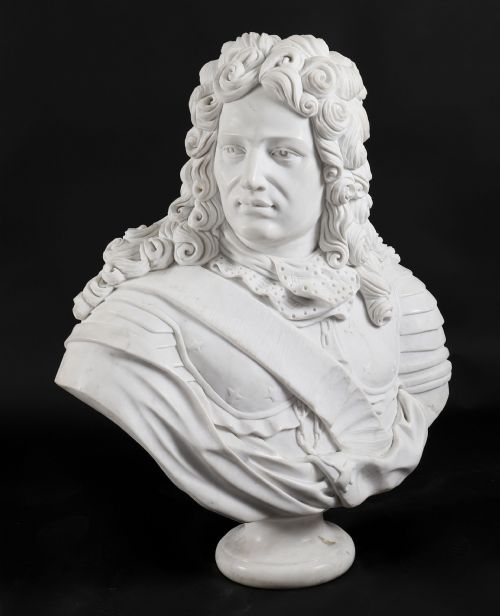
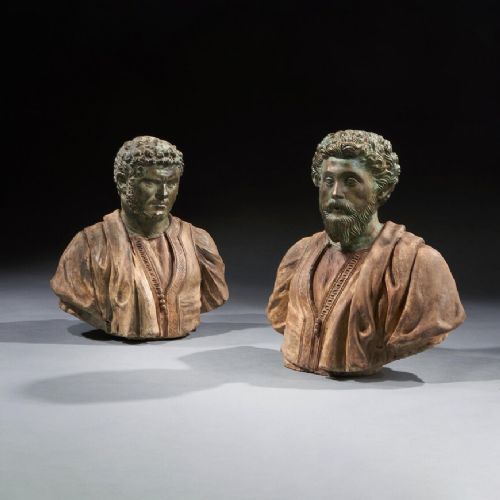
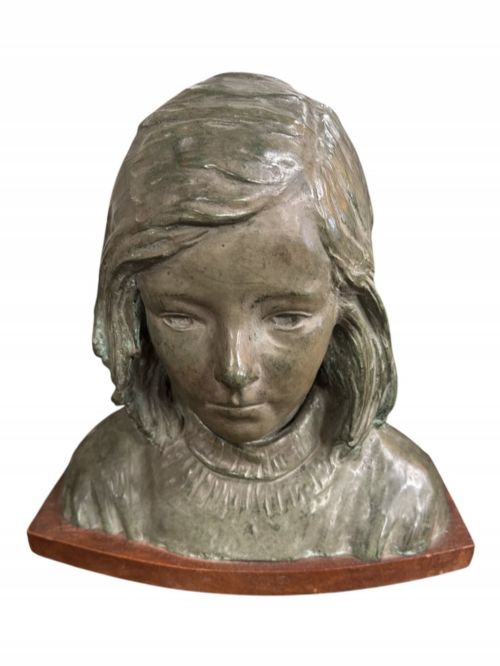
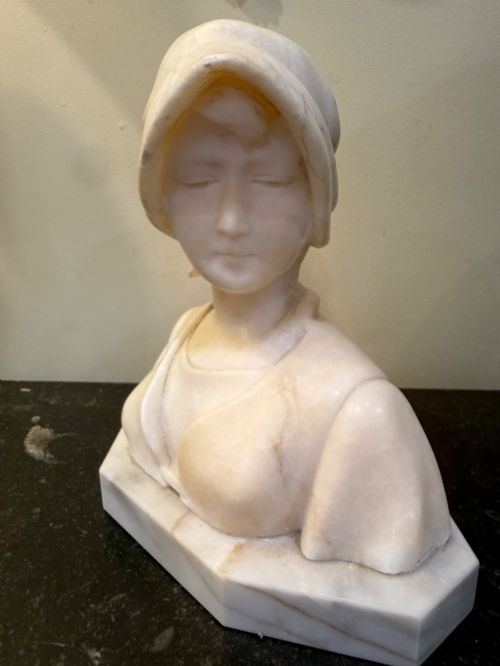
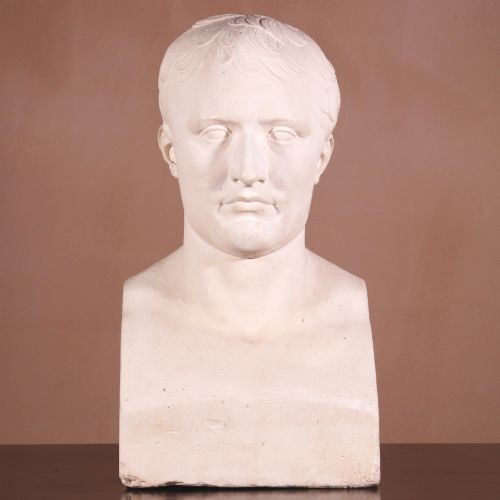
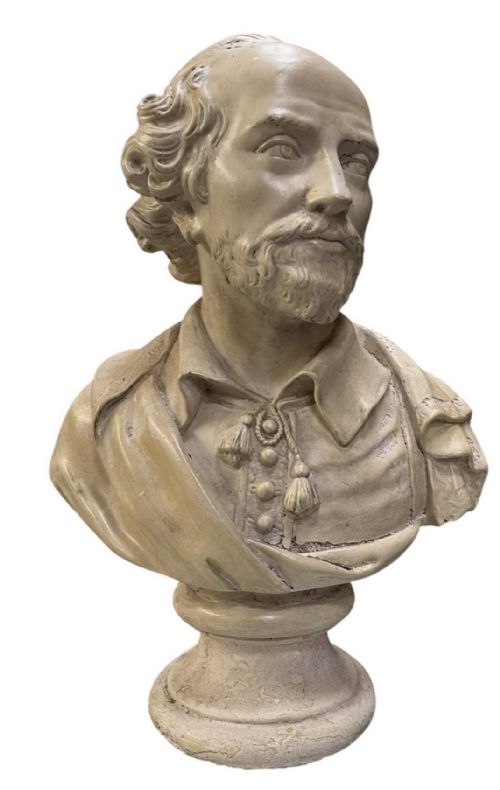
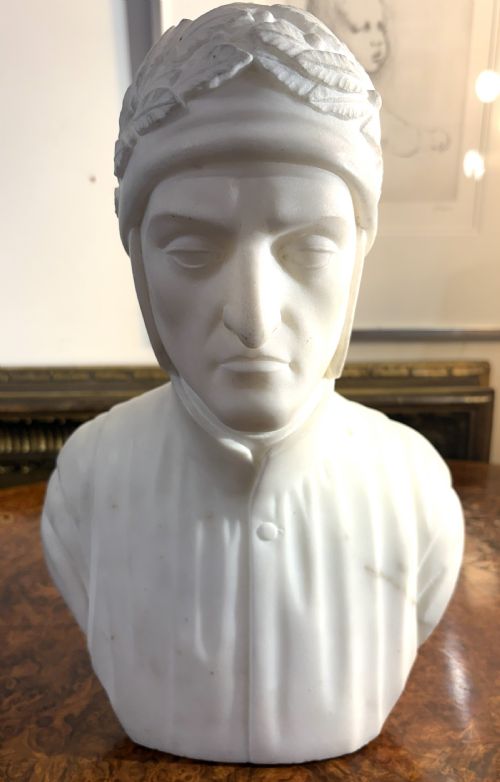
A vintage portrait statue takes the form of a sculptural bust or head, depicting historical figures, nobility, classical subjects or ordinary citizens. These pieces originate largely across the nineteenth and early twentieth centuries, spanning periods from the Victorian era through Art Deco.
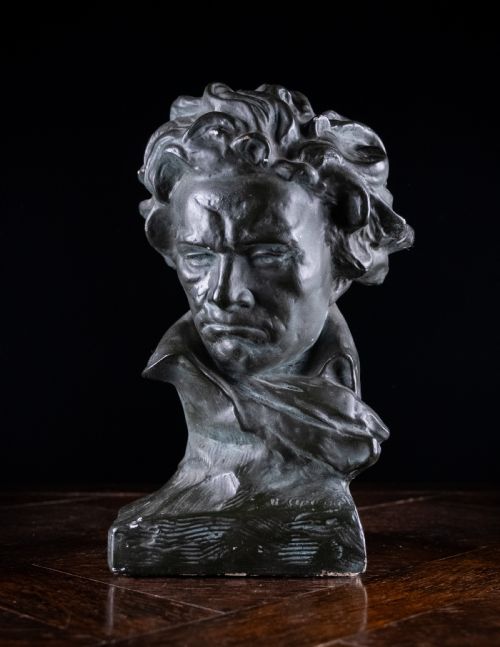
The most common versions met on this page are carved marble and cast plaster library busts. Subjects range from literary giants like Dante and Shakespeare to Roman emperors and anonymous young women.
Makers shaped these likenesses within Neoclassical, Art Nouveau and Classical Revival styles. They serve primarily as interior decorative figures or library ornaments.
How they were made
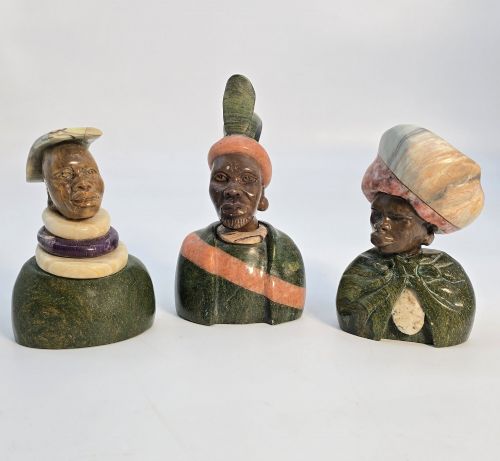
Sculptors carved pieces by hand from blocks of Carrara marble, alabaster, pear wood and stone. These techniques required precise chisel work to render hair, fabric folds and facial expressions.
Foundries and studios produced cast works using plaster, bronze, terracotta and bronzed metal. Plaster pieces often received a painted or patinated surface finish to simulate metal or stone.
Several grumpy Roman emperors and stern philosophers watch silently from these library shelves.
What varies in quality
The degree of anatomical precision and depth of detail separate individual works. Master carvers captured subtle shifts in bone structure and the soft texture of skin.
Materials dictate weight and presence, with solid Carrara marble and heavy cast bronze standing apart from painted plaster. Signed pieces by recognised modellers carry greater artistic distinction.
Raffaelo Monti·Georges-Charles Coudray·Giuseppe Moretti·Mieczyslaw Leon Zawiejski·Ernst Whaliss·Georges Morin·Emmanuel Villanis
The Vintage Portrait Statue Glossary
- Library bust
- A sculptural head and shoulders designed to sit on a bookshelf or desk, frequently depicting classical writers or philosophers. These smaller forms brought canonical figures into domestic studies.
- Patina
- The surface sheen or colour developed on bronze, wood or plaster over decades through age and handling. This distinct layer indicates natural ageing rather than modern alteration.
- Terracotta
- Baked red clay shaped into sculptural forms and sometimes painted or glazed. The medium allowed modellers to capture fluid, immediate gestures before firing.
- Carrara marble
- A white or blue-grey stone quarried in Italy, prized by sculptors for its fine grain and uniform consistency. It takes a smooth polish that mimics the appearance of human skin.
Vintage Portrait Statue: Frequently Asked Questions
What materials are used for these statues?
Sculptors utilised marble, alabaster, terracotta, bronze and plaster to create these portrait pieces. Each medium provided a different weight and texture for the finished head.
Some metal works also received applied patination to alter their surface colour.
How do I identify the period of a bust?
Stylistic cues such as Art Nouveau curves or Neoclassical austerity point toward specific decades. Material choices and signatures often corroborate the date of production.
Library busts from the nineteenth century frequently depict classical literary subjects.
Where should I place a heavy marble bust?
Solid stone and bronze pieces require sturdy support such as a dedicated console table, heavy sideboard or deep mantelpiece. Their substantial weight demands a stable surface.
Placement should avoid areas prone to heavy vibrations or accidental knocks.
What is the difference between marble and plaster?
Marble is a natural stone carved directly by hand, offering cool touch and visible crystalline structure. Plaster is a cast material poured into moulds and finished with paint or patination.
Plaster pieces are considerably lighter than stone equivalents.