

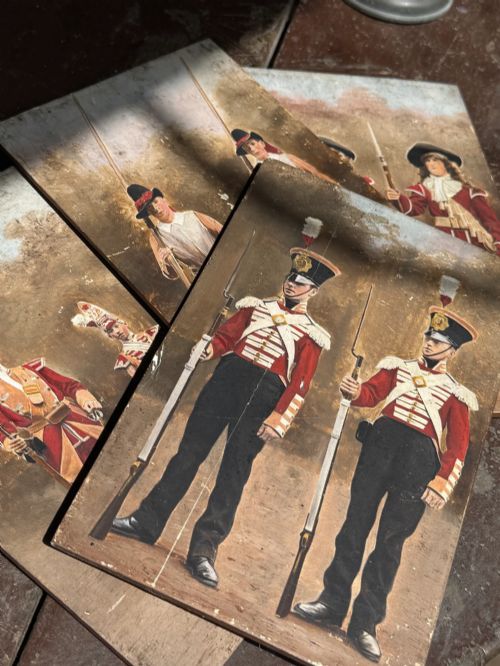
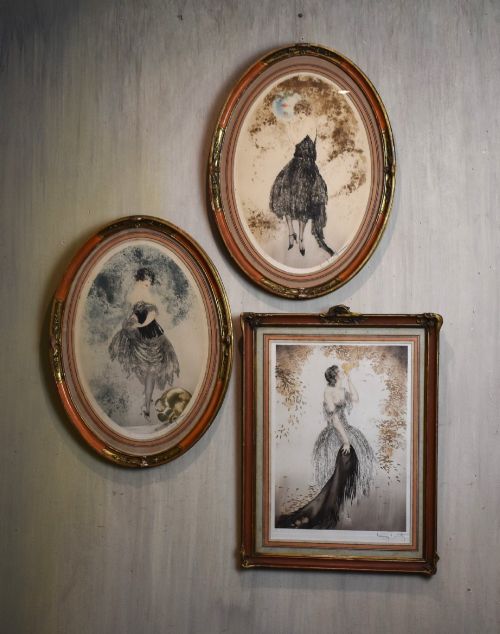


Vintage Portrait Set
A vintage portrait set brings together multiple likenesses in paper, watercolour, and print, offering an instant gallery of faces from past centuries.
Vintage Portrait Set
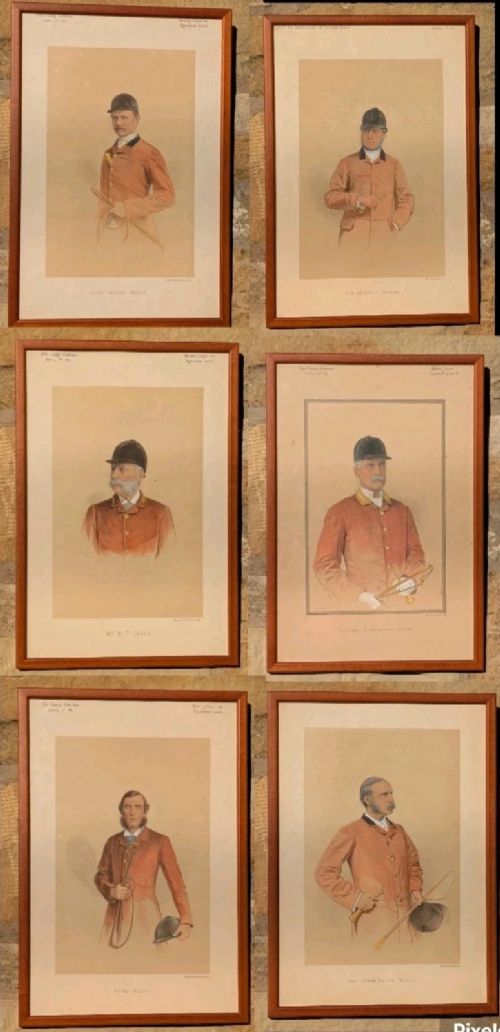
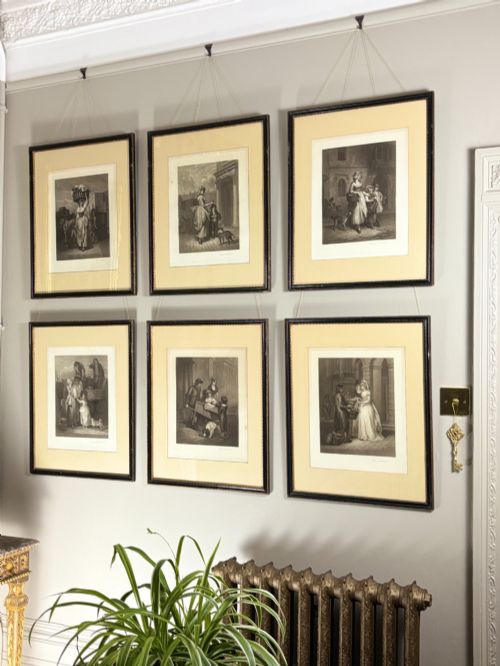
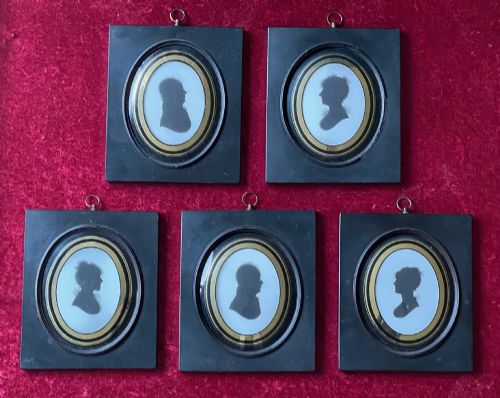
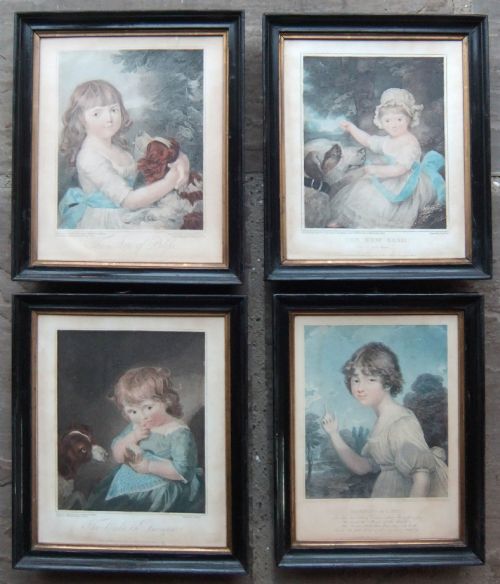
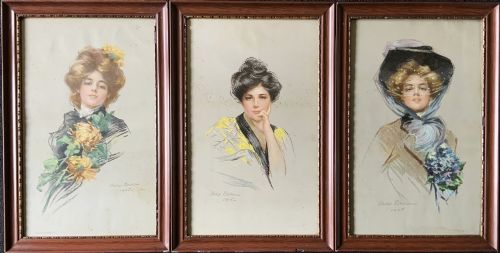
When searching for a vintage portrait set, buyers encounter collections of multiple likenesses spanning the eighteenth, nineteenth, and early twentieth centuries. These groupings frequently appear as framed prints, painted miniatures on paper, mezzotints, and photographic series rather than single isolated pictures.
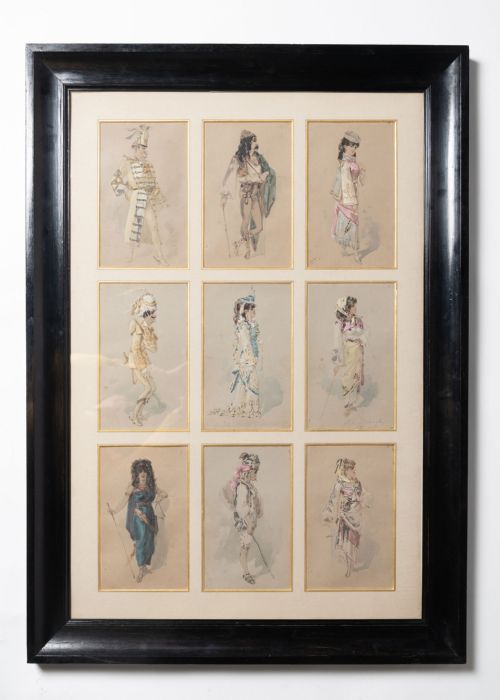
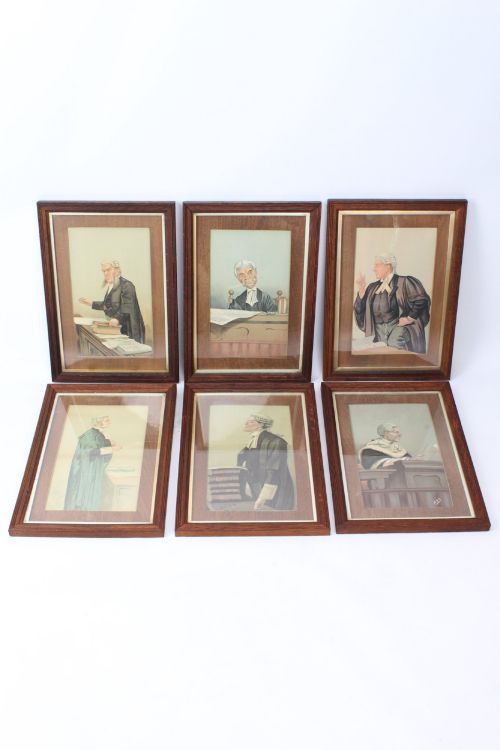
The most common groupings on this page include multi-plate satirical series such as Vanity Fair spy prints, sets of framed watercolours, and decorative print collections. Edwardian and early twentieth-century examples sit alongside earlier Georgian mezzotints and Victorian theatrical prints.
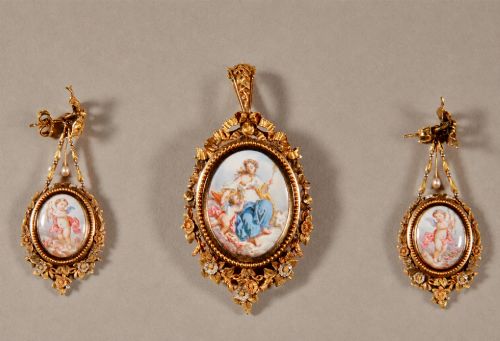
Beyond wall art, a vintage portrait set occasionally extends into miniature painted work or decorative medallions, such as Wedgwood portrait series and porcelain miniature paint work. These varied formats share the common thread of presenting a unified group of distinct individuals or thematic figures.
Materials and techniques
The construction of these pieces relies heavily on paper, ink, and watercolour, often housed within glass and wood frames featuring gilt finishes or brass detailing. Printmaking techniques such as mezzotint and hand-colouring define the surface texture of the printed series.
Miniatures and small-scale sets utilise delicate mediums including enamel, porcelain, and paper panels, sometimes mounted alongside velvet backing. Structural framing utilises wood, brass, and gilt wood to preserve the paper and mixed media works.
Vintage Portrait Set Retail Price Guide 2026
Typical asking prices for vintage portrait set among the pieces listed under this phrase on Sellingantiques today, from the lower quarter to the upper quarter. They describe what is for sale here now, not the wider market.
Listings span the eighteenth, nineteenth, and twentieth centuries, utilising paper, glass, wood, watercolour, brass, ink, gilt wood, and velvet.
Markers of quality
Quality in these collections is determined by the crispness of the printing plate, the delicacy of the watercolour brushwork, and the preservation of the original paper surface. Finer sets maintain clear signatures, sharp plate marks, and strong contrasts in mezzotints or etchings.
The integrity of the framing also influences the piece, with period frames in wood, brass, or gilt wood complementing the artwork. Complete, unbroken sets originating from a single publisher or artist command greater cohesion than assembled groups.
Philip Boileau·Louis Icart·Edward Stodart·Matisse
The Vintage Portrait Set Glossary
- Mezzotint
- A printmaking process where the copper plate is roughened to produce rich dark tones and subtle gradations of light. This technique allows for deep shadows and soft atmospheric effects in historical portraiture.
- Miniature
- A small-scale portrait painted with fine detail on materials such as paper, porcelain, or enamel. These delicate works were often housed in protective cases or worn as jewellery.
- Parure
- A matched set of jewellery designed to be worn together, which can include items such as earrings, brooches, and miniature portrait components. Such sets utilise gold and enamel work.
- Plumbago
- A drawing executed in graphite, taking its name from the Latin word for lead. These monochrome works offer precise linear detail in early portraiture.
- Decoupage
- The art of decorating a surface with paper cutouts, seen in theatrical print collections from the nineteenth century. These pieces combine layered paper elements for a dimensional effect.
Vintage Portrait Set: Frequently Asked Questions
What defines a vintage portrait set?
A vintage portrait set consists of multiple framed or boxed likenesses created as a unified series or collection. These groups range from printed caricature plates to delicate watercolours and photographic sequences.
They allow collectors to acquire several related works simultaneously, often sharing a common period, subject matter, or publishing origin.
How were these portrait sets originally displayed?
Many of these sets were framed for domestic wall display, either as matched pairs, rows of three or four, or larger gallery groupings. Smaller portrait miniatures and medallions were often kept in presentation boxes or incorporated into personal wear.
Larger printed series, such as satirical magazines plates, were frequently bound in volumes before being separated and individually framed for interior decoration.
How do I care for framed paper portraits?
Paper portraits, watercolours, and mezzotints require protection from direct sunlight to prevent fading of the inks and watercolours. Maintaining stable indoor humidity prevents the paper from warping and protects the wooden or gilt frames.
When hanging these pieces, ensure they are secured away from damp environments and extreme temperature fluctuations.
How can I tell the period of a portrait set?
Dating relies on stylistic clues in the costume, hair, and framing materials, alongside publishing dates or signatures inscribed on the work. Georgian and Victorian pieces exhibit different printing techniques and mounting styles compared to Edwardian and early twentieth-century items.
The use of specific mediums, such as early photographic prints or particular styles of mezzotint, also helps establish the era of production.