





Vintage Portrait Plate
These vintage portrait plate examples bring hand-painted artistry and framed elegance into the home.
Vintage Portrait Plate
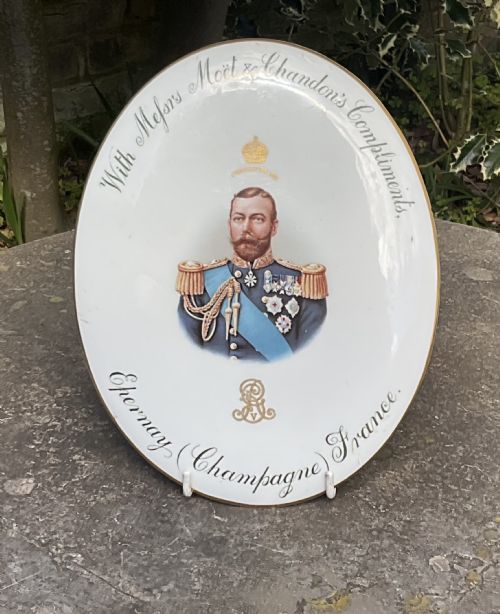
A vintage portrait plate brings together ceramic art and facial likeness, capturing historical and theatrical subjects on porcelain or ceramic surfaces. When searching for a vintage portrait plate, a buyer encounters painted cabinet plates alongside decorative plaques and framed porcelain works.
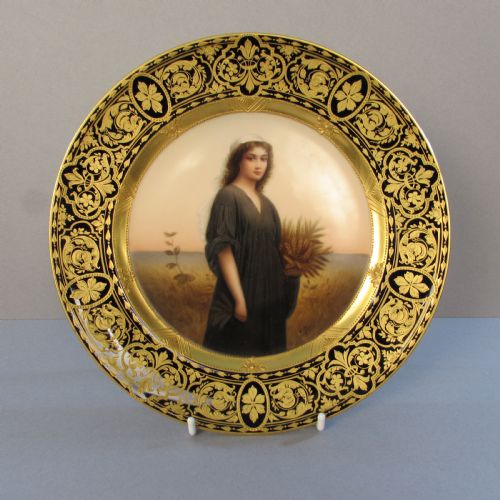
The selections span from the nineteenth century into the mid-twentieth century, embracing Victorian styles, Edwardian aesthetics, and Royal Vienna influences. These objects range from classical porcelain cabinet plates to framed printed works and decorative plaques.
Most pieces on this page reflect European manufacture, particularly English and Austrian workshops, showcasing detailed painted or engraved visages. Collectors choose them for their figurative detail and historical charm.
How they were made
Makers utilised fine porcelain as the primary canvas for hand-painted details, often finishing the borders with gilding. Artists applied pigments directly to the glazed ceramic surface before firing the piece to fix the portrait.
Alternative items incorporate silver plated mounts, glass, and paper prints housed within metal or easel frames. Some examples utilise copper plates alongside original drawings on paper.
Techniques varied from delicate brushwork by named porcelain painters to classical engravings and photographic inserts secured behind glass.
Vintage Portrait Plate Retail Price Guide 2026
Typical asking prices for vintage portrait plate among the pieces listed under this phrase on Sellingantiques today, from the lower quarter to the upper quarter. They describe what is for sale here now, not the wider market.
This selection spans the nineteenth century through to the mid-twentieth century, featuring porcelain, silver plate, glass, and paper.
What varies in quality
The refinement of the facial painting separates standard production from exceptional artistry, particularly in the rendering of expression and hair. Signed works by skilled porcelain artists command greater attention through their precise brushwork.
The quality of the surrounding frame or porcelain border determines the overall presence of the object. Heavier silver plated mounts and intricate gilding distinguish superior pieces from simpler variations.
Hardy Brothers·Royal Vienna
The Vintage Portrait Plate Glossary
- Cabinet plate
- A decorative ceramic plate intended for display in a cabinet or on a wall rather than for dining. These items frequently feature hand-painted scenes or portraits.
- Porcelain
- A ceramic material made by heating materials, generally including kaolin, in a kiln. It provides a smooth, white surface ideal for detailed portraiture.
- Royal Vienna style
- An aesthetic reflecting the neoclassical and ornate output associated with the historic Vienna porcelain manufactory. Pieces in this manner often display rich gilding and mythological or historical portraits.
- Silver plate
- A layer of silver applied to a base metal such as brass or copper. This technique appears on many frames associated with these portrait items.
- Easel frame
- A picture frame equipped with a hinged metal or wooden leg on the back for standing upright on a surface. These frames often house portrait photographs or plaques.
Vintage Portrait Plate: Frequently Asked Questions
What is a vintage portrait plate?
A vintage portrait plate is a decorative ceramic or porcelain dish featuring a painted human likeness, typically intended for display.
These pieces often depict historical figures, actresses, or classical subjects framed by gilded borders.
How were portrait plates displayed?
Owners historically placed these items inside glass-fronted cabinets or mounted them directly onto walls as decorative art.
Some examples sit within easel frames or metal surrounds designed for tabletop presentation.
How do I identify Royal Vienna style?
Royal Vienna style pieces are characterised by elaborate gilding, rich jewel-toned borders, and finely executed classical or historical portraits.
They often feature hand-painted signatures and precise detailing across the porcelain surface.
What materials are used in these items?
The primary materials include porcelain, ceramic, silver plate, glass, and paper.
Some examples also incorporate gold leaf and metal mounts to support the portrait display.