




Vintage Portrait Illustration Print
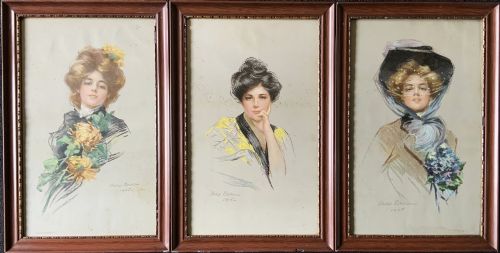
These vintage portrait illustration print selections bring character to a room through framed works spanning the eighteenth to the twentieth centuries.
Vintage Portrait Illustration Print
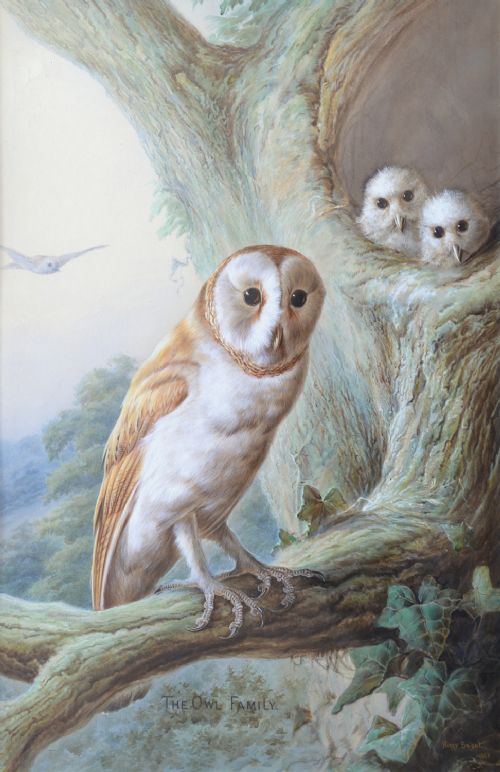
A vintage portrait illustration print encompasses framed artworks, paintings, and engravings depicting human and animal subjects from various historical periods. Buyers hunting for these pieces encounter everything from early eighteenth-century animal portraits to mid-twentieth-century drawings.
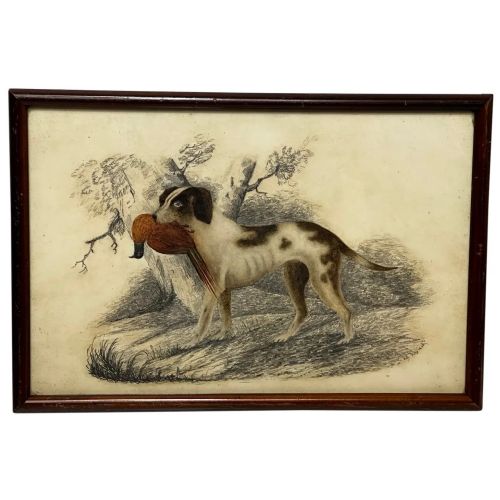
The pieces on this page lean heavily towards framed prints, wall art, and original works originating from the Victorian, Edwardian, and Art Deco eras. French subjects, sporting dogs, and theatrical caricatures appear frequently among the offerings.
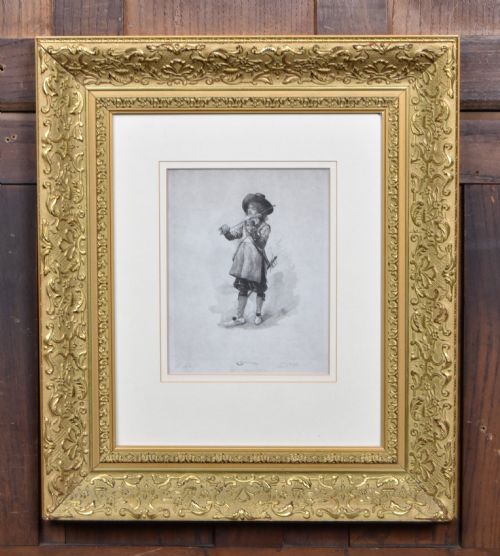
Most items arrive ready to hang, often mounted behind glass within wooden or gilt frames. Domestic spaces benefit from these characterful depictions, which range from monochrome ink studies to hand-coloured etchings.
Judging quality in portrait illustrations
Quality rests on the skill of the draughtsman or printmaker, distinguishing hurried commercial output from assured artistic execution. Strong line work in ink or graphite and balanced composition elevate a piece above standard decorative ephemera.
The condition of the paper and the integrity of the original framing significantly impact the overall standard. Intact glass protection and period-appropriate wood or gilt frames preserve the visual punch of the artwork.
Vintage Portrait Illustration Print Retail Price Guide 2026
Typical asking prices for vintage portrait illustration print among the pieces listed under this phrase on Sellingantiques today, from the lower quarter to the upper quarter. They describe what is for sale here now, not the wider market.
Cats in oil pastels share wall space with stern German generals and theatrical actors.
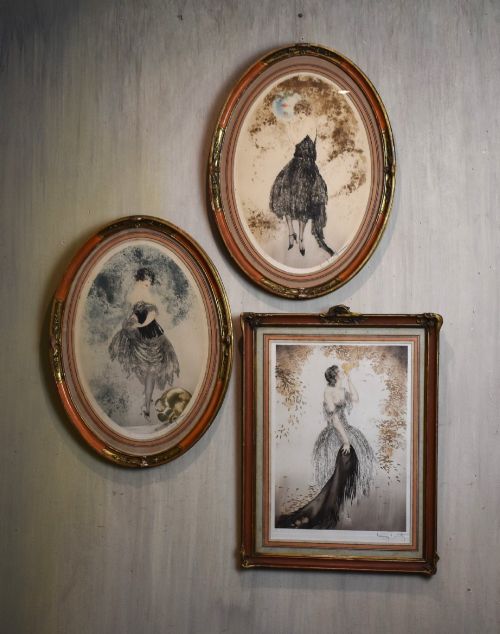
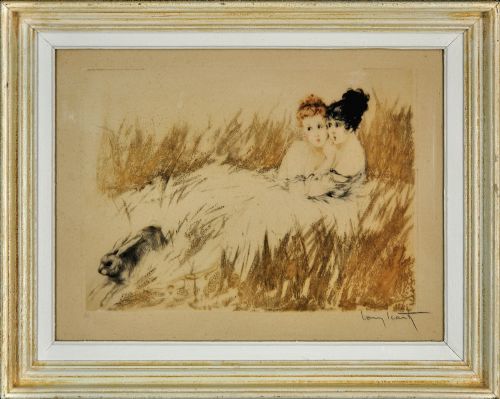
Louis Icart·Mariette Lydis·P Ruiz
The Vintage Portrait Illustration Print Glossary
- Etching
- A printmaking technique where lines are bitten into a metal plate with acid before ink is applied. This process allows for fine, expressive detail characteristic of early twentieth-century works.
- Pastel
- A dry medium of powdered pigment used to create vibrant or soft colour tones. Works executed in oil pastels carry a rich, textured surface.
- Monochrome
- A work executed in a single colour or shades of one colour, such as black ink or sepia wash. It focuses attention entirely on line and tonal variation.
- Caricature
- A rendered portrait that exaggerates characteristics for comic or satirical effect. These often document historical figures or social types.
Vintage Portrait Illustration Print: Frequently Asked Questions
How do I hang heavy framed prints safely?
Ensure your wall fixings match the weight of the wood and glass frame. Use sturdy picture wire attached securely to the frame structure rather than relying on old, brittle cords.
Distribute the weight evenly across two hooks if the piece is wide. This keeps the artwork level and prevents strain on the original framing.
Where should I place these portraits at home?
Hang them away from direct sunlight to prevent fading on delicate paper and watercolours. Hallways, studies, and living rooms suit these characterful depictions best.
Pair smaller animal portraits or caricatures together in a gallery arrangement. Larger framed prints work well as standalone focal points on neutral walls.
How do I date a vintage portrait illustration?
Examine the framing materials, backing paper, and the style of the subject's clothing or uniform. Victorian and Edwardian pieces often use specific mounting techniques and typography.
Signatures, publisher stamps, or handwritten notes on the reverse provide further clues. Compare the printing method against known historical periods like Art Deco.
Are these illustrations original works or copies?
The inventory includes both original drawings in ink or pastel and printed editions such as etchings and engravings. Descriptions specify whether a piece is a unique artwork or part of a published set.
Originals show direct hand-application of pigment, while prints display consistent ink patterns under close magnification. Both hold distinct historical and decorative value.