

Vintage Portrait Holder
A vintage portrait holder is a small display piece or wearable case designed to keep likenesses close, offering tangible charm for collectors of domestic metalwork.
Vintage Portrait Holder
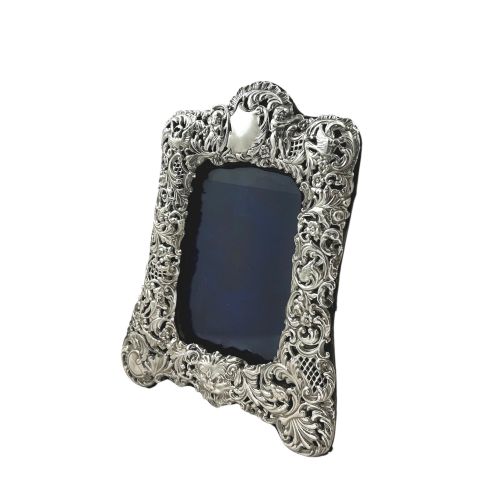
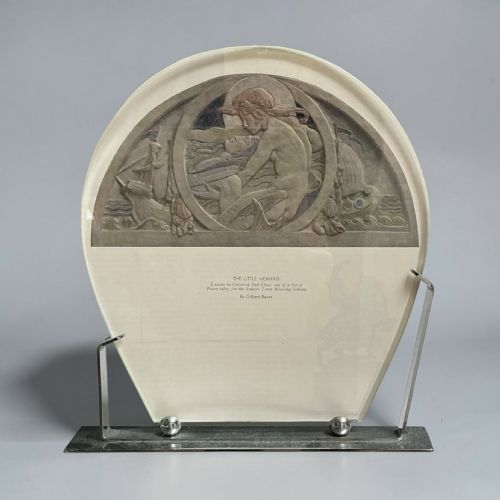
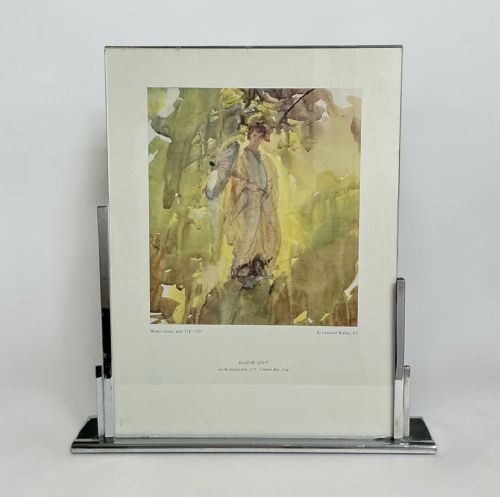
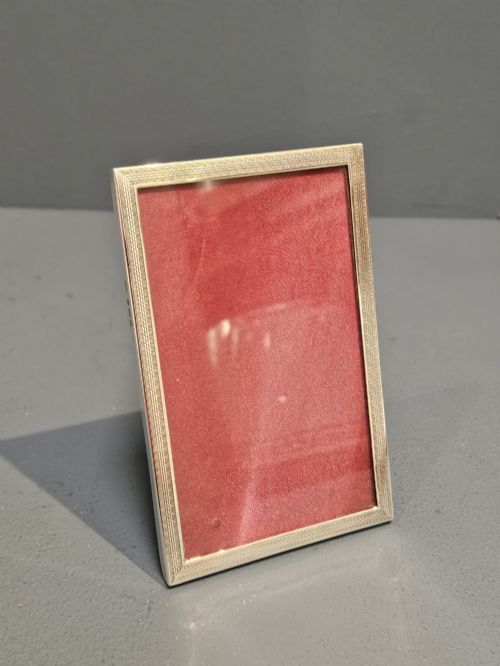
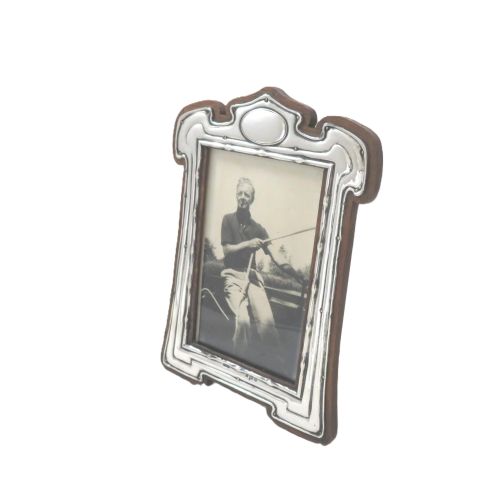
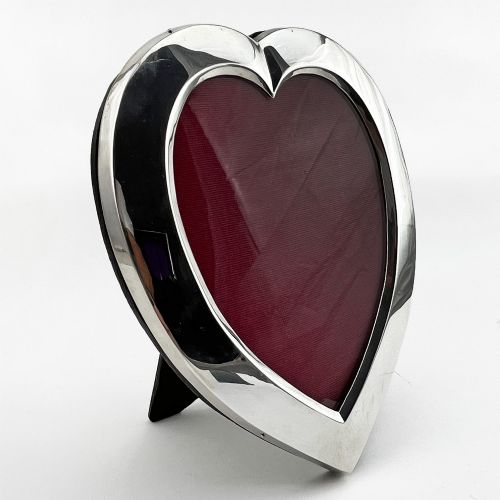
When you search for a vintage portrait holder, you encounter picture frames, photograph frames, vesta cases, and pendants or lockets. These items originate from periods spanning the late nineteenth century through the mid twentieth century, encompassing Victorian, Edwardian, and Art Deco eras.
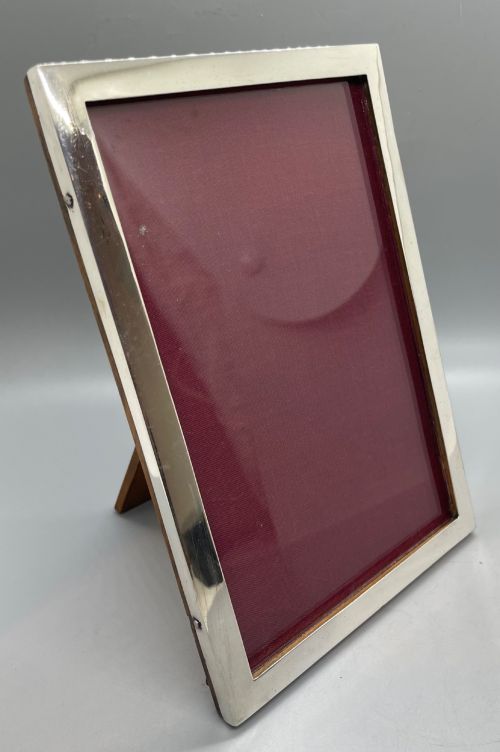
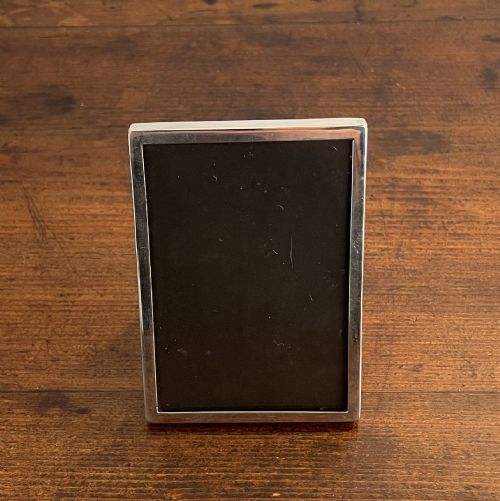
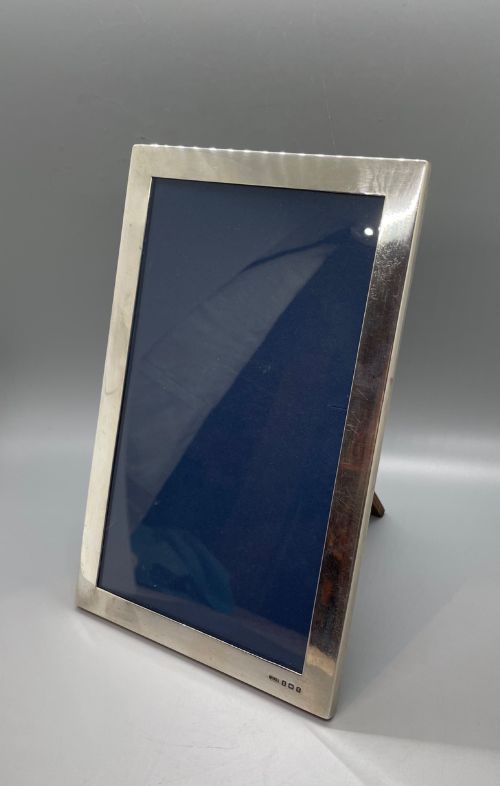
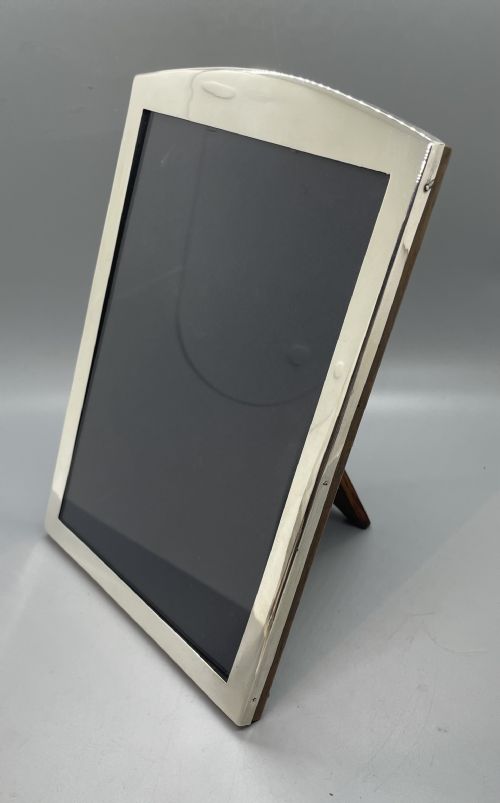
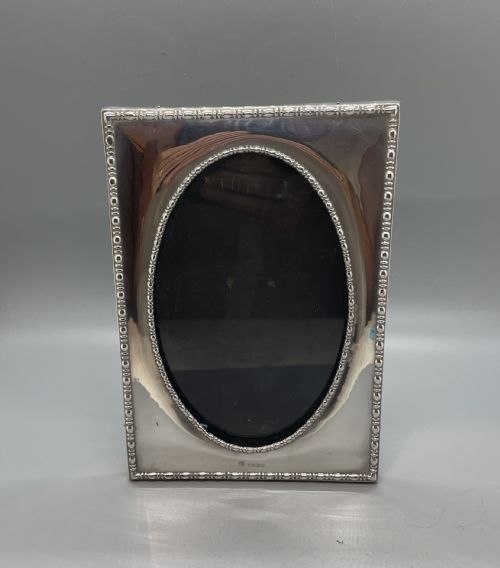
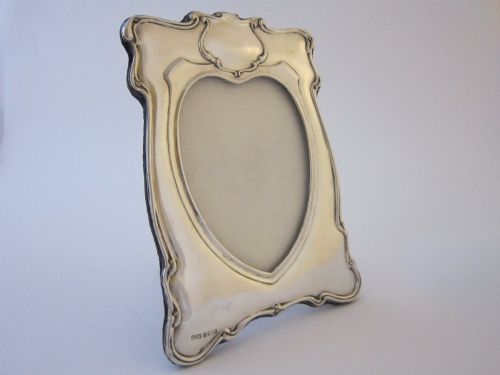
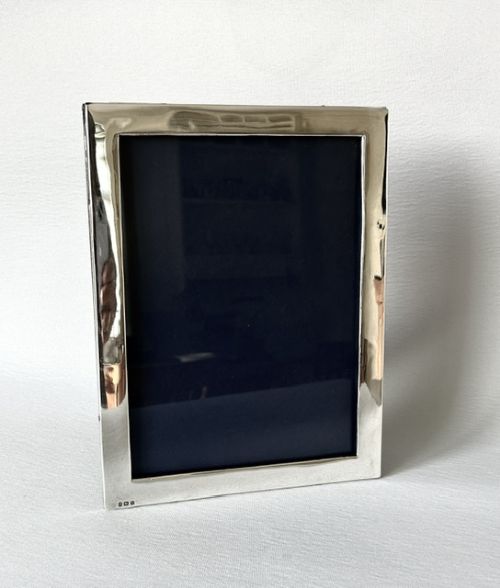
The pieces you meet most often on this page take the form of sterling silver or brass photograph frames made in English assay offices, alongside French bronze and chrome examples. Makers shaped these objects to hold personal images on desks, mantelpieces, or as portable mementoes.
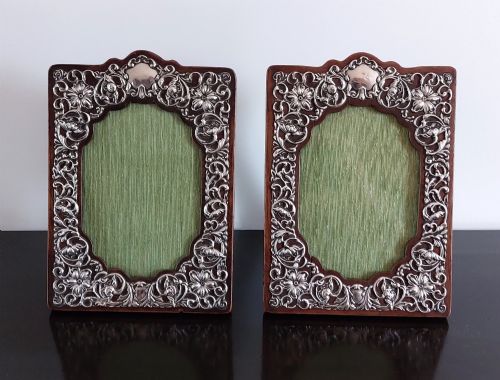
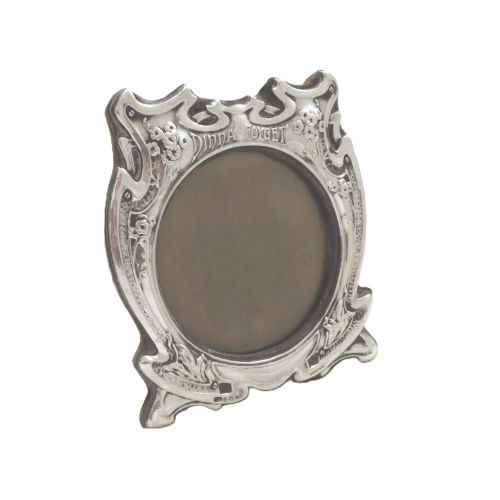
Geographic origins vary from Birmingham and Sheffield workshops to French studios and Italian makers. Each regional output brings distinct decorative vocabularies, from embossed floral borders to geometric skyscraper silhouettes.
Materials and Construction
Metals form the structural basis of these pieces, utilising sterling silver, brass, gilt bronze, nickel-plated silver, and chrome. Artisans shaped these materials through stamping, casting, and engine-turning to create rigid borders and housings for portraits.
Backings and internal elements incorporate wood, velvet, glass, and fabric. Easel stands and hinged folding panels allow the items to remain upright on flat surfaces or close securely for travel.
Vintage Portrait Holder Retail Price Guide 2026
Typical asking prices for vintage portrait holder among the pieces listed under this phrase on Sellingantiques today, from the lower quarter to the upper quarter. They describe what is for sale here now, not the wider market.
Some nineteenth-century vesta cases double as novelties bearing the face of politician Joseph Chamberlain alongside your matches.
Design Execution and Finish
The distinction between ordinary and superior pieces rests in the crispness of decorative detailing, such as hand-planished surfaces, embossed floral motifs, and enamel work. Stronger examples display deliberate control over the chosen style, whether fluid Art Nouveau plant stems or severe Art Deco geometry.
Integrity of construction separates better items from standard ones. Well-made pieces retain sturdy hinges, secure glass panels, complete wooden or velvet backs, and legible hallmarks that verify assay office origins.
William Comyns·Deakin & Francis·Hardy Brothers·Moseley
The Vintage Portrait Holder Glossary
- Vesta case
- A small pocket container originally designed for holding matches. Many examples incorporate compartments or lids suitable for miniature portraits.
- Engine-turned
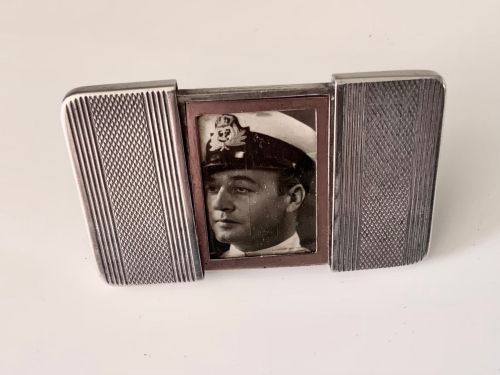
- A decorative mechanical technique that etches precise geometric patterns into metal surfaces. This method creates repetitive linear textures across sterling silver frames.
- Hallmark
- An official stamp applied to precious metals indicating purity, origin assay office, and date letter. English silver pieces frequently display these marks along outer borders.
- Planished
- A metal surface finish achieved by hammering with a polished tool. This process leaves subtle, flat facets that catch ambient light.
- Paste stone
- Faceted glass or crystal cut to imitate gemstones. French frames often set these stones around picture apertures for decorative effect.
Vintage Portrait Holder: Frequently Asked Questions
How do I date a silver frame?
Dating relies heavily on hallmarks stamped into the metal by official assay offices such as Birmingham or Sheffield. These marks often include date letters corresponding to specific years.
Stylistic indicators also help determine age, as flowing organic lines point to Edwardian and Art Nouveau eras, while strict geometric shapes indicate 1930s Art Deco design.
Were these frames meant for travel?
Certain pieces feature folding designs or leather and crocodile coverings specifically engineered for journeys. Double and triple folding frames allowed owners to transport multiple family likenesses.
Tabletop versions utilised sturdy easel backs for stationary display in homes, while pocket-sized lockets and vestas kept portraits on the person.
What materials are most common?
Sterling silver and plated brass dominate the metalwork seen in these collections. Backings and internal supports frequently incorporate wood, fabric, and velvet.
Glass and faceted crystal protect the photographic surfaces, while decorative highlights sometimes include enamel, paste stones, and gilt bronze.