

Vintage Portrait Easel
A vintage portrait easel supports a cherished photograph or small canvas, offering a functional desk display with period character.
Vintage Portrait Easel
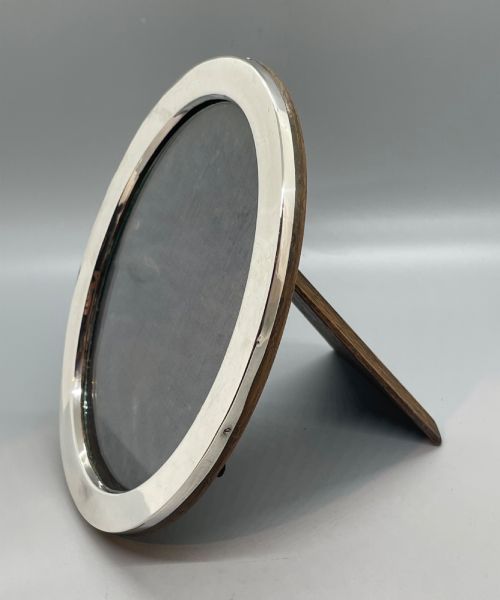
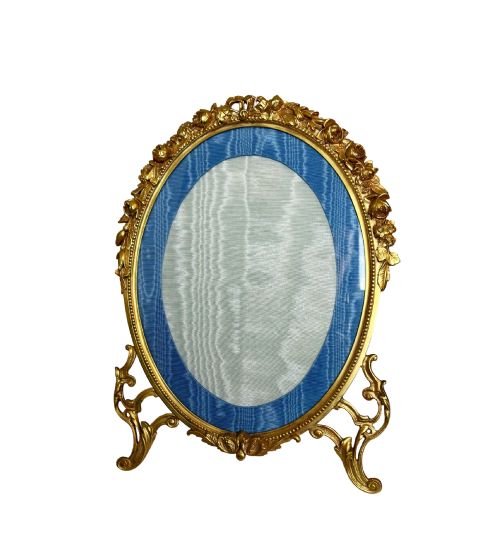
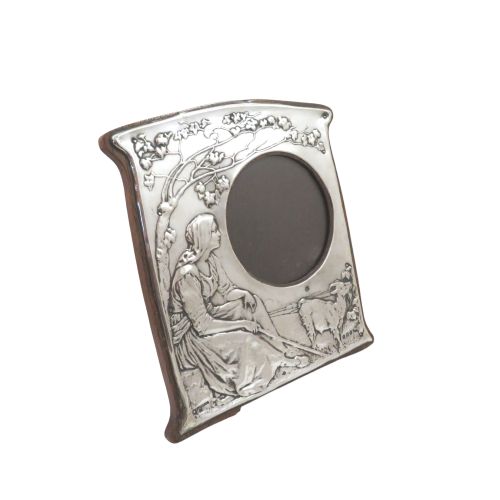
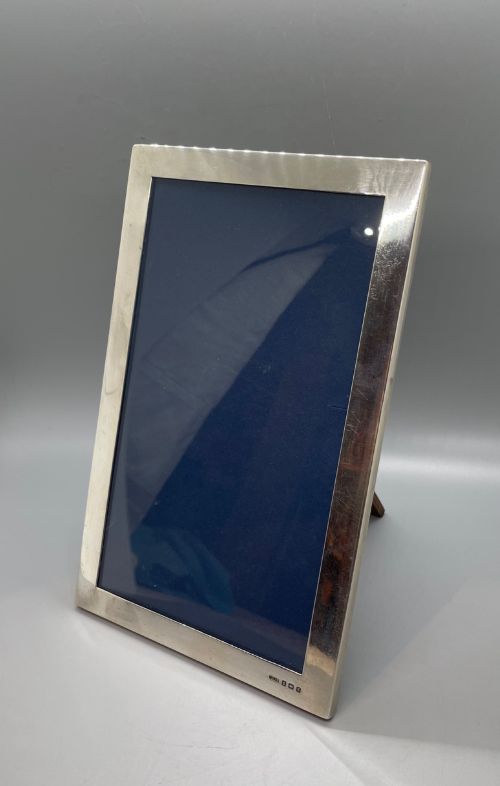
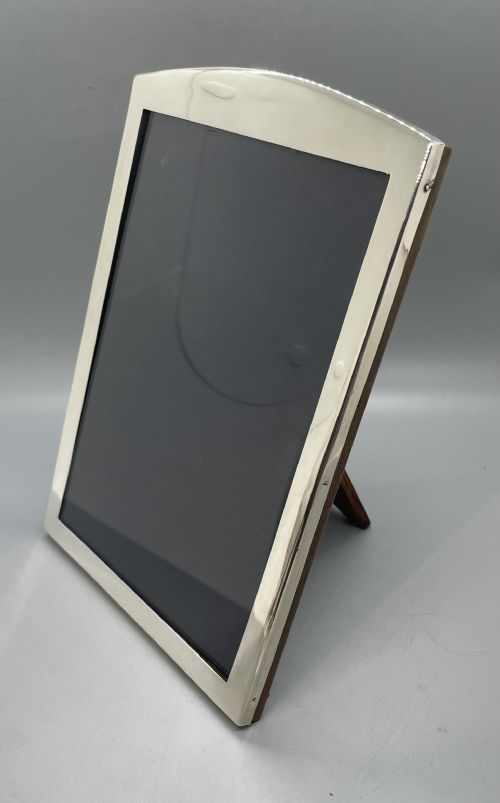
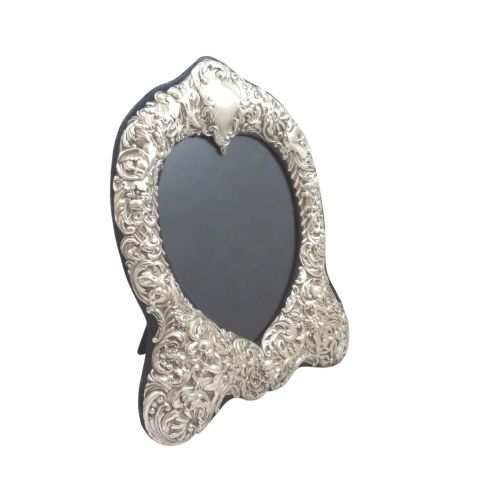
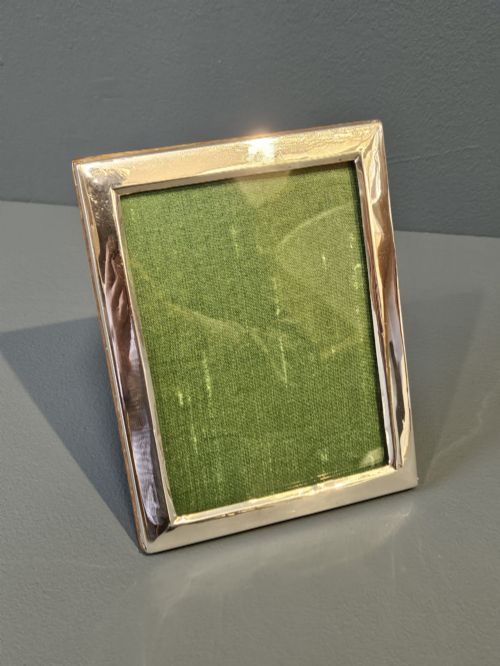
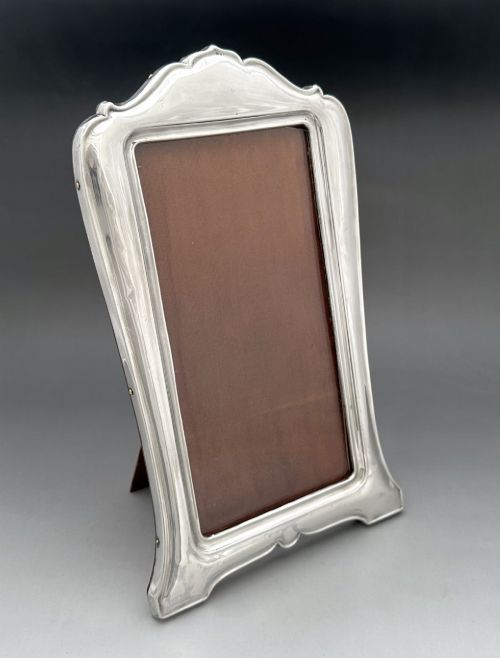
A vintage portrait easel or framed display stand serves to hold photographic portraits and small paintings on tables, desks or mantels. These pieces bridge utility and decorative display, designed to showcase family likenesses or miniature artworks within domestic interiors.
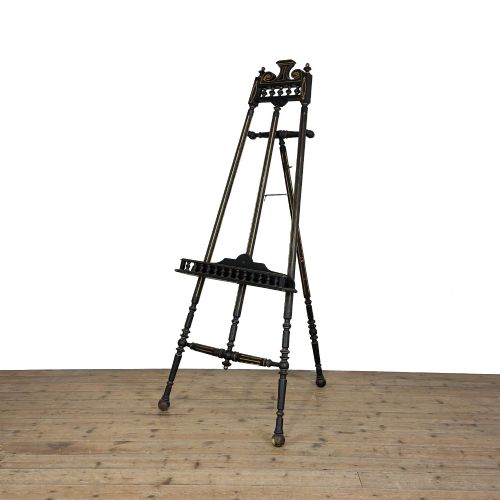
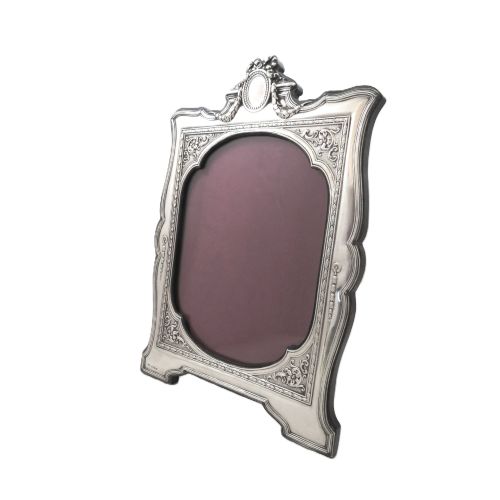
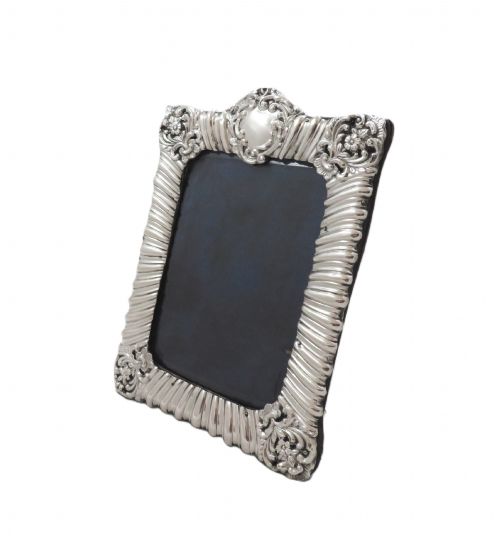
The selection here encompasses standing display easels alongside hinged picture and photograph frames equipped with built-in easel backs. Examples range from compact tabletop silver frames to larger floor-standing pieces built for studio or parlour presentation.
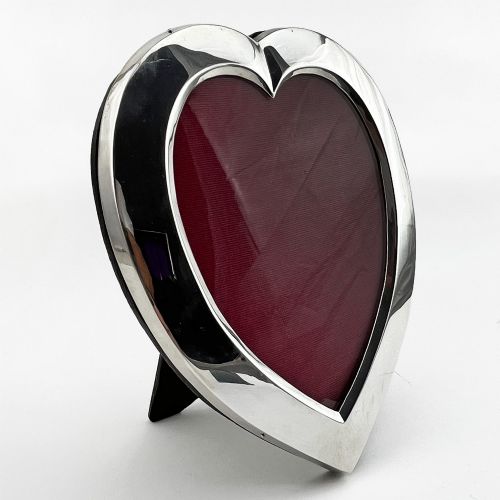
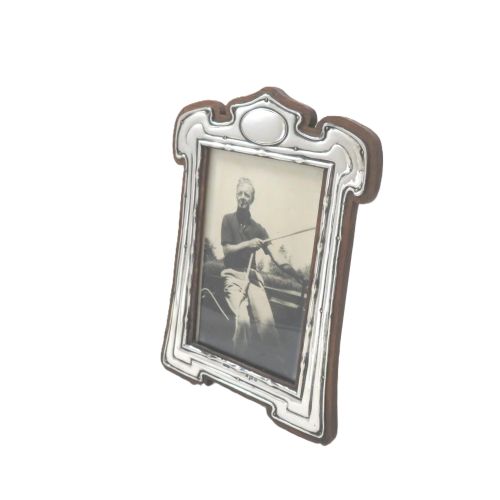
Dating primarily from the Victorian, Edwardian and George V eras into the mid-twentieth century, the pieces reflect changing domestic tastes in display. Common configurations include rectangular, oval and heart-shaped formats, often paired with backing materials such as wood or velvet.
How they were made
Silversmiths and metalworkers shaped sterling silver, gilt bronze, iron and brass into frames and stands using techniques such as casting, piercing and embossing. Many silver items carry Birmingham or Chester hallmarks alongside maker marks from workshops like Deakin & Francis.
Wooden elements utilise ebonised finishes, oak and structural joinery to create sturdy floor-standing or double-sided gallery easels. Fabric components incorporate velvet and silk linings to back portrait openings and cushion delicate surfaces.
Listings feature sterling silver, oak, ebonised wood, and gilt bronze across Victorian, Edwardian, and Art Deco styles.
What varies in quality
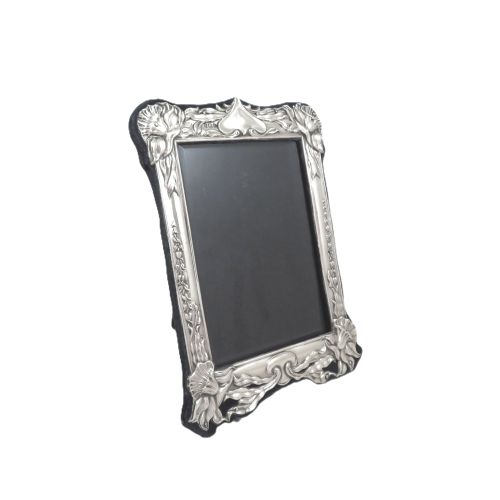
The weight and gauge of the metal differentiate standard production from finer workshop output, particularly in sterling silver frames where thicker gauge metal resists denting. Crispness in cast details such as Art Nouveau whiplash lines, ribbon bows or embossed floral motifs also distinguishes higher-grade examples.
The integrity of the structural support determines everyday utility, seen in sturdy hinges on easel backs and secure wooden or velvet backing boards. Original fittings, clear hallmarks and well-preserved gilt or ebonised surfaces maintain the integrity of the piece.
William Comyns·Deakin & Francis·Pinci Roma
The Vintage Portrait Easel Glossary
- Hallmark
- Official stamps struck into precious metals indicating the assay office, metal purity and year of manufacture. These marks provide precise dating for British silver frames.
- Ebonised
- Wood treated to imitate ebony, creating a dense black finish popular in Victorian and Aesthetic Movement pieces. This finish highlights gilt metal mounts and portrait subjects.
- Art Nouveau
- A stylistic movement characterised by organic, fluid lines and floral motifs, prominent in pieces dating around the turn of the twentieth century. Whiplash curves define this decorative approach.
- Engine-turned
- A mechanical decoration technique producing intricate geometric patterns etched into metal surfaces. This finish appears on Art Deco silver frames.
- Gilt Bronze
- Bronze metal coated with a layer of gold, providing a durable and lustrous surface for decorative frames. It is also known as ormolu.
Vintage Portrait Easel: Frequently Asked Questions
How do I date a silver portrait frame?
British silver pieces typically carry hallmarks that indicate the assay office and the specific year of manufacture.
Additional stylistic clues, such as Art Nouveau or Art Deco motifs, help confirm the period when hallmarks are rubbed or absent.
What is a floor standing easel used for?
Floor standing easels display larger artworks, photographs or mirrors upright in a room without needing wall fixings.
They function as moveable display furniture in studios, hallways and living spaces.
Are velvet backs on frames original?
Many Edwardian and Victorian frames retain their original velvet or silk backing boards, which are fitted around the easel strut.
Original textiles show period wear that matches the metalwork on the front of the piece.
How do two-way picture frames work?
Two-way frames feature hinges that allow the stand to support the portrait in either a vertical or horizontal orientation.
This versatility accommodates different photograph compositions within the same frame.