

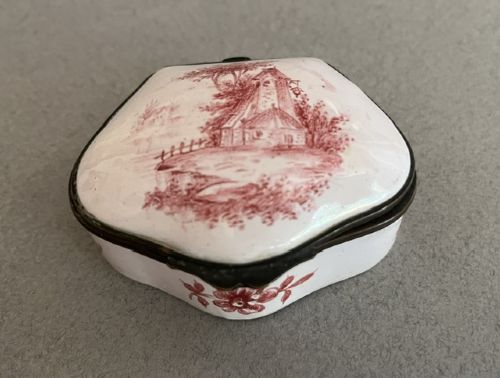


Vintage Porcelain Container
A vintage porcelain container brings utility and display appeal to a room, ranging from delicate powder jars to sturdy biscuit barrels.
Vintage Porcelain Container
A vintage porcelain container covers a diverse group of domestic vessels designed for storage and display. When searching for a vintage porcelain container, buyers encounter objects ranging from nineteenth-century French trinket boxes and biscuit barrels to art deco powder jars.
The assortment spans multiple periods, including pieces from seventeen-fifties productions, Victorian kitchen jars, Edwardian flow blue vessels, and nineteen-thirties figural powder boxes. Forms also incorporate ginger jars, tea caddies, pot pourri vases, and tobacco jars.
Origins vary widely across the selection, featuring English porcelain, German novelty pieces, French Limoges wares, Japanese Satsuma and blue and white items, and Chinese kamcheng jars. Buyers will find both lidded dressing table accessories and larger decorative containers.
How they were made
Makers utilised porcelain and ceramic as the primary bodies, occasionally combining them with earthenware. Surface decoration frequently involved enamel painting and glaze applications.
Many containers incorporate metallic elements such as gold leaf, gilt, gilt-metal mounts, and silver plate. These embellishments served to frame lids, borders, and functional mounts on boxes and jars.
Vintage Porcelain Container Retail Price Guide 2026
Typical asking prices for vintage porcelain container among the pieces listed under this phrase on Sellingantiques today, from the lower quarter to the upper quarter. They describe what is for sale here now, not the wider market.
Materials recorded across the selection include porcelain, earthenware, ceramic, gold leaf, enamel, glaze, and silver plate.
What varies in quality
Quality rests in the precision of the painting and the execution of figural modelling, as seen in hand-painted fruit motifs or detailed half-doll figures. Superior pieces display crisp definition in enamel work and careful application of gold leaf.
The integration of mounts and hardware distinguishes finer examples, particularly where gilt-metal or silver plate fits snugly against the ceramic body. Construction standards differ between mass-produced novelty items and bespoke studio output.
Royal Worcester·Tokyo Taizan·Limoges
The Vintage Porcelain Container Glossary
- Biscuit Barrel
- A covered ceramic container historically used for storing dry biscuits at the dining table. They frequently feature silver-plated mounts and swing handles.
- Kamcheng
- A traditional lidded ceramic jar originating from Chinese kilns, often decorated in blue and white. These containers were utilised for food storage and domestic holding purposes.
- Etui
- A small ornamental case used for holding needles, bodkins, or cosmetic implements. Examples often incorporate precious metal mounts.
- Pot Pourri Vase
- A vessel designed with a pierced lid to release the fragrance of dried flower petals and spices kept inside. They frequently showcase elaborate painted decoration.
- Flow Blue
- A nineteenth-century ceramic transfer printing technique where the cobalt blue pigment blurred slightly during firing. This produced a misty, soft-edged aesthetic on white backgrounds.
Vintage Porcelain Container: Frequently Asked Questions
What were vintage porcelain containers used for?
These vessels served diverse domestic functions, from holding dry biscuits and tobacco to storing tea leaves and pot pourri. Dressing table versions housed scented powders and small trinkets.
Smaller lidded boxes accommodated pins, needles, and personal items. Their dual role combined practical household storage with decorative interior display.
How do I identify art deco powder jars?
Art deco powder jars typically date around nineteen-thirty and often feature stylised figural lids, such as flapper girls, jesters, and half dolls. The ceramic bodies reflect geometric styling and bold moulding.
German and Austrian factories produced many of these novelty powder bowls. Their distinct character relies on theatrical, moulded human forms rather than traditional floral painting.
Are nineteenth century containers different from twentieth century ones?
Nineteenth-century examples tend to draw upon traditional decorative vocabularies, including Japanese Satsuma designs, French rococo influences, and blue and white export patterns. They often incorporate functional items like tea caddies and jardiniere planters.
Twentieth-century pieces lean towards specialised vanity items, novelties, and painted fruit compositions by established potteries. The shift moves from general storage towards specific dressing table and display pieces.
How should I care for a porcelain container?
Clean porcelain surfaces gently with a dry or lightly damp cloth to preserve delicate enamel and gold leaf embellishments. Avoid harsh immersion, particularly on pieces with silver plate or gilt-metal mounts.
Protect lids and fitted covers from accidental knocks, as ceramic edges and mounted hinges remain vulnerable to impact. Display them away from direct heat sources to safeguard historical glazes.