



Vintage Porcelain Coffee
These vintage porcelain coffee sets and vessels bring cabinet-grade painting and fine gilding straight to the table.
Vintage Porcelain Coffee
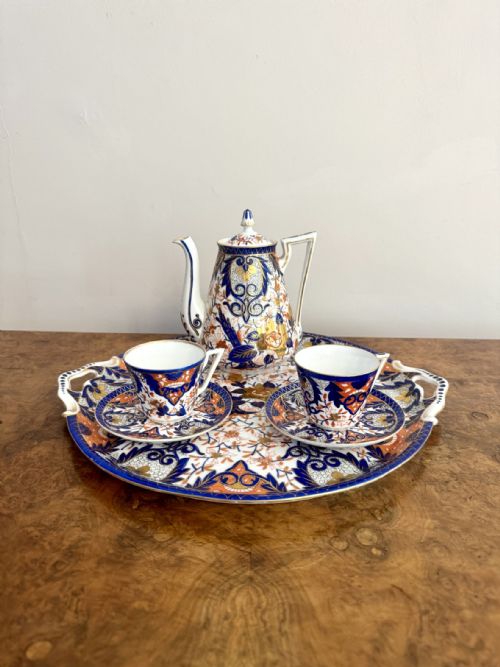
Vintage porcelain coffee selections comprise demitasse cups, coffee cans, cabinet mugs and complete service sets designed for after-dinner drinking. Buyers searching for vintage porcelain coffee encounter items ranging from early nineteenth-century cabinet pieces to mid-century sets.
The assortment includes individual cups with saucers alongside large multi-piece services intended for six or more people. Many examples originate from English and continental European makers spanning the Victorian, Edwardian and Art Deco periods.
Formations include cylindrical coffee cans, handleless cabinet cups, and tall pots equipped with scrolling spouts. Most standard items appear alongside specialised pieces like liqueur services and silver-mounted cans.
Materials and production methods
Potters utilised hard-paste porcelain and bone china as the primary ceramic bodies for these wares. Artisans shaped these materials on wheels or pressed them into moulds before initial firing.
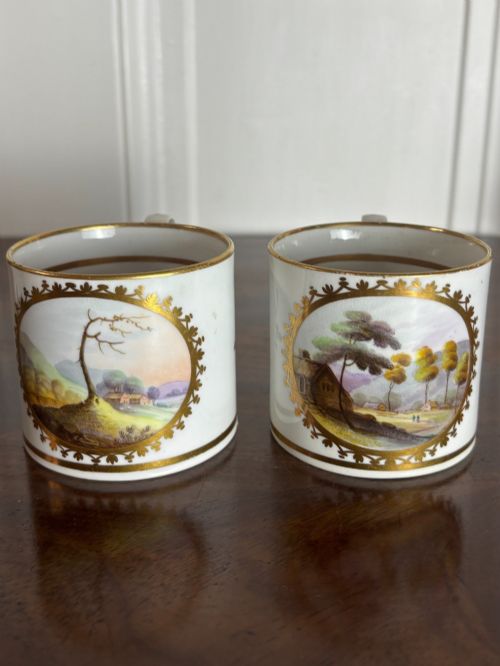
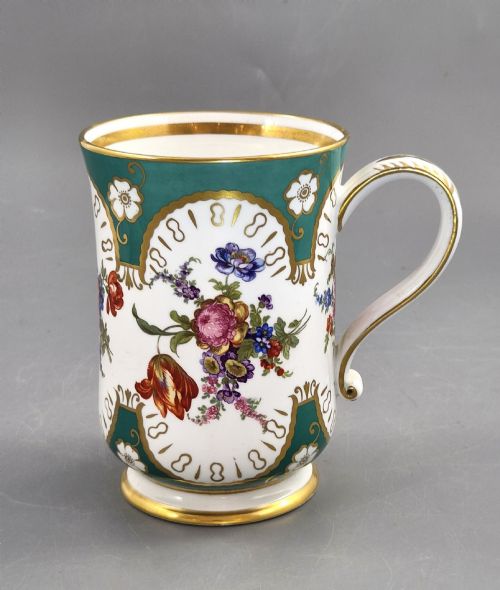
Makers applied enamel paint and hand-painted motifs directly onto the glazed surfaces, often depicting landscapes or fruit. Detail work frequently incorporated gold leaf and heavy gold gilt highlights, secured through subsequent kiln firings.
Vintage Porcelain Coffee Retail Price Guide 2026
Typical asking prices for vintage porcelain coffee among the pieces listed under this phrase on Sellingantiques today, from the lower quarter to the upper quarter. They describe what is for sale here now, not the wider market.
The inventory spans the nineteenth century through the Art Deco period, including Edwardian sets and mid-century Royal Worcester productions.
Elements of quality
Superior examples display crisp, hand-painted artwork by named artists rather than mechanical transfer printing. The precision of the gilding and the delicacy of the porcelain body distinguish finer cabinet pieces from standard utility wares.
Completeness and matched sets command higher regard than assembled groups of mixed origin. The crispness of relief moulding and the brilliance of the enamel colours remain vital across all periods.
Royal Worcester·KPM Berlin·Elkington·Shelley·Coalport·Spode Copeland·Hutschenreuther·Hadley Worcester
The Vintage Porcelain Coffee Glossary
- Coffee can
- A straight-sided cylindrical cup without a foot ring, made specifically for serving strong coffee during the nineteenth century.
- Demitasse
- A small cup used for serving espresso or Turkish coffee, typically accompanied by a matching saucer.
- Hard-paste porcelain
- A dense, vitrified ceramic compound fired at very high temperatures, prized for its durability and bright white body.
- Gold gilt
- A thin layer of gold applied to the surface of porcelain for decorative effect. It adds a reflective finish to rims and handles.
- Enamel paint
- Vitreous pigments fused to the glazed surface of porcelain during firing. This technique produces permanent, vibrant colours on decorative vessels.
Vintage Porcelain Coffee: Frequently Asked Questions
How do I use a coffee can?
These cylindrical vessels suit a measured measure of strong coffee or espresso after a meal. Their narrow profiles help retain heat while the substantial handle allows a secure grip.
Wash them by hand rather than placing them in a machine to protect the delicate enamel and gold leaf. Store them safely in a cabinet when not in active use.
What is a demitasse cup?
A demitasse is a small vessel designed for concentrated coffee, holding significantly less liquid than a standard breakfast cup. They often appear paired with matching saucers and delicate spoons.
Collectors display them in cabinets due to their intricate hand-painted designs and cabinet-grade artistry. They function well for serving after-dinner espresso to guests.
How do I date antique porcelain?
Examine the base for maker marks, registration numbers, and impressed ciphers that correspond to factory archives. The style of the handle and the painting technique also offer clues to the decade of manufacture.
Compare the ceramic body and glaze characteristics against known examples from periods like the Victorian era or Art Deco years. Subtle variations in the weight and translucency of the paste help confirm the age.
Are these sets safe for daily use?
Many of these pieces were made for display or occasional service rather than robust daily dining. Antique glazes and gold leaf can wear down under frequent washing and hot liquids.
Treat them as special occasion items to preserve their painted landscapes and gilded borders. Hand washing with mild soap keeps the surfaces intact for years to come.