



Vintage Porcelain Basket
A vintage porcelain basket brings delicate craftsmanship and floral charm to a room, offering an intricate centrepiece for floral arrangements or display.
Vintage Porcelain Basket
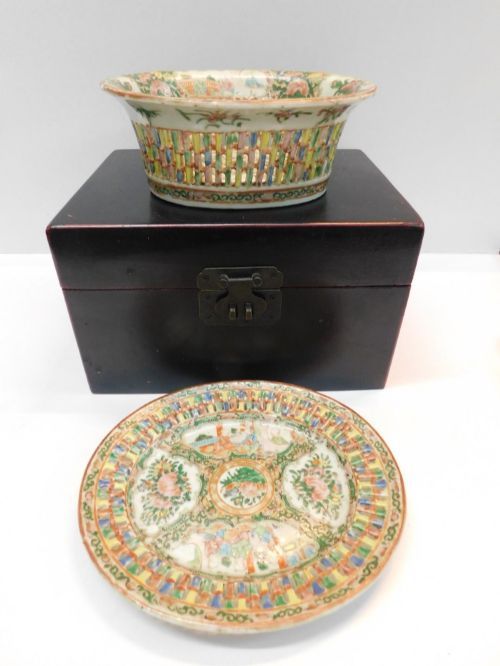
When you search for a vintage porcelain basket, you encounter a variety of decorative vessels originating from the nineteenth and early twentieth centuries. These pieces span European factories and Chinese kilns, incorporating forms like reticulated chestnut baskets, figural groups carrying baskets, and decorative centrepieces. Victorian examples share space with Edwardian designs and Qing Dynasty ceramics.
The most common iterations on this page include nineteenth-century decorative baskets, figural porcelain pieces featuring baskets, and centrepieces shaped for floral display. Makers such as Royal Dux, Royal Worcester, and Sitzendorf dominate the selection with modelled figures and intricate openwork. Such vessels reflect both ornamental domestic traditions and technical ambition across diverse periods.
How they were made
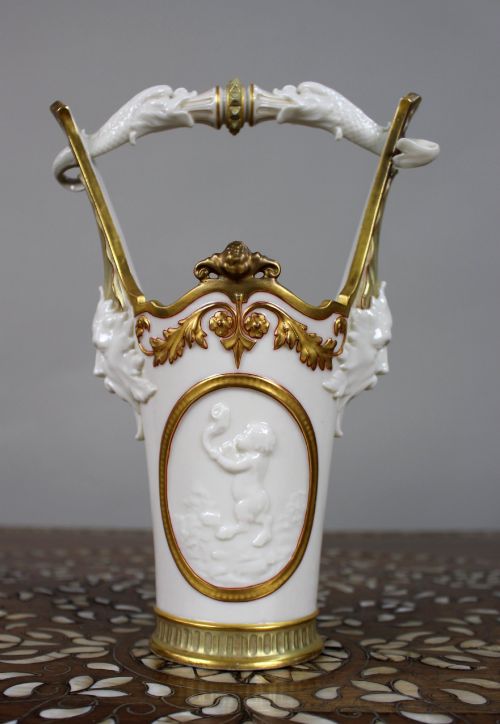
Makers shaped these vessels using porcelain and ceramic bodies, often applying detailed glazes and overglaze enamel painting. Many baskets feature reticulated or pierced walls formed while the clay was still pliable, requiring skilled handling to avoid distortion during firing. Gilding, gold leaf, and enamel highlights were then added by hand before a final fixation in the kiln.
Vintage Porcelain Basket Retail Price Guide 2026
Typical asking prices for vintage porcelain basket among the pieces listed under this phrase on Sellingantiques today, from the lower quarter to the upper quarter. They describe what is for sale here now, not the wider market.
Puppies and kittens frequently find themselves carried by porcelain figures in these antique baskets.
What varies in quality
Quality in these ceramics rests on the crispness of the moulding and the precision of the hand-painted enamel work. Superior examples display sharply defined reticulation, clean pierced apertures, and carefully modelled applied flowers without clumsy excess glaze. The finesse of the brushwork on figures and floral surfaces distinguishes standard production from finer exhibition pieces.
The complexity of the form also dictates the tier of the piece, with multi-figure groupings and pierced openwork baskets demanding greater technical mastery than simpler vessels. Preservation of delicate applied elements, such as fragile porcelain petals and basket handles, influences the integrity of the object. Weight, balance, and the subtlety of the gilding further separate workshop output from major factory achievements.
Royal Worcester·Royal Dux·Sitzendorf·Royal Doulton·Meissen
The Vintage Porcelain Basket Glossary
- Reticulated
- Pierced or openwork patterning cut into the clay before firing. This technique creates a woven basket effect or intricate geometric lattice walls.
- Overglaze enamel
- Pigments applied on top of a fired and glazed porcelain surface, then fired again at a lower temperature to fuse the colours.
- Gilding
- The application of gold leaf or gold powder onto the porcelain surface for decorative highlights and borders.
- Figural
- Compositions that incorporate human or animal figures as the primary structure or support for a vessel like a basket.
- Centrepiece
- A large, decorative ornamental piece designed to sit in the middle of a table, often holding flowers or fruit.
Vintage Porcelain Basket: Frequently Asked Questions
How were porcelain baskets used?
These vessels served primarily as ornamental centrepieces on dining tables, mantelpieces, or sideboards during the Victorian and Edwardian periods. Many held fresh flowers, fruit, or sweetmeats for formal gatherings.
Over time, their function shifted toward purely decorative display, appreciated for their intricate modelled details and painted surfaces.
How do I date a porcelain basket?
Dating relies on maker marks stamped or painted on the base, combined with stylistic indicators from periods like the Victorian era or Art Nouveau. Examining the type of glaze and the method of hand-painting also helps narrow the decade of production.
Comparison with documented factory patterns provides a more precise window of origin for marked pieces.
Are figural baskets common?
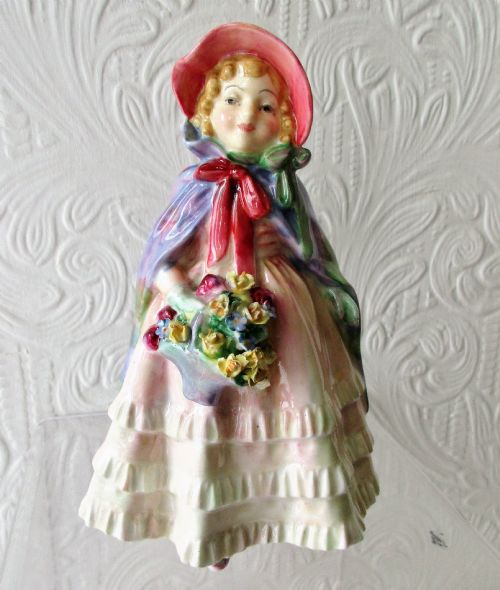
Figural pieces depicting gardeners, children, or cherubs carrying baskets appear frequently in nineteenth and early twentieth-century European porcelain. Factories like Royal Dux and Sitzendorf specialised in these sculptural compositions.
The figures add narrative charm and technical complexity to the standard vessel form.
How should I clean porcelain baskets?
Dusting gently with a soft, dry brush is the safest method for preserving delicate applied flowers and intricate reticulation. Avoid harsh cleaning agents or submerging pieces with old gilding or overglaze enamel in water.
Careful handling prevents accidental damage to fragile openwork handles and protruding painted elements.