





Vintage Pocket Pistols
These vintage pocket pistols are compact antique arms designed for personal defence, offering a tangible connection to nineteenth-century history and craftsmanship.
Vintage Pocket Pistols
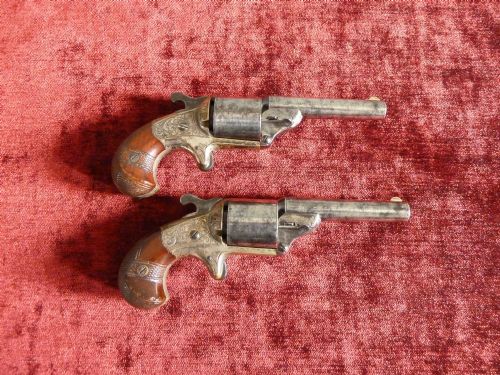
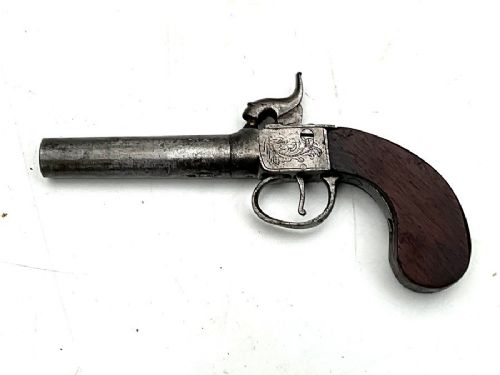
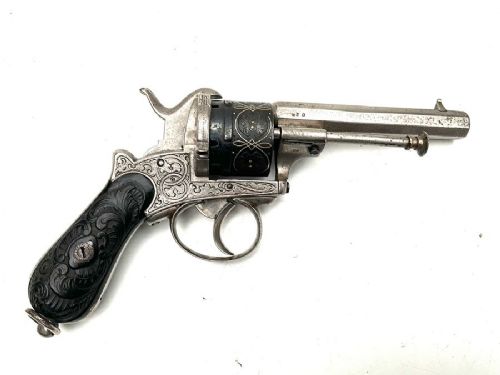
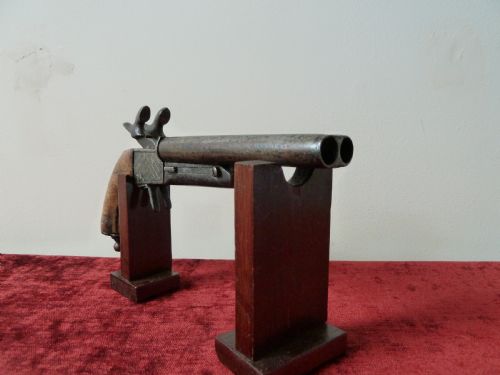
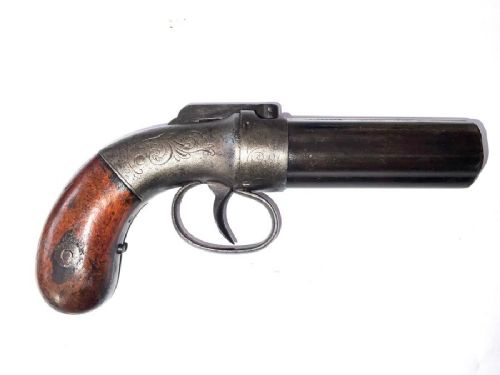
When you search for vintage pocket pistols, you encounter a range of small firearms originating from the eighteenth and nineteenth centuries. These pieces encompass flintlock, percussion, pinfire, and rimfire mechanisms intended for discreet carriage by gentlemen or officers.
Examples vary from simple wooden-gripped sidearms to cased sets complete with accessories. They serve as historical artefacts of early personal defence and mechanical ingenuity.
Materials and construction methods
Makers built these firearms using durable metals such as steel, iron, and brass for barrels and actions, ensuring structural integrity under tension. Cannon barrels and box-lock frames were frequently cast or forged as single units to withstand explosive charges.
Stocks and grips utilise dense hardwoods including walnut and ebony, shaped to fit the hand securely. Some pieces incorporate silver mounts or velvet linings within fitted storage boxes to protect the metal components.
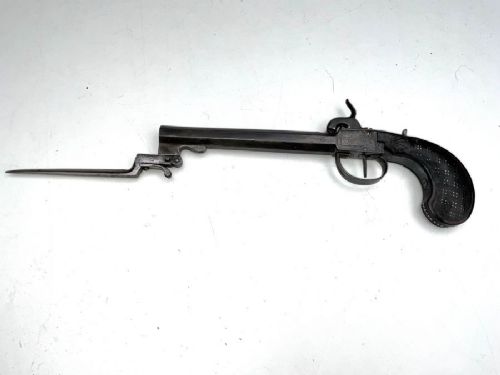
Some nineteenth-century travellers relied on folding bayonets attached beneath pocket pistols, ensuring a sharp backup plan when the gunpowder ran dry.
Factors that define quality
The distinction between standard utility arms and exceptional pieces lies in the precision of the mechanical action and the crispness of any engraving. High-grade items often demonstrate superior metal finishing and balanced proportions that reflect the standing of their original owner.
Makers who incorporated integrated accessories, concealed triggers, or specialised folding bayonets achieved greater complexity in their design. The presence of matching numbered parts and original fitted cases further elevates the standing of a piece within its period.
Allen & Thurber·Auguste Francotte·Meyer & Mortimer·Colt
The Vintage Pocket Pistols Glossary
- Flintlock
- An ignition mechanism utilising a flint held in a cock to strike a steel frizzen, creating sparks to ignite the powder charge. This system predates percussion caps and defines many eighteenth-century pieces.
- Percussion cap
- A small metal cup containing priming compound placed on a nipple, struck by the hammer to fire the weapon. This nineteenth-century innovation replaced the flintlock for greater reliability in damp weather.
- Pepperbox revolver
- A multi-barrel firearm where the entire cylinder rotates with each shot, eliminating the need for a separate barrel. These compact designs were popular for close-range defence.
- Pinfire
- An early self-contained cartridge system where a small pin protrudes radially from the base of the cartridge to be struck by the hammer. It represents a key transitional phase in nineteenth-century ammunition development.
- Rimfire
- A metallic cartridge where the priming mixture is located inside the hollow rim of the casing. The hammer strikes the edge of the rim to detonate the charge.
Vintage Pocket Pistols: Frequently Asked Questions
How do I identify the firing mechanism?
Examine the ignition area near the rear of the barrel where the hammer strikes. Flintlocks use a striking flint and steel frizzen, whereas percussion pistols employ a small nipple that receives a cap.
Later Victorian specimens utilise revolving cylinders or internal cartridges such as pinfire and rimfire systems. Each mechanism corresponds to distinct technological periods spanning the eighteenth and nineteenth centuries.
Were these pistols used for military or civilian defence?
These firearms served both civilian travellers and military officers who required concealable protection. Overcoat pistols and belt pistols were specifically designed to be carried discretely on the person.
Some specialised variants were issued to mail coach inspectors or officers during the nineteenth century. Their compact size made them suitable for carriage in pockets or holsters.
How should I store a wooden and metal antique?
Keep these items in a stable environment away from excessive humidity and direct sunlight to protect the wooden grips and metal surfaces. Maintaining consistent temperature prevents the timber from shrinking or cracking.
Apply a light microcrystalline wax or appropriate oil to steel components to prevent oxidation. Velvet-lined boxes should be kept dry to preserve the fabric and interior padding.