
Vintage Platinum Gold Ring
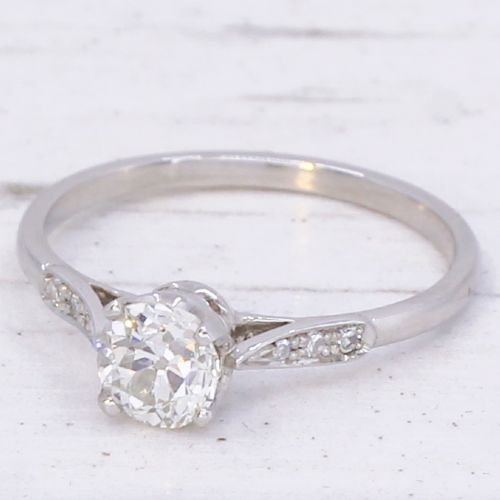
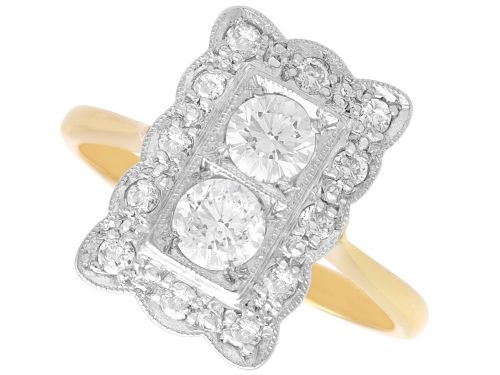
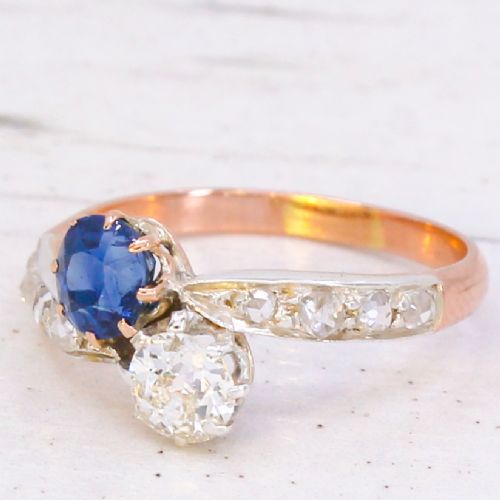
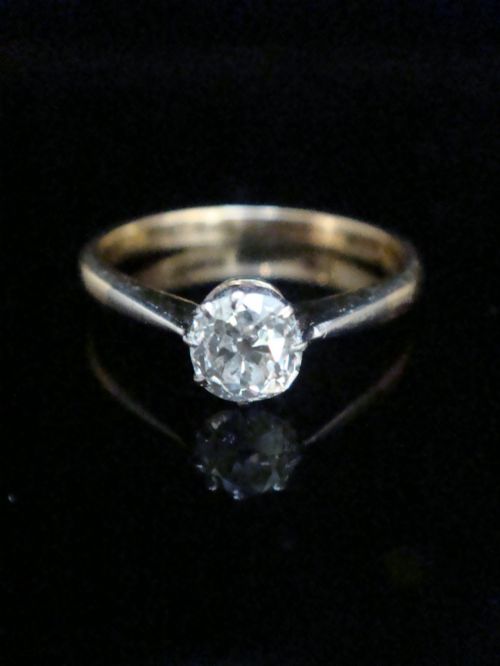
A vintage platinum gold ring brings together the crisp white of precious metal and the enduring weight of yellow gold, holding diamonds shaped by hand.
Vintage Platinum Gold Ring
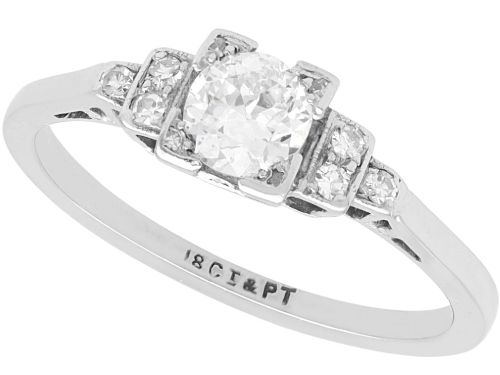
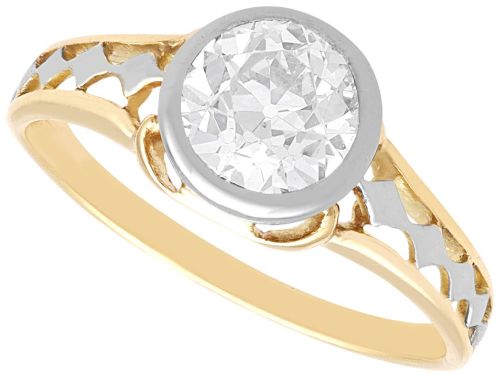
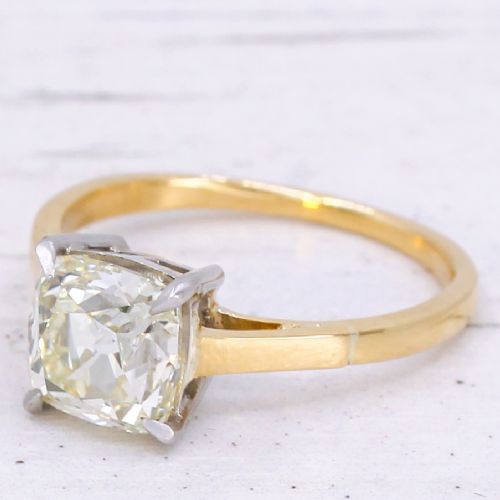
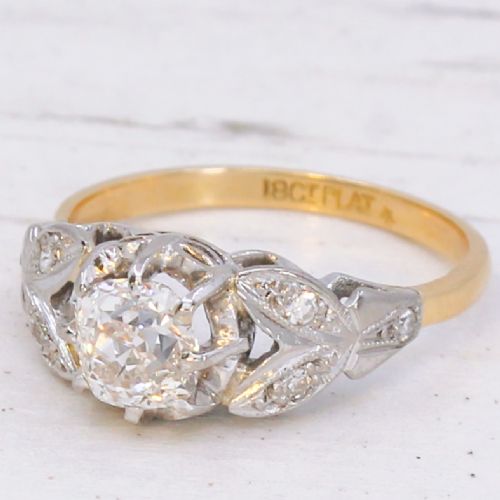
A vintage platinum gold ring combines two distinct metals, typically uniting a platinum setting on top with an 18ct yellow or white gold shank below. This dual-metal construction was favoured across the Edwardian era, the 1920s Art Deco period, and into the mid-century decades for its combination of durability and warmth.
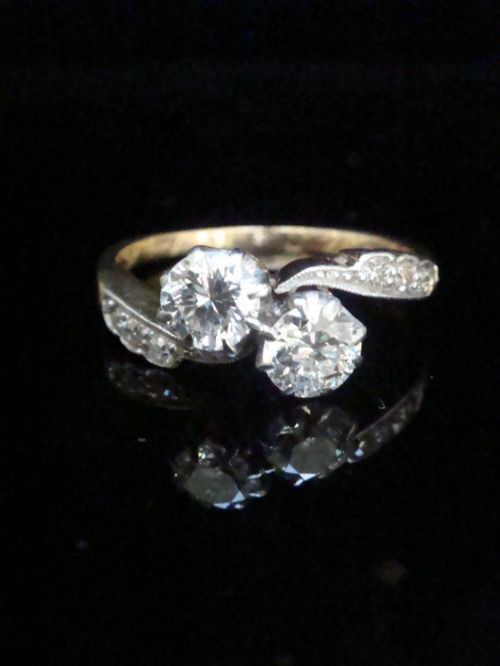
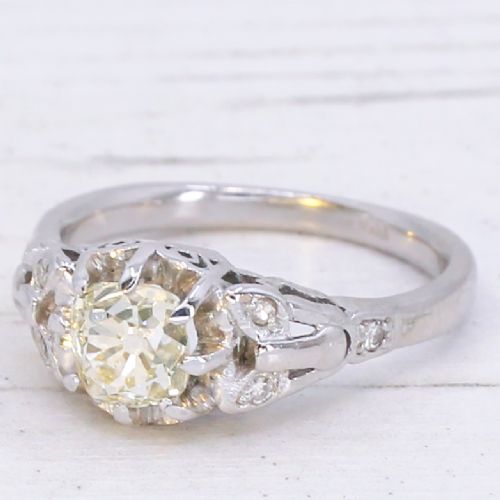
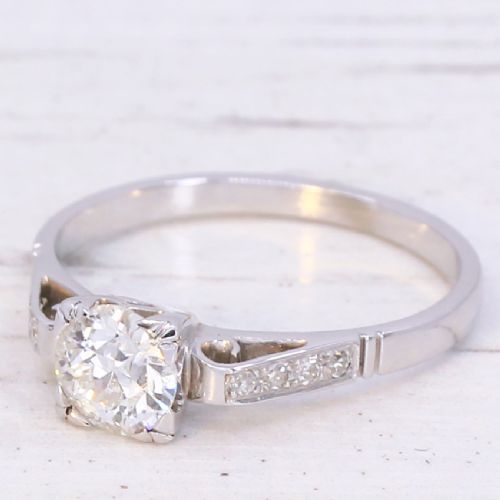
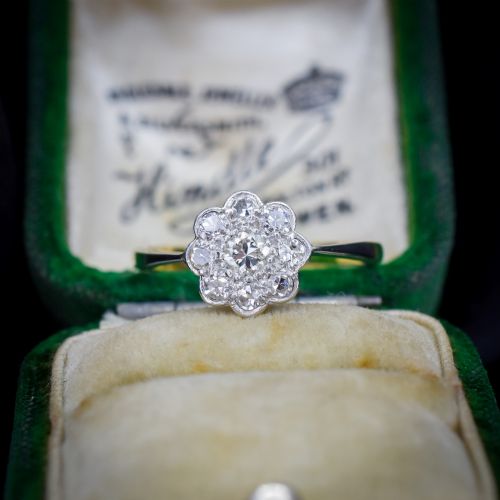
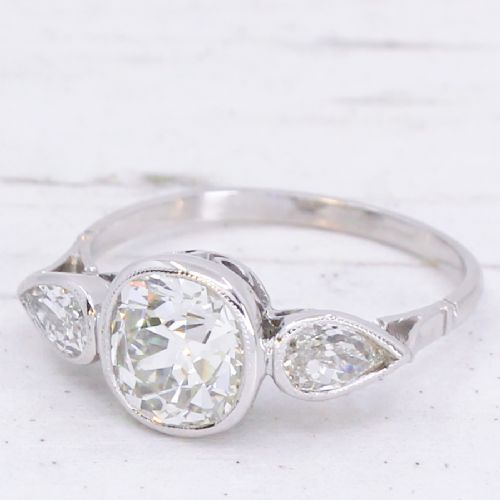
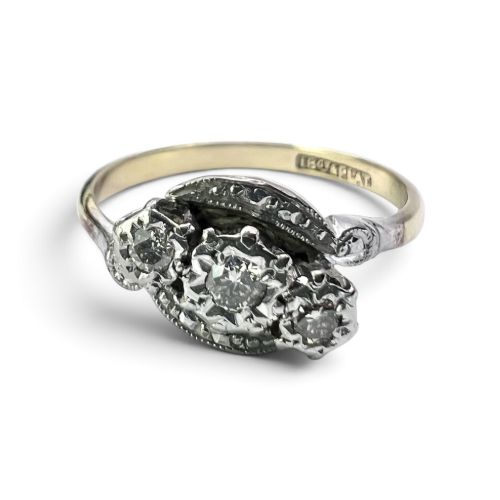
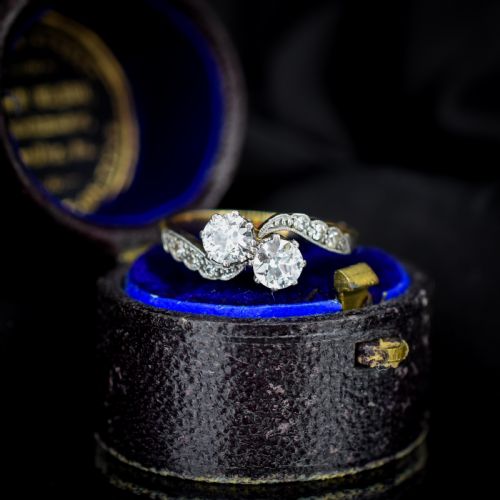
Buyers encounter classic configurations ranging from old cut diamond solitaires and multi-stone trilogy designs to intricate daisy clusters and romantic Toi Et Moi twist rings. Accents of emerald, ruby, sapphire, and natural pearl frequently punctuate these precious frameworks.
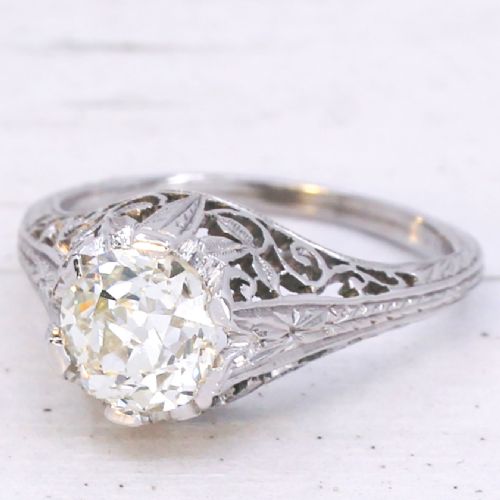
The aesthetic shifts from delicate Edwardian filigree and geometric Art Deco lines to bolder mid-century forms. Each piece reflects the dominant decorative grammar of its respective decade while maintaining the signature platinum-topped gold foundation.
How they were made
Craftsmen utilised platinum primarily for the top claws and bezels holding the stones, taking advantage of its strength to secure gems with minimal metal. The lower shanks were commonly formed from 18ct yellow or white gold, soldered or cast to provide structural support and a warm contrast to the bright white metal above.
Diamonds within these pieces were cut by hand, predominantly featuring old European, old cushion, or old pear cuts with characteristic high crowns and small tables. These stones were then bead-set, millegrain-edged, or flush-fitted into the platinum surface by hand tools.
Some Edwardian rings hid tiny natural pearls alongside old cut diamonds, creating miniature floral clusters designed to dance on the hand.
What varies in quality
Quality rests in the harmony of the proportions and the precision of the hand-formed metalwork. Superior examples display crisp millegrain edges, evenly matched diamond facets, and secure integration between the platinum head and the gold band.
The character and cutting style of the central gems dictate much of the distinction at this level. Hand-cut stones with lively light return and well-balanced coloured gems like Colombian emeralds or Burmese rubies elevate a piece above standard commercial output.
The Vintage Platinum Gold Ring Glossary
- Old European Cut
- A brilliant-cut diamond shape popular from the late nineteenth century through the Art Deco period, distinguished by a small table, high crown, and open culet. These stones display chunky facets that catch candlelight uniquely.
- Millegrain
- A decorative technique featuring a row of tiny, raised metal beads along the edges of a setting, common in Edwardian and Art Deco jewellery. It creates a soft, textured border that frames the stones.
- Trilogy Ring
- A setting comprising three stones arranged in a row, often interpreted to represent the past, present, and future. In these listings, they are typically set with graduated or matching old cut diamonds.
- Navette
- A boat-shaped ring setting that tapers to points at either end, designed to sit long along the finger. This geometry allowed makers to cluster smaller diamonds into an expansive visual footprint.
Vintage Platinum Gold Ring: Frequently Asked Questions
How do I care for a mixed metal ring?
Clean these rings gently using warm soapy water and a soft brush to remove everyday oils without disturbing the old cut stones.
Avoid harsh chemical dips because platinum and gold react differently, and take the piece to a specialist who understands antique settings for periodic claw checks.
Can these engagement rings be resized easily?
Resizing depends largely on the construction of the shank and the presence of shoulder stones or engraving. A skilled bench jeweller can usually alter 18ct gold bands safely.
Care must be taken near the platinum head to ensure the structural integrity of the setting remains undisturbed during the process.
Why use platinum on top of gold?
Makers used platinum for the top settings because its bright white colour enhanced the appearance of diamonds without imparting yellow reflections. The gold shank provided traditional warmth and structural resilience underneath.
This pairing solved the technical challenge of securing white stones securely before white gold alloys became widespread.
How do I date an Edwardian ring?
Look for light, lacy platinum-topped gold work featuring delicate pierced galleries and intricate millegrain detailing. Motifs often include ribbons, garlands, and floral cluster arrangements.
Hand-cut diamonds with open culets and natural pearls further point toward the aesthetic of the early twentieth century.