

Vintage Planters
These vintage planters span polished brass coal buckets to weathered terracotta troughs, offering distinct character for indoor greenery and garden displays.
Vintage Planters
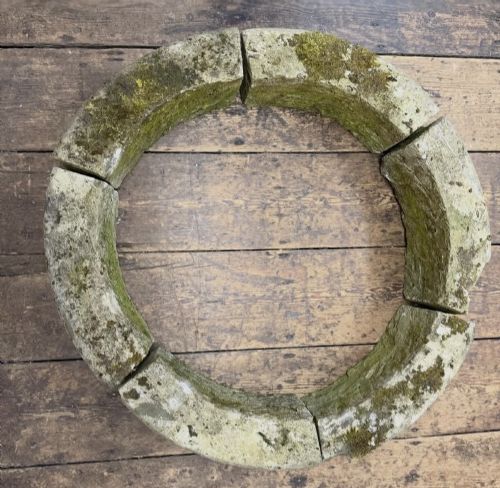
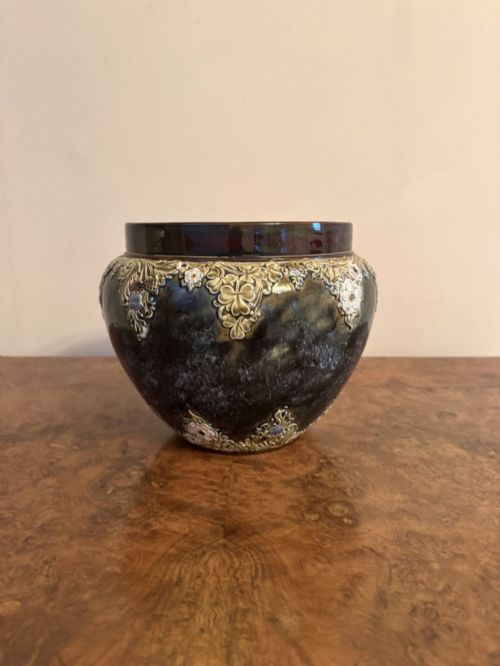
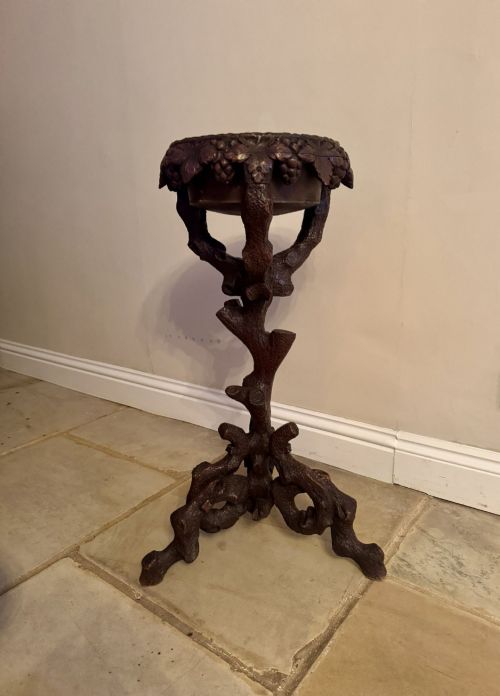
When searching for vintage planters, buyers encounter a diverse selection of vessels designed to house foliage both inside and outdoors. The forms range from indoor jardinieres and plant stands to robust stone troughs and copper pots originating across the nineteenth and early twentieth centuries.
The most common examples on this page reflect Victorian and Edwardian domestic tastes alongside utilitarian garden wares. Pieces bridge decorative interior items like porcelain-plaqued jardiniere stands and practical outdoor accents such as salt-glazed stoneware and weathered terracotta.
Origin and period heavily dictate the character of each piece, drawing from French chateau aesthetics, Arts and Crafts ceramics, and industrial ironwork. Buyers select these items to integrate historic craftsmanship into modern planting schemes.
Materials and construction methods
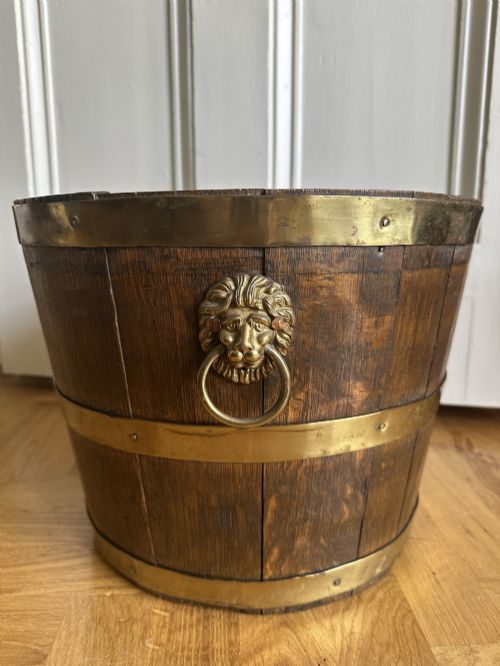
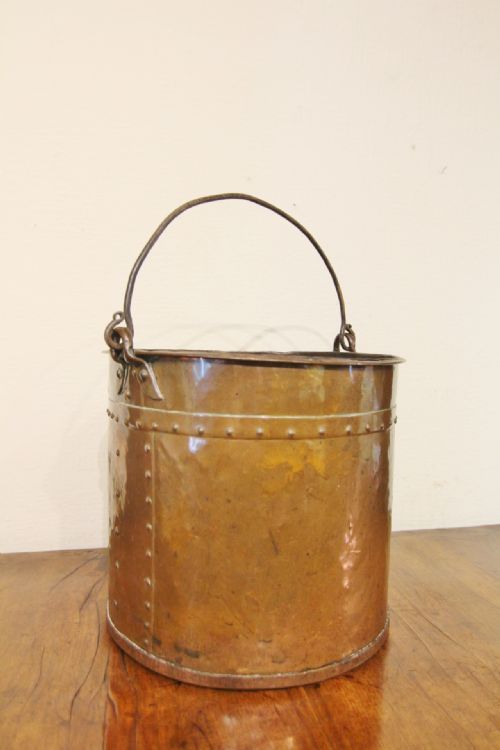
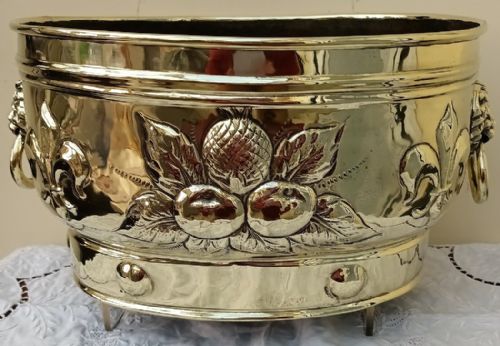
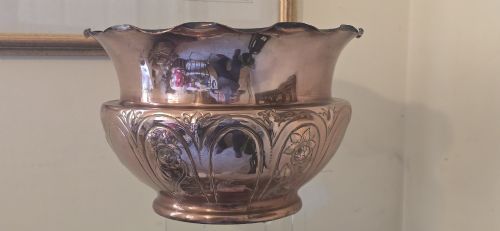
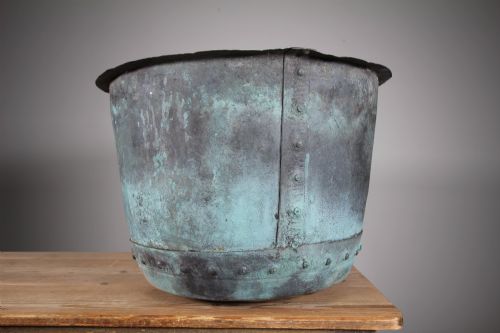
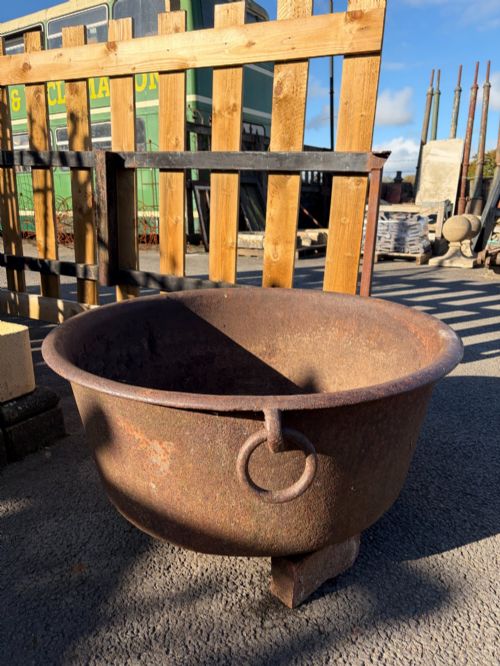
Metals form a major share of the construction, employing hand-beaten copper, riveted brass, and cast iron. Artisans shaped these through panel beating, strapwork assembly, and detailed ormolu mounts to create durable vessels that could withstand moisture.
Ceramics and stone represent traditional kiln and mason work, utilising salt-glazed earthenware, majolica, and carved granite or sandstone. These materials relied on high-temperature firing or manual chisel work, resulting in heavy, porous walls suited for soil and plants.
Vintage Planters Retail Price Guide 2026
Typical asking prices for vintage planters among the pieces listed under this phrase on Sellingantiques today, from the lower quarter to the upper quarter. They describe what is for sale here now, not the wider market.
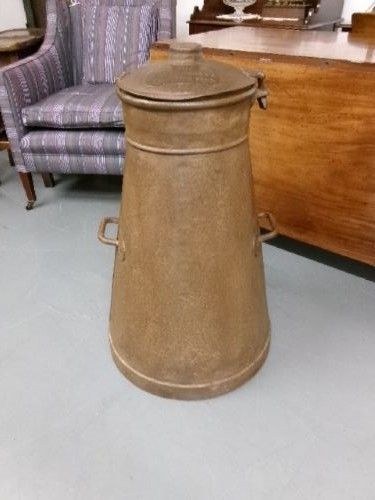
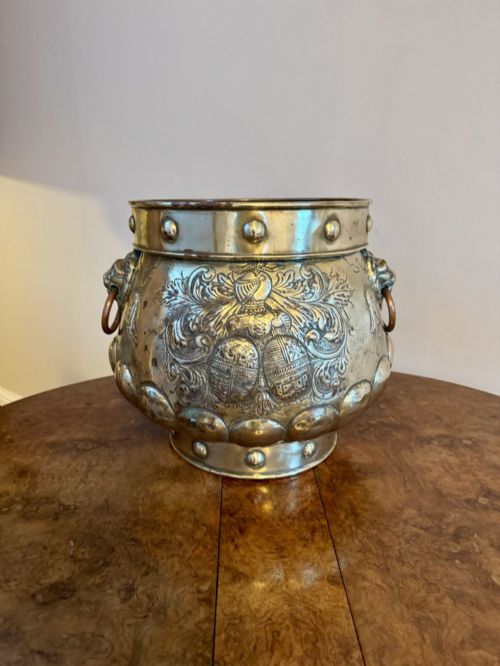
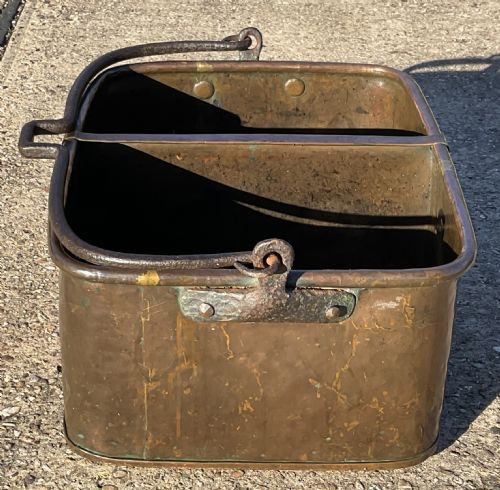
Several historical utility items, including coal buckets and dairy salting crocks, now find new life holding ferns.
Factors determining quality
Quality separates through the integrity of the material thickness and the precision of decorative metal mounts or hand-carved details. Heavy-gauge copper and crisp casting in brass or iron indicate superior manufacture compared to thinner, pressed alternatives.
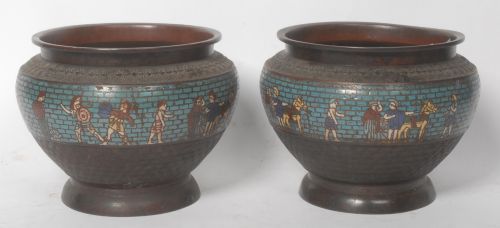
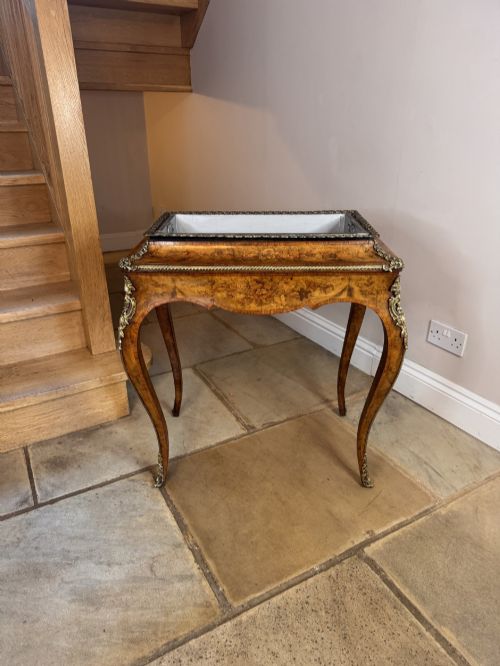
Artistic execution also defines the upper tier, seen in integrated porcelain plaques, champleve enamel work, and deliberate inlay on cabinet timbers like mahogany and kingwood. Retaining original paint surfaces and structural hardware preserves the authenticity of the piece.
Royal Doulton·Moorcroft·Coalbrookdale·Guichard Carries
The Vintage Planters Glossary
- Jardiniere
- An ornamental pot or stand designed to hold a plant or flower arrangement, often manufactured in ceramic, brass, or copper.
- Salt glaze
- A glassy, translucent coating formed by throwing common salt into the kiln during high-temperature firing of earthenware or stoneware.
- Strapwork
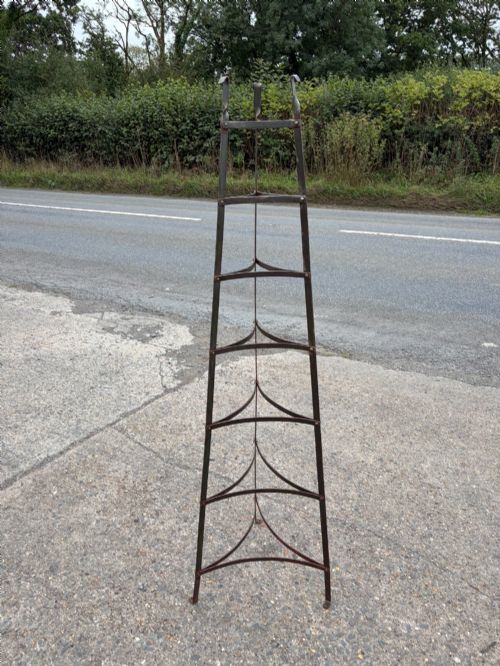
- Flat strips of metal arranged in geometric patterns to reinforce or decorate structural forms like hanging baskets and coal buckets.
- Ormolu
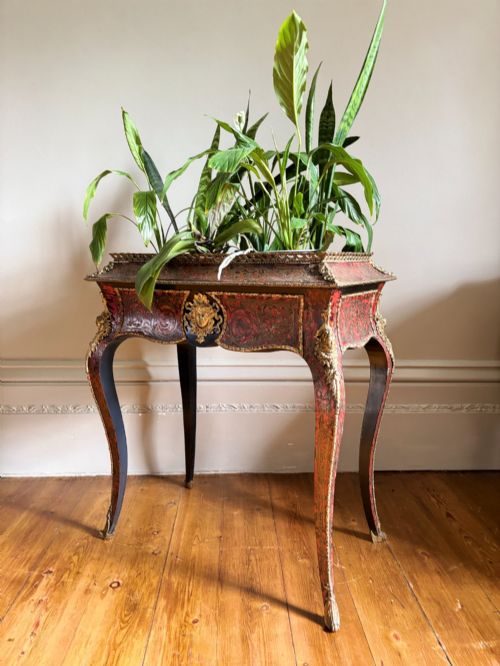
- Finely ground high-carat gold cast and chased onto an underlying bronze base, frequently utilised for decorative mounts on French furniture and planters.
Vintage Planters: Frequently Asked Questions
How do I care for antique metal planters?
Metal vessels require gentle cleaning to preserve their historic patination rather than aggressive polishing that strips character. Lining them with a modern plastic pot prevents direct contact with wet soil and protects the interior metal from accelerated corrosion.
Keeping brass and copper dry when not in active use stops the formation of active green verdigris. Regular dusting with a soft cloth maintains the surface sheen of nineteenth-century decorative finishes.
Can these historic troughs stay outside in winter?
Granite and sandstone troughs withstand freezing temperatures because of their dense, non-porous composition. Terracotta and salt-glazed items demand more caution, as trapped moisture can expand and crack older fired clay during hard frosts.
Moving vulnerable ceramic and earthenware vessels under shelter during freezing months ensures they survive intact. Raising stone and terracotta off damp ground using small pot feet also prevents moisture absorption from below.
What is the difference between a jardiniere and a planter?
A jardiniere typically denotes a decorative decorative indoor receptacle designed to sit on a table, floor, or dedicated pedestal stand. Planters encompass a broader category that includes heavy-duty outdoor garden vessels, troughs, and utility pots.
Indoor jardinieres frequently feature delicate elements like porcelain plaques or gilded mounts unsuited to weather exposure. Outdoor planters prioritize rugged materials such as cast iron, heavy copper, and weathered stone.
How do I identify Edwardian plant stands?
Edwardian plant stands commonly feature inlaid mahogany, satinwood stringing, and slender cabriole or tapered legs. Their design reflects a lighter aesthetic compared to earlier heavy Victorian furnishings, often incorporating galleried tops.
Construction details like hand-cut dovetails and period joinery help confirm the early twentieth-century date. Many examples integrate fretwork or undertier shelves designed for display rather than heavy structural loads.