





Vintage Place Card Stand
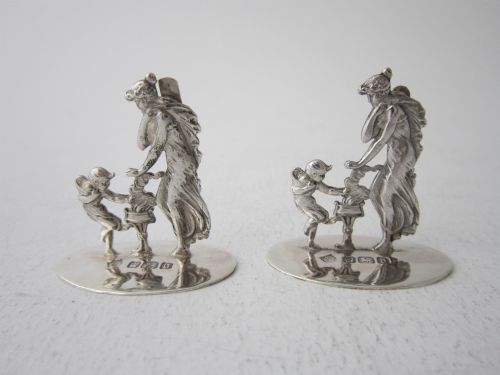
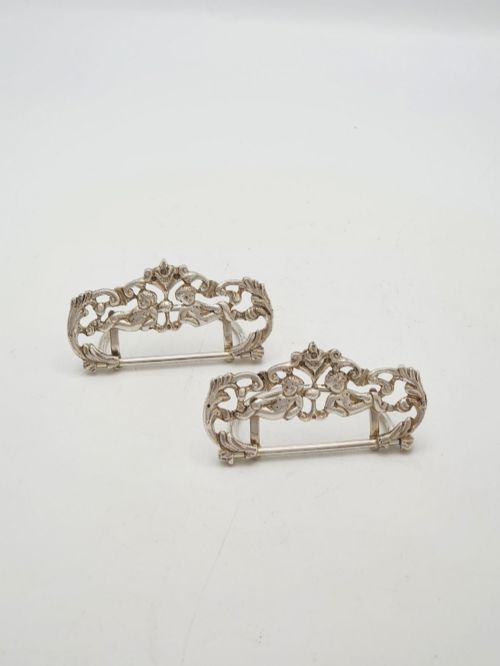
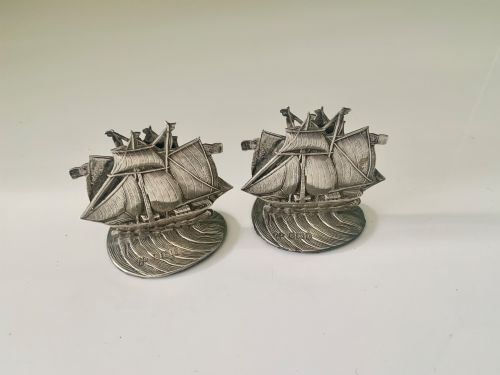
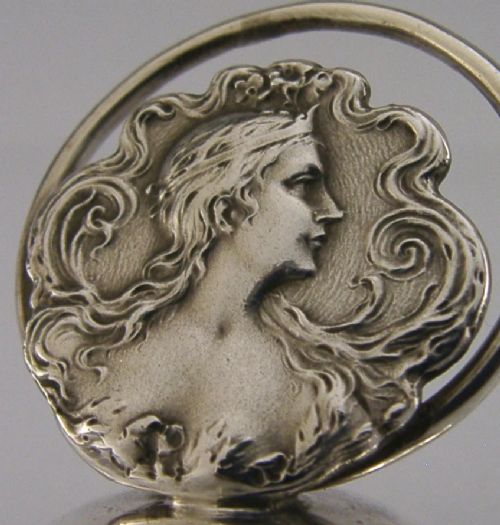
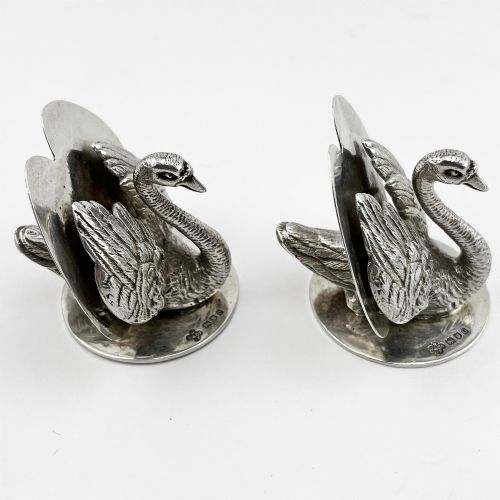
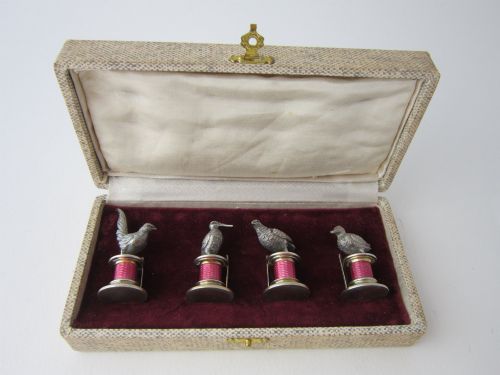
These vintage place card stand pieces anchor a formal dining table with miniature silver figures, animal forms, and delicate enamel work.
Vintage Place Card Stand
When you search for a vintage place card stand, you encounter small table accessories designed to hold paper place cards or menus during formal meals. The selections span Edwardian, Victorian, and Art Deco periods, encompassing both individual holders and matched sets.
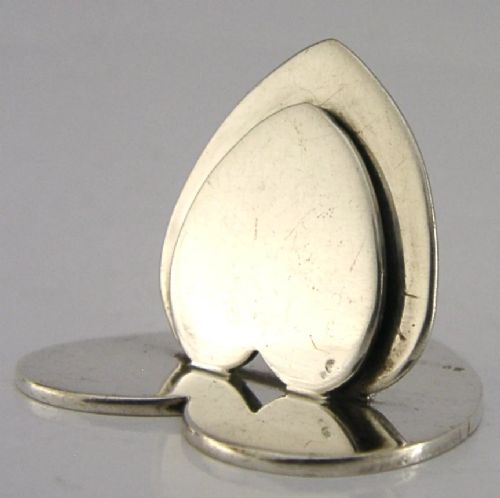
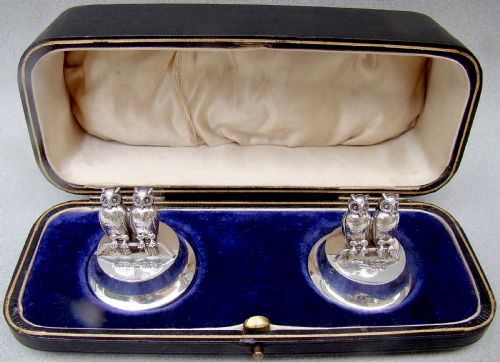
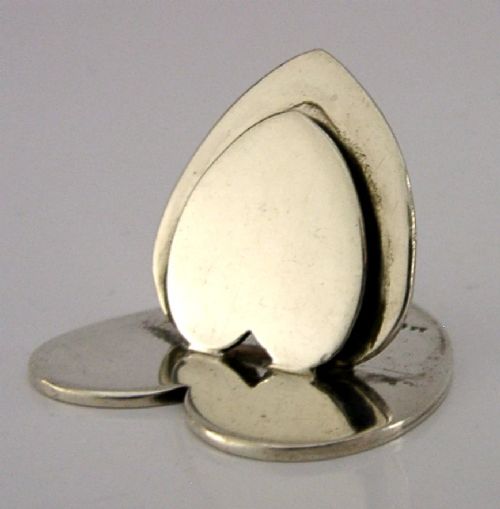
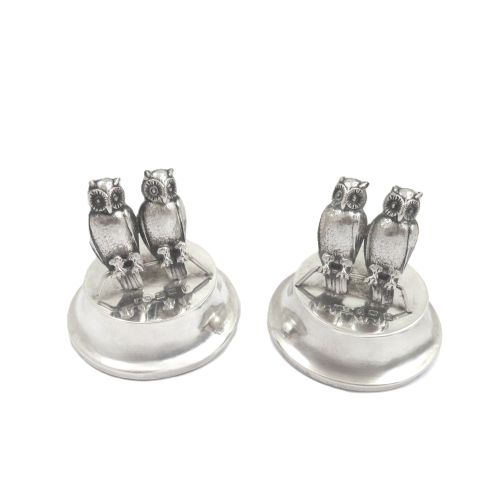
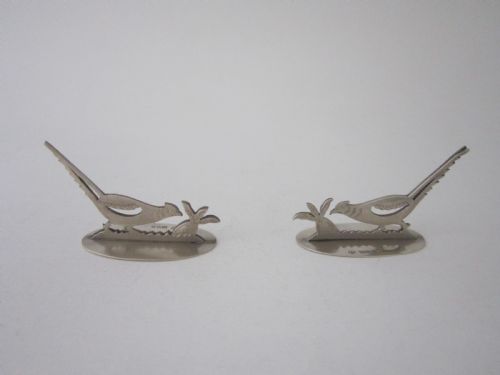
You are most likely to meet Edwardian and 1930s sterling silver examples shaped as animals, birds, or symbolic figures. These range from single love hearts and cherubs to complete sets of four or more animal figures.
How they were made
Silversmiths utilised sterling silver and silver plate, frequently incorporating guilloche enamel, velvet, silk, and leather components into the construction. Metal casting and hand chasing produced the detailed forms of animals, birds, and figural subjects.
Makers applied vitreous enamel in opaque and translucent layers over engine-turned silver surfaces to create colourful flags, crests, and decorative backgrounds. Bases often integrated weighted interior materials or fitted display cases lined with velvet and silk.
Vintage Place Card Stand Retail Price Guide 2026
Typical asking prices for vintage place card stand among the pieces listed under this phrase on Sellingantiques today, from the lower quarter to the upper quarter. They describe what is for sale here now, not the wider market.
Dinners in the past featured silver owls, swans, and Alice in Wonderland characters holding the menu.
What varies in quality
Completeness of a matched set and the presence of original fitted presentation cases elevate an assembly above loose, single items. The preservation of applied enamel without chips or hairline fractures also separates fine examples from damaged pieces.
Sampson Mordan·Levi and Salaman·A. Wilcox·Asprey
The Vintage Place Card Stand Glossary
- Guilloche enamel
- A decorative technique where transparent enamel is laid over machine-turned metal engraving. This creates a repeating geometric pattern beneath a coloured glass surface.
- Sterling silver
- An alloy consisting of silver and other metals, typically copper, standardise at a specific purity level. British pieces of this metal carry standard hallmarks denoting the assay office and date.
- Silver plate
- A base metal foundation coated with a thin layer of silver through electroplating or older manufacturing methods. Pieces of this description offer the visual appearance of solid silver at a different production standard.
- Chasing
- A metalsmithing technique where the artisan pushes metal from the front using punches and a hammer to raise relief details. This method adds texture and depth to cast silver figures.
Vintage Place Card Stand: Frequently Asked Questions
How were place card stands used?
Hosts placed these small stands beside each table setting to hold cards displaying the guest's name or the evening's menu. They organised formal dining arrangements while adding a decorative sculptural element to the table.
During multi-course meals, the holders kept menus upright for easy reading by diners. Sets were often matched to a specific theme or military unit.
How do I clean silver holders?
Dust silver and enamel components gently with a soft, dry cloth to remove surface particles. Avoid liquid silver dips when enamel is present, as chemical solutions can damage the glass surface.
Store pieces in dry conditions away from direct sunlight to protect any fitted velvet or silk box linings. Professional silver polish should be used sparingly on solid metal areas only.
Are these pieces hallmarked?
Many British silver examples carry standard hallmarks indicating the maker, assay office, and year of manufacture. These stamps help verify the period of production.
Smaller items or plated versions may bear registration numbers or simpler stamped marks instead of full hallmarks. Checking the base or back typically reveals these identifying stamps.
Can I use them today?
These accessories function effectively on modern dining tables for dinner parties, weddings, and festive gatherings. They hold standard card stock and small printed menus just as they did originally.
When not in use for dining, small sets can be displayed on a cabinet shelf or desk. Their compact size makes them straightforward to integrate into domestic interiors.