



Vintage Pink Armchairs
These vintage pink armchairs bring comfort and character to a room, spanning periods from the Victorian era to the 1930s.
Vintage Pink Armchairs
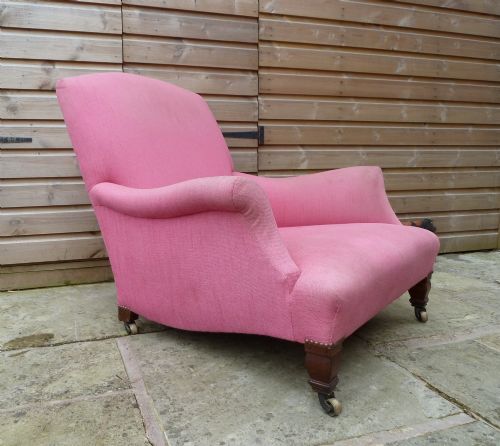
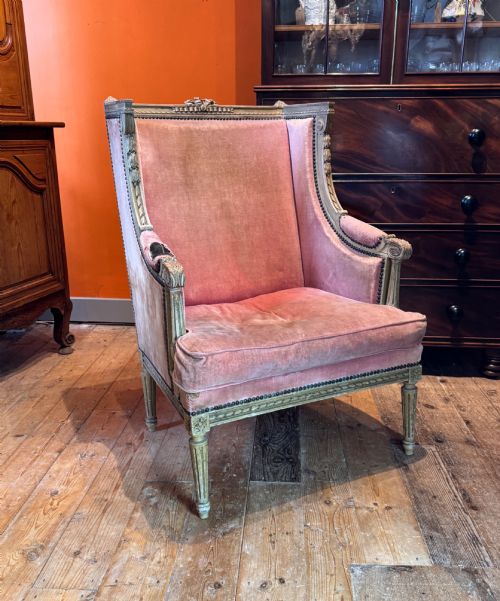
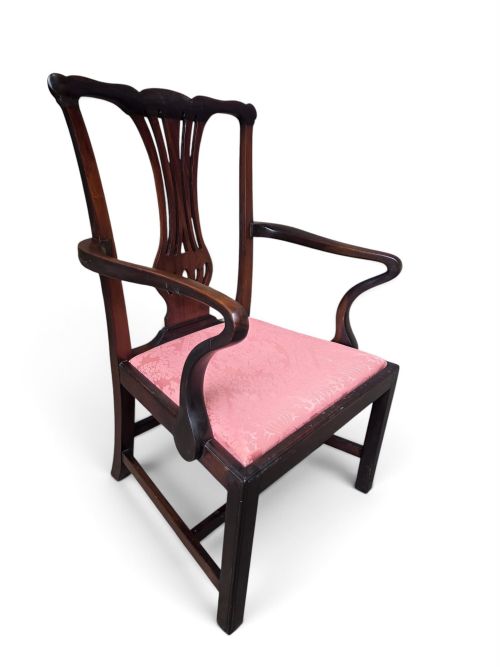
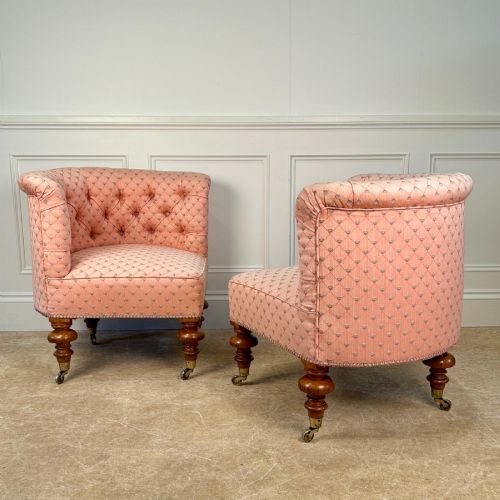
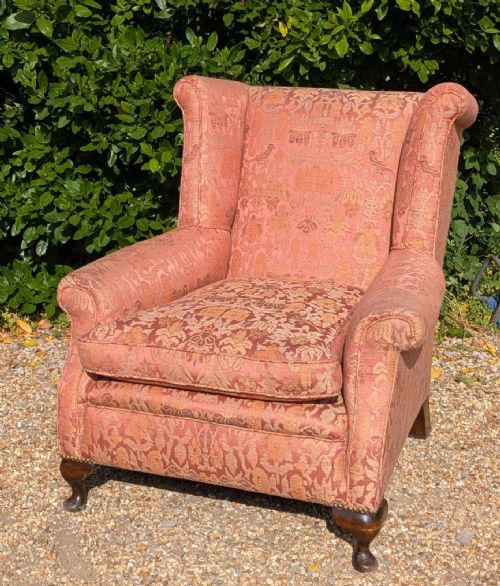
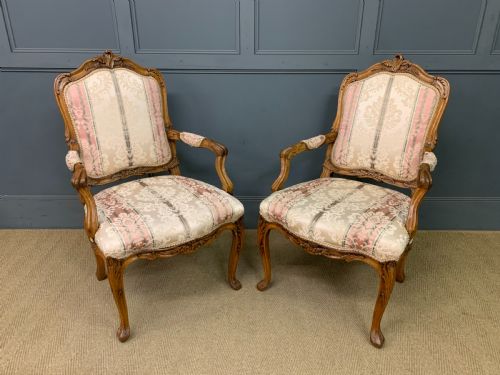
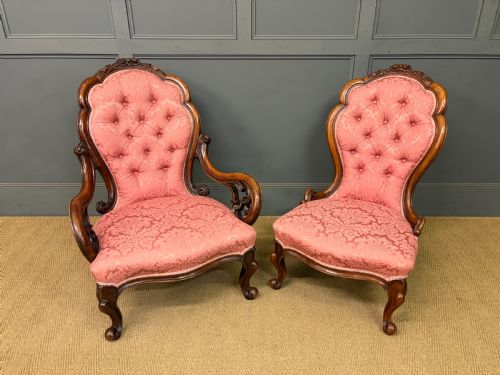
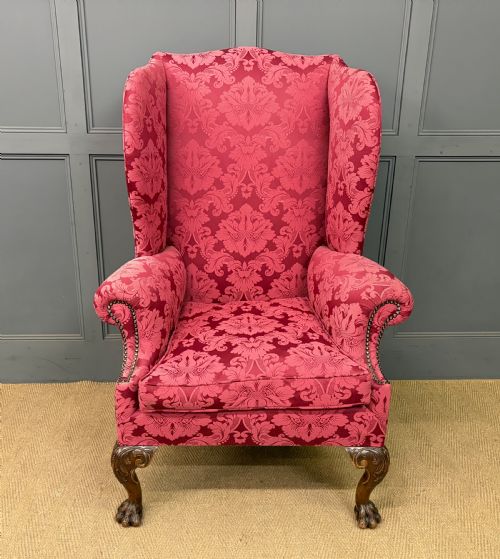
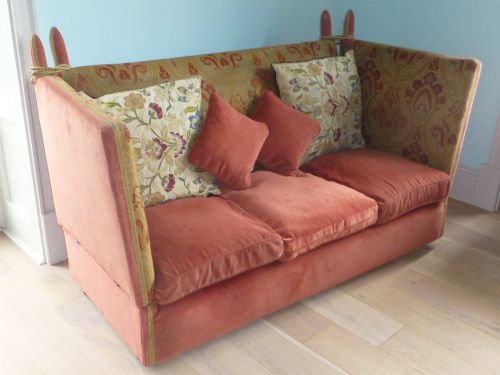
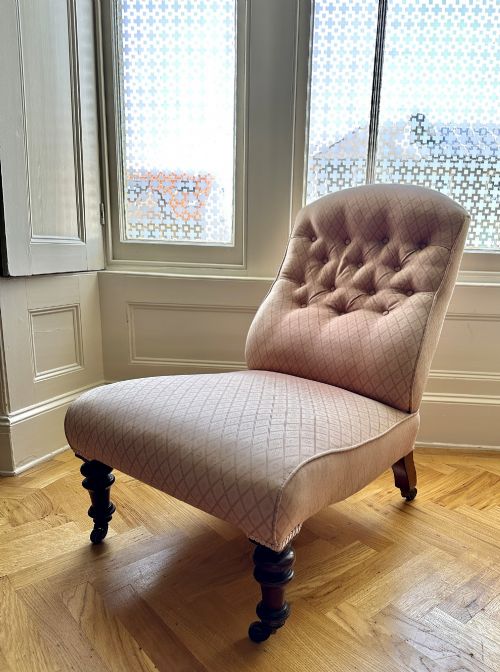
When you search for vintage pink armchairs, you encounter a varied selection of seating spanning the nineteenth century up to the 1930s. The assortment includes Victorian nursing chairs, Edwardian wing armchairs, slipper chairs, and French styles upholstered in velvet, damask, and fabric.
You are most likely to meet pieces finished in shades of pink, coral, and similar textile tones, often paired with exposed frames of mahogany, walnut, oak, or gilt wood. Formats range from low boudoir chairs to high-backed library armchairs and matching pairs.
How they were made
The frames rely on traditional cabinet timbers such as mahogany, walnut, oak, satinwood, and teak, shaped through carving, turning, and joinery. Structural support often incorporates iron or hardwood frames designed for longevity.
Upholstery techniques involve deep buttoning, feather filling, and hand-tacked textile covers in velvet, damask, and standard fabric. Exposed wood elements display original paint, gilt finishes, or polished wood surfaces.
Materials documented across the pieces include velvet, damask, brass, and satinwood.
What varies in quality
The standard of carving and timber selection dictates the distinction between ordinary production and finer workshop output. Crisp detail in wooden frames and substantial hardwood construction elevate certain examples above simpler builds.
The integrity of the original upholstery methods, whether feather filling or deep buttoning remains intact, influences the overall character. Matching pairs and pieces retaining original paint or specific top covers command greater interest from collectors.
Howard and Sons·James Shoolbred·Maple and Co·Heals of London
The Vintage Pink Armchairs Glossary
- Fauteuil
- An open-framed upholstered armchair with wooden arms originating in France. These typically feature exposed carved walnut or gilt wood.
- Bergere
- An enclosed upholstered armchair with wooden sides and a padded seat. The back and sides often incorporate cane work or fully upholstered panels.
- Slipper chair
- A low-set bedroom chair traditionally designed without arms to allow easier dressing. They sit close to the floor and feature padded backs.
- Satinwood
- A durable hardwood native to India and Sri Lanka used for fine cabinet making. It produces a lustrous, pale golden surface suited to inlay work.
- Wingback
- An armchair featuring protective side panels attached to the arms and back. This design originally deflected drafts in older houses.
Vintage Pink Armchairs: Frequently Asked Questions
How do I date an antique armchair?
Dating relies on identifying the underlying timber, framing style, and upholstery methods characteristic of periods like the Victorian era or the 1930s. Specific turnings, wood choices, and design influences offer clear chronological markers.
Examining construction marks, joinery techniques, and any surviving maker labels helps narrow down the decade of manufacture.
Are these armchairs comfortable for daily use?
Many vintage armchairs provide high levels of physical support through deep buttoning, sprung seats, and feather fillings. Their ergonomics reflect the domestic comfort standards of their respective periods.
Larger wingback and library chairs suit reading and relaxation, while lower slipper or nursing chairs offer more compact seating.
How should I clean velvet upholstery?
Velvet requires gentle brushing with the grain to maintain the pile and remove surface dust. Avoid harsh liquid cleaners that risk flattening or water-marking the fabric.
Professional textile cleaning is recommended for deeper maintenance to preserve the integrity of vintage pink velvet covers.
What is a nursing chair?
Nursing chairs are low-seated Victorian armchairs originally designed for feeding infants. Their reduced height allowed a person to sit comfortably close to a nursery hearth.
Today, their compact proportions make them suitable as accent seating in bedrooms and smaller reception spaces.