

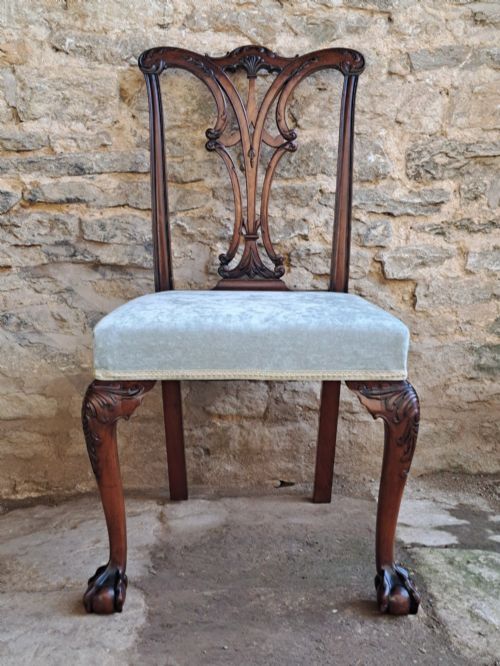
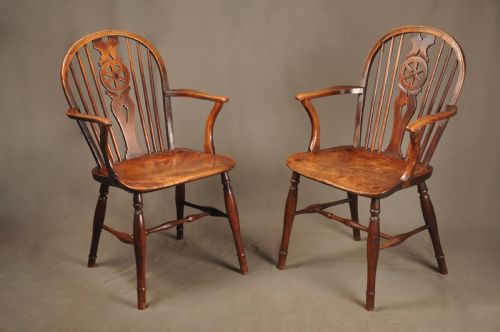
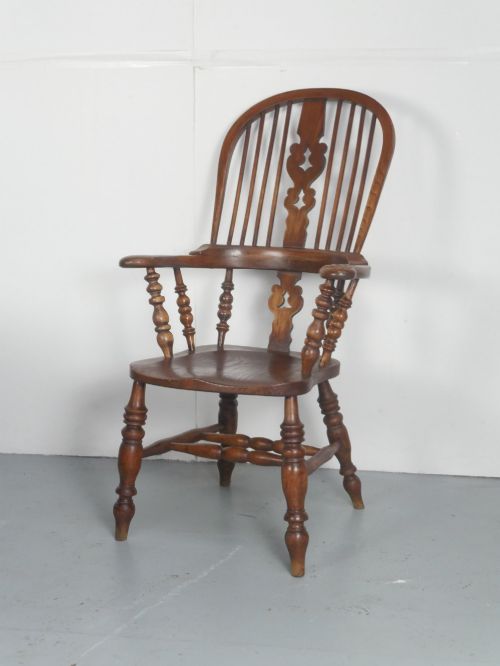
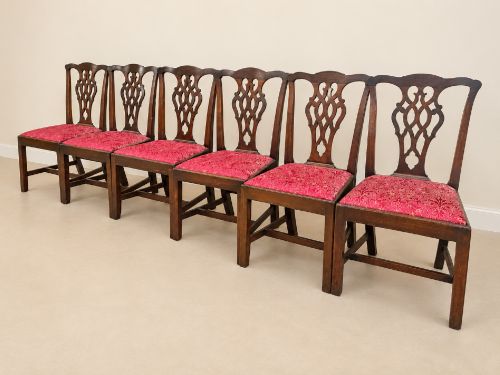
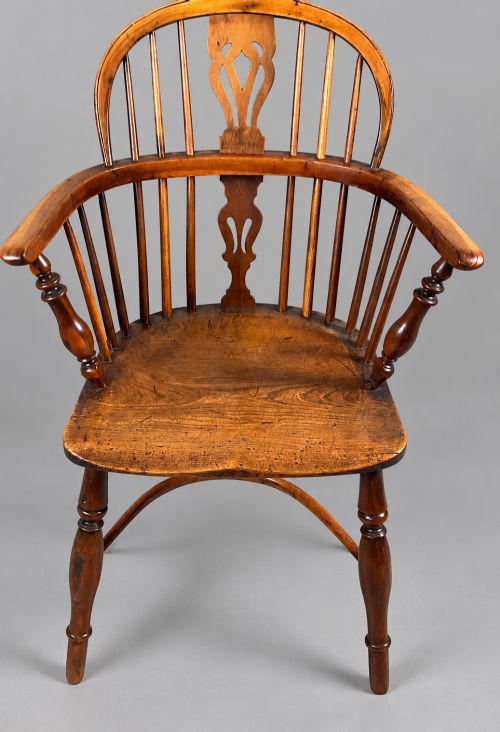
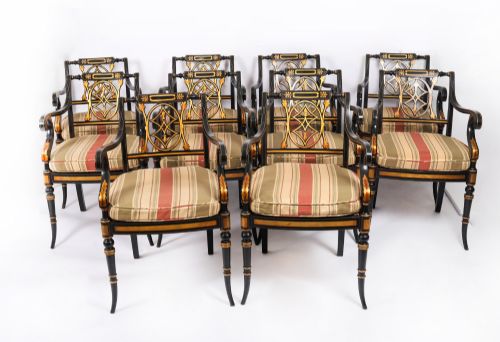
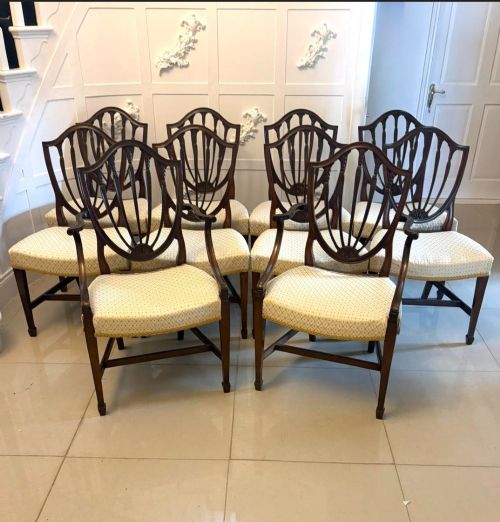
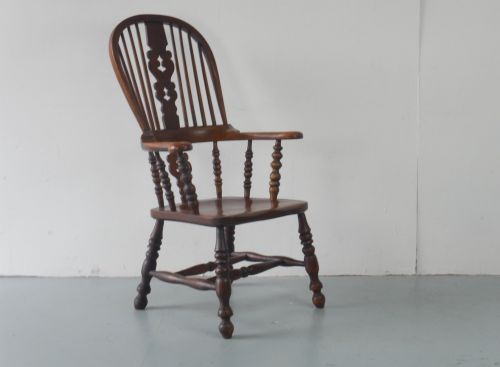
Vintage Pierced Splat Chair
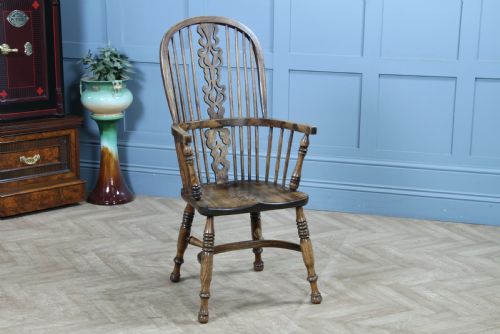
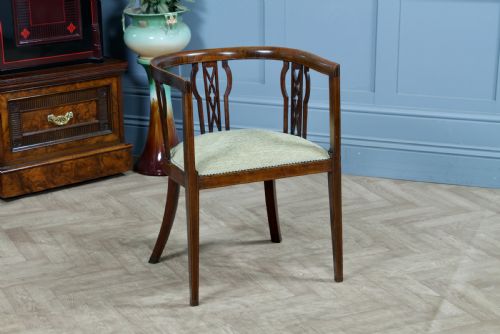
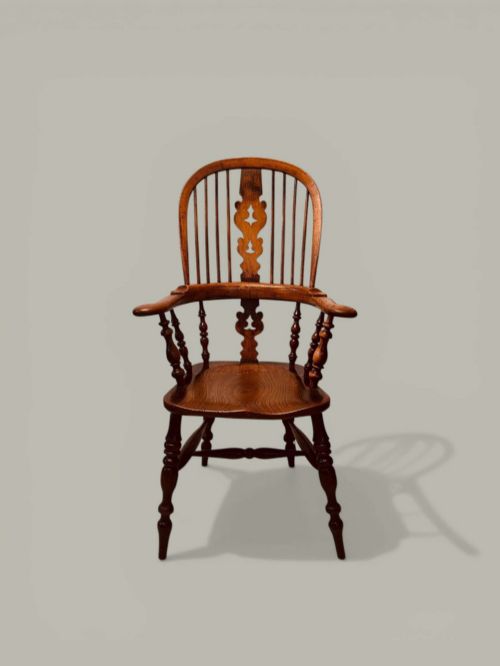
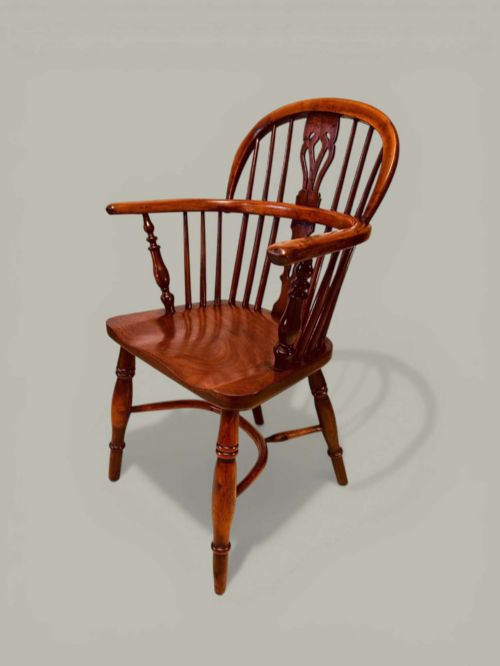
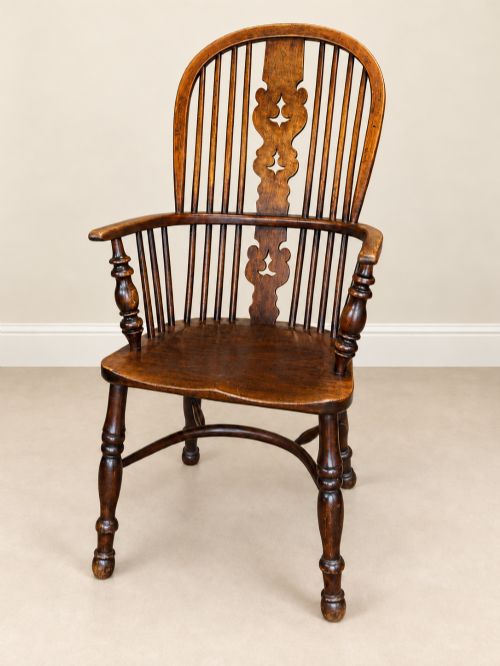
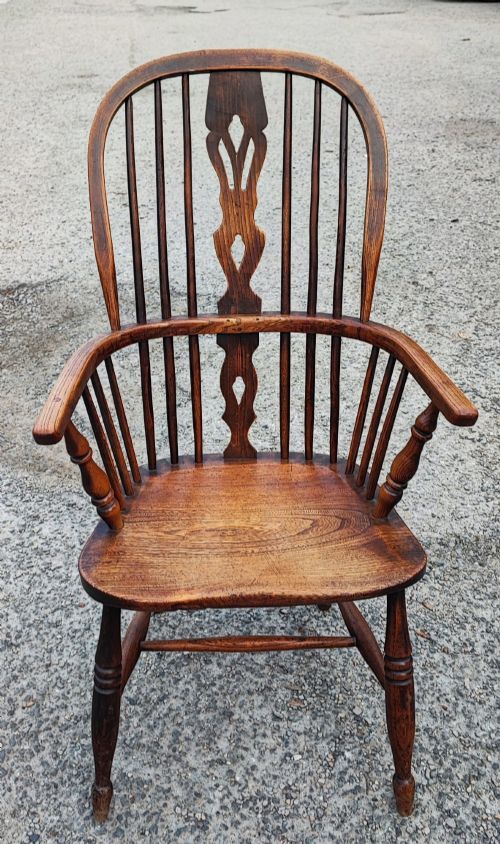
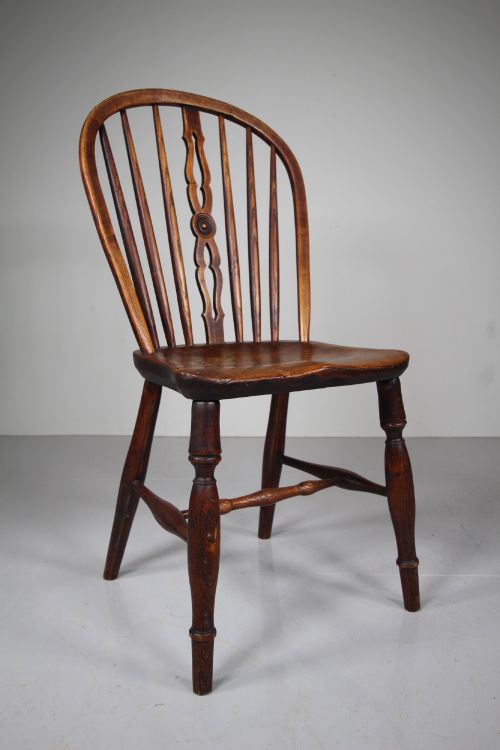
A vintage pierced splat chair delivers traditional woodworking and formal dining forms, offering structured back support through open splats.
Vintage Pierced Splat Chair
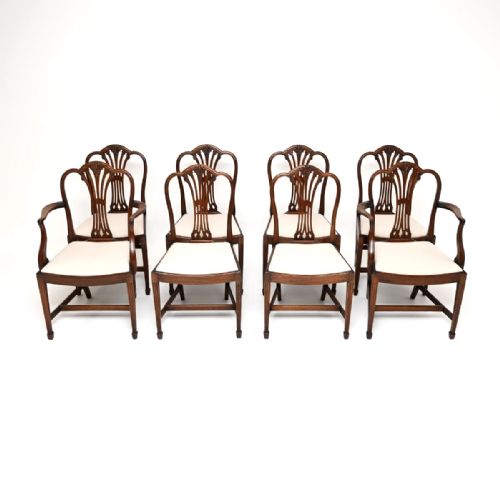
A vintage pierced splat chair combines formal dining seating with carved central back splats derived from 18th-century design traditions. The evidence shows these forms spanning 18th century originals through Edwardian revivals and later periods.
Makers produced these seating options primarily as dining chairs, armchairs, and desk chairs utilising mahogany, walnut, and fruitwood timbers. The prevailing examples on this page reflect Georgian and Chippendale style influences executed in mahogany or elm.
Buyers encounter single chairs, pairs, and larger sets designed for formal domestic interiors. The category bridges country vernacular forms and polite urban furniture.
Materials and construction
Cabinetmakers constructed these frames using dense hardwoods like mahogany, walnut, oak, and fruitwood alongside regional timbers such as elm, beech, yew, and ash. Timber selection dictated whether a piece took a formal carved finish or a robust vernacular form.
Joinery methods relied on traditional mortise and tenon joints to secure seat frames, legs, and back structures. Pierced splats required precise fretwork and hand-shaping to create the characteristic openwork patterns within the chair backs.
Vintage Pierced Splat Chair Retail Price Guide 2026
Typical asking prices for vintage pierced splat chair among the pieces listed under this phrase on Sellingantiques today, from the lower quarter to the upper quarter. They describe what is for sale here now, not the wider market.
Listings feature mahogany, elm, yew, and beech across periods spanning the 18th century to the Edwardian era.
Assessing quality in construction and design
Quality rests in the crispness of the pierced splat carving and the structural integrity of the frame joints. Superior examples display clean fretwork lines and stable joinery without excessive timber shrinkage or historic movement.
The choice of primary wood and the fidelity of the revival style influence the standing of each piece. Finer items exhibit well-figured mahogany veneers or dense local timbers like yew combined with thoughtful proportions.
Maple and Co·Gabbitass Worksop maker·Wheelers of Arncroach
The Vintage Pierced Splat Chair Glossary
- Pierced splat
- The vertical wooden strip down the centre of a chair back featuring an open cut-out design. This feature defines the visual character of Chippendale and related formal seating styles.
- Windsor chair
- A wooden seating form constructed with a solid shaped seat into which legs and back spindles are wedged. These pieces frequently incorporate elm, yew, and ash.
- Chippendale style
- A furniture design movement originating in the 18th century and widely revived later, characterised by elaborate splats and cabriole or straight legs. The style draws on Chinese, Gothic, and Rococo motifs.
- Carver
- An armchair designed to match a set of dining side chairs, typically placed at the table heads. These items feature open arms flanking the main seat structure.
Vintage Pierced Splat Chair: Frequently Asked Questions
How do I spot a revival piece?
Revival items often display secondary timbers and machine-cut joinery methods that differ from 18th-century workshop practices. Examining the timber patination and tool marks helps clarify the production era.
Style vocabulary also aids identification, as Edwardian and later interpretations frequently mix classical motifs with turn-of-the-century manufacturing techniques.
Where should I place these chairs?
These chairs function effectively around dining tables, at a writing desk, or as occasional seating in a living room or hallway. Armchairs work well as standalone accent pieces.
Matching sets suit formal dining spaces, while single vernacular chairs integrate into mixed seating arrangements.
Are these chairs comfortable for daily use?
Wooden seats and upright backs provide firm support suited for dining and desk work rather than lounging. Adding custom squab cushions can improve comfort during extended sitting.
The ergonomic design varies between formal mahogany dining chairs and sturdy country Windsor armchairs.
How do I care for antique wood?
Maintain the timber by keeping pieces away from direct heat sources and fluctuating humidity levels. Regular dusting with a soft cloth preserves the existing wax finish.
Avoid using silicone polishes that can penetrate the grain and damage historical surfaces.