



Vintage Piano Chair
A vintage piano chair is a sturdy seat built for the keyboard, combining practical height adjustment with period character for daily use.
Vintage Piano Chair
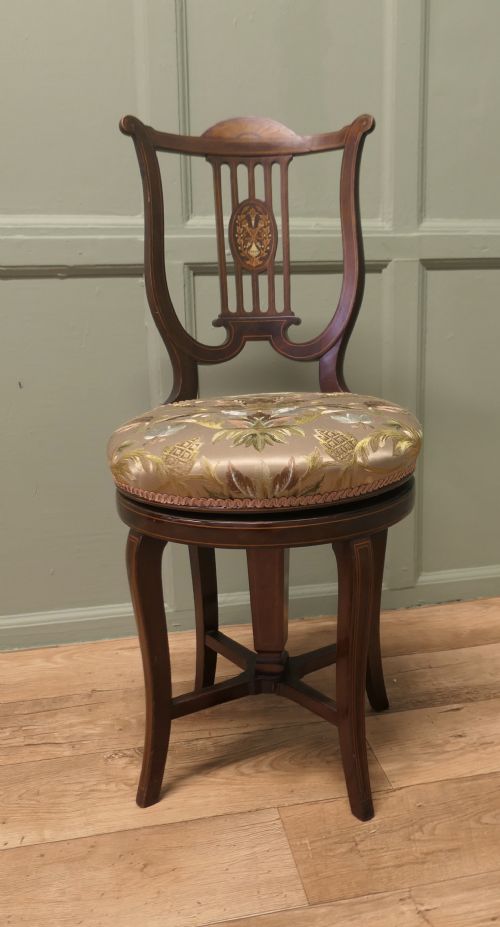
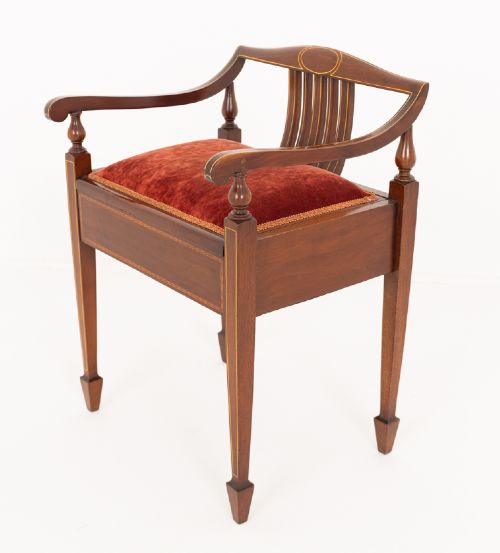
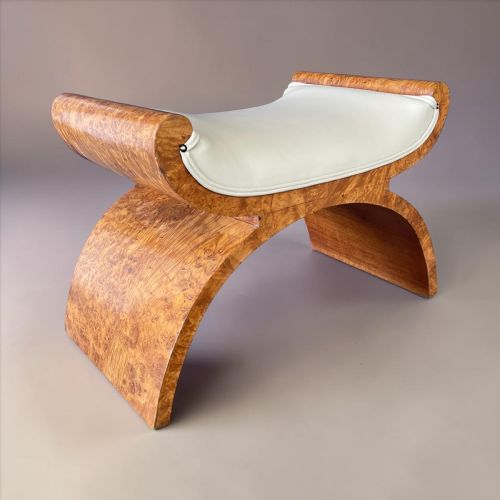
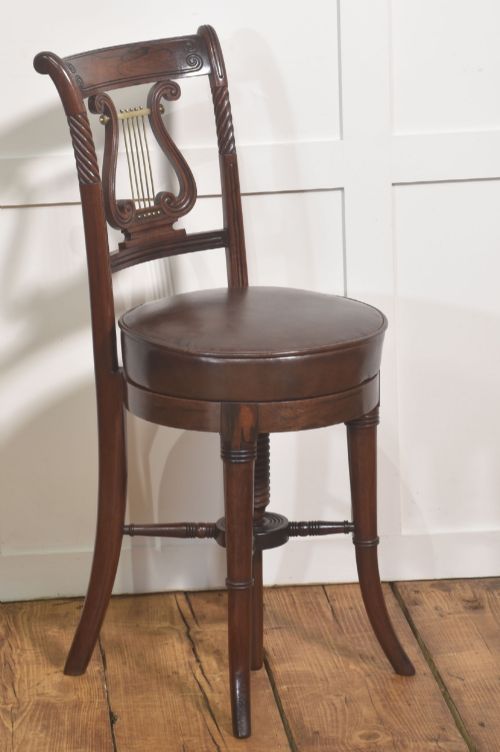
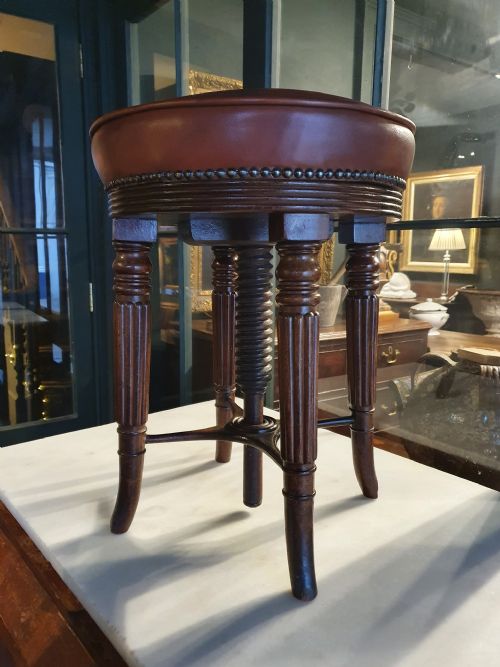
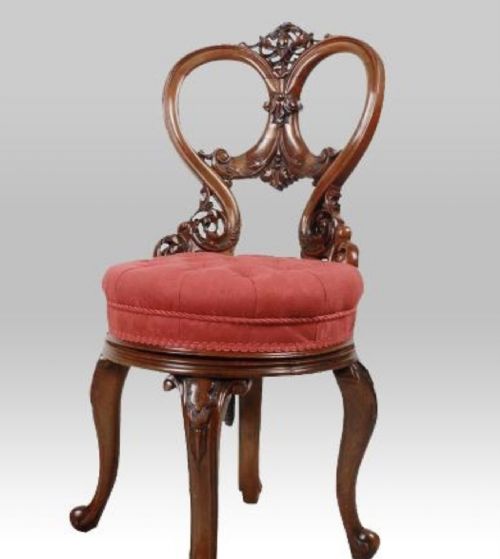
A vintage piano chair serves both the player at the keyboard and the room it sits in, often taking the form of a revolving stool or a music chair. The examples gathered here span from the 19th century through the Edwardian era and the Art Deco period, showing how seating evolved to suit the parlour.
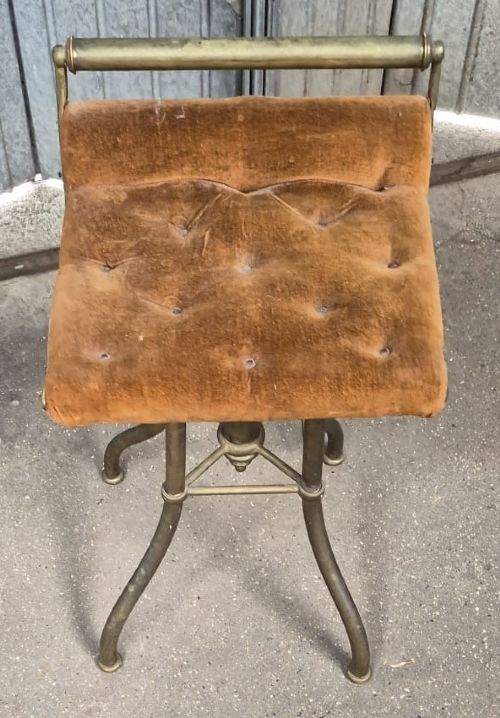
Most pieces you encounter are mahogany, walnut, or rosewood, frequently fitted with adjustable screw mechanisms to alter the seat height. Alongside traditional piano stools, you will spot music chairs designed with lyre backs or brass frames, as well as dressing table chairs that share the same compact footprint.
Materials and construction
Cabinet makers built these chairs using dense timbers like mahogany, rosewood, walnut, and oak, often shaping the wood into turned legs or curved supports. Metal components such as brass frames, swivel screws, and cast iron mechanisms provided the crucial rise and fall function required by musicians.
Upholstery completed the seat, utilising materials like velvet, leather, needlepoint, and tweed linen over padding. Gilt paint occasionally finished the frame, particularly on pieces influenced by earlier revival styles.
Vintage Piano Chair Retail Price Guide 2026
Typical asking prices for vintage piano chair among the pieces listed under this phrase on Sellingantiques today, from the lower quarter to the upper quarter. They describe what is for sale here now, not the wider market.
Materials span traditional hardwoods like mahogany, walnut, and rosewood, alongside brass and cast iron.
Distinguishing quality
The standard of a vintage piano chair rests on the weight of its timber and the precision of its mechanical action. Solid rosewood or mahogany frames with smooth-operating screw mechanisms show a higher grade of manufacture than simpler pieces.
Attention to detail in the carving, such as lyre backs or crisp turning, separates ordinary workshop output from exceptional furniture. The choice of original upholstery materials and the robustness of the swiveling joint further define the better examples.
Harry and Lou Epstein·Gillows·James Shoolbred
The Vintage Piano Chair Glossary
- Revolving stool
- A seat built with a central screw mechanism allowing the top to turn and adjust in height. This mechanism is a defining trait of many music chairs.
- Lyre back
- A chair back shaped in the form of an ancient Greek lyre. Cabinet makers frequently used this motif on music and harpist chairs.
- Rise and fall
- An alternative term for the adjustable screw action found on piano stools. It lets the player set the exact height needed for the keyboard.
- Needlepoint
- A form of canvas work embroidery used for upholstery. It appears on the seats of period dressing table and piano stools.
Vintage Piano Chair: Frequently Asked Questions
How do I adjust the height?
Many vintage piano chairs use a central screw mechanism beneath the seat. You simply turn the top clockwise or anti-clockwise to raise or lower the sitting position.
Some Edwardian or later examples operate on a rise and fall swivel action. Ensure the wooden thread or metal screw is clean and moves freely before making adjustments.
Can I use these at a modern desk?
The compact dimensions and adjustable height of a vintage piano chair make it a practical option for a small desk or dressing table. Many period pieces were multifunctional, serving both music rooms and bedrooms.
Check the lowest and highest height settings against your desk clearance to ensure a comfortable sitting position for daily work.
How do I care for the upholstery?
Maintenance depends on whether the seat is covered in leather, velvet, needlepoint, or tweed linen. Vacuum fabric and wool surfaces gently with a soft brush attachment to remove dust.
Treat leather with a suitable conditioning balm to keep it supple and prevent cracking. Keep the chair away from direct sunlight to protect both the fabric and the polished wood.
Were these only used for pianos?
While designed primarily for musicians at the keyboard, these seats served multiple domestic purposes. Makers also produced them as dressing table chairs and general parlour seating.
Music chairs often featured specialised backs, such as lyre designs for harpists or cellists, while standard stools doubled as vanity seats.