



Vintage Pharmacy Display
These vintage pharmacy display pieces bring unmistakable utilitarian character to an interior through authentic glass, mahogany, and metal forms.
Vintage Pharmacy Display
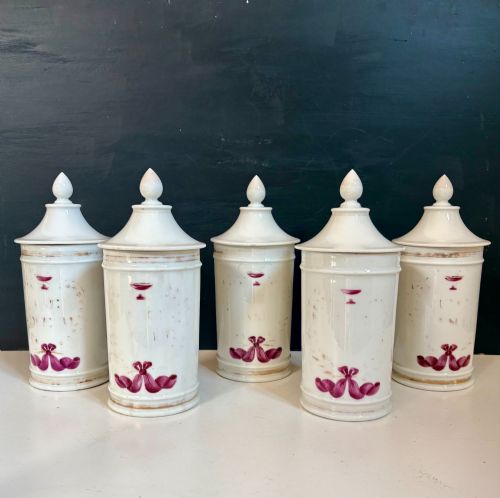
When you search for vintage pharmacy display, you are looking at utilitarian vessels and cabinetry created for chemists, apothecaries, and medical retailers. These items served a purely functional role in dispensing and storing remedies before modern packaging took over.
The pieces on this page span the nineteenth and twentieth centuries, encompassing Victorian, Edwardian, and Art Deco periods. You are most likely to encounter glass apothecary jars, chemist bottles, and countertop display cabinets.
Origins include British and French workshops, utilising mahogany, brass, paint, and gold leaf alongside blown and etched glass. The forms range from large countertop carboys and lidded jars to heavy medical cabinets and shop counters.
How they were made
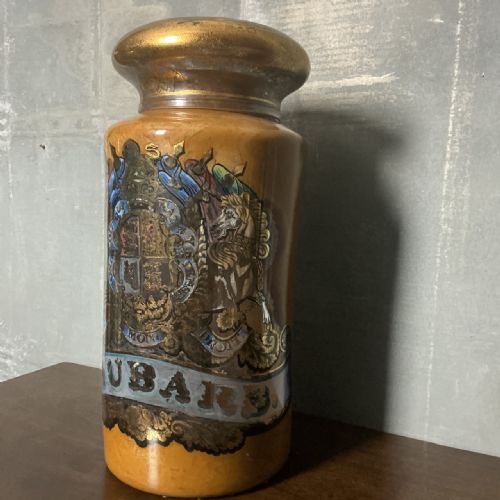
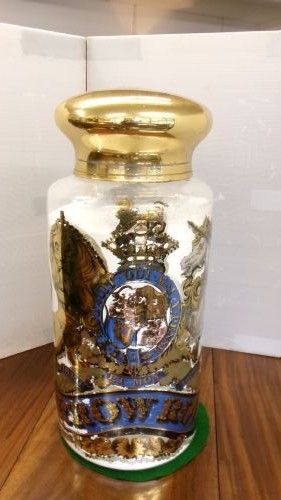
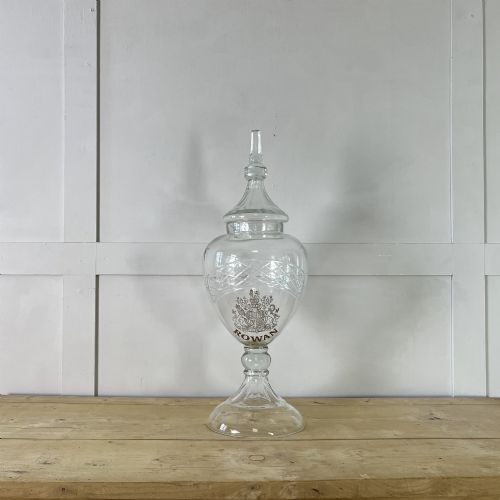
Glass vessels were mouth-blown and often hand-etched or finished with gold leaf lettering and painted labels to identify contents such as arrowroot or gelatine. This manual execution results in natural bubbles and slight irregularities within the glass walls.
Cabinetry and storage units were built from solid timber such as mahogany, housing glass panels and incorporating brass hardware for frequent commercial use. Structural joinery prioritised durability to withstand daily handling in busy retail environments.
Vintage Pharmacy Display Retail Price Guide 2026
Typical asking prices for vintage pharmacy display among the pieces listed under this phrase on Sellingantiques today, from the lower quarter to the upper quarter. They describe what is for sale here now, not the wider market.
Current listings feature glass, mahogany, brass, and enamel materials across Victorian, Edwardian, and 1930s periods.
What varies in quality
The distinction between ordinary and superior items rests upon the survival of original components, such as matching stoppers, intact gold leaf inscriptions, and untouched painted surfaces. Greater visual weight and larger dimensions also elevate the presence of glass carboys and jars.
Cabinetry quality depends on the retention of original glass panes, sound timber frames, and working brass fittings. Untouched commercial provenance, such as legible retailer lettering on mahogany counters, marks a higher grade of historical survival.
The Vintage Pharmacy Display Glossary
- Carboy
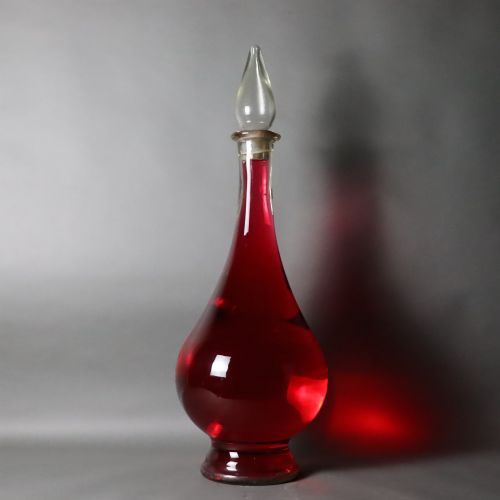
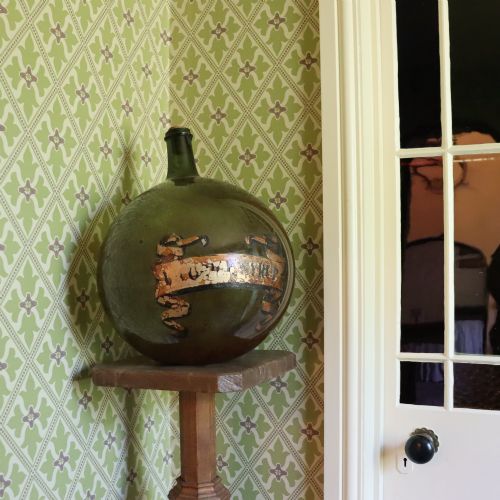
- A large globular glass bottle used in laboratories and chemist shops for holding liquids. They typically sat in windows to attract customers into the pharmacy.
- Apothecary jar
- A vessel designed to hold medicinal herbs, pills, or powders in a dispensary. These containers frequently feature ground glass stoppers and hand-painted or etched labels.
- Chemist bottle
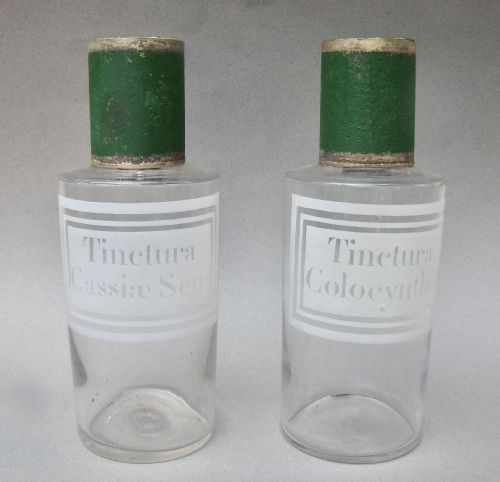
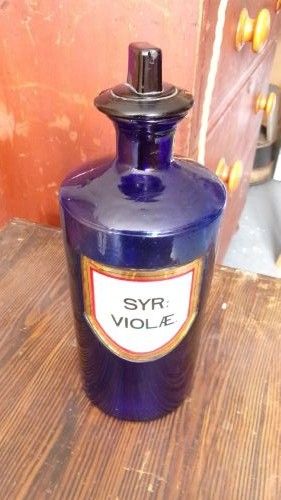
- A smaller glass bottle produced for medicinal storage, often finished in coloured glass such as Bristol blue. They include specialised stoppers to seal contents securely.
- Display cabinet
- A glazed enclosure used in retail settings to showcase goods on counters or walls. They combine timber frames with glass panels for maximum visibility.
Vintage Pharmacy Display: Frequently Asked Questions
What is a vintage pharmacy display jar?
A vintage pharmacy display jar is a heavy glass container originally utilised by chemists to store dry ingredients, liquids, or medicinal preparations. These vessels often feature ground glass stoppers and identifying labels.
They were designed to sit on shelves or counters within apothecary shops, combining practical utility with visual impact for customers.
How do I identify a Victorian apothecary jar?
Victorian apothecary jars typically display characteristics of nineteenth-century glass manufacturing, including hand-blown bubbles, pontil marks, and heavy wall thicknesses. They frequently incorporate etched lettering or gold leaf shop labels.
Comparison with later twentieth-century examples reveals heavier glass weight and distinct stopper formations characteristic of the period.
Where were apothecary carboys used?
Apothecary carboys were placed in the front windows of chemist shops to draw the attention of passersby from the street. Their large size and vibrant glass colours served as an unmistakable advertisement for the trade.
Inside the shop, they held bulk liquids used in the preparation of medicinal remedies and prescriptions.
How do I clean an antique glass chemist bottle?
Antique glass chemist bottles require gentle cleaning with warm water and mild detergent to preserve any surviving interior residue or delicate surface labels. A soft bottle brush can be used carefully inside without applying abrasive pressure.
Harsh chemical cleaners and soaking should be avoided to protect original gold leaf, painted lettering, and fragile aged glass surfaces.