





Vintage Persian Style Rug
A vintage persian style rug brings warmth and historic pattern into a room through hand-knotted wool and traditional village designs.
Vintage Persian Style Rug
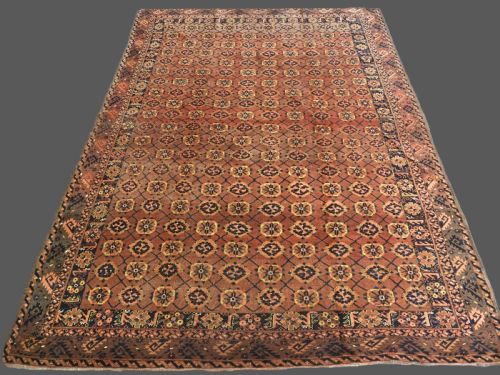
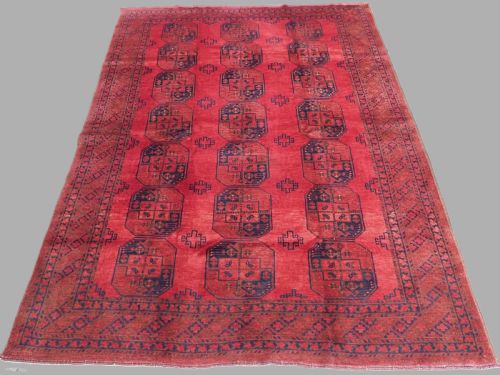
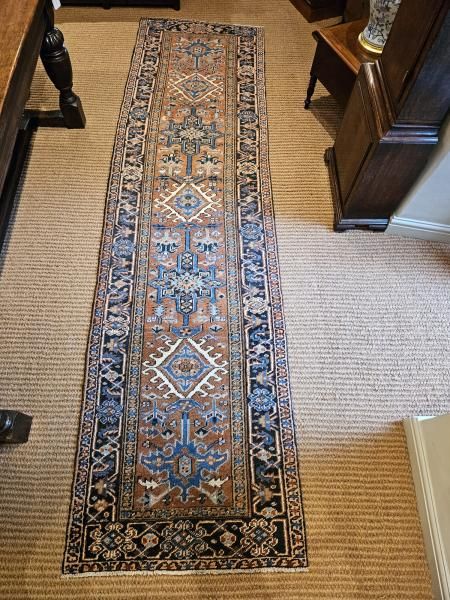
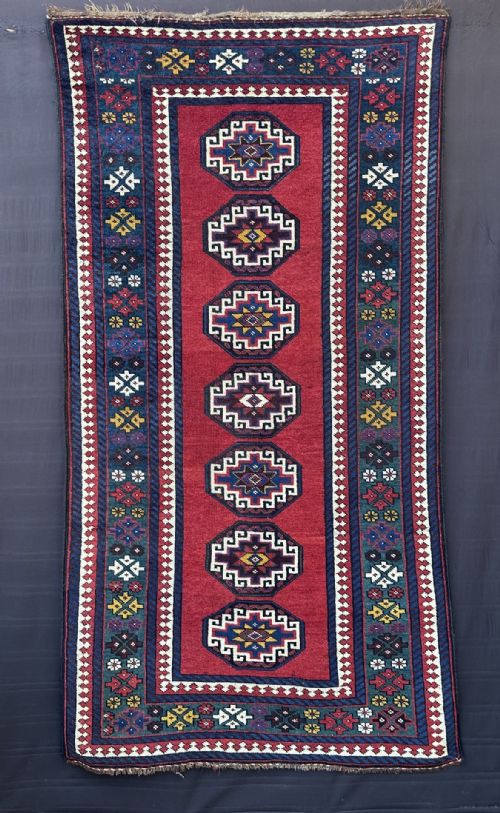
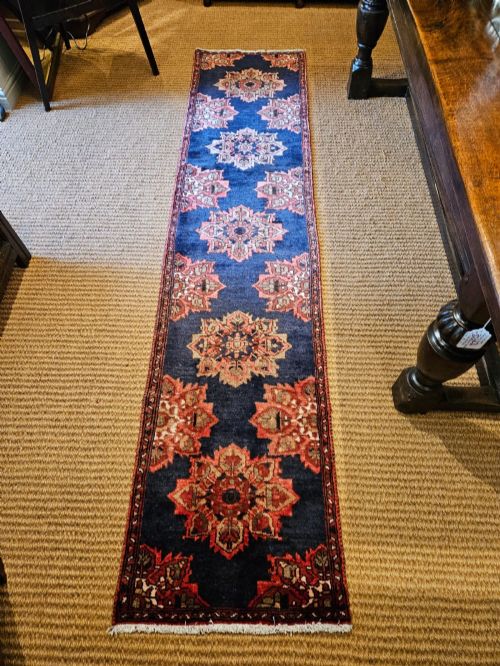
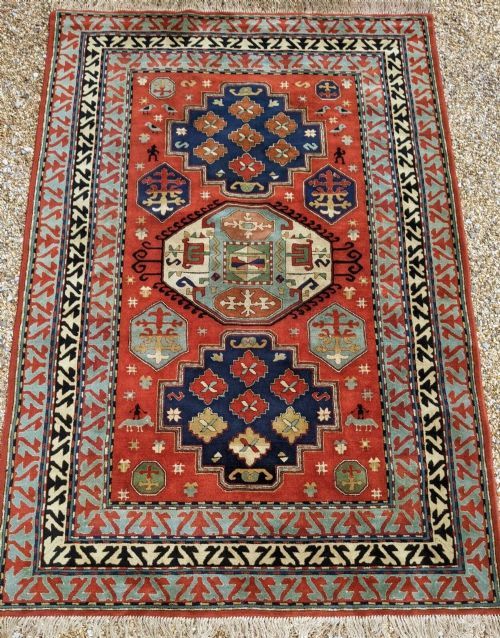
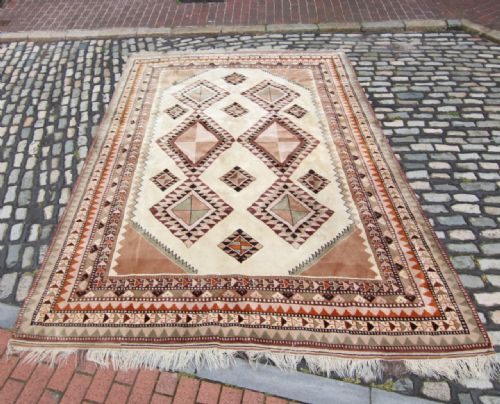
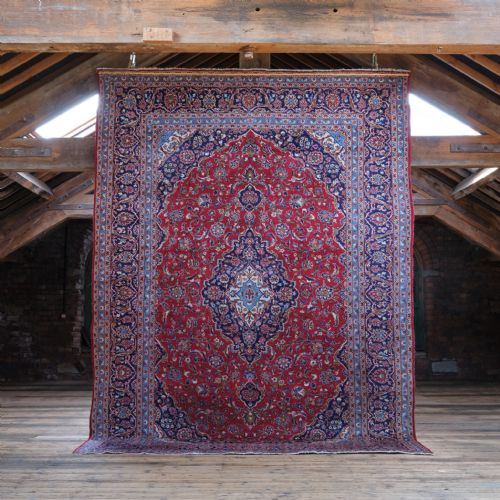
A vintage persian style rug encompasses room-sized carpets, smaller area rugs, and narrow runners woven during the late nineteenth and early twentieth centuries. These floor coverings emerge from various regional weaving traditions, including Heriz, Karaja, Oushak, and Afghan village workshops.
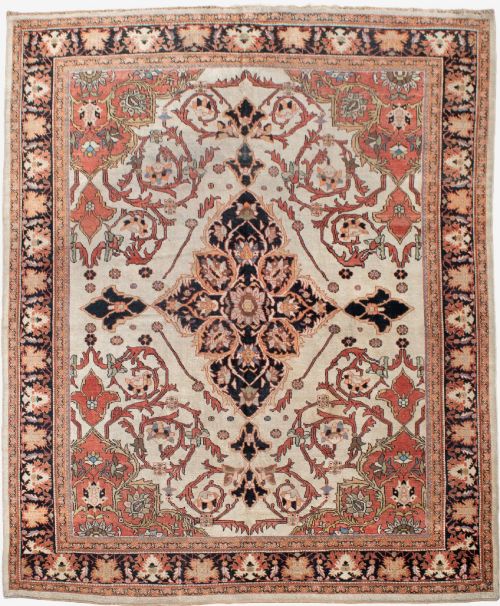
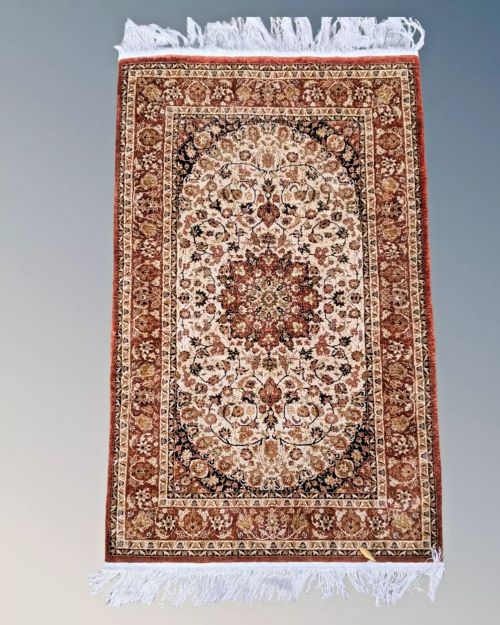
Buyers frequently encounter pieces displaying traditional geometric medallions, all-over floral motifs, and tribal field patterns. The selection spans compact scatter rugs alongside large carpets suitable for anchoring a main reception room.
Origins stretch across Persia, Anatolia, the Caucasus, and surrounding weaving centres, reflecting both nomadic aesthetics and structured village production. Each textile carries the distinct palette of its local provenance, from deep navy blues to warm terracotta reds.
How they were made
The foundation relies predominantly on wool and cotton spun by hand or machine, providing a stable warp and weft grid for the pile. Pure silk also appears in certain fine decorative formats, offering a distinct sheen and delicate handling.
Weavers knotted the pile by hand onto the structural foundation, securing each strand to create a dense and resilient surface. This traditional knotting technique allows intricate curves and geometric angles to hold their definition across decades of use.
The listings on this site span materials from hand-spun wool and cotton to silk, across periods from the nineteenth century into the twentieth.
What varies in quality
The calibre of a textile depends largely on the integrity of the materials and the density of the knotting beneath the pile. Tighter knot counts generally permit finer detail in the medallion work and linear borders.
Material selection further distinguishes the weaving, where hand-spun wool brings a richer lanolin content and varied tone compared to standard commercial wool. The depth and stability of the dye work also influence how the colours age over time.
The Vintage Persian Style Rug Glossary
- Runner
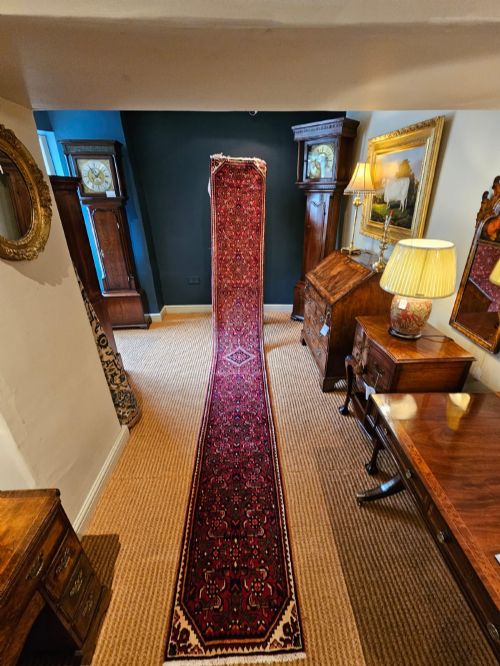
- A long and narrow carpet format specifically proportioned for corridors, hallways, and staircases. These pieces direct foot traffic while adding pattern to transitional spaces.
- Medallion
- A central decorative motif placed in the middle of the rug field, often framed by corner spandrels and multiple borders. This layout anchors the symmetrical design of many traditional carpets.
- Warp
- The vertical threads stretched tightly on the loom that form the skeletal foundation of the textile. The visible fringe at either end of a finished rug consists of these extended warp threads.
- Pile
- The upright yarn surface formed by knotted wool, cotton, or silk that provides the soft texture underfoot. Pile height varies depending on whether the rug originated from a nomadic tribe or an established workshop.
- Bag face
- The front panel of a utilitarian nomadic storage bag, preserved and mounted or used as a small decorative mat. These panels typically feature condensed tribal iconography.
Vintage Persian Style Rug: Frequently Asked Questions
How do I clean an old wool rug?
Gentle surface brushing and professional specialist washing help maintain the wool pile without damaging the natural dyes. Avoid harsh chemical detergents and excessive soaking.
Regular low-suction vacuuming prevents dust accumulation within the foundation threads. Keeping the textile out of direct sunlight preserves the saturated hues.
Where should I place a long runner?
Narrow formats suit hallways, entryways, and narrow kitchen spaces where floor protection and comfort are needed. They soften long wooden corridors and create a welcoming pathway.
Ensure a suitable underlay is placed beneath the runner to prevent slipping on smooth timber or stone floors.
How can I tell a village rug from a city carpet?
Village and tribal weavings often display slightly asymmetrical geometry, spontaneous colour shifts, and bolder motifs dictated by local memory rather than rigid graph paper cartoons. City workshops typically produce more formal symmetry and finer, highly controlled detail.
The choice of wool and the specific regional palette also offer strong clues to whether a piece originated in a nomadic camp or a settled town.
What is a Heriz carpet?
Heriz carpets originate from the Northwest region of Persia and are recognised for their durable structure and bold, geometric medallion designs. They often feature large corner pieces and robust wool well-suited to heavy daily use.
These rugs bridge tribal boldness with structural balance, making them enduring favourites for dining rooms and studies.