


Vintage Peg Rail
These vintage peg rail pieces bring honest utility and simple charm to hallways and boot rooms.
Vintage Peg Rail
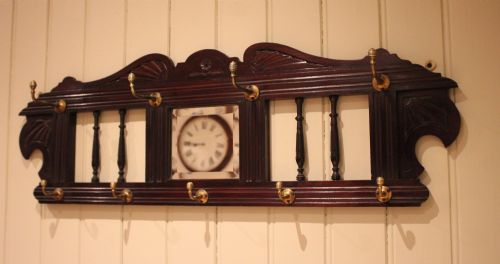
A vintage peg rail provides straightforward wall-mounted storage through a row of wooden or metal hooks affixed to a long backboard. These items range from simple domestic utility boards to decorative reception hall valets.
The selections available here span several distinct periods including the Victorian and Edwardian eras, alongside pieces dating to the nineteenth century and the Georgian period. Buyers encounter backboards fashioned from pine, mahogany, oak, and painted surfaces.
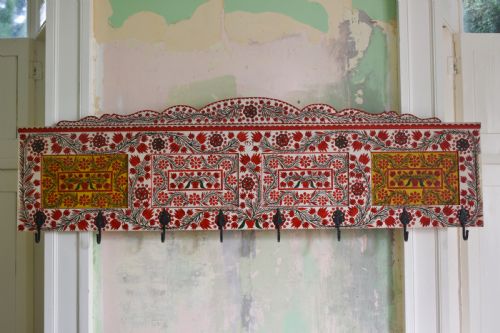
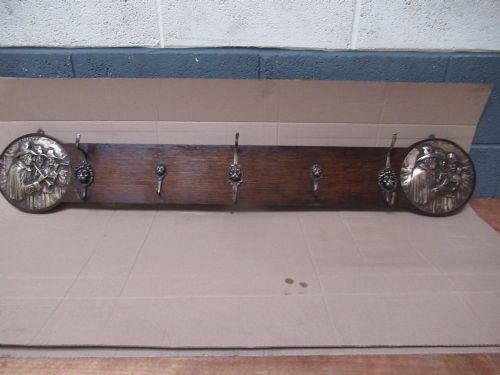
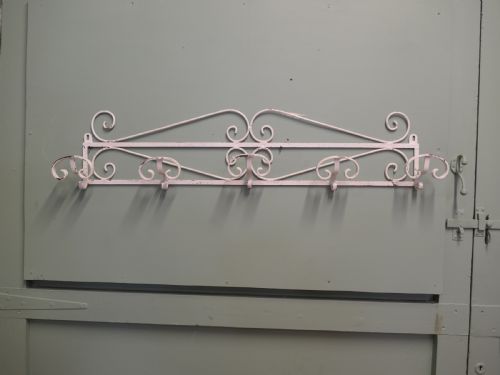
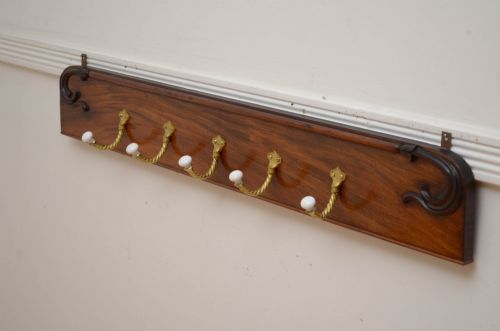
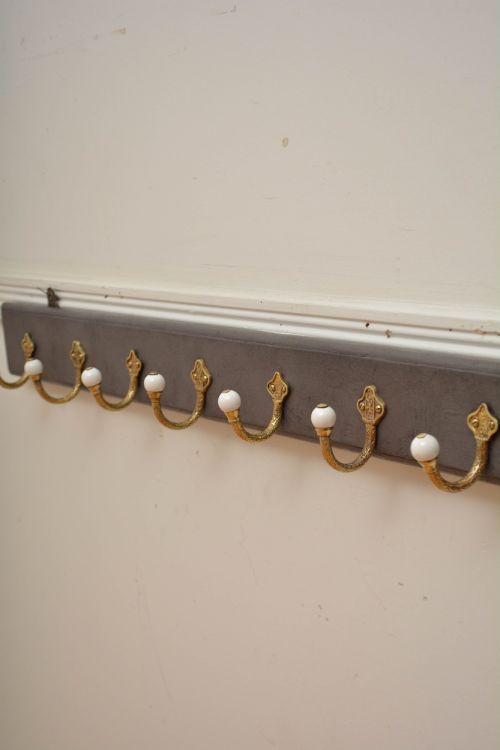
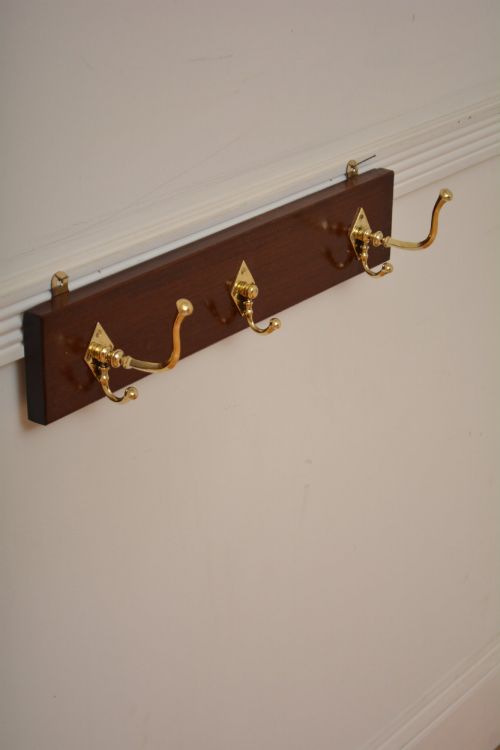
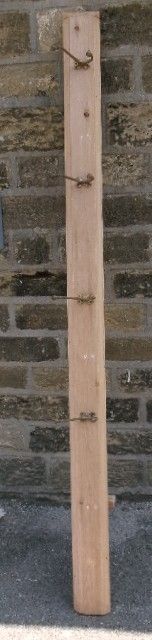
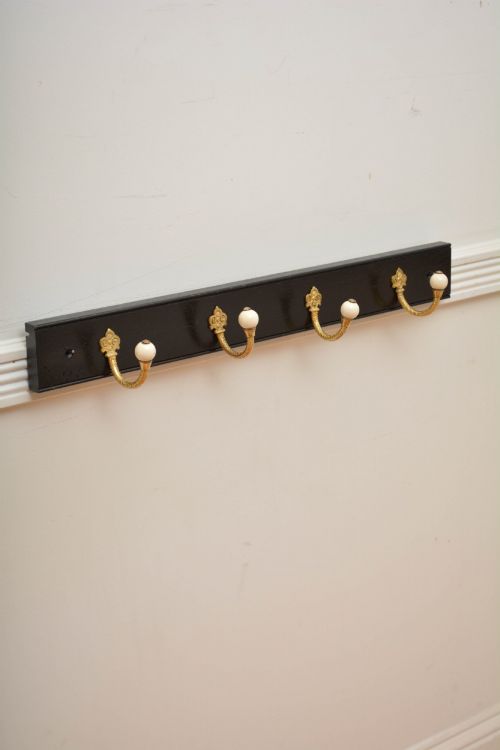
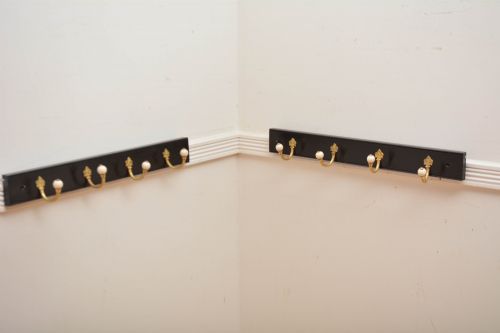
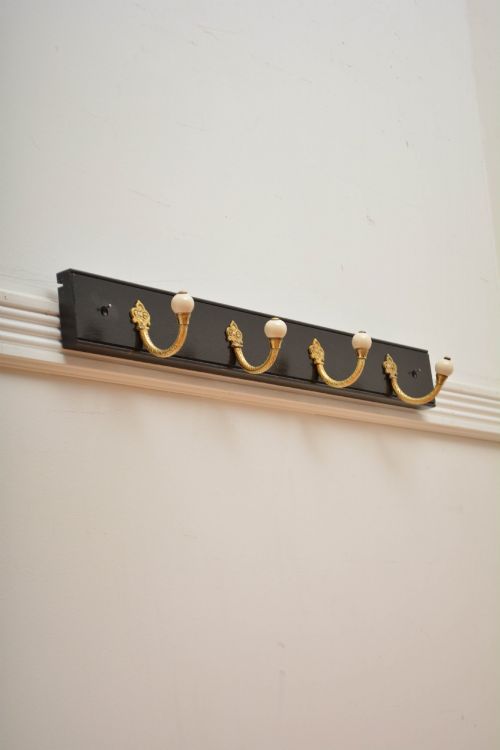
Common formats include coat racks and hat stands featuring brass, ceramic, or wrought iron hooks mounted horizontally. Pieces vary from plain pine utilitarian boards to elaborate designs incorporating twisted rope carving or faux bamboo details.
Materials and construction methods
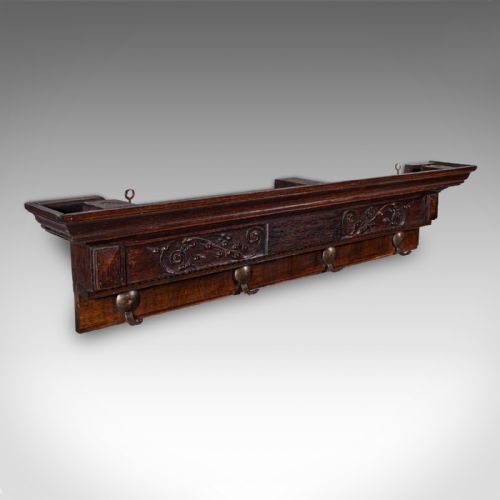
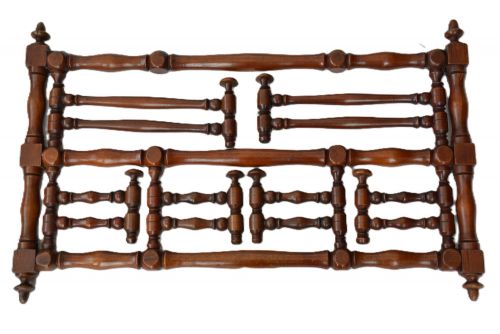
Makers utilised solid timbers such as mahogany, pine, and oak to form the primary backboards, often shaping the edges with simple mouldings or leaving them as chunky planks. Beech and ebonised woods also appear, providing darker tones or sturdy framing.
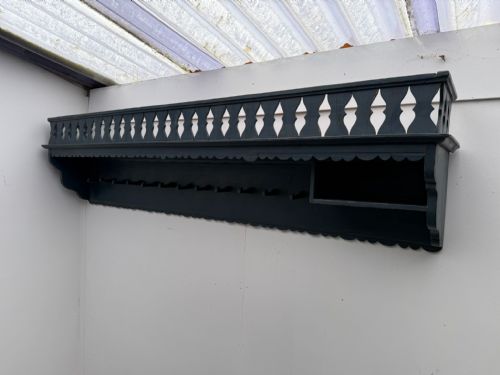
The functional elements rely on cast brass, ceramic, and wrought iron for the hooks, which are secured directly to the wooden backing plates. Some designs incorporate painted finishes, ranging from original blue pigments on Hungarian pine to simple ebonising.
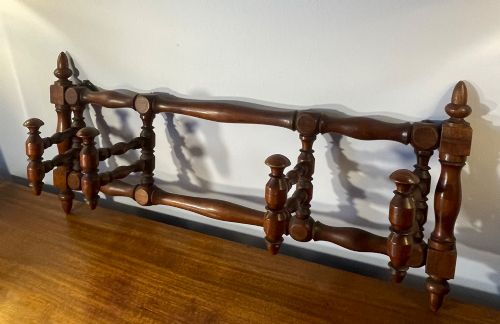
Specialist decorative touches include twisted rope turnings, faux bamboo carving, and cast mounting plates that join structural durability to visual interest. Construction methods remain practical, designed for heavy daily use in cloakrooms and hallways.
Vintage Peg Rail Retail Price Guide 2026
Typical asking prices for vintage peg rail among the pieces listed under this phrase on Sellingantiques today, from the lower quarter to the upper quarter. They describe what is for sale here now, not the wider market.
Periods represented include Georgian, Victorian, Edwardian, and the early twentieth century.
Distinguishing quality in older peg rails
Quality rests in the substance of the timber and the integrity of the hooks rather than mere decoration. Thicker backboards and densely grained hardwoods like mahogany and oak provide superior structural stability compared to lighter pine alternatives.
The casting quality of the brass or iron hooks dictates the refinement of the piece. Well-cast mounting plates and robust ceramic elements demonstrate superior workshop standards from their respective periods.
The retention of original paint surfaces or honest patination on the wood elevates an example above plain utilitarian items. Greater care in joinery and carving separates standard hallway boards from more ambitious Aesthetic Movement or William IV pieces.
The Vintage Peg Rail Glossary
- Backboard
- The horizontal wooden plank or rail to which individual coat hooks are fastened. This provides the mounting surface for attachment to a wall.
- Ebonised
- Wood finished to resemble ebony through staining or painting dark black. This technique was popular in Victorian joinery.
- Aesthetic Movement
- A late nineteenth-century design style emphasising visual beauty and artistic expression over strict historical revival. Pieces from this movement often combine contrasting materials.
- Faux bamboo
- Wood carved or turned to imitate the segmented stalks of natural bamboo. This decorative flourish is particularly common in nineteenth-century French pieces.
- Valet
- A wall-mounted rack designed for hats and coats in a reception hall or cloakroom. These often incorporate multiple hook types for varied garments.
Vintage Peg Rail: Frequently Asked Questions
Where should a peg rail be mounted?
These rails find their traditional home in entrance halls, boot rooms, and kitchens for hanging coats and daily accessories.
Secure the backboard directly into wall studs or use appropriate fixings to support the weight of heavy garments.
How do I care for older wood?
Maintain the timber surfaces by dusting regularly and occasionally applying a suitable wax to nourish older finishes.
Avoid placing these items in areas with excessive moisture or direct heat to protect the wood and metal components.
What materials are used for hooks?
Hooks on these pieces are commonly cast from brass, wrought iron, or fitted with ceramic elements.
These materials were chosen for strength and daily durability in busy domestic environments.
How do I identify a Victorian piece?
Victorian examples often display heavier timber construction, cast brass fittings, and occasionally ebonised finishes.
Stylistic cues match the architectural and interior trends of the nineteenth century.