
Vintage Pedestal Side Table
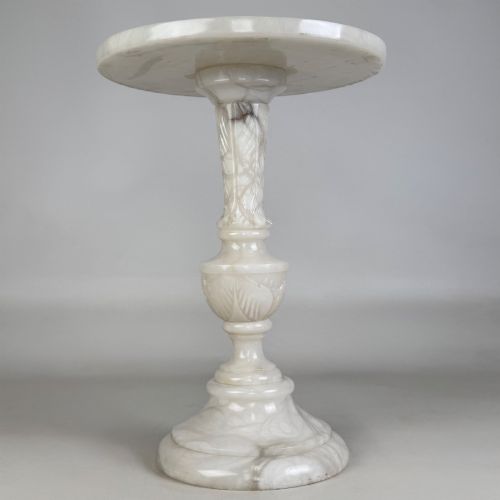
These vintage pedestal side table examples bring sturdy columns and compact surfaces together, offering a practical spot for lamps and books beside any armchair.
Vintage Pedestal Side Table
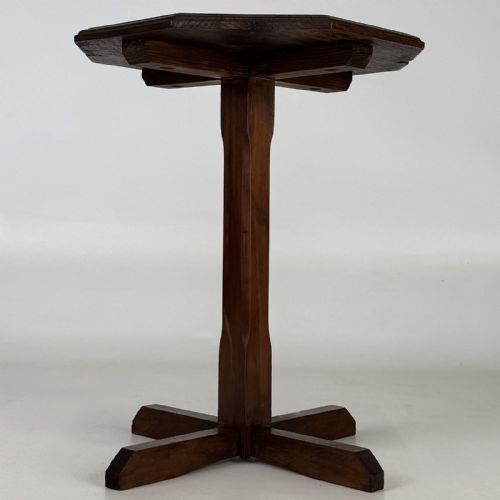
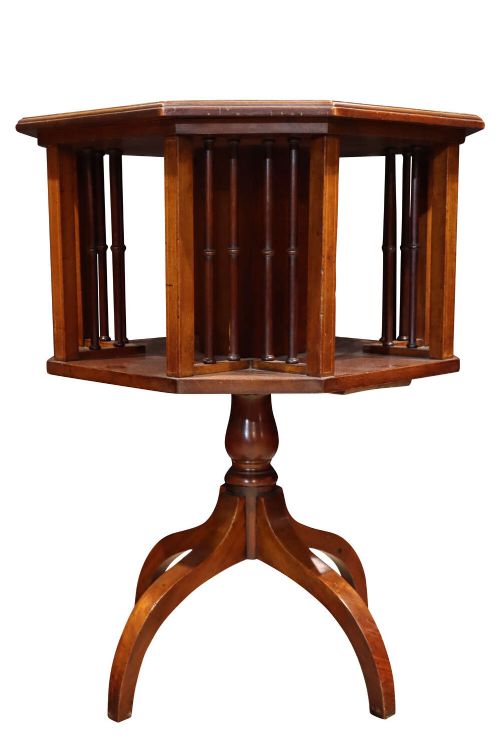
A vintage pedestal side table stands on a central column rather than traditional corner legs, supporting surfaces intended for everyday use. When exploring this selection, buyers encounter pieces spanning the Georgian, Victorian, Edwardian, and Art Deco periods, alongside items from the nineteen-twenties and nineteen-thirties.
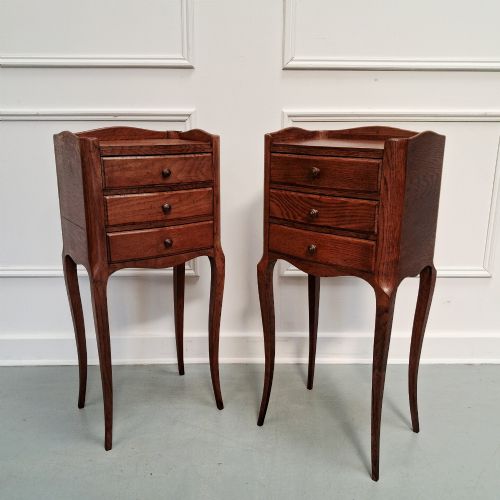
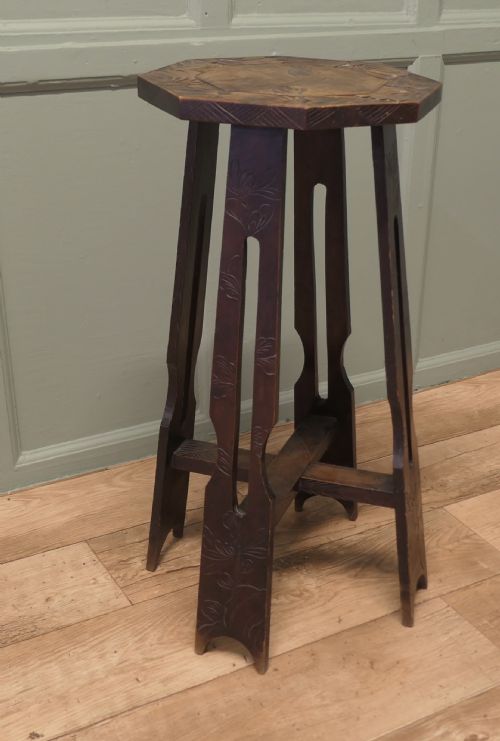
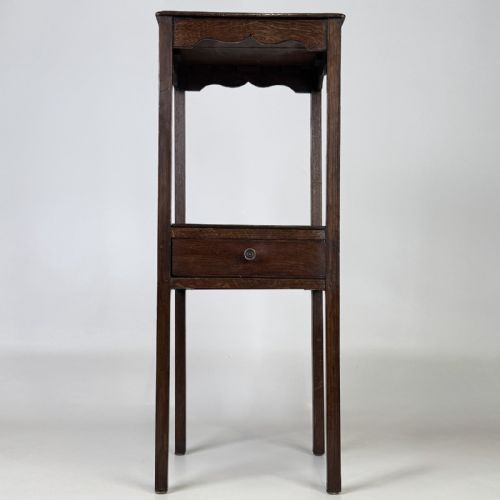
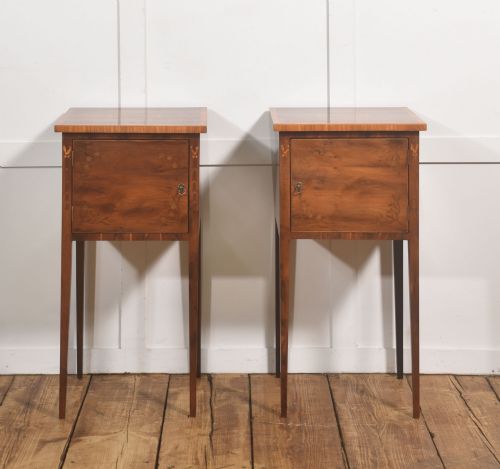
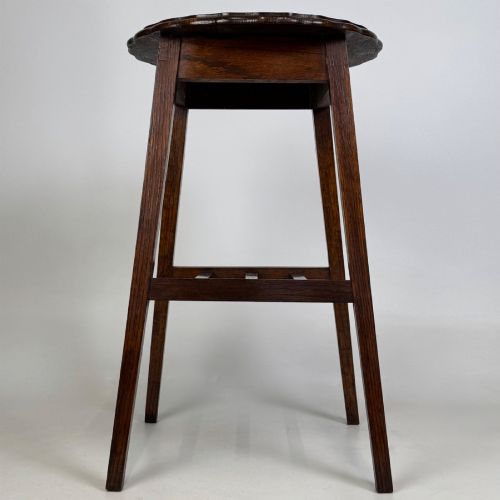
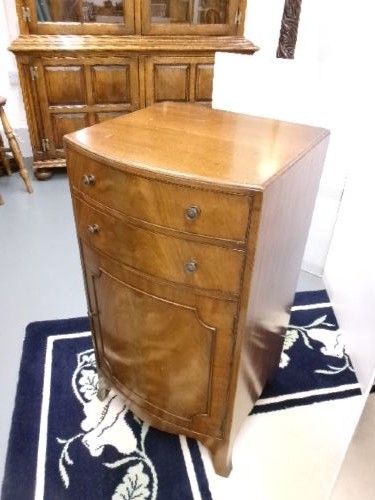
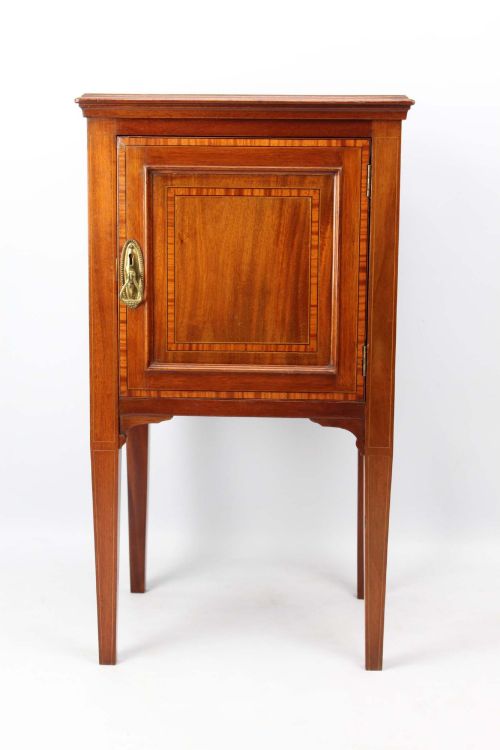
The assortment on this page leans heavily toward practical variations such as wine tables, lamp tables, plant stands, and bedside cabinets. These forms appear in mahogany, oak, walnut, and rosewood, reflecting centuries of cabinet-making traditions across England, France, Italy, Sweden, and China.
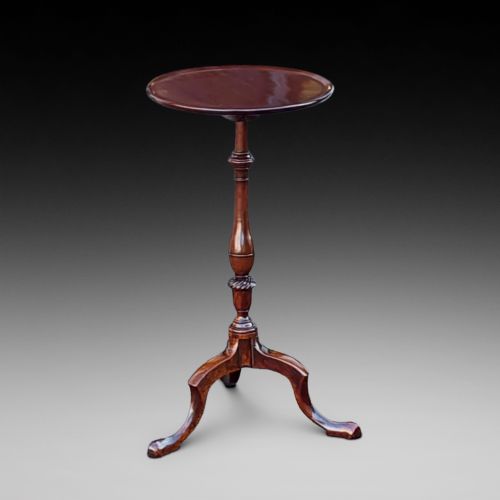
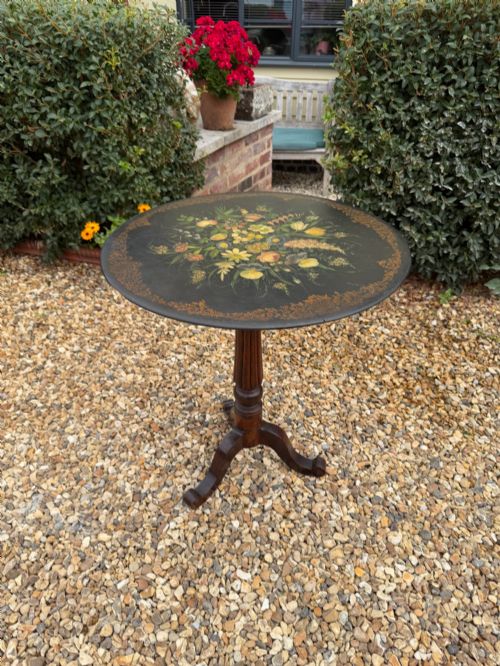
Makers and workshops constructed these tables for specific household duties, resulting in diverse configurations including tilt-tops, two-tier plant stands, and round occasional tables. Selecting the right piece involves matching the period style and timber tone to the existing room layout.
Materials and Construction Methods
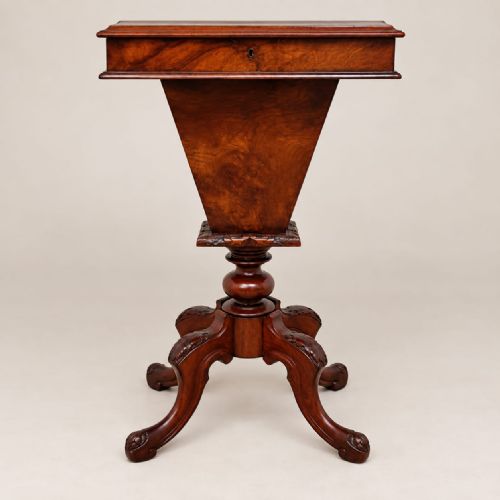
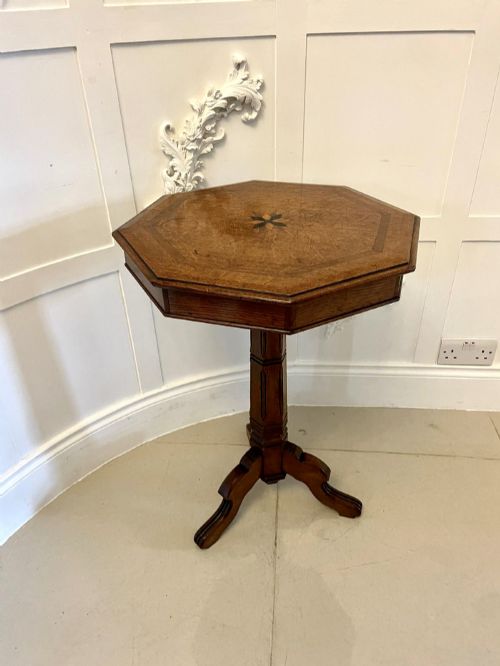
Cabinet-makers relied on dense hardwoods like mahogany, walnut, and oak to provide the necessary weight and stability for single-pillar columns. Artisans frequently added decorative veneers, marquetry inlay, or mother of pearl to enrich plain surfaces.
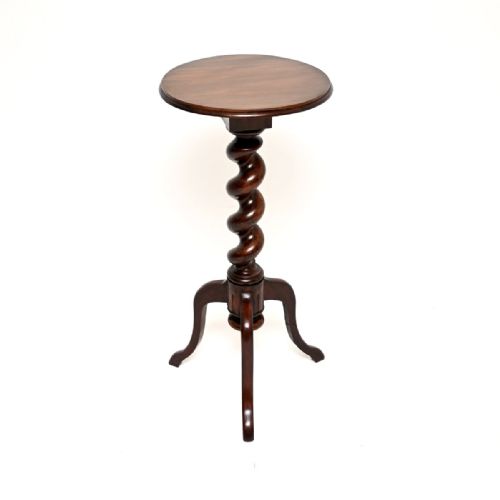
Pedestal supports often terminate in tripod legs or weighted circular bases, secured to the central shaft with traditional joinery. Metal elements such as gilded brass mounts, chrome framing, and glass tops appear on later pieces from the Art Deco era and the nineteen-thirties.
Tilt-top tables were once tipped against drawing room walls like giant wooden pancakes when the floor needed clearing for dancing.
Factors That Determine Quality
The grade of timber and the complexity of the grain selection dictate the overall visual depth of the top surface. Figured mahogany, burr walnut, and matched satinwood veneers indicate higher workshop standards.
Structural integrity rests on the tightness of the joint where the central column meets the base and the table top. Superior examples maintain a steady, upright posture without wobble, while lesser specimens show looseness in the central pillar connection.
Maple and Co
The Vintage Pedestal Side Table Glossary
- Pedestal table
- A standalone table supported by a central pillar resting on feet or a heavy base. This design maximises legroom around the perimeter.
- Tilt top
- A tabletop hinged to the top of the pedestal column so it can pivot vertically when not in use. This mechanism allowed tables to stand flat against walls in smaller rooms.
- Tripod base
- A pedestal base comprising three distinct legs radiating from the lower column. It provides reliable balance on uneven floorboards.
- Marquetry
- Decorative patterns formed by fitting small pieces of veneer into a prepared wooden ground. Craftsmen utilised various exotic woods to create floral or geometric pictures.
- Occasional table
- A small, movable table designed for specific, intermittent tasks in a principal room. They function as tea tables, lamp stands, or display surfaces.
Vintage Pedestal Side Table: Frequently Asked Questions
What is a pedestal side table used for?
These compact tables serve as convenient surfaces for table lamps, drinks, and books next to seating furniture. Their single-column design allows them to fit into tight corners where four-legged tables fail.
They also function as bedside cabinets, plant stands, and display points for decorative objects across various rooms in the home.
How do I identify a Georgian pedestal table?
Georgian examples typically feature solid mahogany or oak timbers with tripod base supports and straightforward, functional proportions. Cabinet-makers of this era favoured clean lines and minimal surface ornamentation.
Tilt-top mechanisms and tray tops also point toward eighteenth and early nineteenth-century production methods before Victorian ornamentation became dominant.
Are Art Deco lamp tables sturdy?
Art Deco pieces from the nineteen-thirties utilise modern materials like chrome, glass, and burr maple alongside traditional wood cores. Their stability depends on the original framing and the condition of the joints.
Most lamp tables from this period handle daily weight demands easily, though glass tops require careful handling during relocation.