



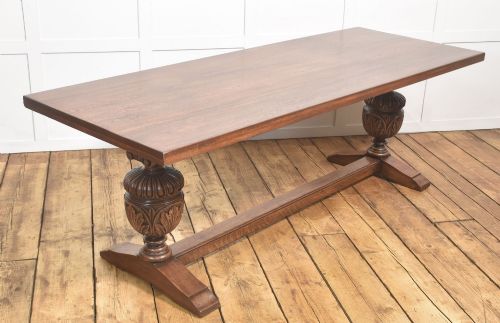
Vintage Pedestal Dining Table
A vintage pedestal dining table brings central column support and timber grain to a room, offering flexible seating for gatherings.
Vintage Pedestal Dining Table
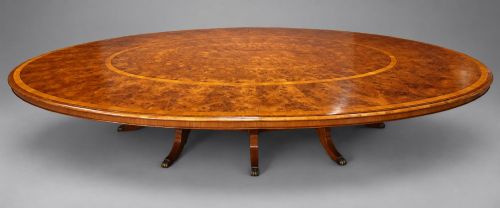
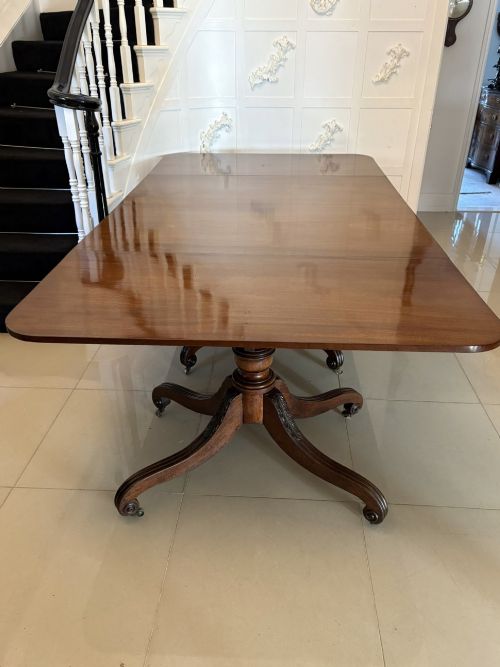
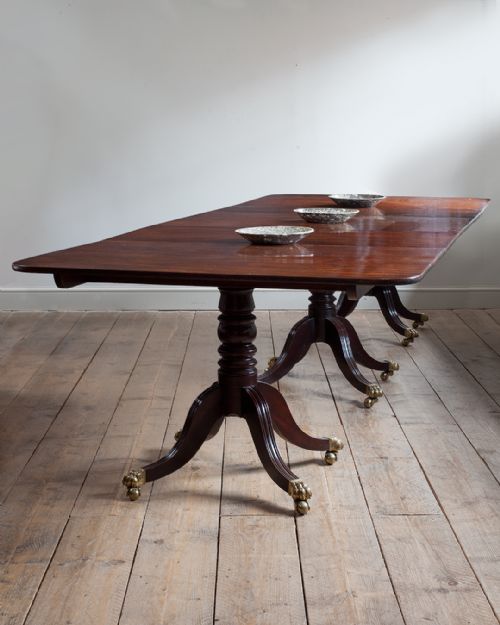
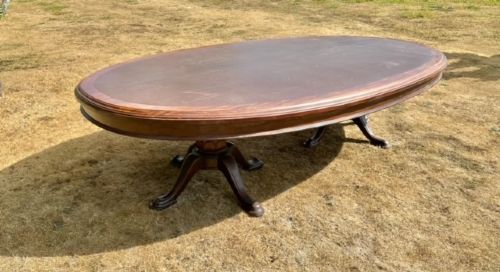
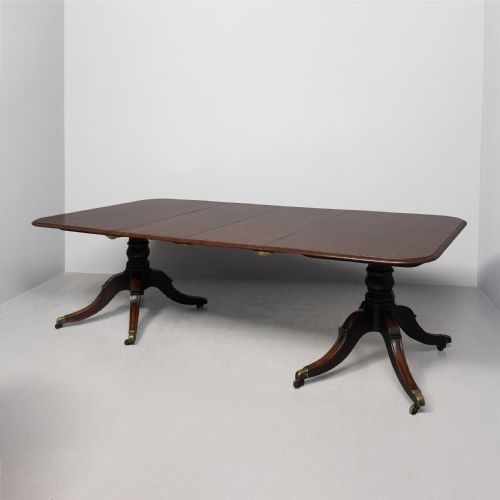
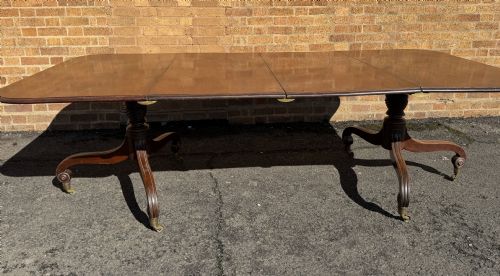
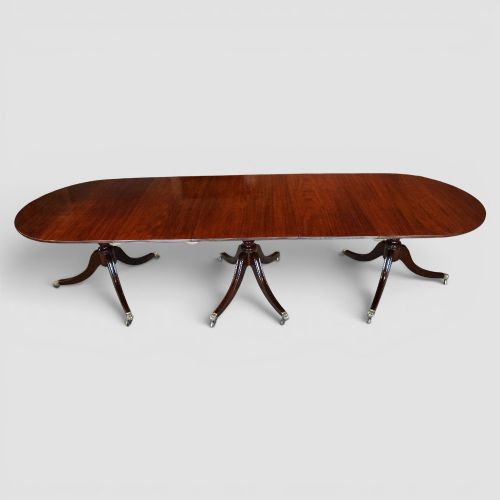
A vintage pedestal dining table stands on one or more central columns rather than standard corner legs, freeing space for chairs. Buyers searching for a vintage pedestal dining table most frequently meet extended formats with multiple pillars supporting long mahogany tops.
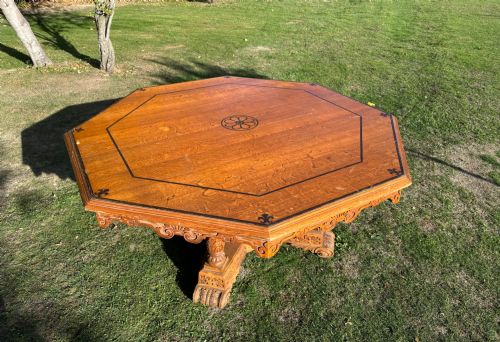
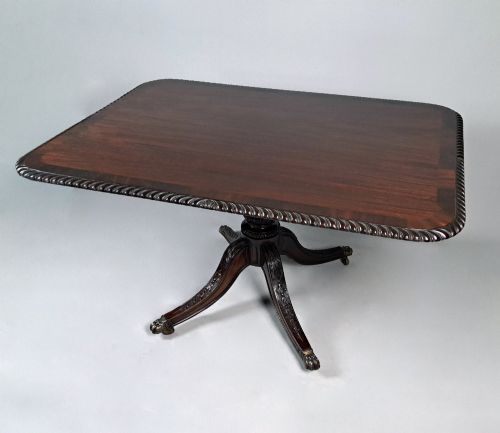
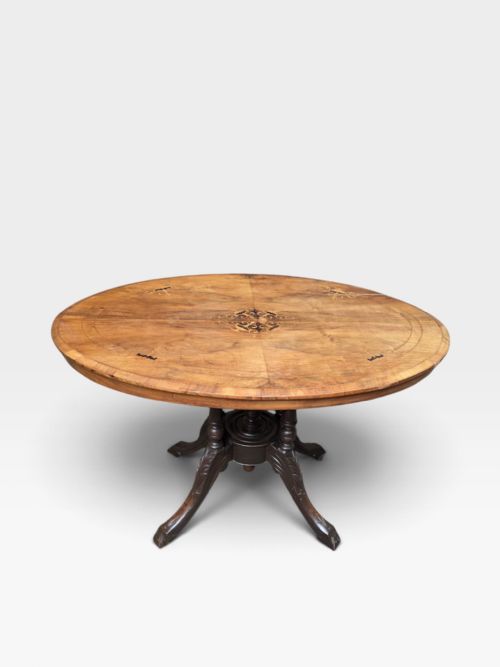
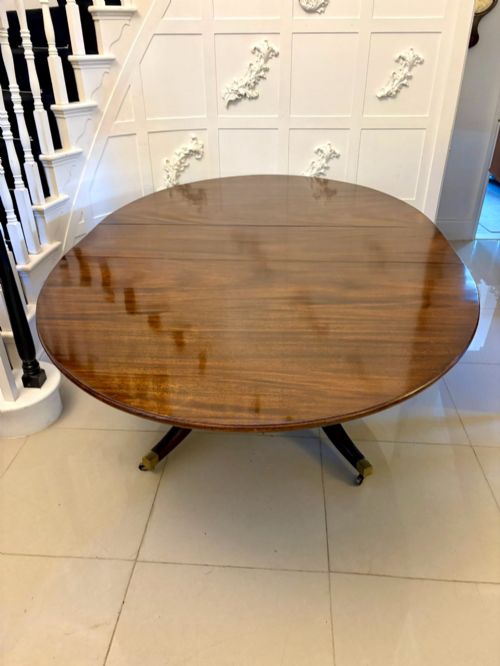
The selection spans formal Regency and Georgian dining tables alongside Edwardian and Art Deco iterations. Pieces range from compact breakfast tables with circular tilt tops to large extending tables designed for multiple leaves.
How they were made
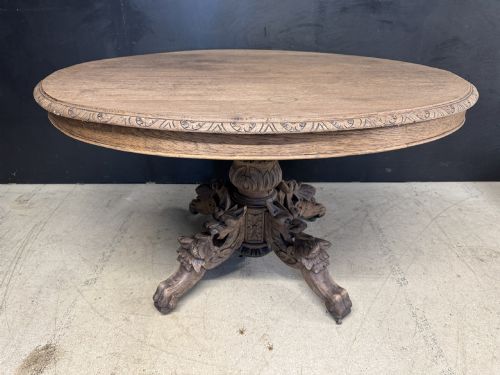
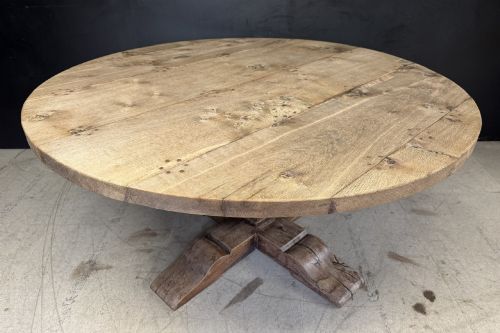
Cabinetmakers constructed these tables using dense hardwoods, predominantly figured mahogany, alongside rosewood, oak, and burr walnut. Timber was selected for grain pattern and seasoned to prevent movement in large panel surfaces.
Pedestal supports often incorporate brass castors, carved triform or quadreform bases, and tilt mechanisms fixed with brass catches. Leaves were engineered to drop in or slide on runners, allowing the table length to alter.
Vintage Pedestal Dining Table Retail Price Guide 2026
Typical asking prices for vintage pedestal dining table among the pieces listed under this phrase on Sellingantiques today, from the lower quarter to the upper quarter. They describe what is for sale here now, not the wider market.
Some tables double as dinner gongs for summoning household staff before the soup course.
What varies in quality
Quality rests in the choice of timber and the precision of the pedestal mechanism. Superior examples display symmetrical flame or figured mahogany veneers and solid brass mounts that operate smoothly.
Construction integrity defines the upper tier, where central pillars meet heavy support legs with tight joinery, ensuring the extended top remains stable under weight.
Harry and Lou Epstein·Whytock and Reid
The Vintage Pedestal Dining Table Glossary
- Pedestal
- A central column supporting the table top, replacing traditional corner legs to maximise legroom.
- Twin-pillar
- A table design utilising two central columns placed beneath the top to distribute weight evenly.
- Tilt-top
- A hinged table top that pivots to a vertical position for storage or room clearance when not in use.
- Draw leaf
- An extension system where leaves store beneath the main top and pull out from each end.
- Triform base
- A three-way foot configuration spreading outward from the base of the central pillar for stability.
Vintage Pedestal Dining Table: Frequently Asked Questions
How do I seat more guests?
Many of these tables accept removable timber leaves that insert into the centre on wooden runners. Winding mechanisms separate the pedestal bases to accommodate the extra panels.
Ensure the extension leaves match the original grain pattern and colour tone before seating guests.
Can I tilt the top down?
Tables equipped with a tilt mechanism use a brass catch beneath the surface to release the top. This allows the timber leaf to fold vertically against the central pillar.
Keep the mechanism lubricated and support the weight fully when returning the top to the horizontal position.
How do I identify the period?
Check the timber selection, base carving style, and edge moulding details against known design eras. Regency and Georgian examples favour straight-grained or figured mahogany with subtle brass inlay.
Later revival pieces and Art Deco designs introduce satinwood, rosewood, and geometric veneering patterns.
How do I care for the surface?
Polished hardwood surfaces require regular dusting with a soft, dry cloth to prevent micro-abrasions. Avoid placing hot dishes or wet glasses directly onto the antique timber.
Apply a traditional beeswax polish periodically to nourish the grain and maintain the natural lustre of the wood.