





Vintage Peat Bucket
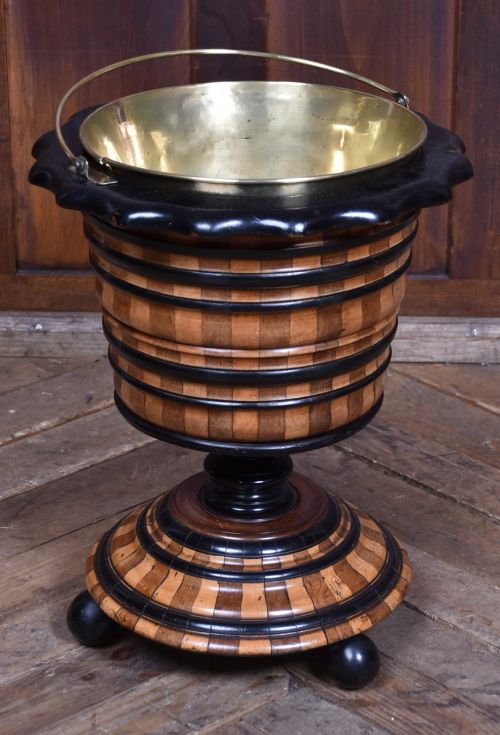
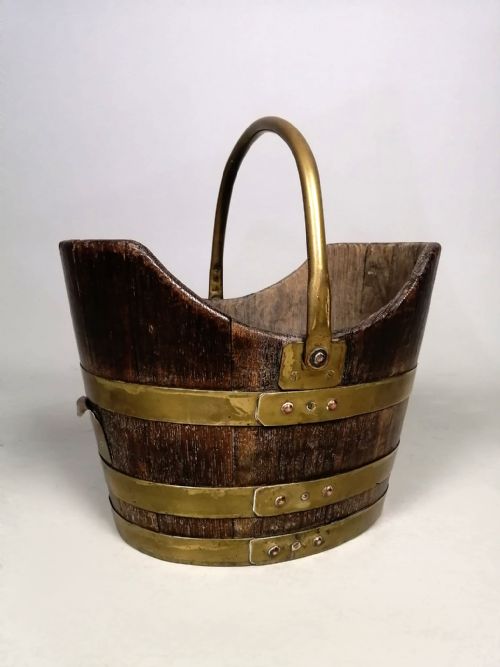
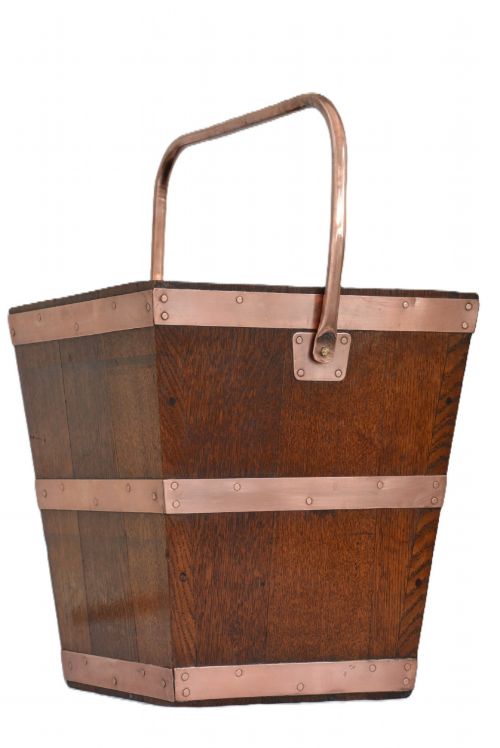
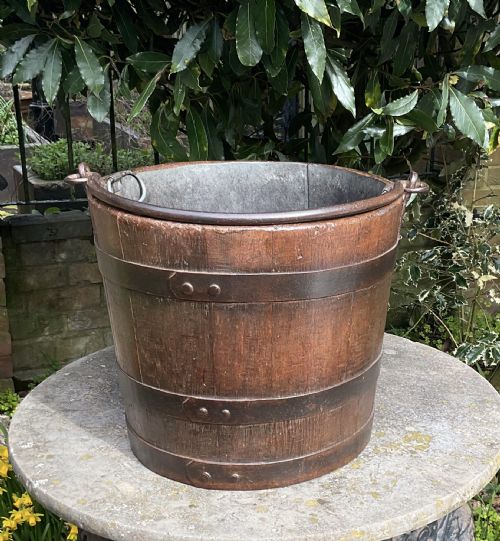
These vintage peat bucket examples bring sturdy domestic utility to the hearthside, combining functional timber staves with gleaming metal bands.
Vintage Peat Bucket
The selections on this page span several distinct periods, reaching from Georgian and Victorian eras into the early twentieth century. Common forms include coopered wooden barrels and triangular fireside bins, often equipped with metal liners.
Origins vary from English workshops to Dutch traditions, reflecting diverse domestic heating habits. These vessels frequently double as planters, jardinieres, or wine coolers in modern settings.
How they were made
Master coopers constructed these vessels using seasoned hardwoods such as oak, mahogany, walnut, and mixed hardwoods, shaping individual staves to form watertight or durable cylindrical bodies. Ebonised wood also appears among the selected finishes, providing a dark contrast.
Metal bands made of brass, copper, or iron secure the wooden staves together, held fast with rivets or lap joints. Many examples incorporate fitted metal liners to protect the timber base from damp fuel or soil.
Vintage Peat Bucket Retail Price Guide 2026
Typical asking prices for vintage peat bucket among the pieces listed under this phrase on Sellingantiques today, from the lower quarter to the upper quarter. They describe what is for sale here now, not the wider market.
Listings feature items spanning from the Georgian period through to the 1920s, constructed predominantly in oak, mahogany, and walnut with brass or iron banding.
What varies in quality
The distinction between ordinary utility items and superior examples lies in the tightness of the cooperage and the weight of the timber. Dense hardwoods and substantial brass banding indicate high construction standards.
Detailing such as turned mouldings, original metal liners, and well-preserved surface patination elevate certain pieces above standard utilitarian fire buckets.
The Vintage Peat Bucket Glossary
- Coopered
- Constructed from curved wooden staves bound together with metal hoops, much like a traditional barrel. This technique ensures structural stability for holding heavy loads of fuel or soil.
- Stave
- A narrow strip of wood with fitted edges that forms the sides of a barrel or bucket. Artisans bevel these pieces precisely so they lock together under tension.
- Teestoof
- A traditional Dutch warming device often comprising a wooden container with a metal liner. These items served domestic heating functions near the hearth.
- Jardiniere
- An ornamental pot or stand for holding plants and flowers. Many former fuel buckets find a second life in this decorative capacity.
- Patina
- The surface sheen and colour developed by timber and metal through age and handling. A rich patina signals years of careful use and natural oxidation.
Vintage Peat Bucket: Frequently Asked Questions
How were peat buckets used?
These vessels sat near the hearth to store dry fuel like peat or coal within easy reach of the fire.
Servants carried them from outdoor stores to replenish indoor grates during colder months.
Can I use mine as a planter?
Many examples lend themselves well to holding potted plants, provided the interior is lined to protect the wood.
Their sturdy timber construction and metal bands handle damp soil effectively when proper precautions are taken.
How do I clean the brass bands?
Dust the timber gently with a dry cloth and avoid harsh chemical polishes on the historic wood surface.
Brass bands respond well to careful, occasional cleaning with a mild metal cleaner while protecting the adjacent wood.
Are these buckets waterproof?
Coopered vessels rely on tightly fitted wooden staves that swell when exposed to moisture, sealing the joints naturally.
Many surviving pieces include removable metal liners designed specifically to contain damp contents without risking the wooden exterior.