


Vintage Paste Stone Pendant
These vintage paste stone pendant examples bring brilliant glass sparkle and rich historic metalwork together for everyday wear.
Vintage Paste Stone Pendant
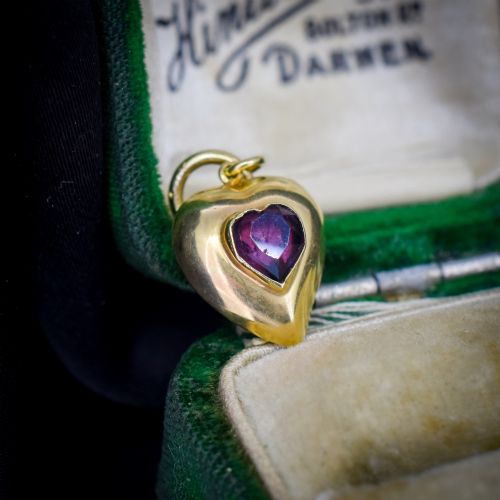
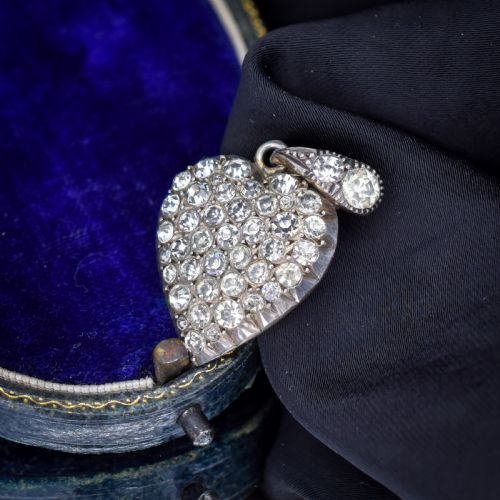
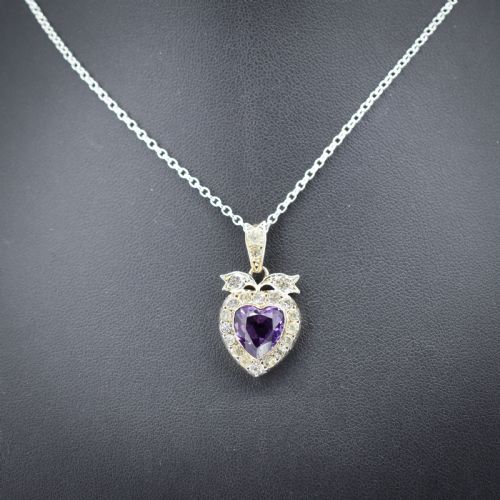
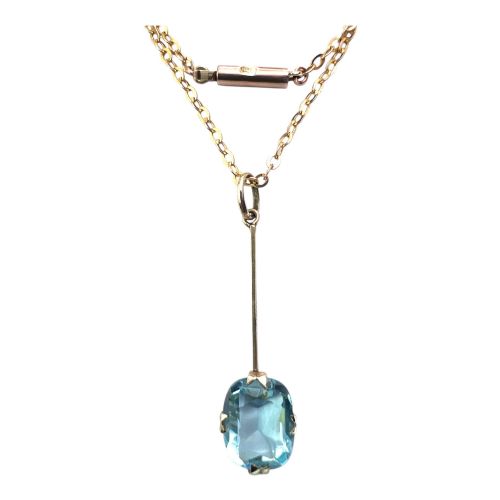
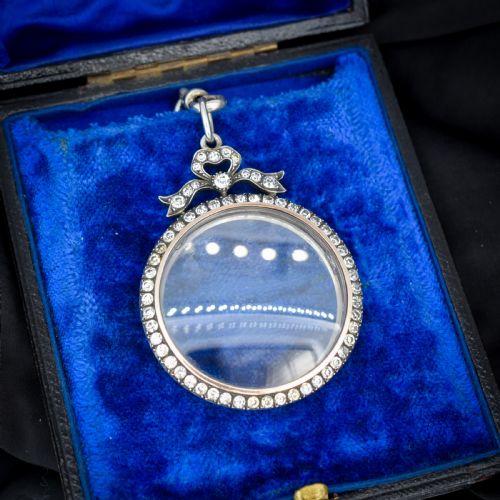
A vintage paste stone pendant combines faceted lead glass stones with precious metals like silver and gold to create luminous historical jewellery. These pieces appear in forms ranging from puffy hearts and bows to portrait lockets and drop necklaces.
The selections here span periods from the nineteenth century through the Victorian and Edwardian eras into the nineteen-forties. Buyers searching this phrase meet heart motifs, halo settings, and floral drops framed by sterling silver, nine-carat, or fifteen-carat gold.
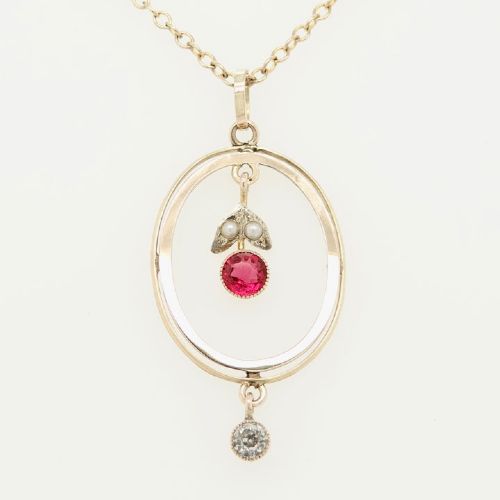
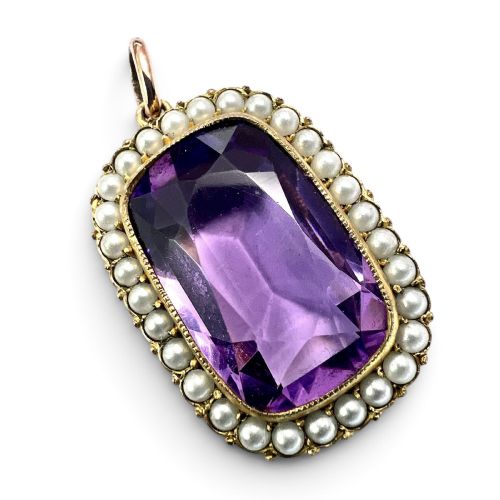
Makers of these items utilised delicate pearls alongside coloured glass stones to imitate natural gemstones with striking fidelity. The resulting pendants offer wearable history that captures the aesthetic ambitions of bygone decorative movements.
How these pieces were constructed
Craftsmen shaped lead glass into old-cut stones designed to catch candlelight and daylight alike, mounting them securely in metal settings. These paste stones are hand-set into silver or gold housings, often backed with foil to enhance their optical depth and brilliance.
Metalwork techniques include cast sterling silver, gilt finishes, and solid nine-carat, fourteen-carat, or eighteen-carat gold structures. Jewellers combined these precious metals with seed pearls and glass shakers to build dimensional pendants with articulated drops.
Some lockets conceal tiny glass shaker compartments designed to hold miniature portraits or sentimental locks of hair.
What separates the finest examples
Quality rests in the precision of the stone cutting and the integrity of the metal mounting. Hand-faceted old-cut paste displays sharper light refraction than mass-produced glass alternatives.
The finesse of the surrounding metalwork, whether an Etruscan revival gilt wire arrangement or a chased gold bow, determines the distinction of the piece. Well-preserved foil backings and secure claw or collet settings elevate the overall standard.
The Vintage Paste Stone Pendant Glossary
- Old Cut
- A hand-cut gemstone or paste facet arrangement pre-dating modern brilliant-cut machinery. These stones feature smaller tables and larger culets.
- Collet
- A band of metal that holds a stone in place by encircling its girdle. It forms a clean, continuous border around the paste.
- Gilt
- A thin layer of gold applied to the surface of silver or base metal. This technique provides the rich appearance of solid gold while utilising a different core material.
- Seed Pearl
- Very small natural or cultured pearls used in historic jewellery clusters. They are often strung or pegged closely together to form floral or geometric halos.
Vintage Paste Stone Pendant: Frequently Asked Questions
What is paste stone made of?
Paste is a heavy, high-lead glass formulation created specifically for cutting and polishing like a gemstone. Artisans mould or cut this glass by hand to mimic diamonds, amethysts, emeralds, and garnets.
Historic paste contains various mineral oxides to achieve deep colours, resulting in durable stones that retain their brilliance over centuries.
How do I date a paste pendant?
Dating relies on a combination of metal types, setting styles, and overall design motifs. Victorian pieces often feature closed-back foils and Etruscan revival details, while Edwardian examples favour light silver open-back settings and bows.
Later nineteen-forties items display retro-modern gold construction and bolder geometric proportions distinct from earlier periods.
Can I wear my pendant daily?
These historical pieces require gentle handling due to their age and delicate metal components. Paste is softer than diamond or sapphire and can scratch if stored carelessly alongside harder items.
Remove your pendant before swimming, bathing, or engaging in heavy physical work to protect the foil backs and delicate seed pearl accents.
Are the metal mounts solid gold?
Metal standards vary across the period evidence, encompassing sterling silver, gilt metals, and solid gold ranging from nine to eighteen carats. Hallmarks or acid testing confirm the specific alloy used in each mount.
Many Edwardian and Victorian pieces also combine silver settings on the face with gold reverses to optimize both appearance and strength.