



Vintage Paste Pin
A vintage paste pin packs the brilliance of fine gems into striking silver and metal mounts, offering authentic period sparkle.
Vintage Paste Pin
When you search for a vintage paste pin, you uncover ornamental brooches, bar brooches, and hair accessories designed to catch the eye. The pieces gathered here span from the Victorian and Edwardian eras through the Art Deco period and the 1940s.
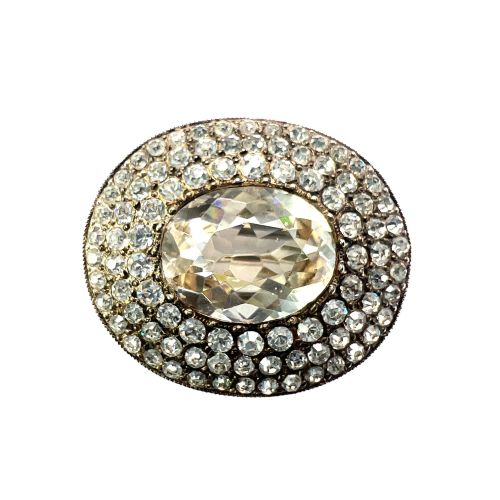
The version you are most likely to meet on this page is a silver or sterling silver brooch set with faceted paste glass mimicking diamonds, emeralds, rubies, or garnets. Forms range from crescent moons and flower baskets to lizards and witches hearts.
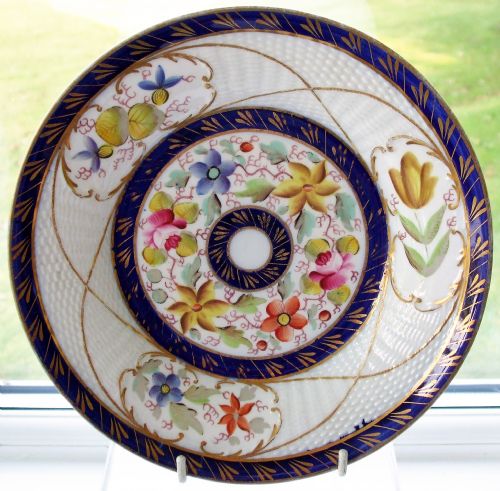
Makers and designers of these ornaments drew on Georgian and Victorian Etruscan Revival traditions, alongside geometric Art Deco layouts. Occasionally, related items such as porcelain dishes, necklaces, earrings, and hair combs appear alongside the core selection of pins.
How they were made
Makers utilised silver, sterling silver, and gilt metals as the primary foundations for mounting stones. Metalwork techniques combined secure settings with decorative elements such as gold leaf and tortoise shell.
The visual appeal relies on hand-cut paste glass stones, often utilising old cuts to replicate real gemstones like diamonds and emeralds. Stones were meticulously secured into metal mounts to create colourful floral, animal, and geometric arrangements.
Vintage Paste Pin Retail Price Guide 2026
Typical asking prices for vintage paste pin among the pieces listed under this phrase on Sellingantiques today, from the lower quarter to the upper quarter. They describe what is for sale here now, not the wider market.
Among the creatures pinned to lapels through the decades, silver lizards and flowering baskets persist in outliving their gardeners.
What varies in quality
Quality rests upon the precision of the stone-cutting and the complexity of the metal setting. Pieces featuring detailed figural motifs like lizards, flower baskets, or crescent moons demand superior craftsmanship from their makers.
The depth and brilliance of the paste glass differentiate standard items from exceptional examples. Finer pieces demonstrate careful colour coordination across multiple stones, maintaining secure placement within substantial silver or gilt frames.
Charles Horner
The Vintage Paste Pin Glossary
- Paste
- Hand-cut and polished glass designed to imitate precious gemstones. It has been utilised in jewellery for centuries to achieve high sparkle without using genuine diamonds or coloured stones.
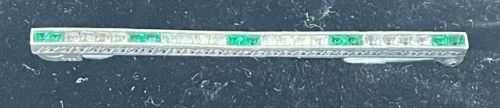
- Bar brooch
- A slender horizontal pin popular during the Edwardian and Art Deco periods. These items often feature a single central motif or a row of graduated paste stones.
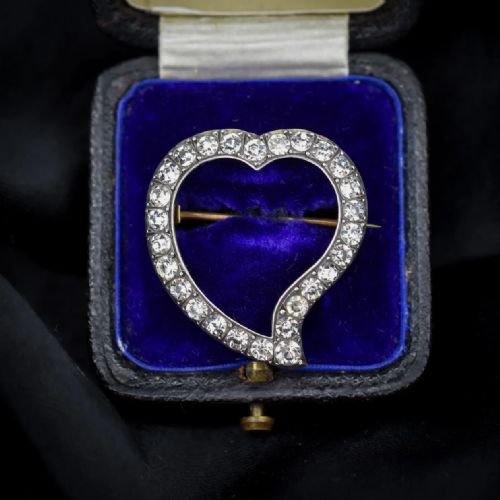
- Witches heart
- A distinctive jewellery motif featuring a heart shape with a twisted tail at the top. This romantic design frequently appears in antique and Victorian silver pieces.
- Giardinetti
- Italian for little garden, this style depicts a small floral arrangement in a pot or basket. Antique examples translate this theme into colourful paste stones.
- Etruscan Revival
- A 19th-century design movement inspired by ancient archaeological discoveries. Jewellery from this period often incorporates granulation and applied wirework on gilt metals.
Vintage Paste Pin: Frequently Asked Questions
What is a paste pin?
A paste pin is a decorative brooch or fastener set with hand-cut glass designed to imitate diamonds or precious gems.
These items range from simple Edwardian bar brooches to elaborate Victorian crescent and floral designs set in silver.
How do I date a paste brooch?
Dating relies on the style of the metalwork, the cut of the stones, and the overall form. Victorian pieces often use heavy silver mounts and natural motifs.
Later items from the 1920s and 1930s typically embrace geometric Art Deco lines or stylised animal shapes.
Were these pins worn daily?
In the 19th and early 20th centuries, decorative pins served as versatile fasteners for shawls, collars, and hats. They transitioned easily from daytime wear to evening attire.
Today, collectors wear them as lapel ornaments or utilise them to secure scarves and knitwear.
What is old cut paste?
Old cut paste refers to glass stones hand-faceted to mimic the softer, deeper light refraction of antique diamond cuts. This technique predates modern machine cutting.
Stones with this finish display a warm, subtle glow rather than the sharp brilliance of modern brilliant cuts.