


Vintage Paste Glass Jewellery
Vintage paste glass jewellery offers the brilliance of diamonds and coloured gems through hand-cut glass set in precious metals across multiple historic eras.
Vintage Paste Glass Jewellery
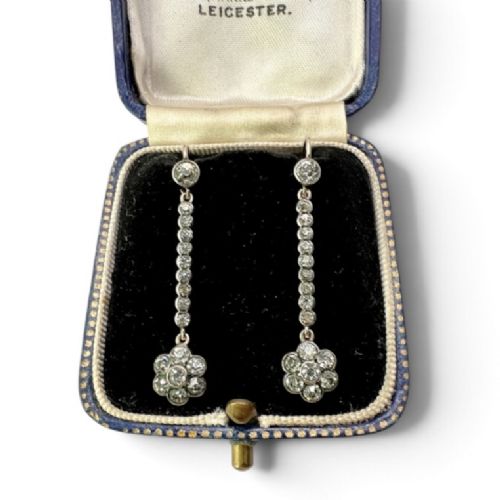
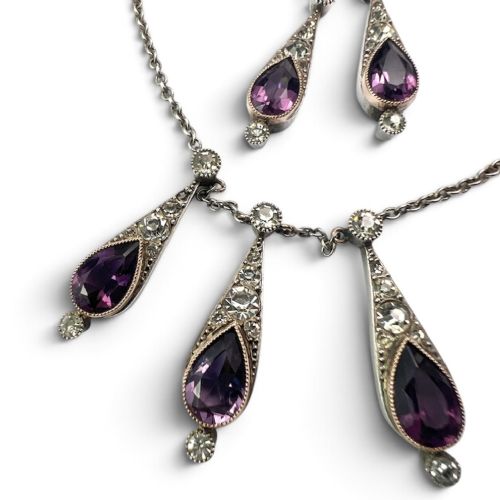
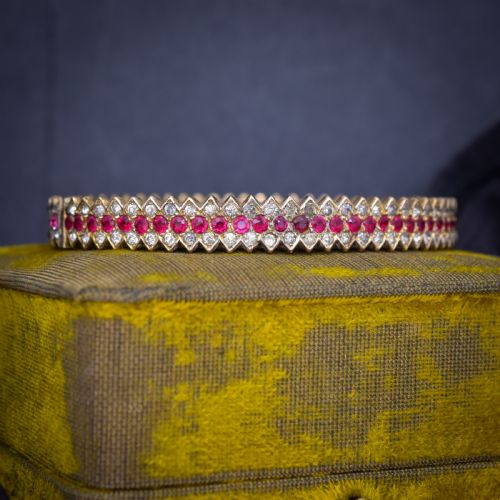
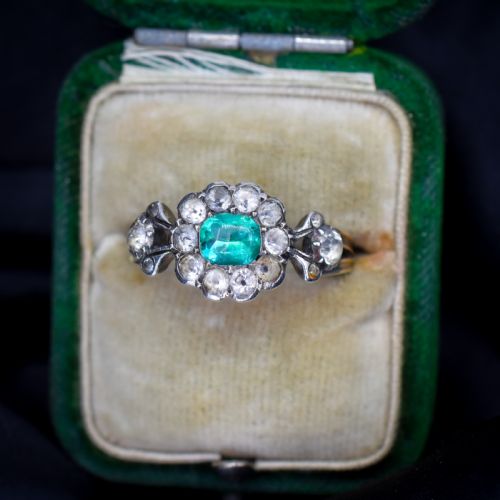
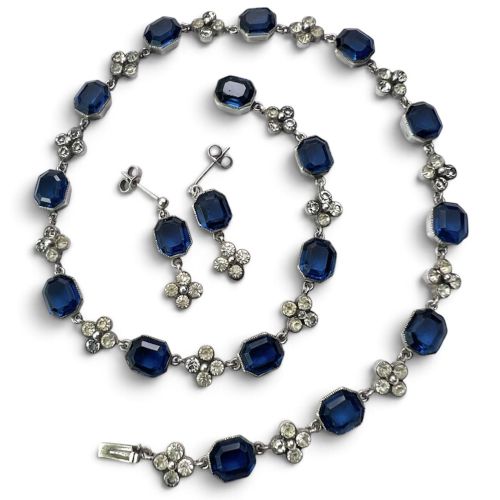
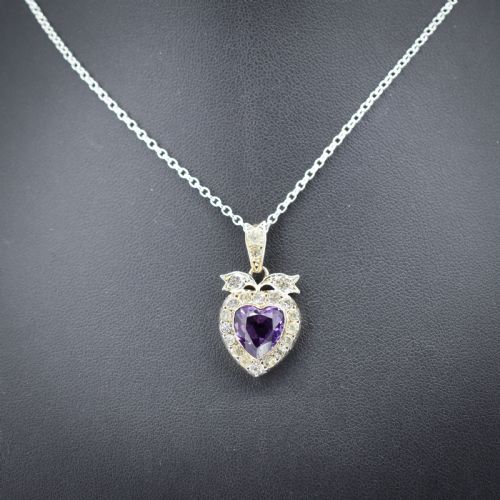
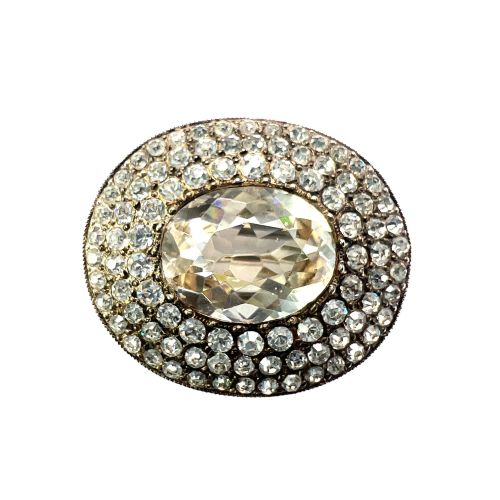
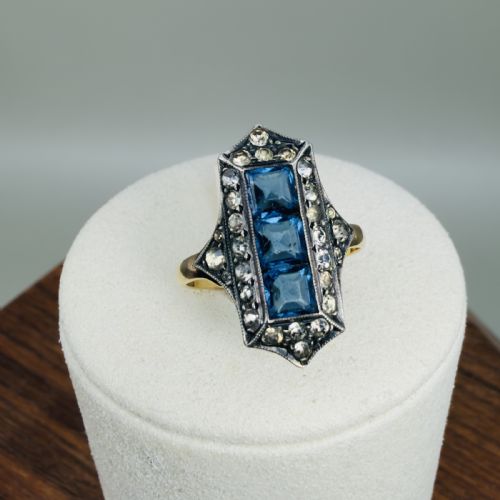
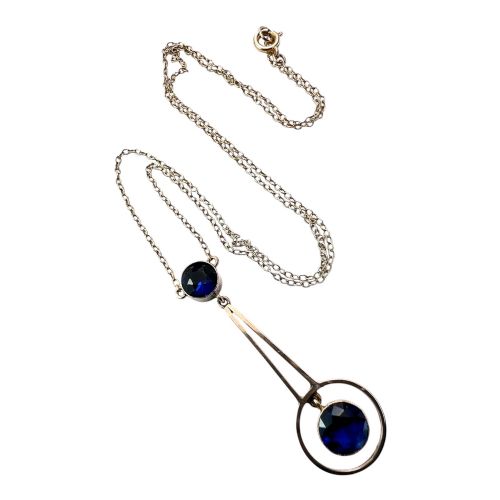
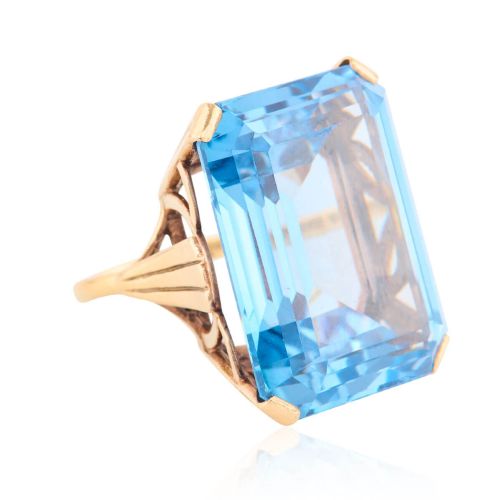
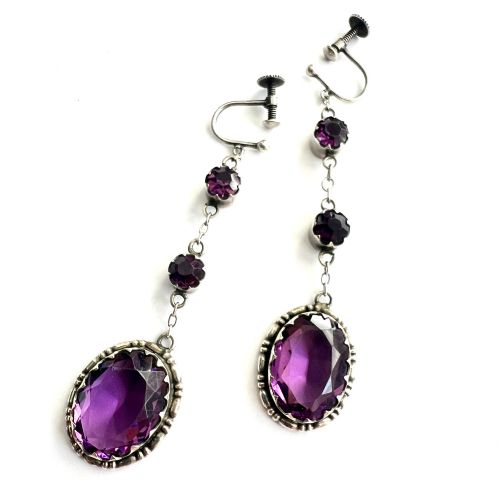
Vintage paste glass jewellery comprises ornamental pieces fashioned from lead glass cut and polished to mimic precious gemstones. Buyers searching for vintage paste glass jewellery encounter items ranging from Georgian and Victorian cluster rings to Edwardian drop necklaces and Art Deco silver bracelets.
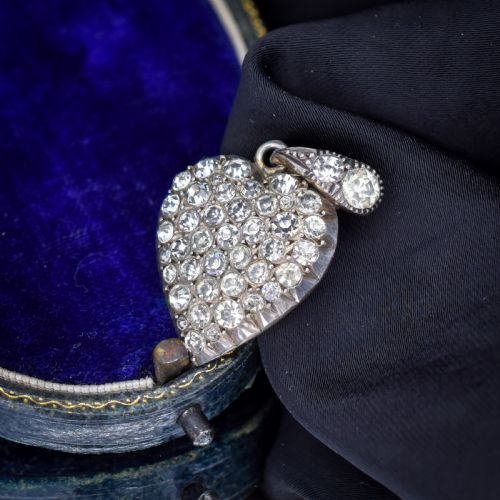
Pieces frequently combine silver, sterling silver, gold, and gold gilt settings to house the glass stones. These items range from delicate Lavalier pendants and bow lockets to bold statement bracelets and matching jewellery sets.
How they were made
Craftsmen manufactured paste glass by melting lead glass compositions to achieve high refractive indices, closely mirroring the sparkle of natural gems. Artisans then faceted and polished each glass stone by hand before securing them into metal settings.
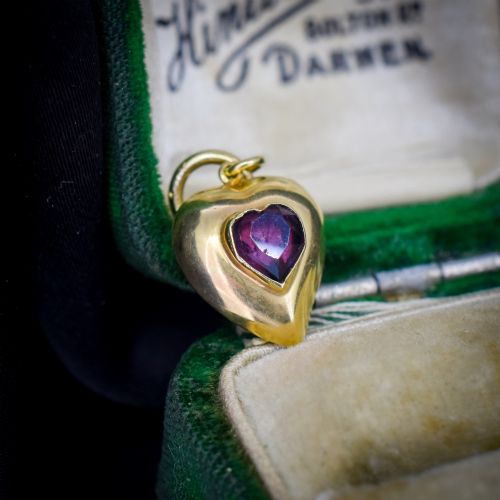
Makers utilised silver, sterling silver, gold, and 9ct or 18ct gold settings to hold the paste stones. Many older examples feature closed-back settings with foil linings placed beneath the glass to enhance light reflection and colour depth.
Listings feature paste glass jewellery spanning Victorian, Edwardian, Art Deco, and Georgian periods, utilising silver, sterling silver, gold, and 9ct or 18ct gold.
What varies in quality
Quality in paste glass pieces depends heavily on the precision of the stone cutting and the complexity of the metalwork. Hand-cut stones with sharp facets and secure settings represent superior craftsmanship compared to mass-produced alternatives.
The choice of setting metal also influences overall quality, with higher-grade pieces utilising sterling silver or substantial gold weights rather than base metals. Additionally, the survival of original foil backings and matched stone colours distinguishes finer examples.
Charles Horner·Argy Rousseau·Knoll & Pregizer
The Vintage Paste Glass Jewellery Glossary
- Paste
- A heavy, high-refractive lead glass used as an imitation gemstone. Artisans facet and polish paste by hand to capture light in the manner of a genuine diamond or coloured stone.
- Riviere necklace
- A continuous line of closely set gemstones or paste stones of graduating or uniform size. These necklaces sit flat against the collarbone and feature individual closed or open-back settings linked together.
- Pate de verre
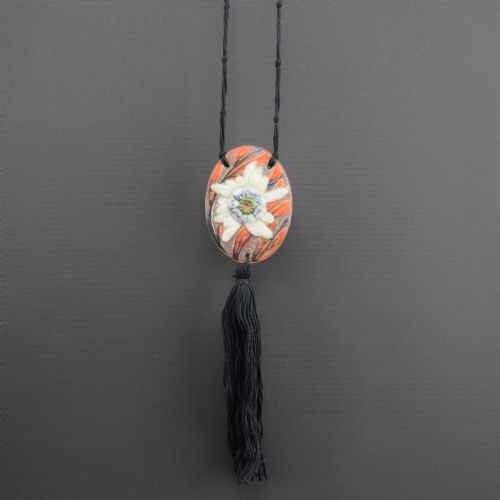
- A glass-casting method where finely crushed glass is packed into a mould and fused in a kiln. This technique produces pieces with a characteristic frosted texture and mottled colour.
- Black dot paste
- A specific Georgian technique where a tiny dark spot is painted onto the culet of a paste stone to simulate the open culet or dark inclusions found in natural diamonds.
- Giardinetti
- A jewellery style translating to little garden, depicting a small floral arrangement within a basket or vase. These motifs utilise colourful paste stones to represent individual petals and leaves.
Vintage Paste Glass Jewellery: Frequently Asked Questions
What is vintage paste glass jewellery?
Vintage paste glass jewellery consists of decorative ornaments set with high-lead glass designed to imitate diamonds and coloured gemstones. These items date from historic periods such as the Georgian, Victorian, and Art Deco eras.
Craftsmen set the hand-cut glass into precious metals including silver, sterling silver, and gold. Items include rings, brooches, necklaces, and earrings worn for formal and daily attire.
How do you clean paste glass jewellery?
Cleaning paste glass requires gentle methods to protect the delicate metal settings and any foil backings behind the stones. A soft, dry cloth removes surface dust without risking moisture damage.
Submerging vintage paste pieces in water can ruin foil-backed stones or cause corrosion in older silver and gold settings. Professional jewellery cleaning is advisable for valuable antique items.
How can you tell old paste from modern glass?
Older paste glass often exhibits irregular hand-cut facets and tiny surface abrasions visible under magnification. The weight and warmth of the piece also differ from modern plastic or machine-cut crystal.
Settings provide another clue, as Georgian and Victorian pieces employ traditional construction techniques like closed-back foils and hand-crimped collets. Hallmarks or metal tests help confirm the age of the accompanying silver or gold mount.
Did royalty wear paste jewellery?
European royalty and nobility frequently wore paste jewellery alongside or instead of their actual crown jewels. Master jewellers created intricate paste pieces because they offered immense sparkle without the risk of wearing priceless gems in public.
Historic paste items held significant monetary and artistic value in their own right, rather than serving merely as cheap substitutes. Wealthy patrons commissioned elaborate matching sets featuring fine silver and gold work.