



Vintage Partitions
Vintage partitions divide a space with character, offering folding panels of wood, lacquer, and fabric to shape rooms effectively.
Vintage Partitions
When searching for vintage partitions, buyers encounter folding screens, room dividers, dressing screens, and smaller tabletop pieces designed to segment interiors.
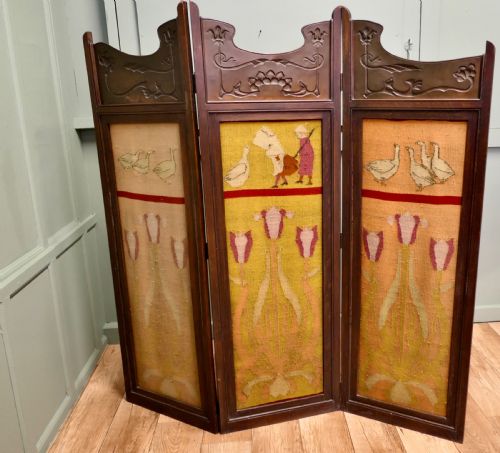
The most common versions on this page are multi-panel folding screens spanning periods from the eighteenth century through to the art deco era.
These pieces function as flexible room dividers, privacy screens, and decorative focal points within domestic spaces.
Materials and construction
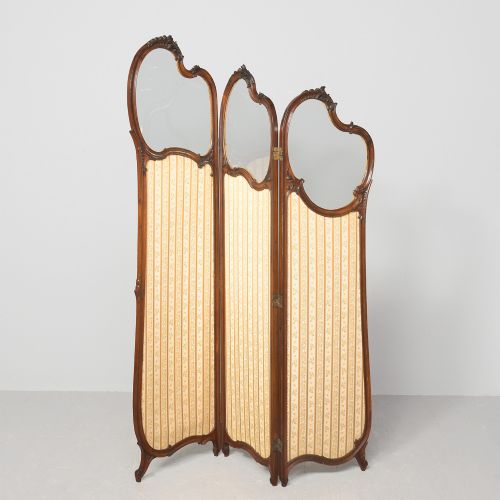
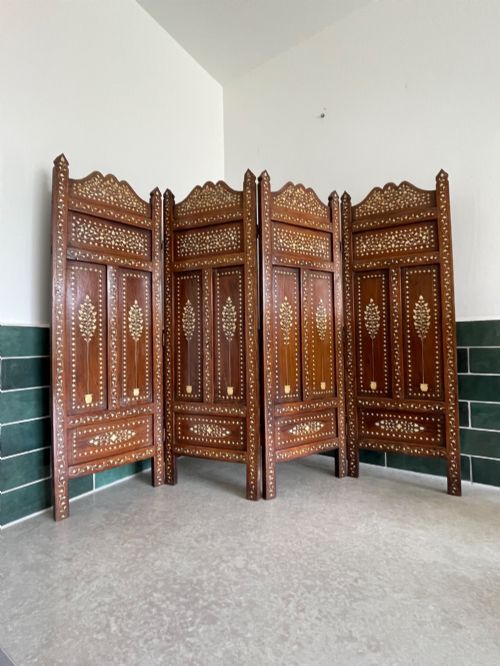
Makers utilised solid timbers such as mahogany, padauk, oak, and walnut, often shaping them into multi-fold hinged frames.
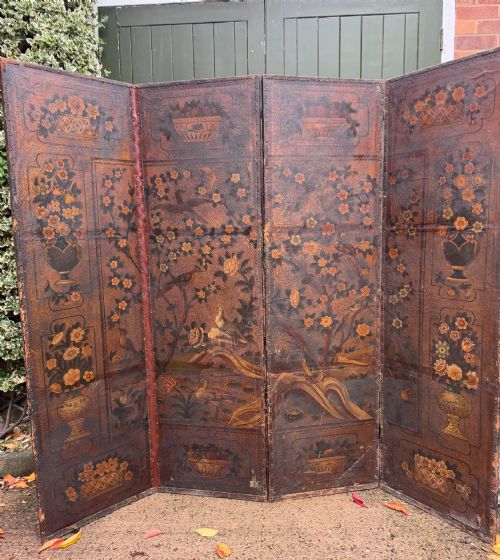
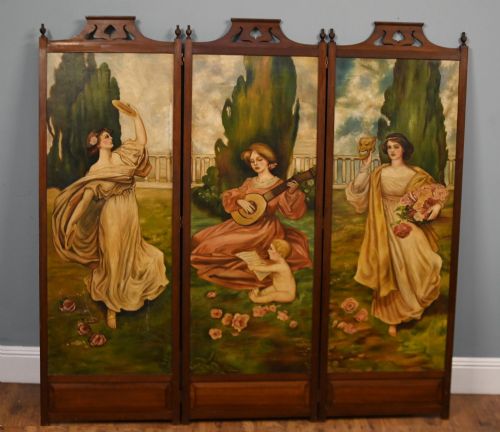
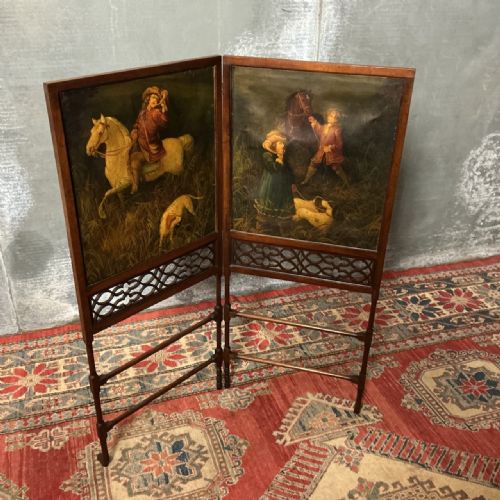
Surfaces received intricate treatments including lacquer, gilding, hand-painted leather, oil paintings, needlepoint, and fabric panels.
Some examples incorporated glazed glass sections, brass hardware, or fretwork carvings to alter light and opacity across the panels.
Vintage Partitions Retail Price Guide 2026
Typical asking prices for vintage partitions among the pieces listed under this phrase on Sellingantiques today, from the lower quarter to the upper quarter. They describe what is for sale here now, not the wider market.
Laundry storage boxes appear alongside tall room dividers, proving that vintage organisation was every bit as folded as the partitions.
Assessing quality
Quality rests upon the execution of the decorative surface, whether through detailed hand-painting, carved dragon motifs, or inlaid woodwork.
The rigidity of the hinges and the stability of multiple folding panels dictate how well a tall screen stands unsupported.
Subtleties in material selection, such as dense hardwood frames versus lighter timbers, separate standard room dividers from exceptional ones.
The Vintage Partitions Glossary
- Folding screen
- A piece of furniture consisting of two or more panels that are connected by hinges and can be folded. They serve to divide a room or provide privacy.
- Chinoiserie
- A European artistic style reflecting Chinese motifs and techniques. It appears frequently on lacquered and painted wooden panels.
- Dressing screen
- A tall movable partition historically used in bedrooms for changing clothes. They often incorporate mirrors, needlepoint, or fabric.
- Fretwork
- Ornamental design consisting of pierced or carved patterns. This technique decorates the upper or lower sections of wooden frames.
Vintage Partitions: Frequently Asked Questions
How do I use vintage partitions at home?
These folding screens create distinct zones within open-plan living areas or section off corners for privacy without building permanent walls.
Position them to catch light or hide storage areas while adding period texture to a room.
What periods do these screens come from?
The selection spans from the eighteenth century through Victorian, Edwardian, and Art Deco eras up to the mid-twentieth century.
Different decades brought distinct aesthetic choices, from heavy carved wood to bright lacquer and painted leather.
Are these screens stable on hard floors?
Multi-panel screens stand securely when angled slightly rather than pulled flat, distributing their weight evenly across the hinges.
Heavier hardwood and framed glass versions offer substantial mass to resist movement.
What materials make up these room dividers?
Construction relies primarily on wood frames enclosing panels of fabric, painted leather, silk, canvas, or leaded glass.
Brass hardware commonly joins the folding sections together.