




Vintage Parquetry Furniture
Vintage parquetry furniture brings geometric wooden surfaces into rooms through chests, desks and beds originating from the nineteenth and early twentieth centuries.
Vintage Parquetry Furniture
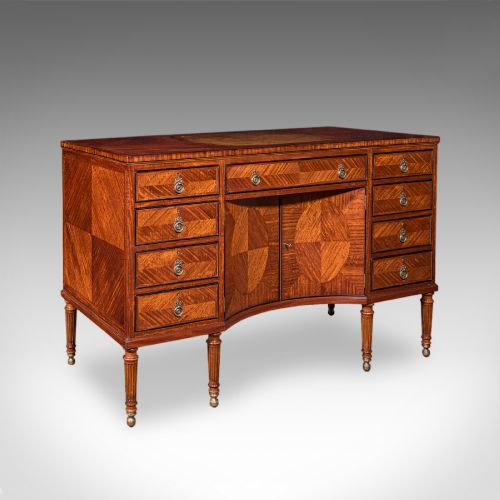
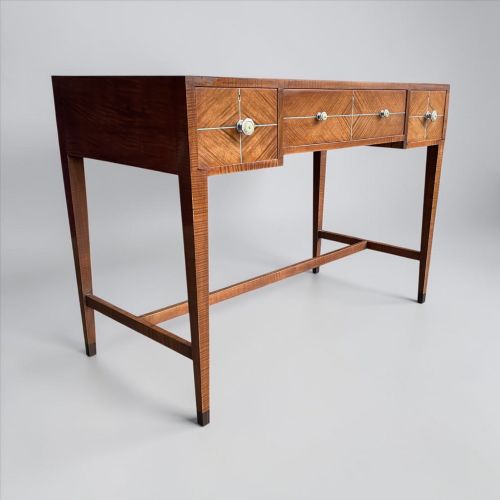
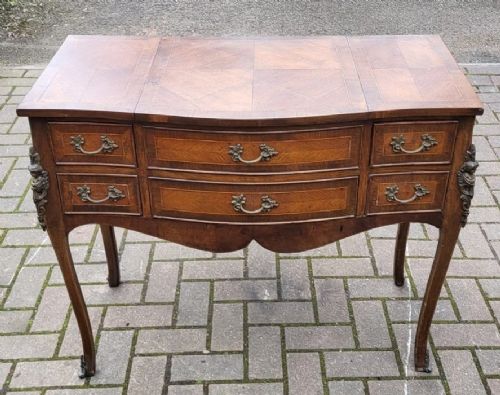
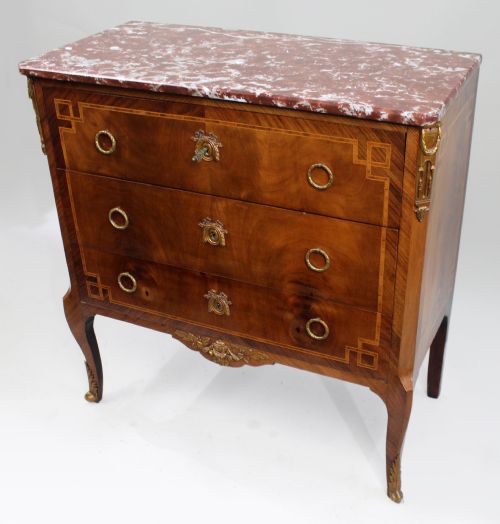
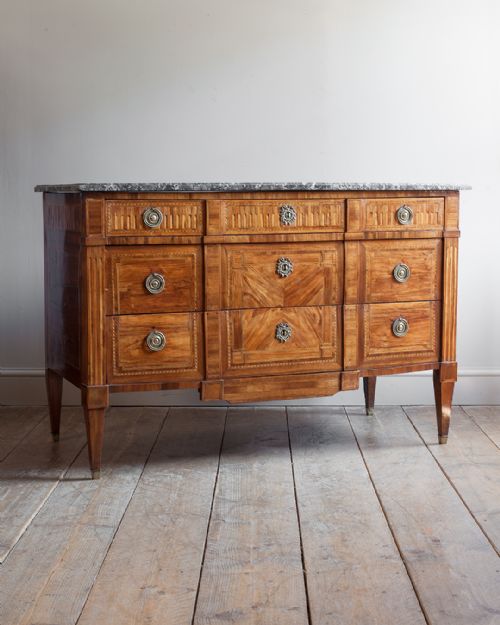
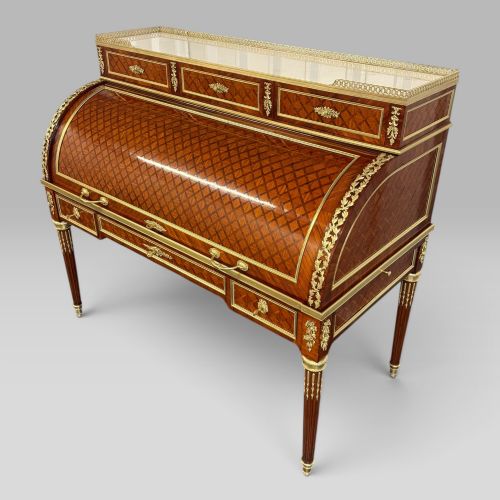
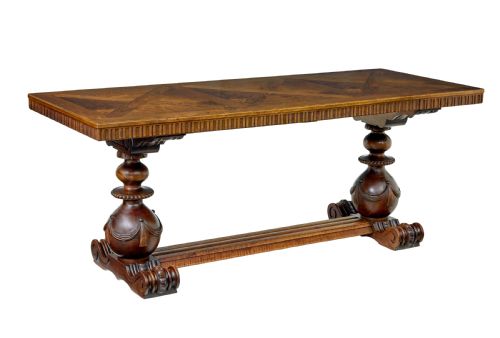
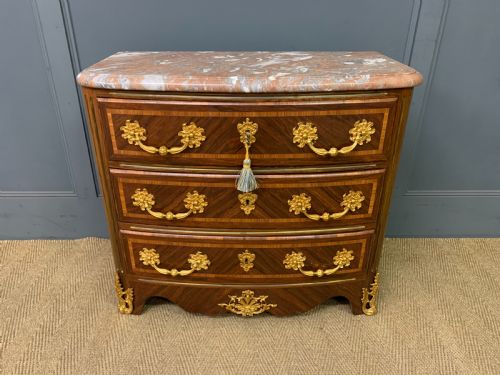
When you search for vintage parquetry furniture, you encounter pieces defined by geometric wood veneers arranged in repeating patterns across surfaces. The selection relies heavily on French forms, notably commodes, side tables and writing desks created during revival periods.
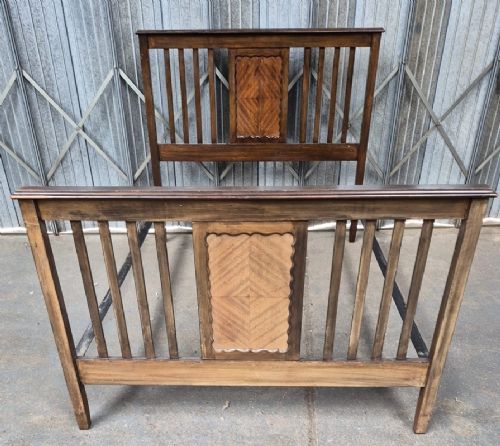
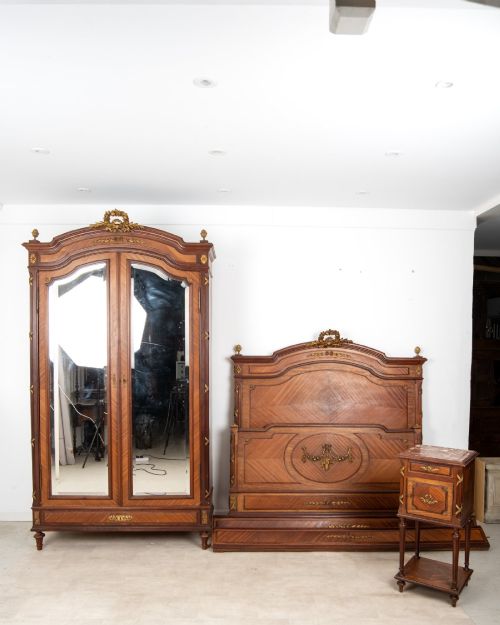
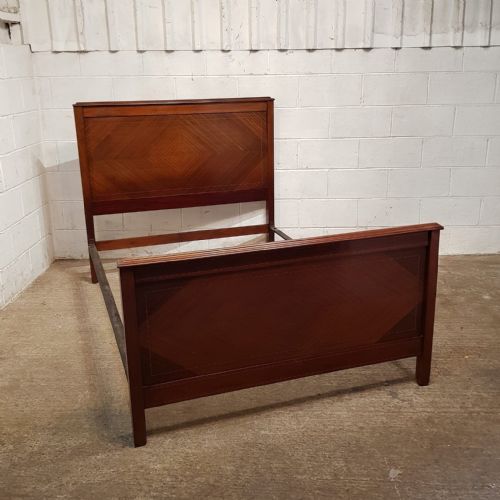
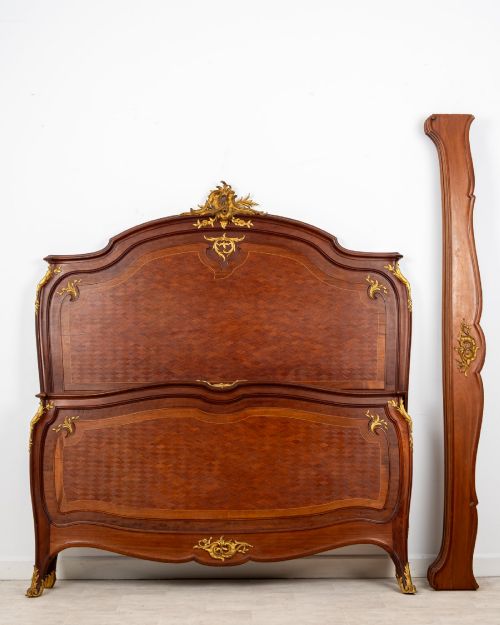
Most examples date from the nineteenth and early twentieth centuries, drawing on Louis XV and Louis XVI styles. Alongside these chests and tables, the selection includes beds, bedside cabinets and occasional furniture employing contrasting timbers.
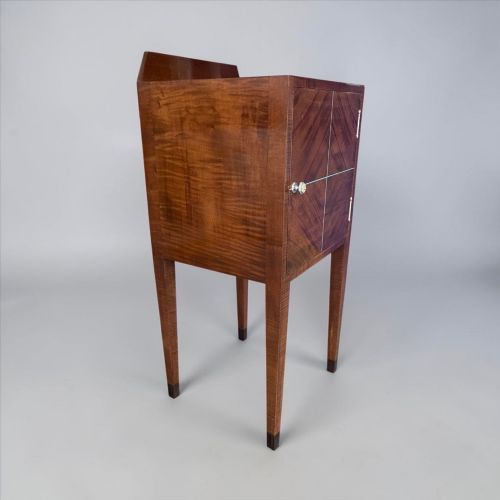
While formal commodes dominate the selection, smaller items such as kidney-shaped bedside tables and occasional pieces appear frequently. These functional forms span walnut, mahogany and kingwood construction.
How they were made
Craftsmen built these pieces using supportive carcases of walnut, mahogany or cherrywood covered in carefully cut veneers of kingwood and satinwood. Precision in cutting timber segments allowed complex geometric arrangements to sit flush across table tops and drawer fronts.
Mounts in ormolu and brass reinforced structural corners and drawer frames, particularly on French revival pieces. Marble tops in white, rouge and scagliola varieties provided heavy, polished working surfaces above wooden bases.
Vintage Parquetry Furniture Retail Price Guide 2026
Typical asking prices for vintage parquetry furniture among the pieces listed under this phrase on Sellingantiques today, from the lower quarter to the upper quarter. They describe what is for sale here now, not the wider market.
Miniature apprentice chests demonstrate full-scale cabinetmaking techniques in miniature form.
What varies in quality
Quality rests on the precision of the timber mosaic and the selection of cabinet woods. Tighter geometric alignment and richer secondary timbers distinguish finer examples from standard production.
The integration of bronze or ormolu mounts and the weight of marble tops indicate the grade of a piece. Substantial, well-fitted stone and crisp metalwork separate superior desks and commodes from simpler bedroom furniture.
Liberty's of London
The Vintage Parquetry Furniture Glossary
- Parquetry
- Geometric wood veneer work arranged in patterns such as squares, triangles and lozenges. This technique forms the decorative surface seen across tables and drawer fronts.
- Commode
- A low chest of drawers, often standing on cabriole or tapered legs. French examples frequently incorporate marble tops and elaborate mounts.
- Ormolu
- Gilded bronze used for decorative mounts and feet. It protects corners and frames drawer openings on revival furniture.
- Kingwood
- A dense, dark Brazilian timber with rich figuring. Cabinetmakers utilised it extensively for contrasting veneer panels.
- Scagliola
- A composite material made from selenite, glue and pigments, mimicking natural marble. It provides colourful decorative surfaces on table tops.
Vintage Parquetry Furniture: Frequently Asked Questions
How do I clean marble tops?
Wipe marble surfaces using a soft cloth dampened with warm water and mild soap. Avoid acidic cleaners that etch the polished stone.
Dry the surface thoroughly to prevent water spots and maintain the natural sheen of the marble.
Are these pieces French?
Many examples originate from France, particularly those following Louis XV and Louis XVI revival styles. French pieces frequently feature marble tops and ormolu mounts.
Other items reflect Edwardian production and Scandinavian workshops using similar timber techniques.
How do I protect veneer?
Keep wooden surfaces away from direct sunlight and steady heat sources to prevent timber from drying and splitting. Maintain stable indoor humidity levels.
Apply occasional wax polish suitable for antique furniture to nourish the timber and protect the finish.
What is the difference between parquetry and marquetry?
Parquetry uses geometric wood pieces to create repeating patterns like cubes or herringbone designs. It relies on straight lines and mathematical precision.
Marquetry employs varied veneers to form pictorial scenes, floral motifs or curved organic shapes across the furniture surface.