



Vintage Paper Opener
These vintage paper openers are practical desk accessories designed to slice through envelopes and turn pages with ease.
Vintage Paper Opener
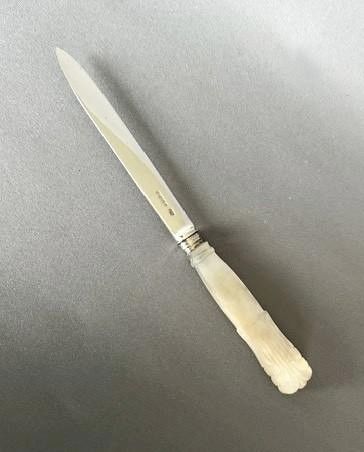
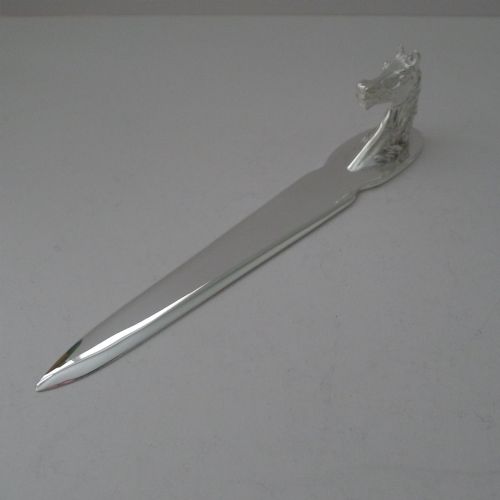
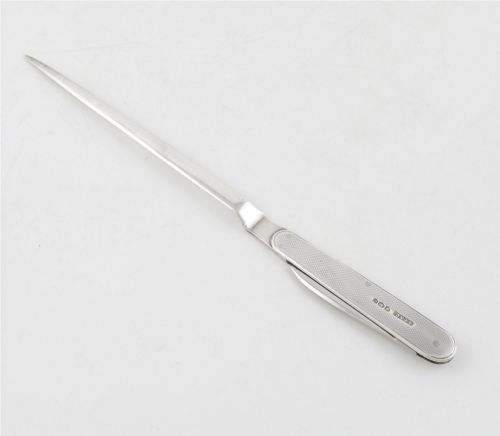
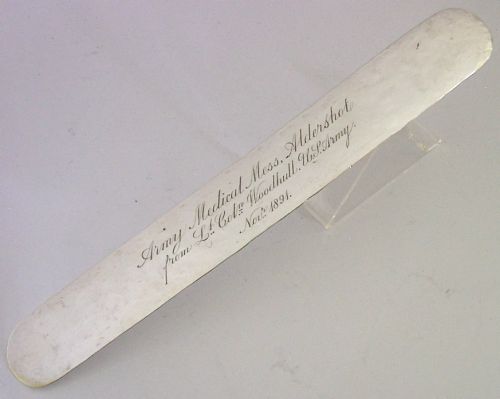
A vintage paper opener serves as a functional desk accessory for cutting correspondence and turning bound pages cleanly. When exploring this selection, buyers encounter various forms ranging from simple blades to combined paper knife designs.
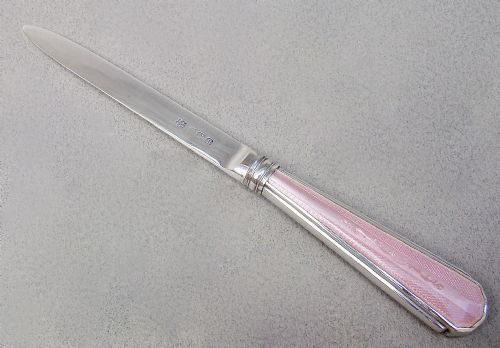
The objects span multiple decades including the Edwardian era, Art Deco period, and mid-twentieth century. Materials shift from traditional sterling silver and horn to carved wood and tortoiseshell.
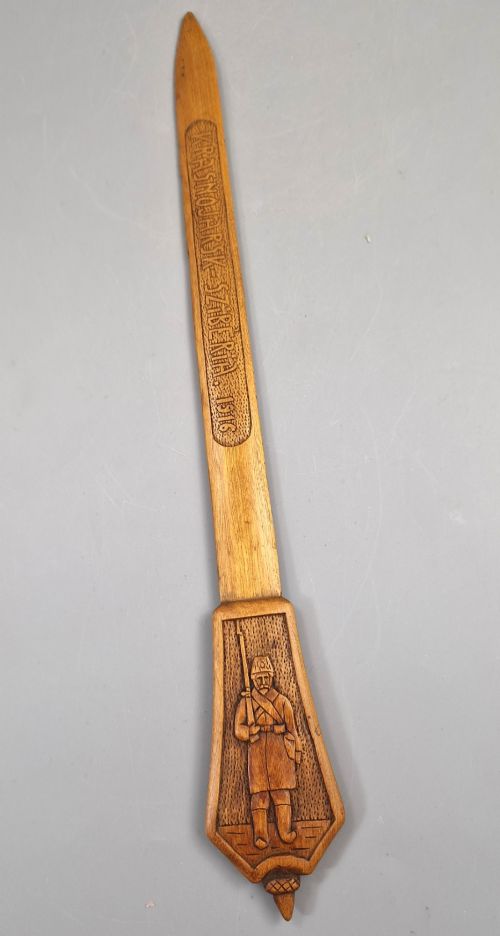
Makers and makers' marks occasionally appear on sterling silver blades from Birmingham or Chester assay offices, alongside provincial Scottish provincial pieces and trench art items from prisoner-of-war camps.
Materials and construction
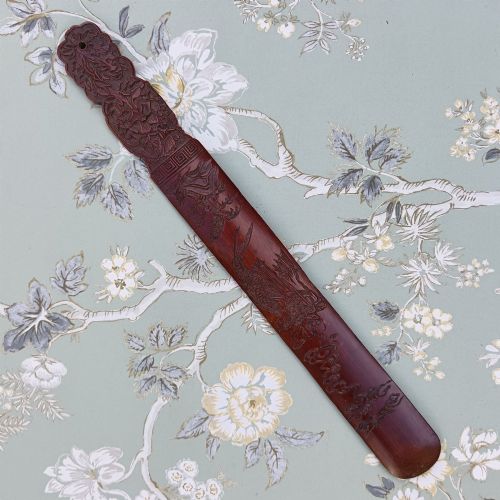
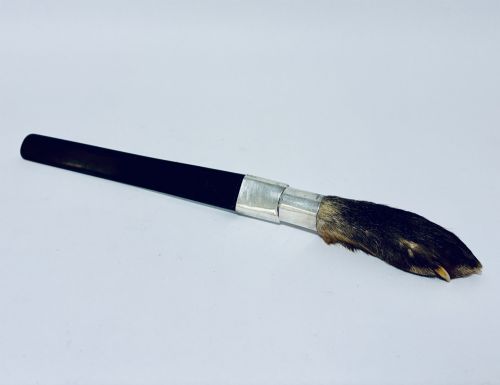
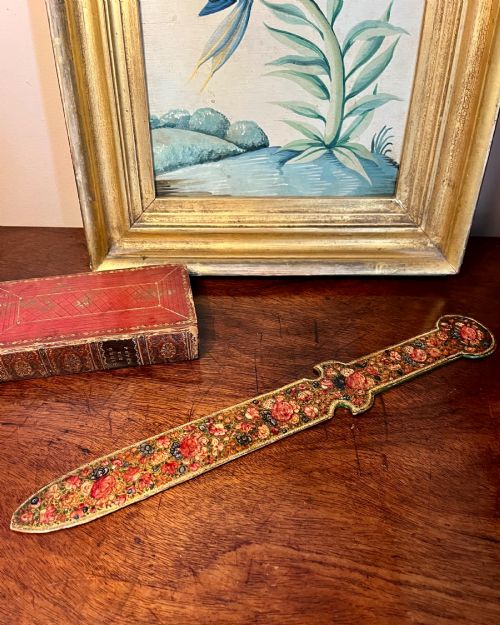
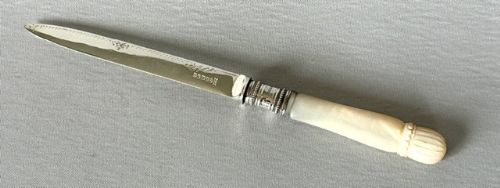
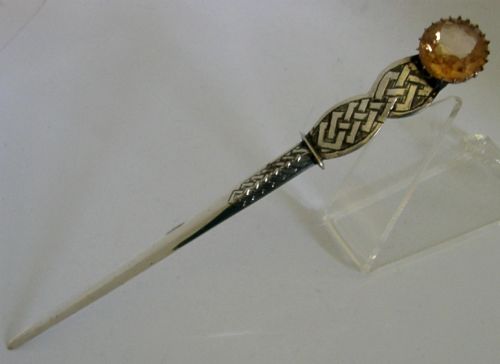
Metals such as sterling silver, silver plate, and gilded bronze form the handles and blades of many examples, often paired with natural organic materials. Artisans utilised mother-of-pearl, tortoiseshell, horn, and various woods for the central shafts.
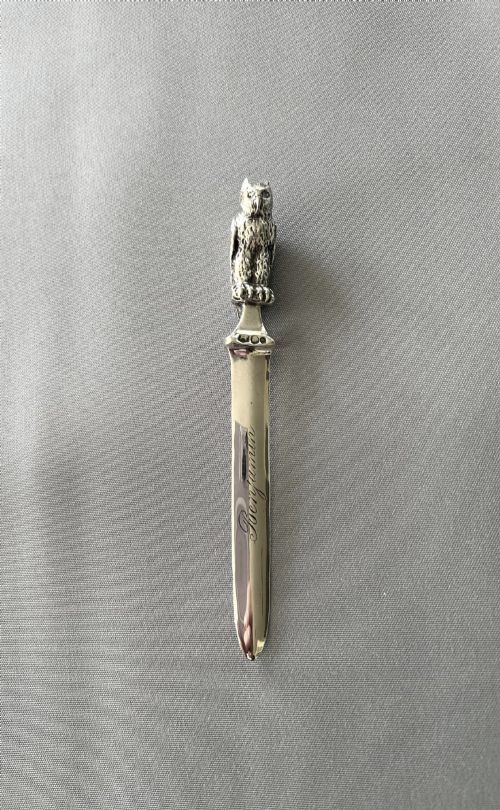
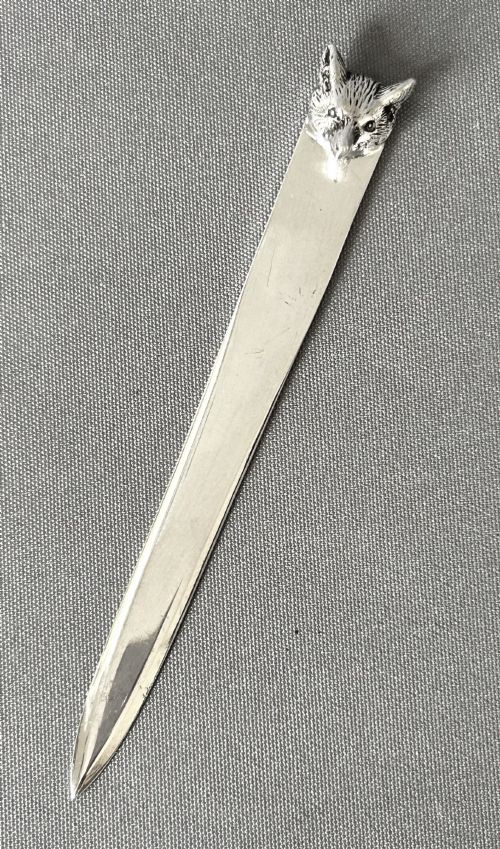
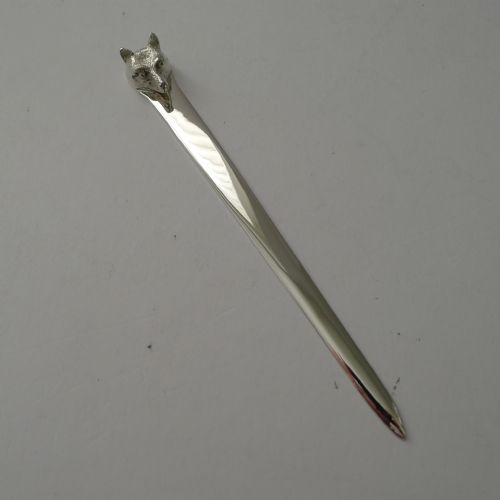
Decorative elements involve guilloche enamel, inlaid citrine, and carved animal motifs including foxes, greyhounds, ducks, and owls. Construction methods combine metal smithing with precision carving to join organic blades securely to metal handles.
Vintage Paper Opener Retail Price Guide 2026
Typical asking prices for vintage paper opener among the pieces listed under this phrase on Sellingantiques today, from the lower quarter to the upper quarter. They describe what is for sale here now, not the wider market.
Assessing quality in desk accessories
Quality rests upon the harmony between the handle material and the blade, along with the crispness of any cast animal finials or novelty figures. Superior examples display balanced weight in the hand and secure seating where handle meets blade.
The depth of engraving, the clarity of hallmarks on silver components, and the preservation of delicate materials like tortoiseshell or guilloche enamel elevate an ordinary desk tool into a notable piece.
The Barker Brothers·Asprey·Sampson Mordan & Co.
The Vintage Paper Opener Glossary
- Page turner
- A long, flat implement made of horn, wood, or mother-of-pearl intended for sliding between uncut pages of books or journals.
- Trench art
- Objects fashioned by soldiers or prisoners of war from discarded military materials, frequently carved wood or spent shell cases.
- Guilloche enamel
- A decorative technique where an intricate geometric pattern is engraved beneath a translucent layer of coloured enamel.
- Assay office
- An official body that tests the purity of precious metals and stamps items with hallmarks indicating origin and date.
Vintage Paper Opener: Frequently Asked Questions
How do I date a silver paper opener?
Dating relies primarily on the hallmarks stamped into the metal by official assay offices. These marks typically include a maker's mark, a standard fineness mark such as the lion passant for sterling silver, and a date letter corresponding to a specific year.
Stylistic cues, such as geometric Art Deco patterns or Edwardian flourishes, also help narrow down the period of manufacture when hallmarks are absent or worn.
Were these items used purely for correspondence?
While primarily utilised at the writing desk for opening letters and bills, larger versions served in the library for cutting the pages of newly purchased books. Desk accessories often reflected the owner's personal taste through decorative novelty handles shaped like animals or figures.
Wealthy households maintained elaborate desk sets that included matching blotters, inkwells, and letter openers as standard furnishings.
How should I care for mixed material pieces?
Pieces combining sterling silver with organic elements like tortoiseshell, mother-of-pearl, or horn require careful handling. Avoid harsh chemical dips that can damage organic substances or strip coloured enamel work from the metal.
Store them away from direct sunlight and extreme humidity fluctuations to prevent warping or cracking in the natural materials.