




Vintage Pair Sideboards
Vintage pair sideboards bring symmetry to a room, offering paired storage and surface space across diverse periods.
Vintage Pair Sideboards
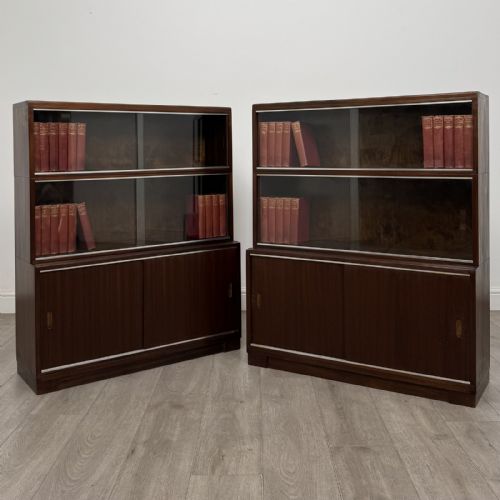
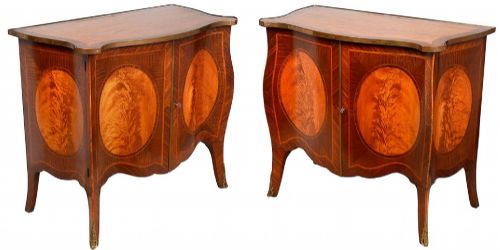
Vintage pair sideboards encompass matched items used for storage and display, appearing as side cabinets, commodes, and serving cupboards.
The selections span the nineteenth century into the twentieth century, crossing Edwardian, Victorian, and French styles.
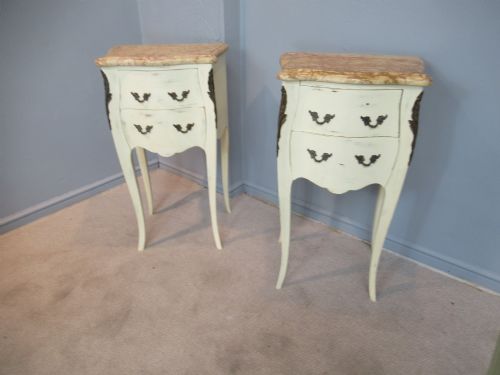
Buyers seeking this phrase encounter mahogany pedestal cabinets, walnut pieces, and serpentine commodes designed to balance interior spaces.
Materials and construction
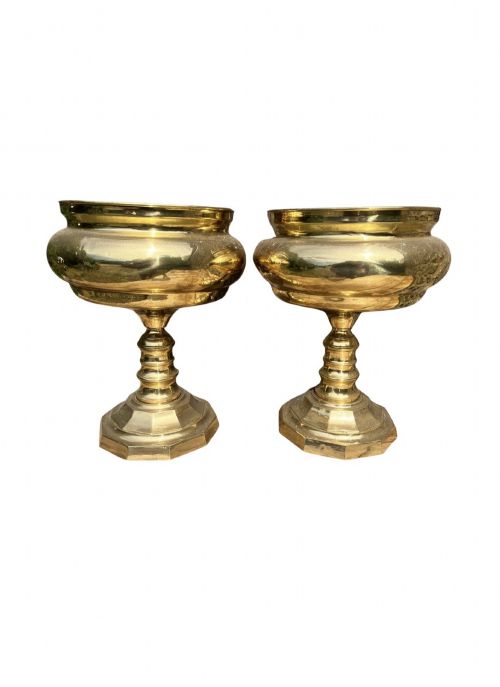
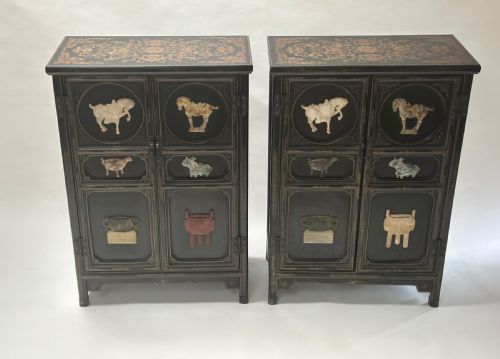
Decorative elements incorporate brass mounts, marble tops, and porcelain panels, while Chinoiserie finishes add painted surface detail.
Vintage Pair Sideboards Retail Price Guide 2026
Typical asking prices for vintage pair sideboards among the pieces listed under this phrase on Sellingantiques today, from the lower quarter to the upper quarter. They describe what is for sale here now, not the wider market.
Listings feature mahogany, oak, walnut, brass, and marble across nineteenth-century and early twentieth-century periods.
Factors of quality
Execution of decorative styles distinguishes standard items from finer works, particularly in hand-painted Chinoiserie and serpentine woodwork.
Integration of secondary materials such as marble and brass hardware dictates the refinement of each piece.
Arthur Reynolds Of Ludlow
The Vintage Pair Sideboards Glossary
- Serpentine
- A curved shape resembling a snake, frequently seen on the fronts of commodes and cabinets from the revival periods.
- Chinoiserie
- European decorative style reflecting Chinese artistic traditions, often applied as painted motifs on wooden cabinets.
- Ormolu
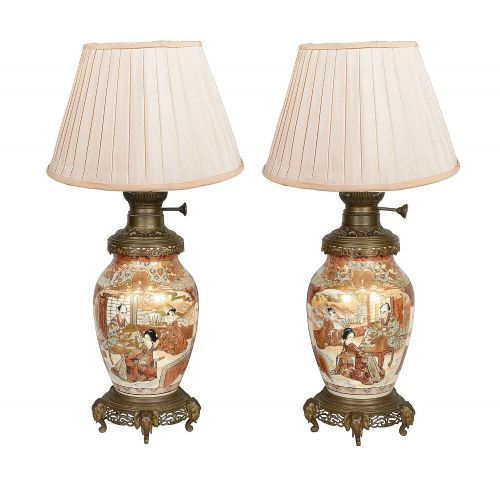
- Gilt bronze ornamentation applied to furniture and lamps, prevalent in French and nineteenth-century designs.
- Pedestal
- A structural support base utilised in mahogany cabinets and tables to elevate the main storage body.
Vintage Pair Sideboards: Frequently Asked Questions
What periods do these pieces date from?
The inventory spans the nineteenth century through to the early decades of the twentieth century, including Edwardian and Victorian eras.
Craftsmanship reflects the aesthetic preferences of those specific historical periods without modern replication.
How were side cabinets used historically?
Side cabinets and cupboards served primarily in dining rooms and living spaces for storing tableware, linens, and serving dishes.
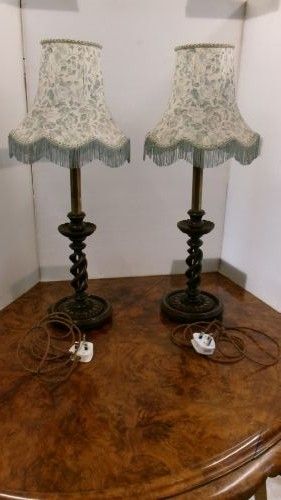
Their surfaces also accommodated decorative lamps and porcelain vases to display household wealth.
What woods are commonly found?
Mahogany, walnut, and oak form the structural foundation of the cabinetry listed within these categories.
These dense timbers provided the durability required for daily domestic storage.
Are matching pairs difficult to locate?
Finding matched pairs of vintage storage furniture requires patience due to the natural dispersal of items over time.
Commodes and serving cupboards were originally manufactured together to maintain symmetry in formal interiors.