


Vintage Painting on Board
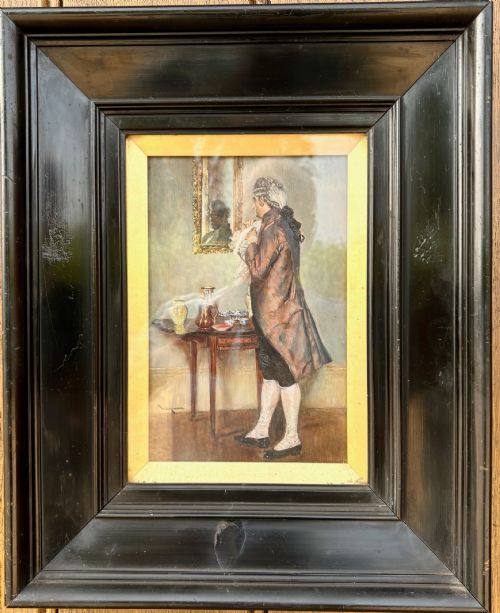
A vintage painting on board captures pigments laid directly onto a rigid wooden or panel support, offering a direct record of an artist's hand.
Vintage Painting on Board
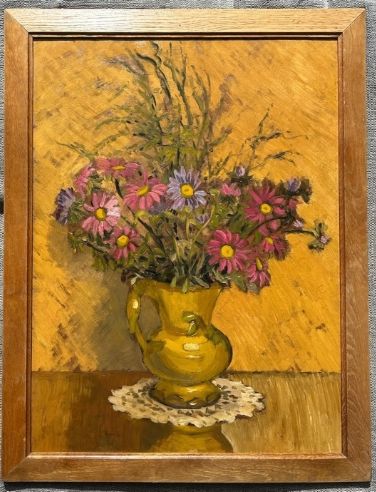
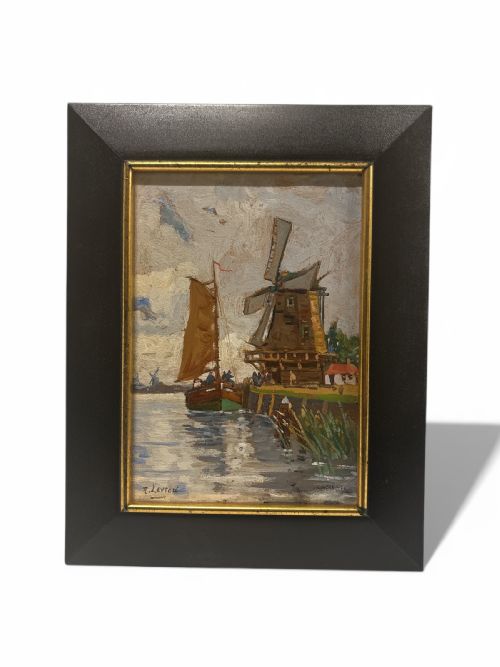
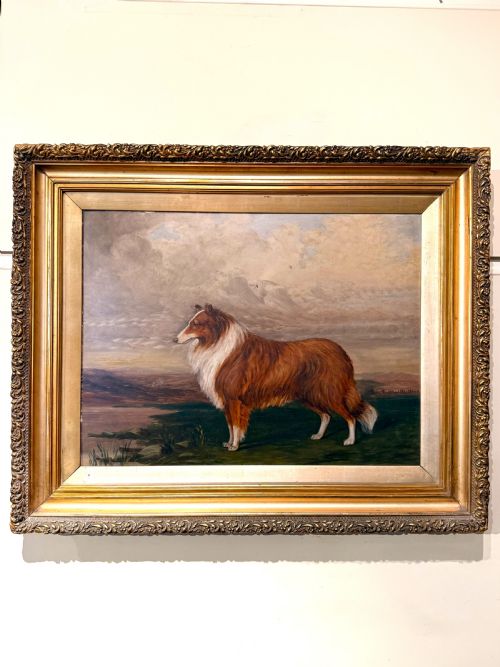
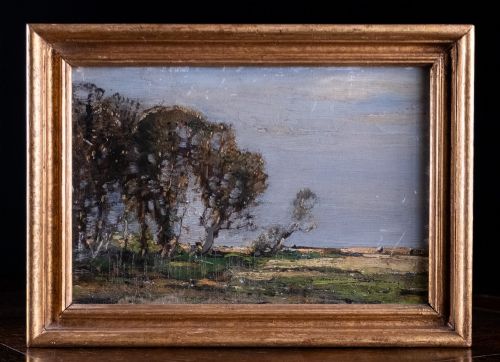
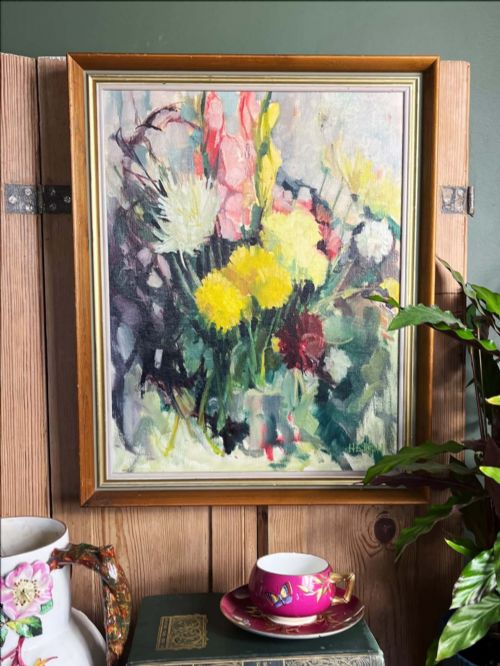
A vintage painting on board brings together works executed on rigid supports rather than stretched canvas, spanning periods from the nineteenth century through the mid-twentieth century. Buyers searching for a vintage painting on board encounter subjects ranging from pastoral landscapes and maritime scenes to intimate still lifes and animal portraits. The selections here reflect diverse stylistic movements including British Impressionism, Post-Impressionism, and Mid-Century Modernism.
The format itself relies on wood, panel, or prepared board as a sturdy foundation for oil paint and related media. Works from the Edwardian era sit alongside pieces created in the nineteen-fifties and nineteen-sixties, demonstrating how artists favored board for its stability and smooth resistance under the brush. Many examples retain their original framing or display surface textures characteristic of specific regional schools.
Materials and construction
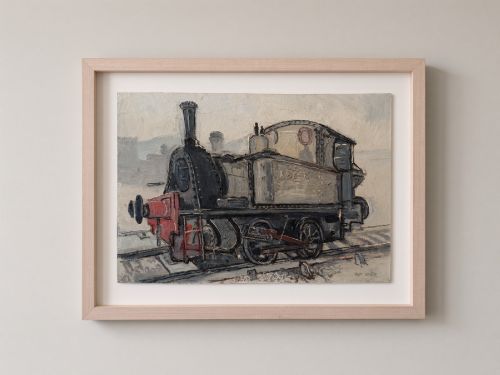
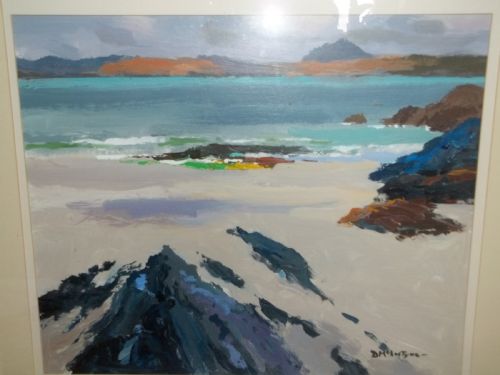
Makers applied oil paint directly to prepared wooden boards or panels, frequently sealing the surface with a primer or ground to prevent the wood from absorbing the oil binder. Pigments were manipulated with brushes or palette knives to build up impasto texture, particularly in works from the mid-century decades.
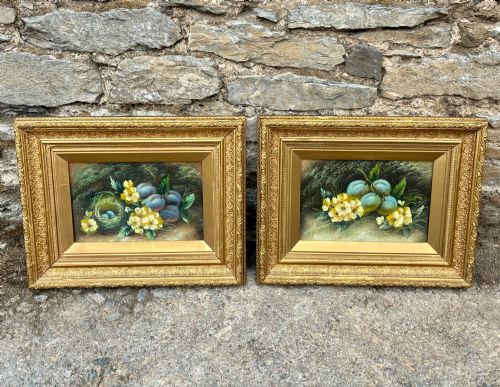
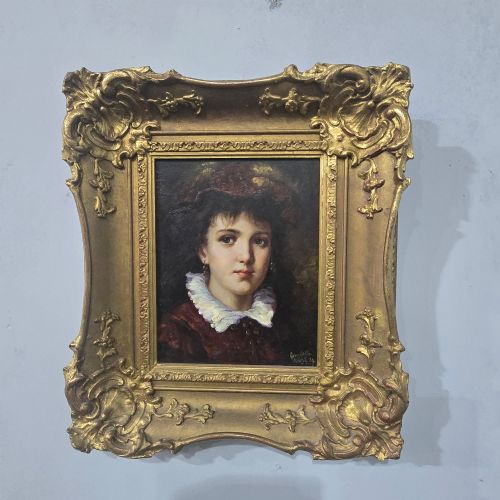
Framing often utilised gilt wood or simple moulding to protect the exposed edges of the board. Selected pieces incorporate gold leaf accents or protective varnish layers applied over the dry paint surface.
Several boards quietly moonlight as portraits of stern Victorian dogs waiting patiently for artists who dropped their brushes.
Factors of quality
Quality rests upon the confidence of the brushwork and the clarity of the composition, distinguishing accomplished academic or impressionist execution from simpler naive or decorative output. A skilled hand creates depth and light with minimal pigment, whereas lesser works rely on heavy, flat application.
The condition of the painted surface and the stability of the wooden support govern longevity. Surviving boards free from warping, extensive paint flaking, or unsympathetic overpainting represent the stronger examples of the medium.
Fred Yates·Donald McIntyre·Kenneth Cozens·Kershaw Schofield·Stuart Walton·Lilian Colbourn
The Vintage Painting on Board Glossary
- Board
- A rigid wooden or manufactured flat sheet used as a primary support for painting instead of stretched woven fabric. It provides a firm resistance that allows artists to apply vigorous brushstrokes.
- Oil Paint
- A slow-drying paint made by combining pigment particles with a drying oil such as linseed. This medium permits subtle blending of colours and rich surface textures.
- Impasto
- Paint applied thickly to a support, standing out in relief from the plane so that the marks of the brush or palette knife remain visible. It adds tangible three-dimensional quality to a flat surface.
- Ground
- A preparatory coating applied to a board before painting to seal the wood and provide a uniform working surface. It prevents the oil from soaking into the porous material.
- Gilt Frame
- A decorative protective border finished with a thin layer of gold leaf or metallic powder. These frames frequently accompany period oil paintings to enhance the visual presentation.
Vintage Painting on Board: Frequently Asked Questions
How do I clean a vintage oil painting on board?
Surface dust may be removed gently using a very soft, dry brush without applying pressure to the paint layer. Avoid using water, household cleaners, or solvents on the exposed surface.
Professional conservation is recommended for deeper cleaning or removal of aged varnish layers. Specialist conservators ensure the stable board and delicate paint pigments remain undamaged during maintenance.
Why did artists paint on board instead of canvas?
Boards offered a rigid, inexpensive, and stable alternative that eliminated the need for stretching woven fabric over wooden frames. This support proved particularly convenient for plein air painting and smaller studies.
Rigid panels also resisted punctures and tears, making them durable for transport. Many artists appreciated the smooth, unyielding resistance when working with heavy pigment.
How do I date a painting on board?
Dating relies on stylistic clues, framing methods, artist signatures, and the physical characteristics of the board itself. Mid-century works often display modernist palettes, while nineteenth-century examples show traditional grounding techniques.
Examine the reverse of the board for signatures, exhibition labels, or stamps left by framing shops. These remnants frequently provide documentary evidence regarding the origin and timeline of the piece.
Should I reframe a vintage painting?
Original period frames contribute historical context and aesthetic harmony to a piece, even when showing minor signs of age. Preserving the mounting maintains the integrated character of the artwork.
Replacement should only be considered if the existing structure threatens the physical safety of the board. When reframing, select mouldings appropriate to the period of the painting.