


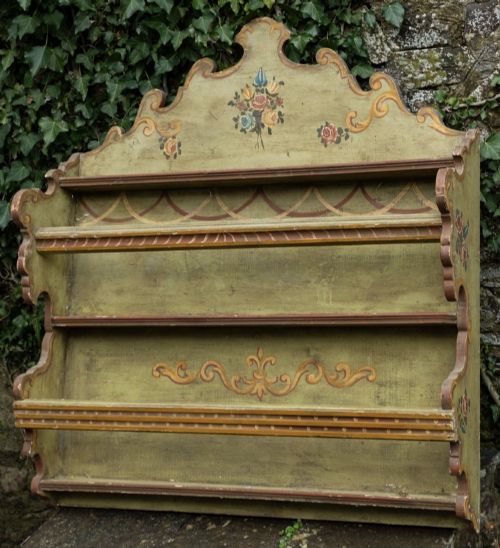


Vintage Painted Shelf Unit
These vintage painted shelf unit examples bring practical storage and decorative character to any room through diverse period designs.
Vintage Painted Shelf Unit
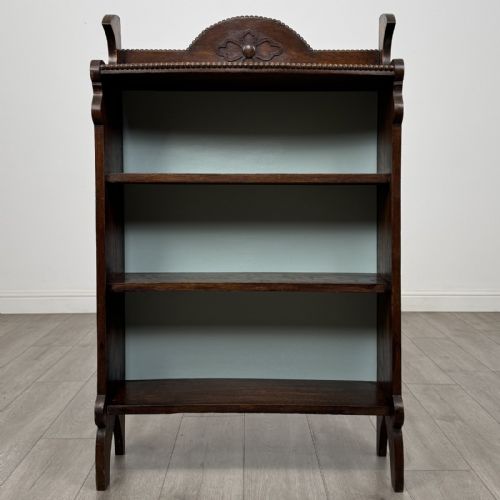
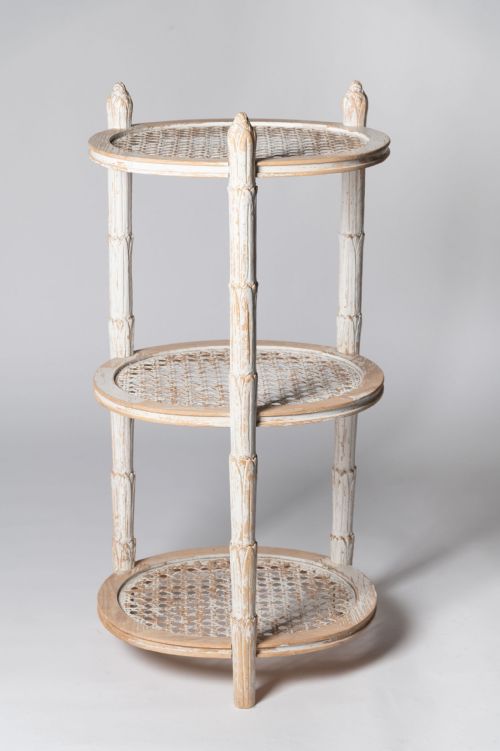
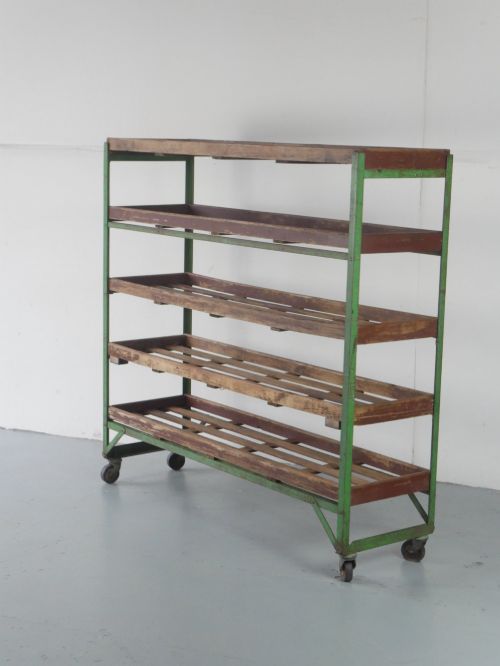
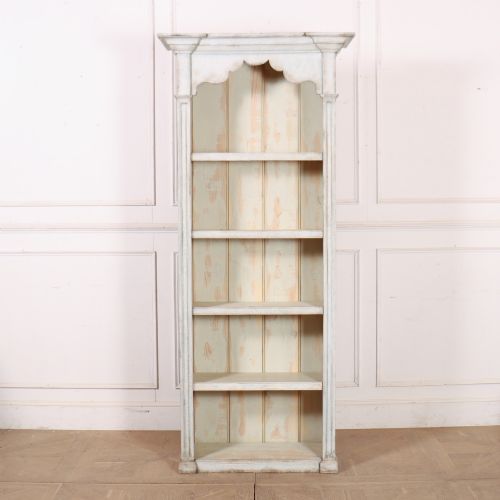
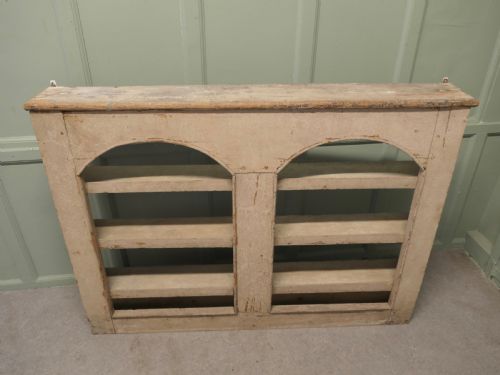
A vintage painted shelf unit combines open display with painted wooden surfaces across various traditional forms. Buyers exploring this category encounter a broad spectrum of practical storage solutions, ranging from compact wall shelves to substantial bookcases.
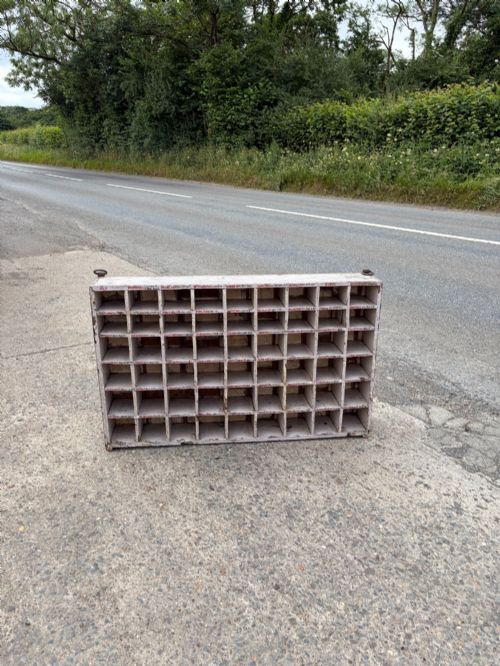
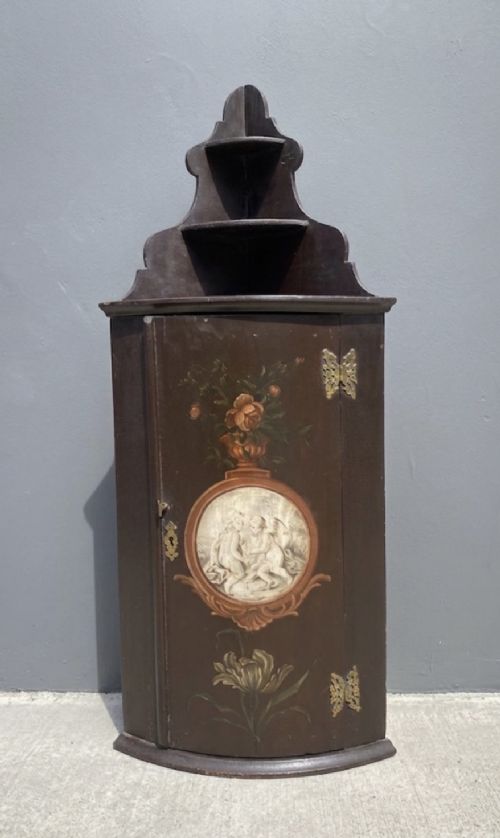
The assortment spans multiple periods including Georgian, Edwardian, nineteenth-century, and early twentieth-century examples. Common formats encompass alcove shelving, pigeon holes, corner cupboards, and open bookcases.
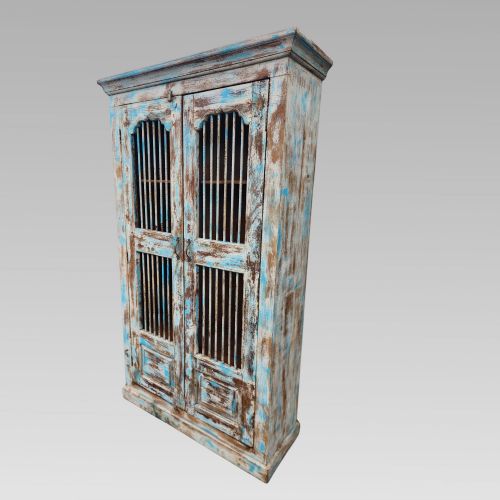
Geographical origins vary widely, drawing on French provincial, English country, Italian, and rustic Indian traditions. Pieces frequently feature painted finishes, sometimes enhanced with gilt details or ebonised wood.
Materials and construction
Construction relies predominantly on solid wood materials such as pine and reclaimed teak, providing sturdy foundations for functional storage. Iron and brass hardware occasionally supplement the wooden frameworks.
Surfaces are treated with traditional paint applications, including specific historic colour formulations like Pompeian Ash. Gold leaf accents and ebonised treatments appear on select refined pieces to create decorative contrast.
Vintage Painted Shelf Unit Retail Price Guide 2026
Typical asking prices for vintage painted shelf unit among the pieces listed under this phrase on Sellingantiques today, from the lower quarter to the upper quarter. They describe what is for sale here now, not the wider market.
One resourceful nineteenth-century cabinetmaker decided that standard walls were simply rude and built shelving to hug every awkward corner in sight.
Factors of distinction
Quality rests in the harmony of the original proportions and the integrity of the timber framing. Superior examples demonstrate thoughtful joinery suited to the demands of daily shelving use.
The character of the painted surface significantly influences the overall appeal. Original or historically sympathetic painted finishes retain depth and texture that elevate the piece beyond plain utilitarian storage.
The Vintage Painted Shelf Unit Glossary
- Étagère
- A set of open shelves designed for displaying small objects or books. These decorative stands often incorporate elaborate stylistic details.
- Pigeon holes
- A grid of small compartments used for sorting documents or organising items. This functional form provides structured storage within a compact footprint.
- Ebonised wood
- Timber treated to resemble expensive ebony through a dark staining or finishing process. This technique offers a sleek, formal appearance.
- Alcove shelving
- Custom or fitted shelving designed to occupy a wall recess. It maximises architectural space efficiently.
Vintage Painted Shelf Unit: Frequently Asked Questions
How do I choose the right size?
Consider the available wall space and floor area in your room before selecting a configuration. Wall-mounted shelves save floor space, whereas floor-standing bookcases offer greater storage capacity.
Measure the height and depth to ensure the unit accommodates your intended display items without overcrowding the interior layout.
How should I clean painted wood?
Dust the surfaces regularly with a soft, dry cloth to prevent dirt accumulation. Avoid harsh chemical cleaners that can damage historic painted finishes.
For stubborn marks, use a slightly damp cloth with mild soap, then dry the area immediately with a clean towel.
Are these units suitable for heavy books?
Solid wood construction provides sturdy support for everyday items, but weight capacity depends on the specific thickness of the shelves. Open bookcases generally handle substantial reading material well.
Wall-mounted display shelves suit lighter decorative objects rather than heavy libraries.
How do I identify the period?
Examine the construction methods, nail types, and timber cuts for clues to the era of manufacture. Stylistic markers such as French Rococo Revival or Georgian proportions also indicate the design period.
Paint analysis and historical colour choices help confirm whether a finish is original to the piece.