


Vintage Paint Box
A vintage paint box holds the materials of a maker's hand, offering a portable studio that appeals to collectors of artist equipment.
Vintage Paint Box
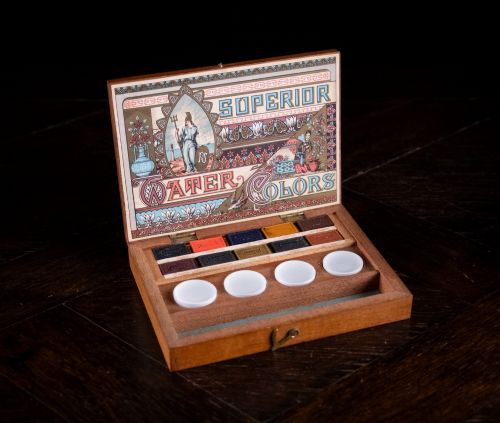
A vintage paint box brings together the essential tools of past artists, often taking the form of fitted wooden or metal cases designed to hold watercolours and oils. Buyers searching for a vintage paint box encounter items originating primarily from the nineteenth and early twentieth centuries, including portable sets by makers such as Bourgeoise Aine and Rogers.
These containers range from simple pine storage units to specialised travel chests equipped for field work. Alongside standard wooden boxes, related items include watercolour sets and artist paintboxes from periods spanning the Georgian era to the nineteen-twenties.
How they were made
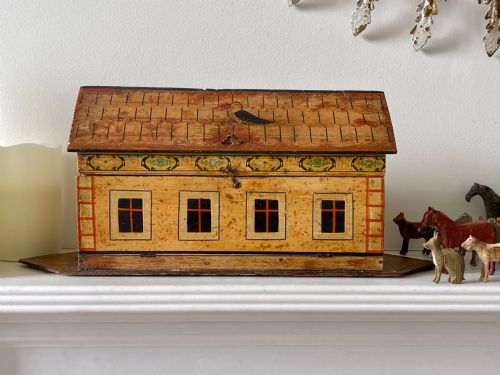
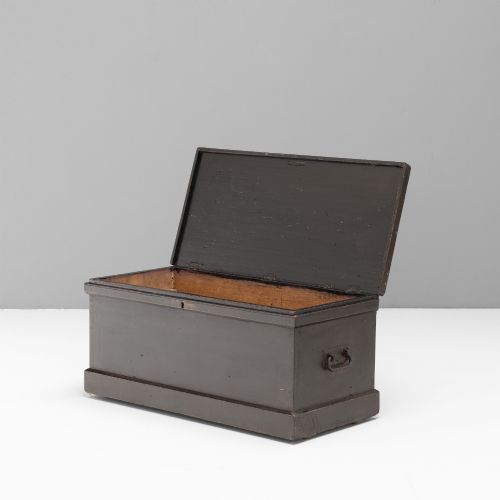
Construction relies heavily on traditional timber framing, with pine, beech and other woods joined to withstand travel and daily use. Metal elements such as brass hinges, iron strapwork and tin liners provide structural reinforcement and secure closures for delicate contents.
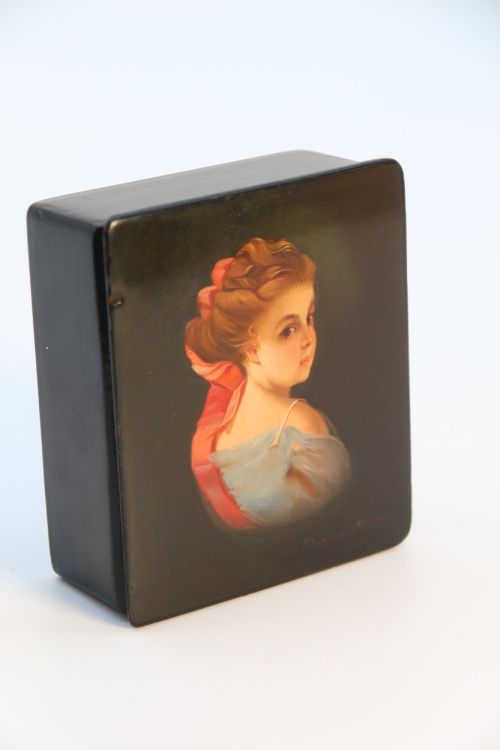
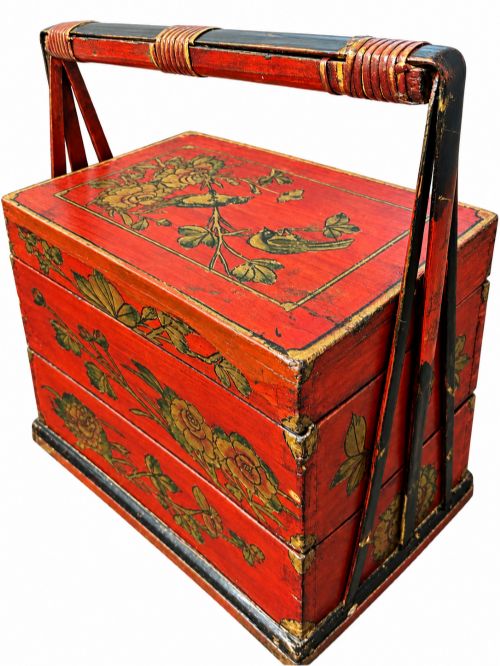
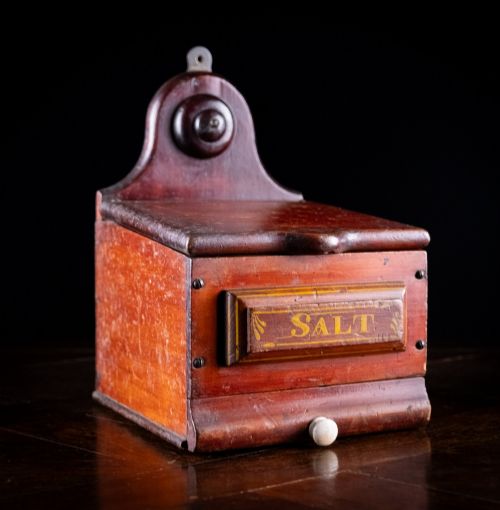
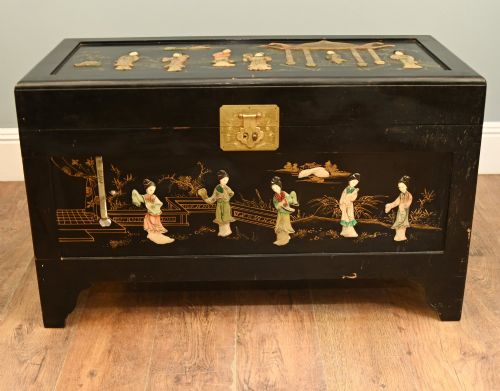
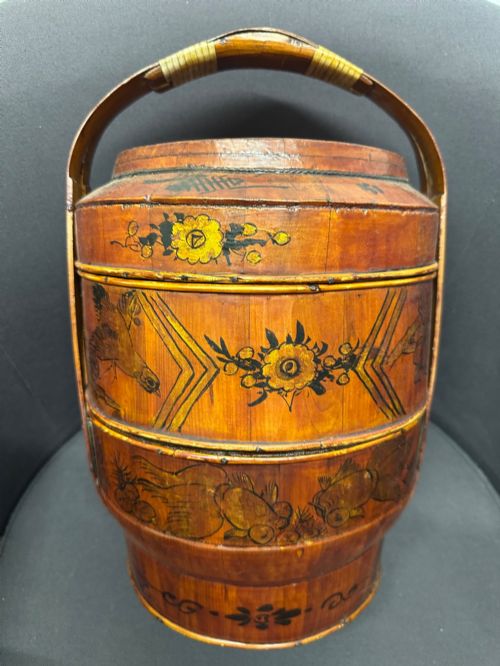
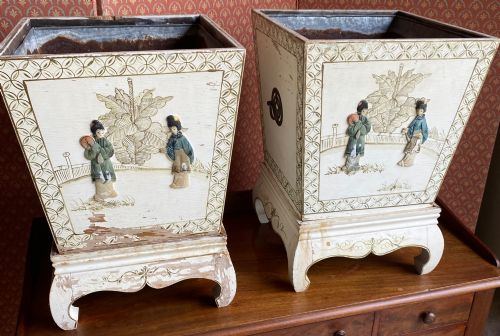
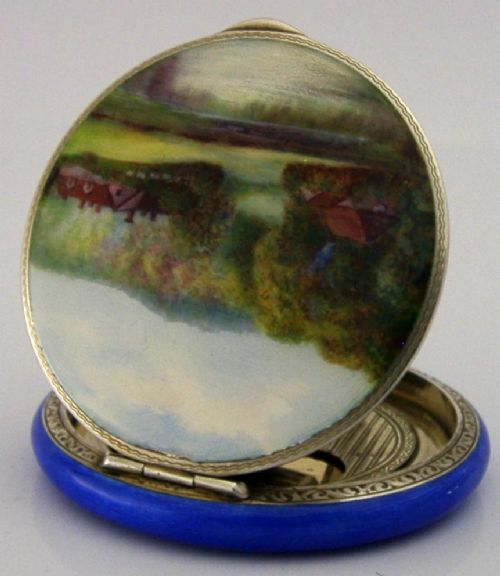
Surface finishes involve applied paint, lacquer and enamel work, giving many pieces distinct regional or stylistic character. Makers utilised these durable materials to protect internal compartments, mixing trays and pigment pans from moisture and wear.
Vintage Paint Box Retail Price Guide 2026
Typical asking prices for vintage paint box among the pieces listed under this phrase on Sellingantiques today, from the lower quarter to the upper quarter. They describe what is for sale here now, not the wider market.
Listings show wooden and metal construction, incorporating pine, brass, iron, lacquer and enamel across nineteenth and early twentieth century items.
What varies in quality
Quality rests upon the completeness of the internal fittings, such as original porcelain palettes, glass bottles and pigment pans that remain intact within the case. Superior examples retain their original maker stamps, such as those by Bourgeoise Aine in Paris, alongside untouched surface paint and functional brass hardware.
Finer specimens demonstrate careful joinery and well-preserved surface decoration, whereas lesser examples show heavy replacement of internal components or general wear to the structural wood. The presence of original fitted compartments elevates a piece above standard utility storage.
Bourgeoise Aine·Rogers·Vishnyakov Workshop
The Vintage Paint Box Glossary
- Paint box
- A portable container fitted with compartments for holding pigments, brushes and mixing surfaces. These items were essential for artists working outside the studio.
- Watercolour set
- A collection of dry pigment pans or cakes housed in a dedicated case alongside mixing spaces. Such sets often date from the Victorian era.
- Pine
- A softwood commonly utilised for the structural carcass of utilitarian boxes and chests. It provides a lightweight yet sturdy frame for travel equipment.
- Brass
- A copper alloy used for hinges, latches, corners and nameplates on better quality travel cases. It resists corrosion while offering a bright decorative accent.
- Lacquer
- A durable resin finish applied to wooden surfaces for protection and ornamentation. It appears frequently on decorative and storage boxes from diverse traditions.
Vintage Paint Box: Frequently Asked Questions
What goes inside a vintage paint box?
A complete vintage paint box typically holds ceramic pigment pans, mixing palettes, glass water bottles and dedicated slots for wooden handled brushes. Many sets also include small drawers or hinged trays to keep dry cakes separate from wet mixtures.
Over decades of use, many original internal components went missing or were replaced with modern supplies. Finding a box with its complete set of untouched paint cakes and original saucers is uncommon.
How do I date a paint box?
Dating relies on examining the construction methods, the type of metal hinges, the style of any maker stamps and the materials used for the internal palettes. Nineteenth century examples often feature dovetailed pine joints and hand-turned wooden components.
Later pieces from the early twentieth century introduce machine-stamped metal fittings and printed paper maker labels inside the lid. Comparing the typography on any surviving labels helps narrow down the decade of manufacture.
Were these boxes meant for travel?
Many surviving examples were constructed specifically for field work, featuring secure brass latches, sturdy wooden carcasses and compact dimensions for outdoor sketching. Artists took these portable kits into the countryside to paint landscapes directly from nature.
Sturdier campaign style construction ensured the pigment cakes and fragile glass water pots survived transport in horse-drawn carriages or early trains. The compact footprint made them practical companions for travelling practitioners.
How should I clean my paint box?
Maintenance requires gentle dusting with a soft brush and avoiding harsh liquid cleaners that might strip the original surface paint or dissolve old paper labels. Preserving the natural patina and any traces of historical pigment staining maintains the character of the object.
If the wood is dry, a light application of appropriate conservation wax helps nourish the timber without altering the finish. Keeping the box in a stable environment away from direct sunlight protects both the exterior wood and any internal paper components.