

Vintage Padlock
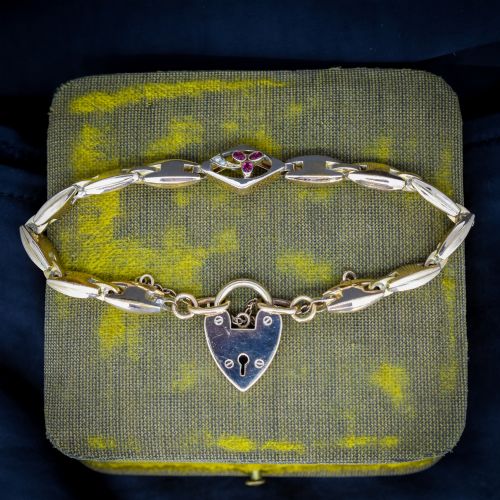
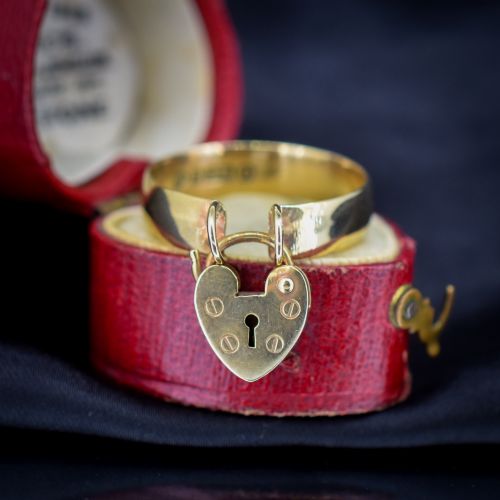
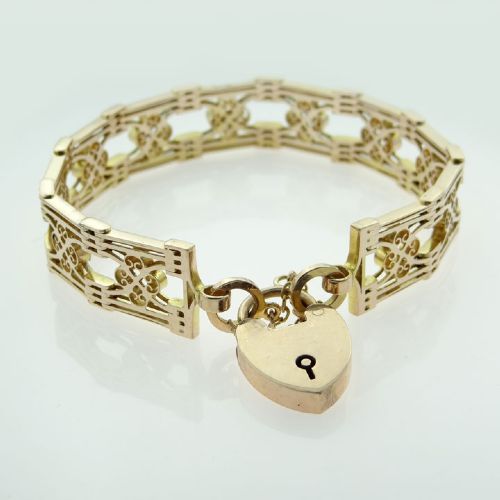
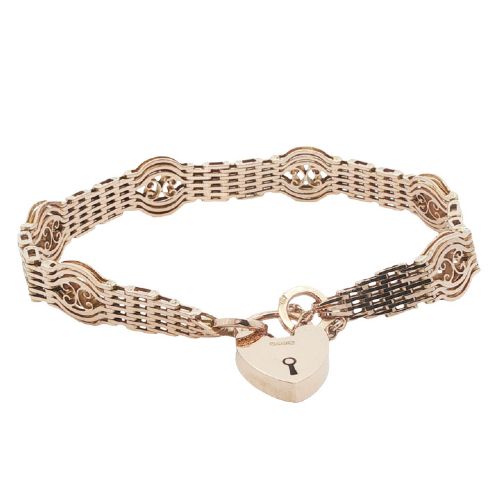
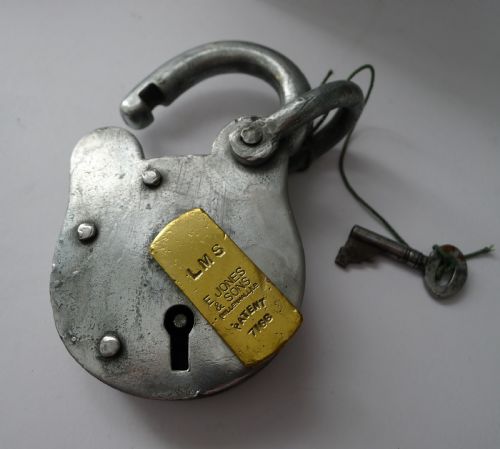
A vintage padlock holds the memory of another era, whether secured to a heavy gate bracelet or recovered from a French railway.
Vintage Padlock
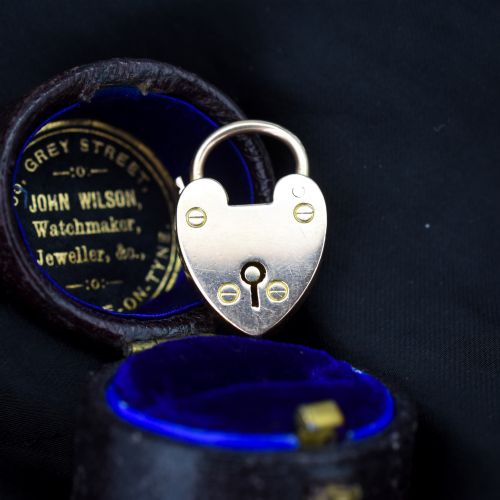
When you search for a vintage padlock, you encounter a surprisingly diverse selection of utilitarian security devices and decorative jewellery components. These pieces range from substantial brass and iron utility locks to delicate gold heart padlocks designed to fasten charm bracelets and gate links.
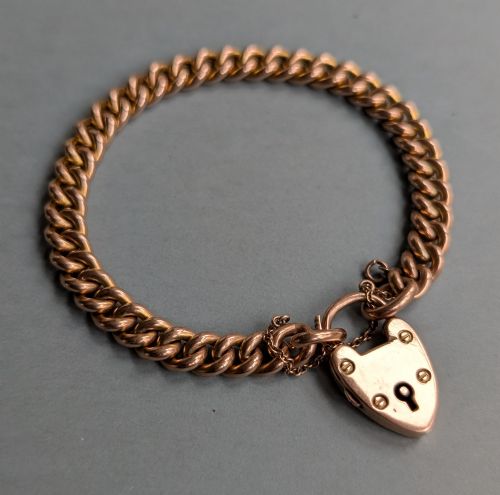
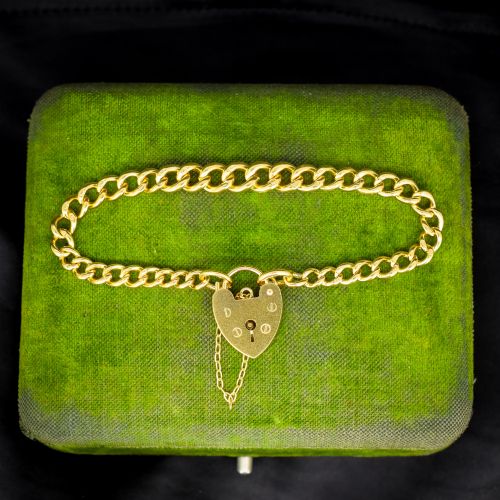
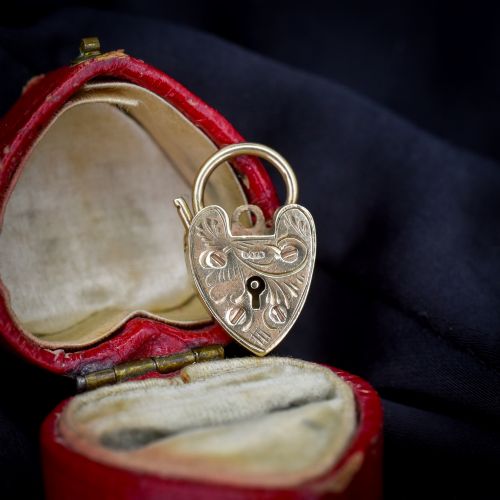
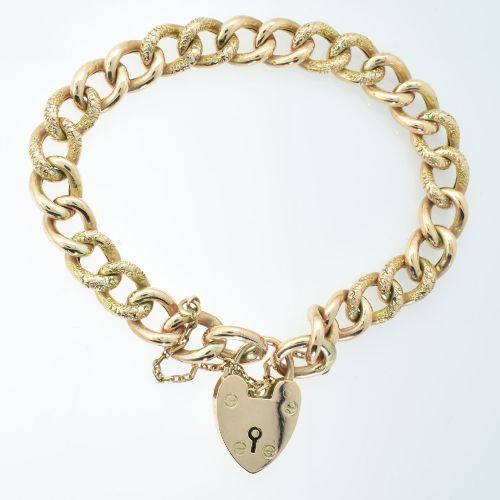
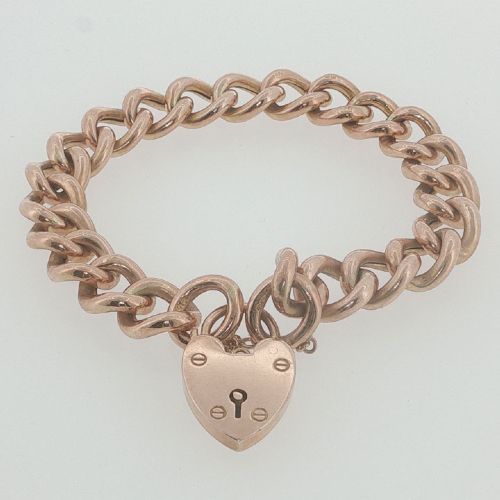
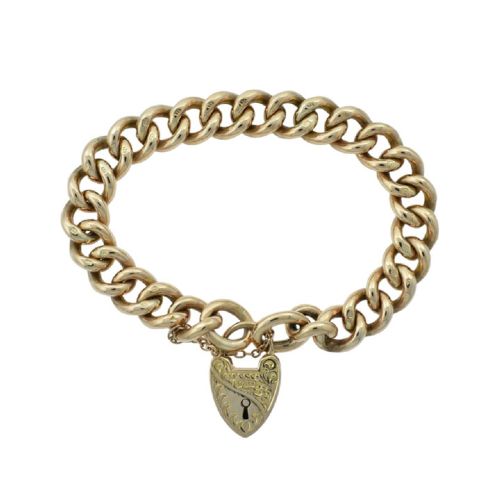
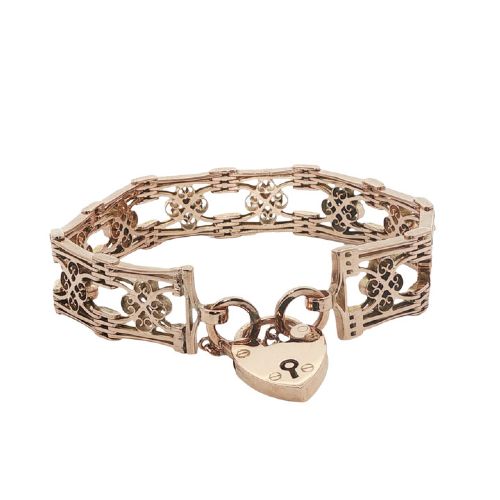
The version you are most likely to meet on this page is the heart-shaped gold padlock, commonly found attached to Victorian or Edwardian gate bracelets and curb chains. Alongside these jewellery clasps appear larger functional examples, including railway and customs padlocks originating from the nineteenth and early twentieth centuries.
Materials and construction
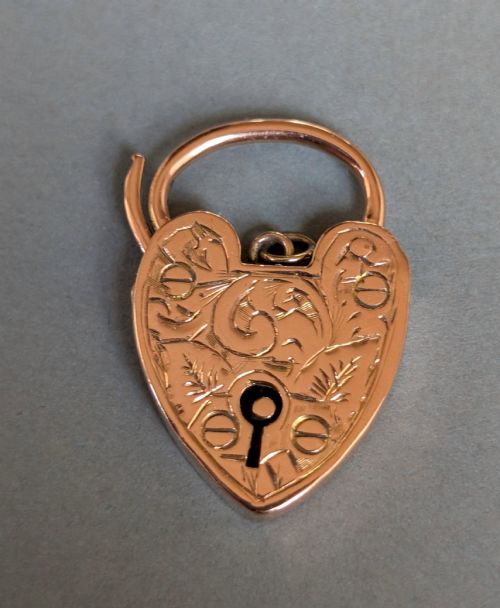
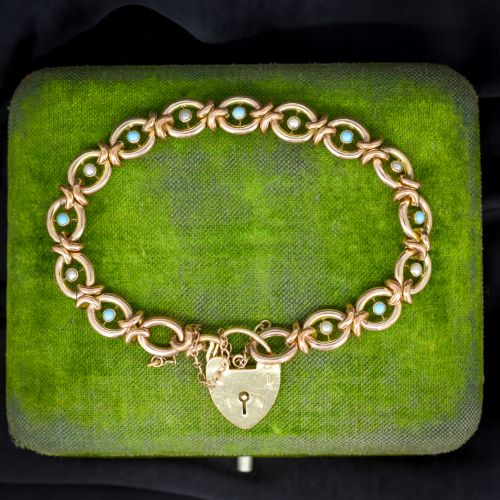
The jewellery pieces rely primarily on gold across various purities, including nine carat yellow and rose gold, alongside rolled gold alternatives. Metal components frequently incorporate hand engraving, niello detailing, or gemstone settings featuring pearls and turquoise.
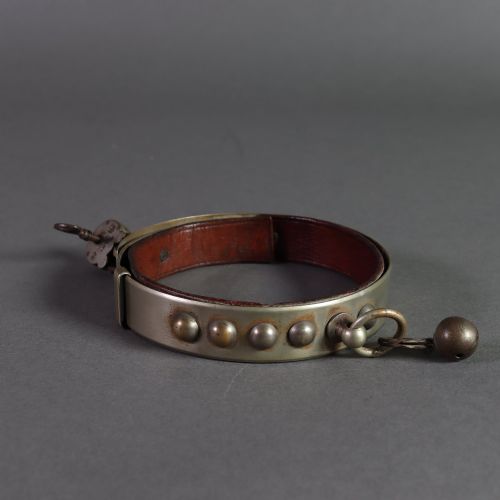
Functional utilitarian locks utilise durable base metals such as brass and iron, often cast or forged to withstand daily service. Silver plate appears on specialised items like dog collar padlocks, combining structural strength with decorative exterior plating.
Vintage Padlock Retail Price Guide 2026
Typical asking prices for vintage padlock among the pieces listed under this phrase on Sellingantiques today, from the lower quarter to the upper quarter. They describe what is for sale here now, not the wider market.
The listings span multiple periods from the nineteenth century through the 1960s, featuring base metals and various purities of gold.
Defining quality and craftsmanship
Distinction across the range lies in the depth of hand engraving and the crispness of chased details on gold jewellery padlocks. Pieces displaying sharp, well-defined floral or scroll patterns outclass those with worn or shallow surface decoration.
For functional utility locks, quality reveals itself in the mechanical integrity of the mechanism and the survival of the original key. Substantial weight, robust housing, and uncompromised structural pins separate ordinary utility pieces from superior specimens.
The Vintage Padlock Glossary
- Gate bracelet
- A wide bracelet constructed from interlocking parallel metal bars reminiscent of a Victorian field gate. These links frequently terminate in a secure heart padlock fastening.
- Curb link
- A type of chain formed by interlocking uniform links that are slightly twisted to lie flat. This sturdy construction frequently supports heavy gold padlocks.
- Rolled gold
- A manufacturing method where a thin layer of gold is mechanically bonded to a base metal core. This technique provided the appearance and durability of solid gold at a lower cost.
- Niello
- A black metallic alloy used as an inlay on engraved metal surfaces. It creates a striking contrast against gold or silver backgrounds.
Vintage Padlock: Frequently Asked Questions
How do I date a gold padlock?
Dating a gold padlock relies heavily on accompanying hallmarks, style characteristics, and the chain it accompanies. Birmingham and Chester assay office marks often provide specific year ciphers.
Stylistic cues such as chased floral motifs, embossed borders, and the transition from yellow to rose gold further help narrow down the decade of manufacture.
Were utility padlocks used on luggage?
Utility padlocks served a wide variety of security functions beyond simple luggage, including securing railway carriages and customs posts. Heavy brass and iron models protected official property and transport chests.
These functional items were engineered for durability rather than decoration, often retaining their original working keys and institutional stampings.
How should I care for vintage gold?
Vintage gold jewellery requires gentle handling to preserve delicate hand engraving and gemstone settings. Warm soapy water and a soft brush remove everyday oils safely.
Harsh chemical dips and ultrasonic cleaners should be avoided, particularly when pieces contain pearls, turquoise, or niello inlay work.