


Vintage Outdoor Table
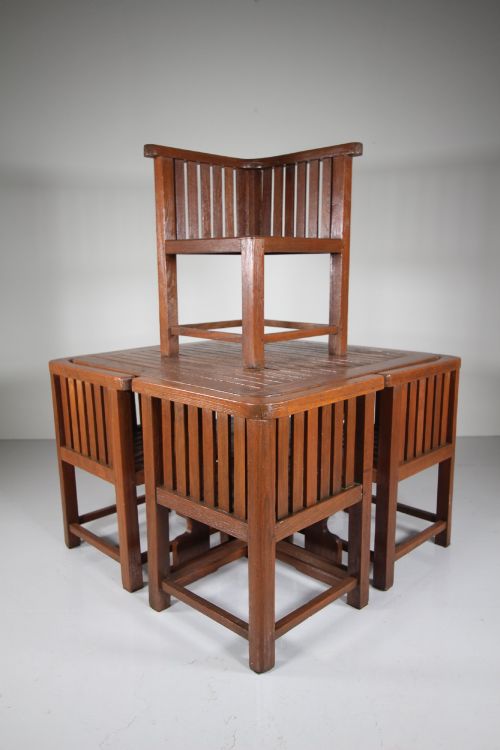
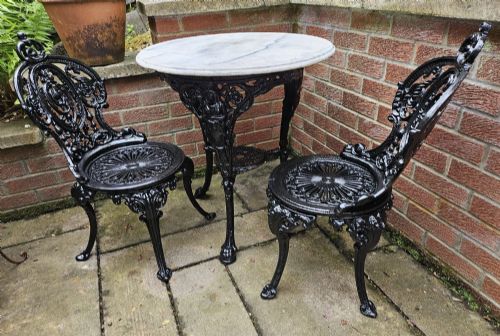
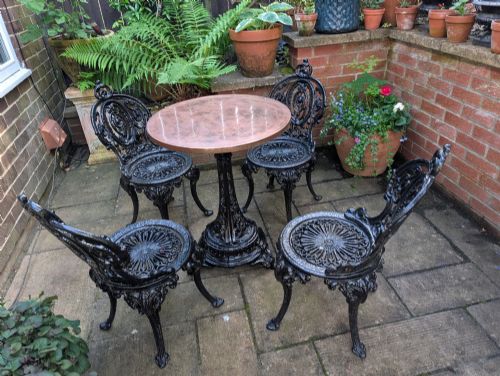
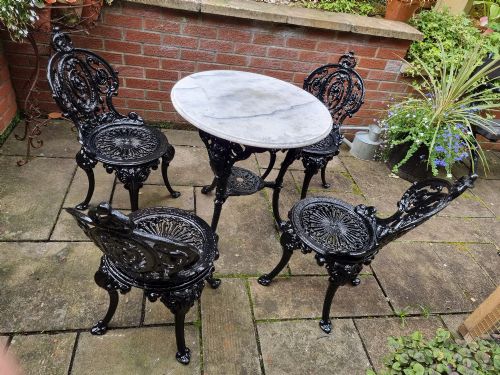
A vintage outdoor table brings enduring character to a terrace or garden, pairing robust metal bases with weathered stone or timber surfaces.
Vintage Outdoor Table
When searching for a vintage outdoor table, buyers encounter sturdy pieces designed to withstand the elements while offering functional elegance for exterior spaces. These tables span several decades, reaching back to the nineteenth century through the Edwardian era and into the interwar period.
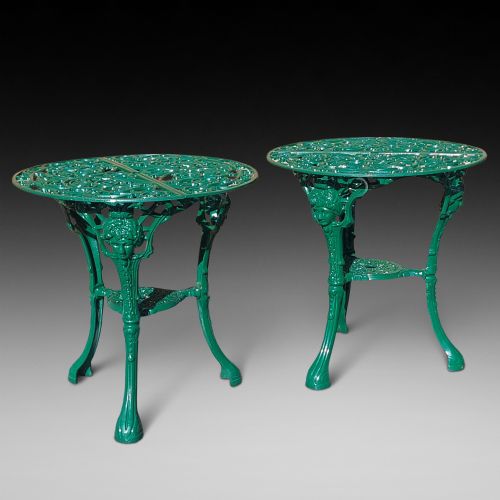
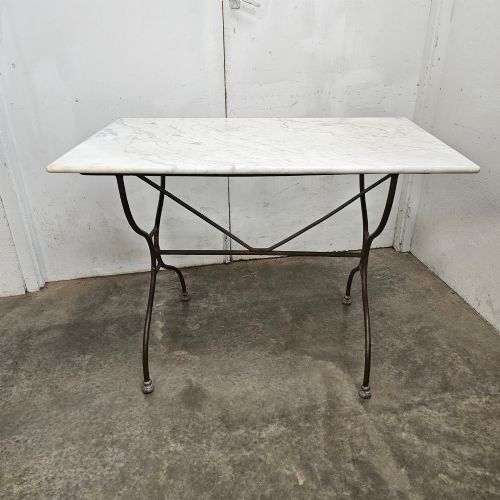
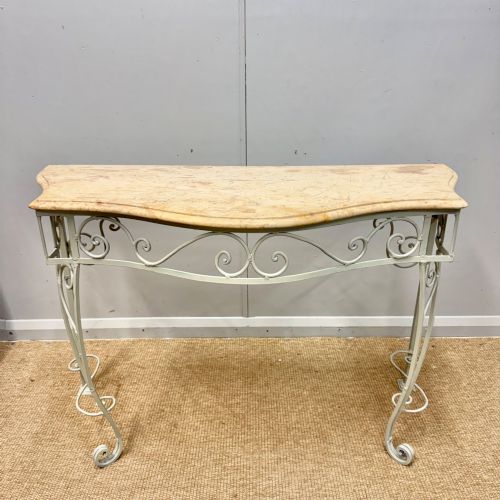
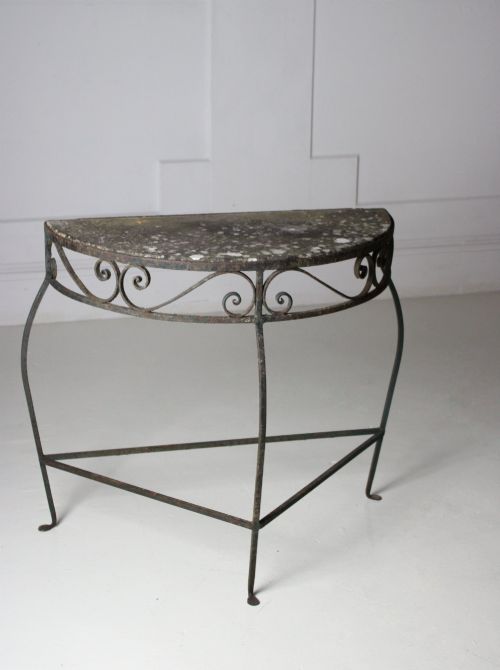
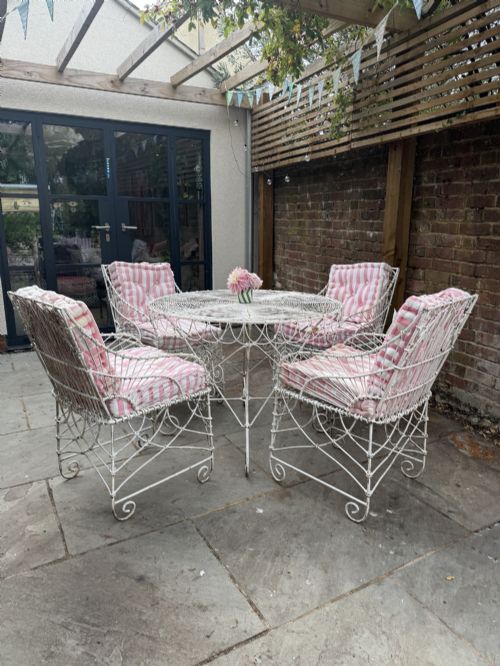
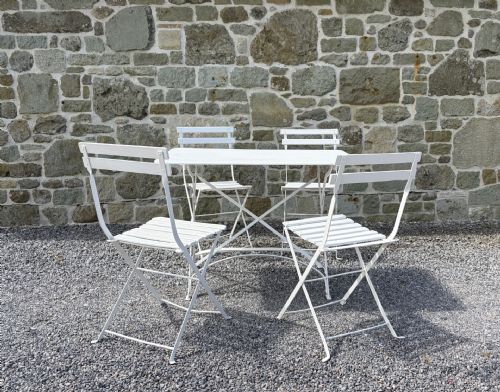
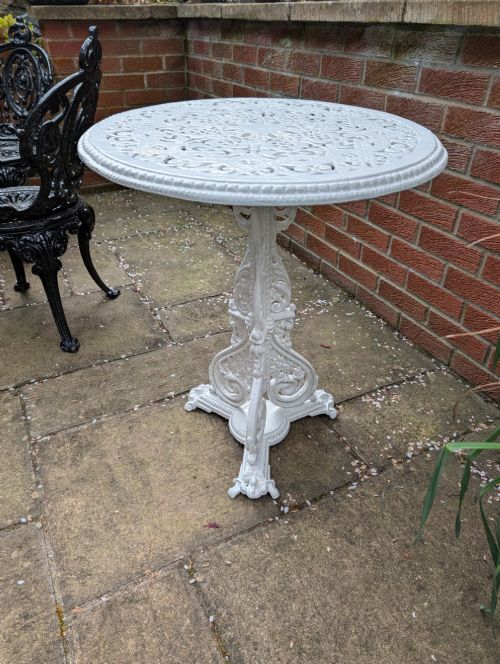
The selection on this page leans heavily towards French bistro designs, cafe tables, and robust Victorian cast-iron garden furniture. Forms vary from compact round bistro surfaces to long dining sets, console tables, and specialised potting benches.
Origins stretch across Europe, with French, English, Spanish, and Swedish examples appearing regularly. Buyers find both intimate tables meant for two chairs and substantial sets accompanied by matching seating.
Materials and construction methods
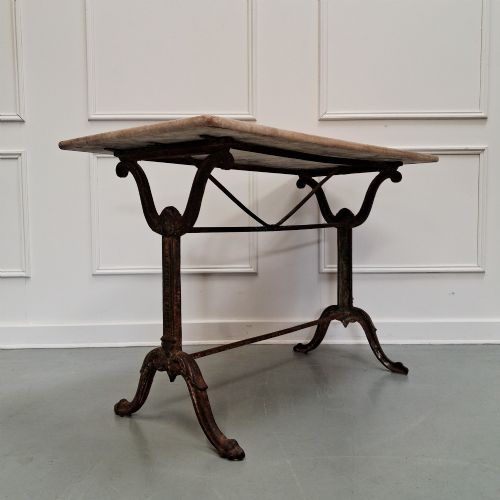
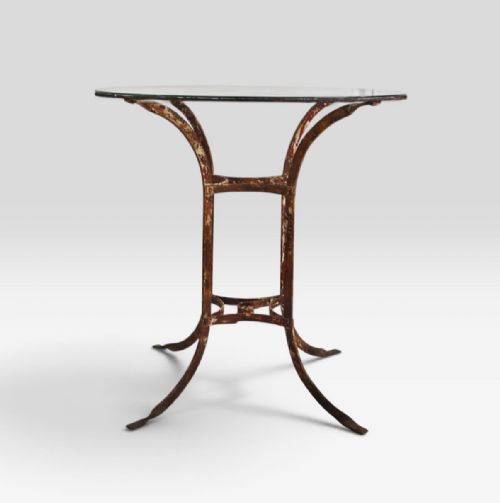
Foundry work defines the metal elements of these pieces, utilising heavy cast iron and pliable wrought iron for intricate bases, scrolling legs, and structural frames. Steel and zinc also appear, offering alternative patinas and structural resilience for exterior use.
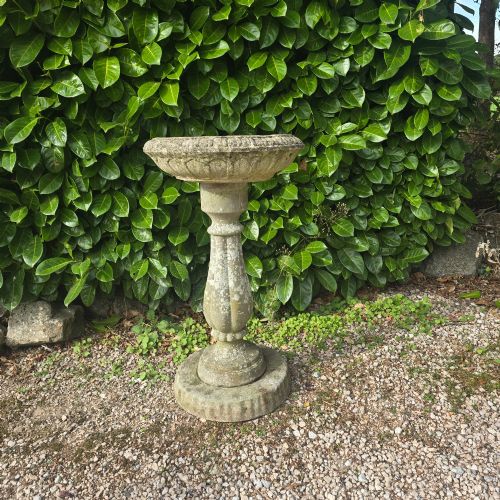
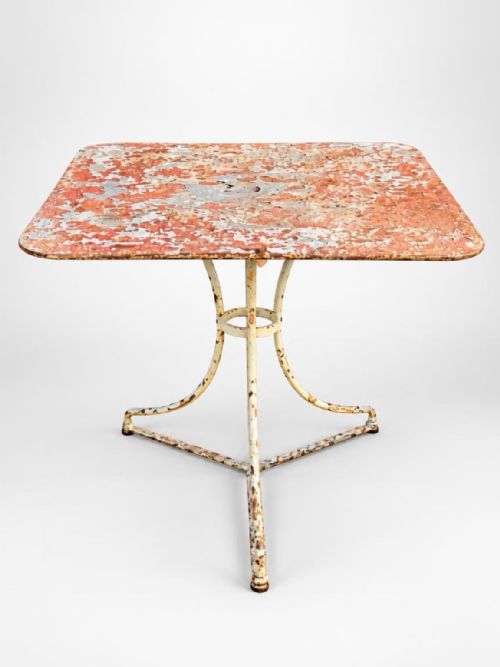
Table surfaces combine these durable metal frames with contrasting natural materials like smooth marble, polished granite, stone, mosaic, and seasoned timber such as pine and elm. Paint finishes, often weathered by decades outdoors, add another layer of texture to the construction.
Vintage Outdoor Table Retail Price Guide 2026
Typical asking prices for vintage outdoor table among the pieces listed under this phrase on Sellingantiques today, from the lower quarter to the upper quarter. They describe what is for sale here now, not the wider market.
Listings feature pieces spanning from the mid-nineteenth century through the 1930s, including Victorian, Edwardian, and Art Deco eras.
Distinctions in quality and execution
Quality rests in the crispness of the foundry casting and the harmony between the base and its top. Finer examples display intricate relief work on iron pedestals and substantial, well-fitted marble or stone slabs rather than thin replacements.
The integrity of the construction determines longevity, separating heavy, estate-made pieces built to endure generations from lighter utility items. Original surfaces and honest weathering command greater appreciation than modern respray work.
Christopher Dresser
The Vintage Outdoor Table Glossary
- Cast iron
- Iron poured into a mould to create rigid and ornate structural forms. It provides the heavy base weight typical of Victorian garden tables.
- Wrought iron
- Iron heated and hammered into shape by hand, resulting in strong, flexible, and often decorative scrollwork. This material defines many French bistro frames.
- Console table
- A table designed to stand against a wall, frequently featuring a narrow rectangular marble top and an elaborate iron base. These pieces suit sheltered patio areas and conservatories.
- Bistro table
- A small, portable table traditionally used in pavement cafes and gardens. They usually feature a single central iron pedestal or three curved legs supporting a round top.
- Patina
- The surface appearance altered by age, wear, and exposure to the weather. A genuine weathered finish is prized by collectors for its depth.
Vintage Outdoor Table: Frequently Asked Questions
Can I leave my vintage outdoor table outside all winter?
Most metal and stone pieces handle the elements well, but extreme frost can crack marble tops or waterlogged timber. Storing vulnerable surfaces indoors during freezing months preserves their condition.
Iron frames benefit from sheltered storage or breathable covers to prevent moisture pooling in decorative crevices.
How do I clean a vintage marble table top?
Warm water and a soft cloth suit old marble best, avoiding harsh acids or abrasive scourers that etch the polished stone. Mild soap helps remove dirt gathered from outdoor use.
Patina includes minor stains and marks accumulated over decades, so aggressive chemical cleaning is generally discouraged.
Are these tables suitable for indoor use?
These pieces transition easily into kitchens, sunrooms, and conservatories, where their durable surfaces find everyday utility. Console and bistro tables often serve as striking interior accents.
Felt pads under the iron feet protect indoor flooring from the substantial weight of cast iron and stone.
How do I identify a Victorian garden table?
Victorian examples typically feature heavy cast-iron bases with floral motifs, pierced lattice designs, or structural elements attributed to prominent nineteenth-century designers. The weight and solidity of the casting usually indicate this earlier period.
Maker marks or registration numbers occasionally appear cast into the underside of the iron frame, confirming the date.