



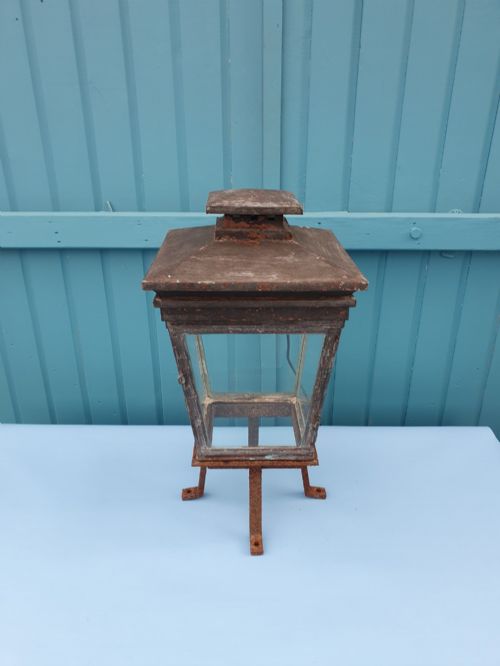
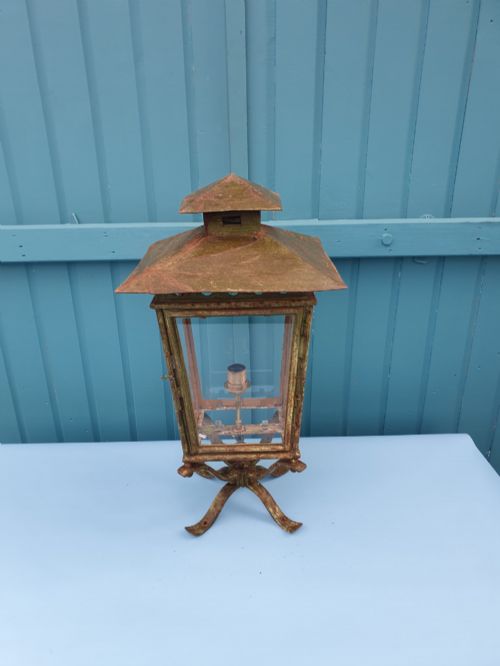


Vintage Outdoor Light
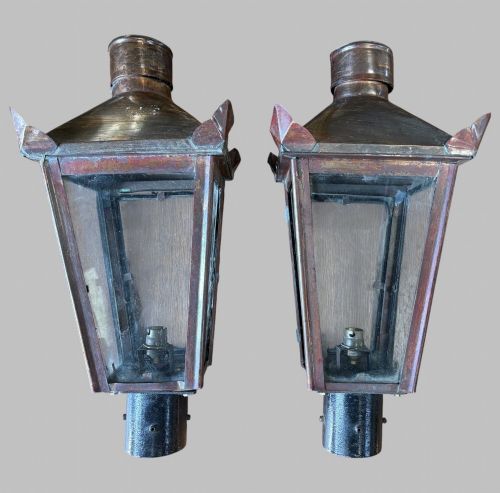
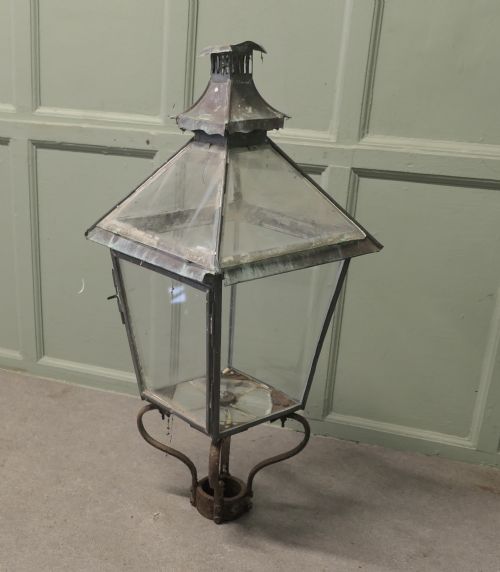
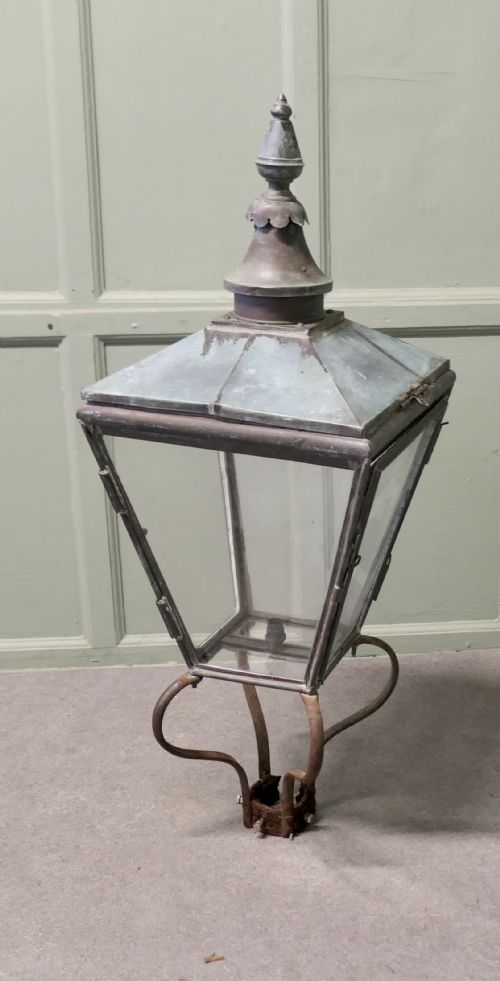
These vintage outdoor light options range from substantial Victorian iron lampposts to copper post lanterns, built to endure the weather while brightening entranceways and gardens.
Vintage Outdoor Light
When you search for a vintage outdoor light, you encounter lanterns, wall lights, hanging lanterns, wall lanterns, lamp posts, and street lighting spanning the 19th century through the 1930s. The most common forms on this page are copper and iron street lanterns, porch lights, and carriage lamps originating from Victorian, Edwardian, and early 20th-century periods.
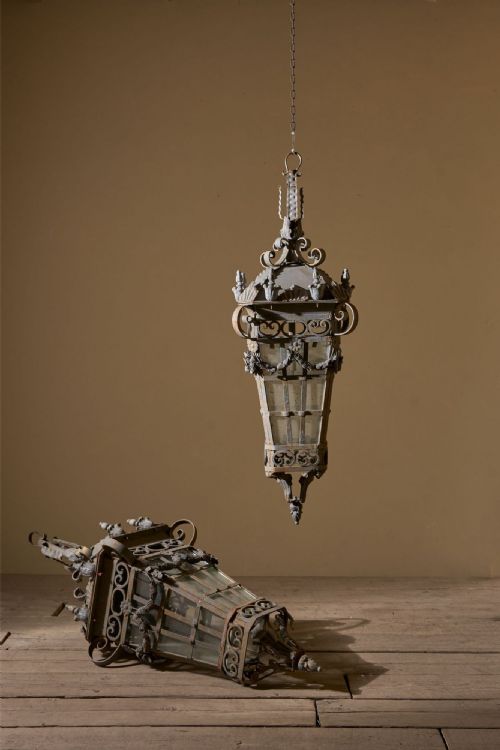
Many examples trace their origins to conversions from earlier gas installations, retaining the character of municipal street lamps or coach-house illumination. Styles traverse industrial utilitarian designs, Gothic Revival, Arts and Crafts, and French Beaux-Arts influences, reflecting the architectural preferences of their original eras.
How they were made
Construction relies heavily on durable metals paired with glass to withstand external elements. Makers utilised copper, wrought iron, cast iron, brass, steel, and zinc, assembling structural housings designed for structural permanence.
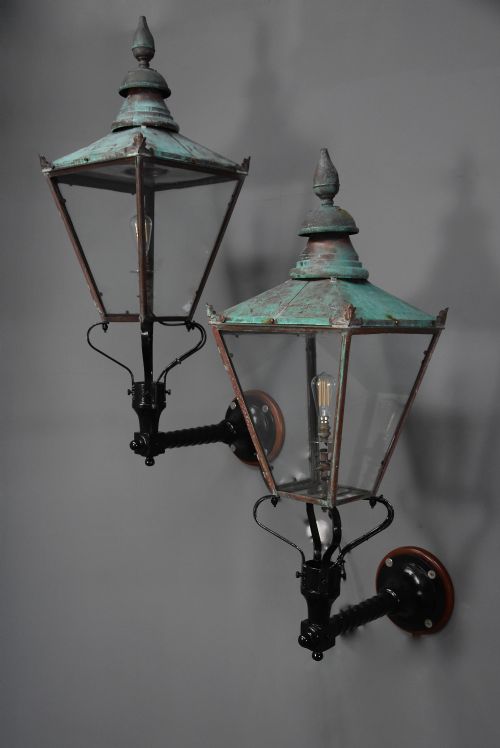
Glazing typically incorporates clear or frosted glass panes secured within metal frames. Many surviving fixtures display patinated surfaces, verdigris finishes, or painted treatments applied over the base metal.
Vintage Outdoor Light Retail Price Guide 2026
Typical asking prices for vintage outdoor light among the pieces listed under this phrase on Sellingantiques today, from the lower quarter to the upper quarter. They describe what is for sale here now, not the wider market.
One unexpected garden piece includes an original Victorian cast iron cloche designed to protect delicate plants from the elements.
What varies in quality
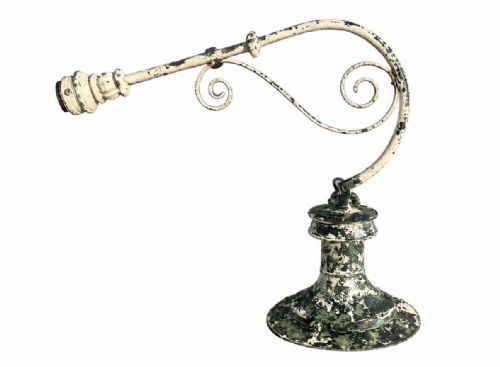
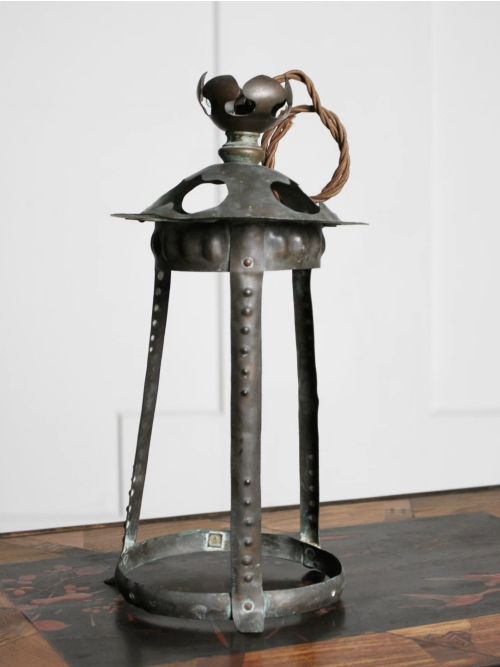
Quality rests in the substantial weight of the metal housing, the integrity of the soldered or riveted joints, and the sophistication of decorative brackets or casting details. Heavier copper gauges and complex structural forms such as spiral twist brackets or cast iron bases indicate superior original manufacture.
The distinction between standard utility lighting and finer architectural pieces also lies in stylistic detailing, such as neo-classical motifs or bespoke maker attribution, which elevates the visual presence of the fixture.
Daris·A Foster & Pullen Bradford·Revo Tipton
The Vintage Outdoor Light Glossary
- Verdigris
- A green patina that forms naturally on copper or brass over decades of exposure to the atmosphere. This chemical weathering adds historical depth to exterior metalwork.
- Lamppost
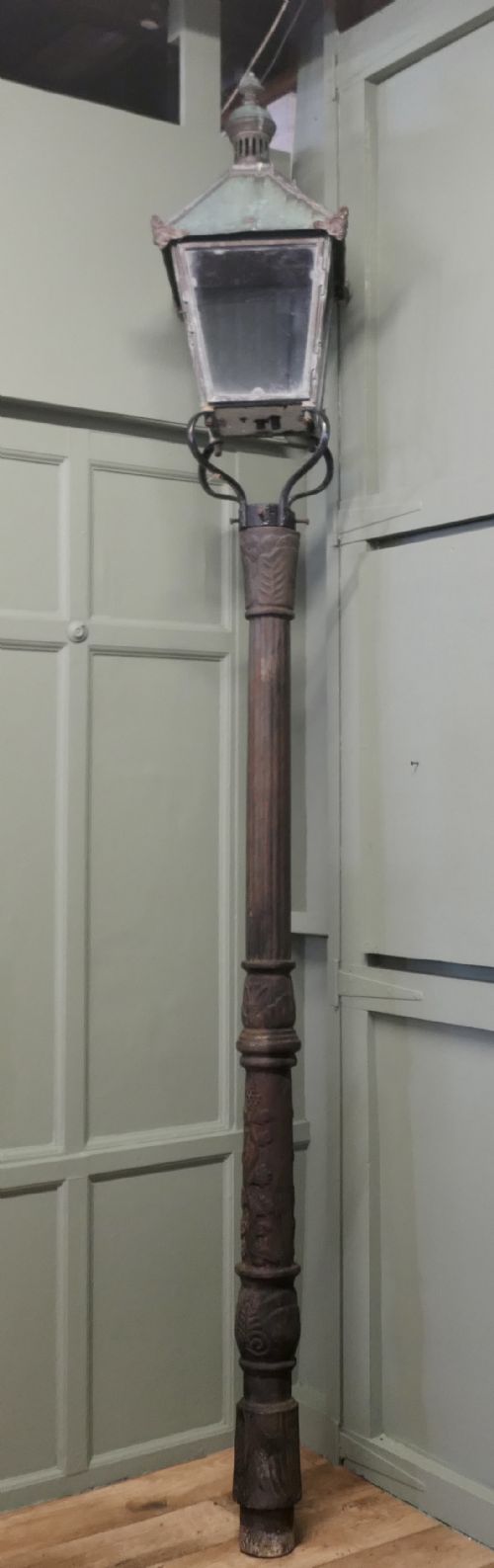
- A tall vertical post designed to support an elevated street or garden lantern. These structural supports frequently employ cast iron or steel.
- Carriage lamp
- A specialised wall or bracket-mounted lantern originally designed to illuminate horse-drawn carriages or entrance thresholds. They often feature protective glass panels and metal cowlings.
- Porch light
- A fixture mounted directly beside a domestic entrance door to provide illumination. These pieces frequently incorporate brass, copper, or iron frameworks.
Vintage Outdoor Light: Frequently Asked Questions
Can these outdoor lights connect to modern mains electricity?
Most antique exterior fixtures are adapted by electricians to accommodate modern internal wiring and standard bulb fittings. The original metal housings remain intact while the internal mechanics are updated for safe operation.
Professional installation ensures that weatherproofing standards meet current exterior electrical requirements without compromising the historical appearance of the metalwork.
How do I identify a gas conversion lamp?
Gas-converted lanterns often feature internal burner remnants, specific ventilation caps at the apex, or vintage gas-cock valves near the mounting point. These physical traces reveal their municipal or domestic origins before electrification.
Examining the internal chamber usually exposes the modifications made when the lighting technology shifted from gas to electric power during the early twentieth century.
Where should wall lanterns be positioned?
Wall lanterns and carriage lamps suit placement beside exterior entrance doors, porch archways, or boundary pillars. Their directional light output provides functional illumination for thresholds and pathways.
Scaling the fixture to the architectural proportions of the wall ensures the piece commands the correct visual presence without overwhelming the entrance.
How do I maintain verdigris and copper finishes?
Preserving historical metal finishes requires minimal intervention, usually limited to gentle dusting and light cleaning to remove debris. Harsh chemical polishes should be avoided to protect the accumulated natural patina.
Allowing the copper and iron to age naturally maintains the surface character accumulated over generations of exterior exposure.