

Vintage Outdoor Chair
A vintage outdoor chair brings enduring character to a garden terrace, offering solid metal or wooden construction designed to weather the elements.
Vintage Outdoor Chair
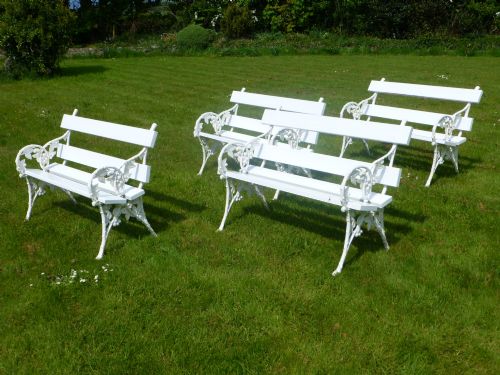
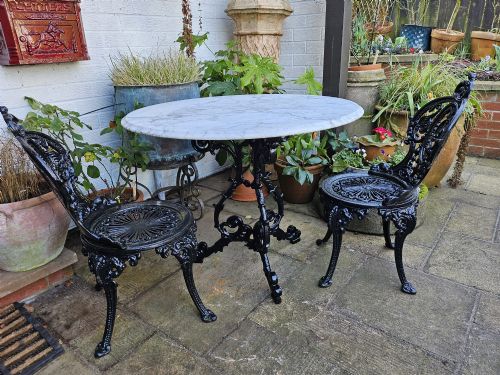
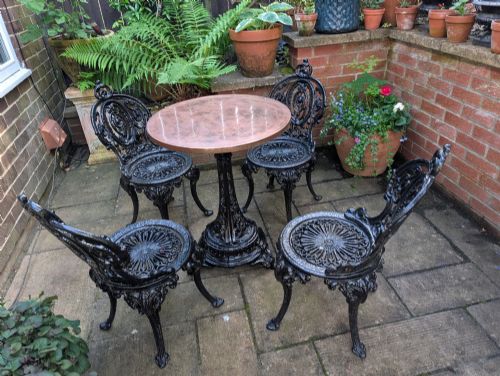
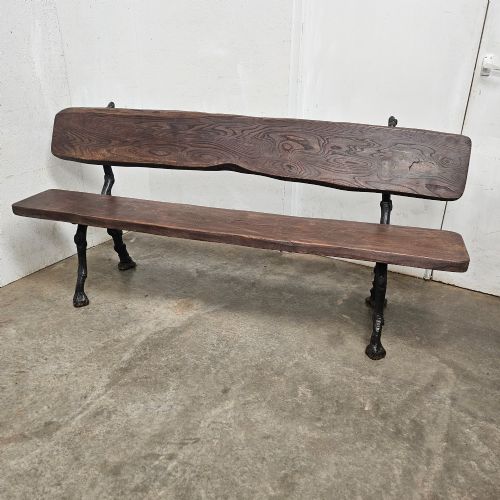
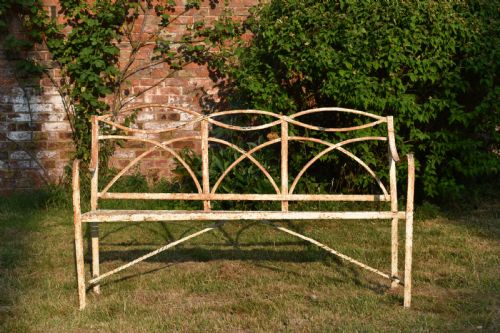
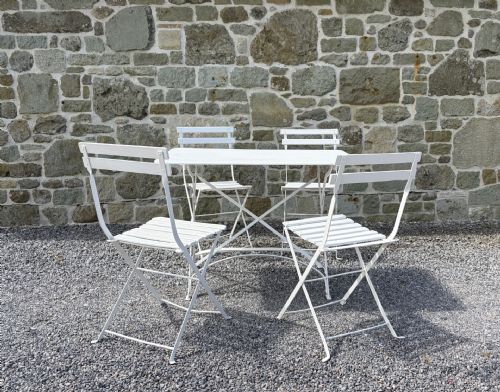
A vintage outdoor chair encompasses a variety of seating forms designed for terraces, lawns, and conservatories, spanning periods from the Regency era through to the 1930s. The most common examples met on this page include cast iron garden chairs, French folding iron chairs, and substantial garden benches originating from both British and continental workshops.
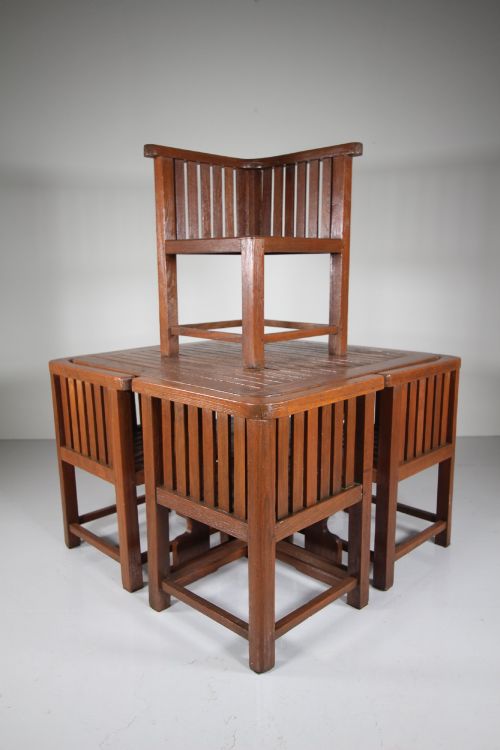
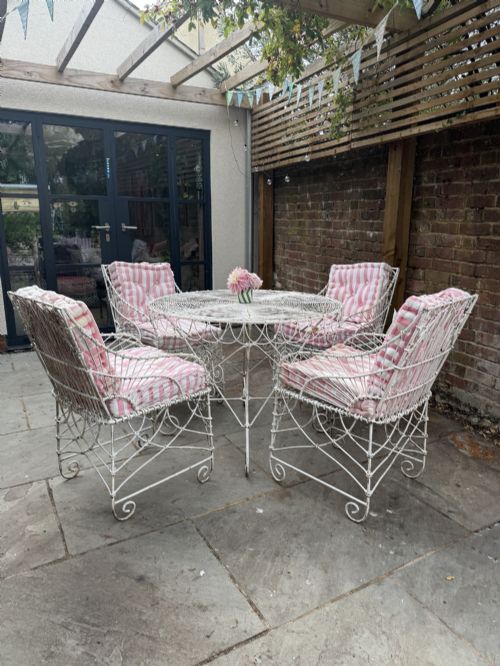
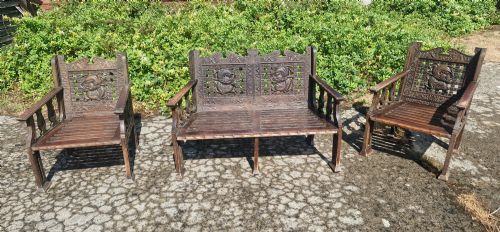
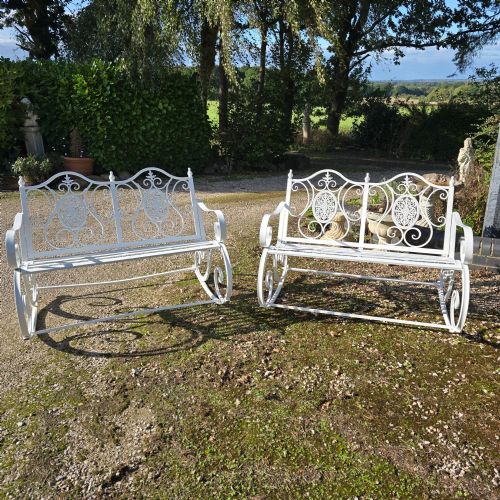
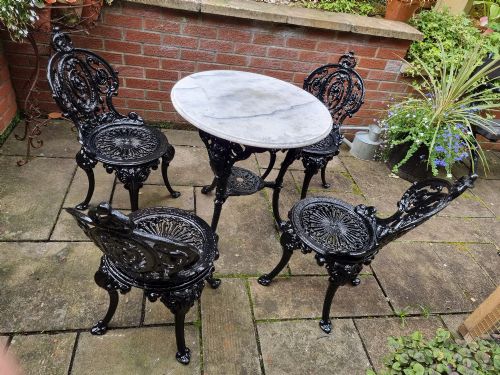
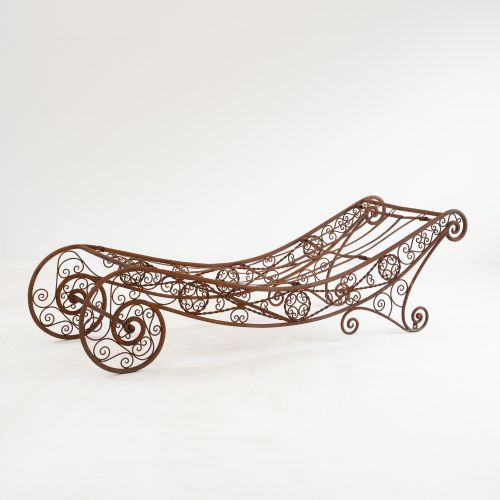
Buyers will encounter single pieces alongside matched dining sets, bistro groupings, and specialist seating such as rocking chairs, daybeds, and reclining loungers. Materials range from heavy metals to timber and wicker, reflecting diverse domestic and institutional uses across different decades.
Materials and Construction
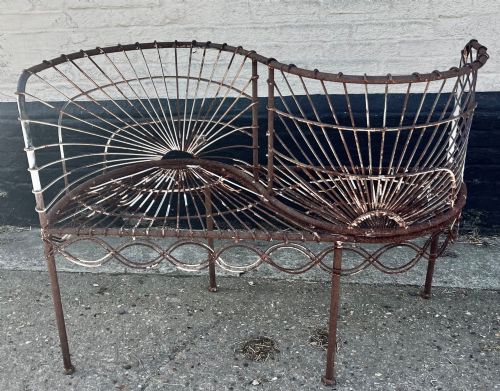
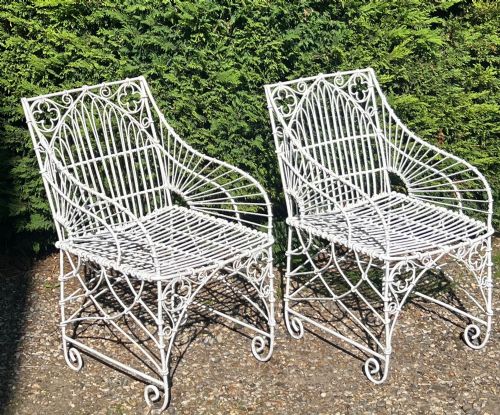
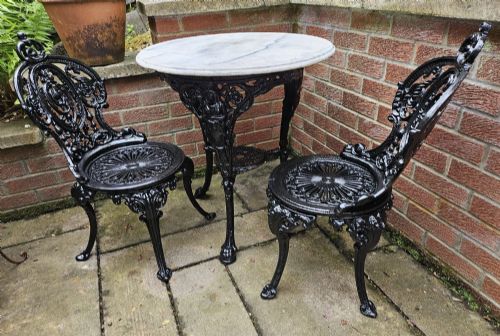
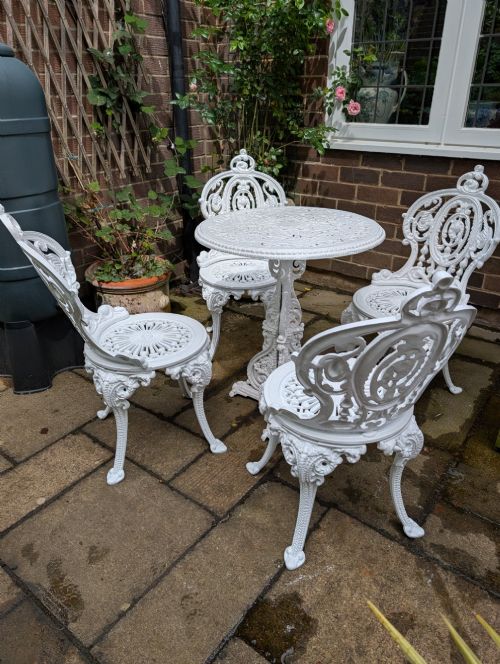
Construction relies heavily on durable metals, with cast iron and wrought iron forming the structural backbone of many pieces. Foundries utilised techniques like casting and wirework to create intricate patterns such as blackberry and leaf motifs, strapwork, and gothic arches.
Combinations of iron and wood appear frequently, pairing sturdy metal frames with timber slats, elm, or marble tops. Protective surface treatments such as paint help preserve these pieces against outdoor exposure.
Vintage Outdoor Chair Retail Price Guide 2026
Typical asking prices for vintage outdoor chair among the pieces listed under this phrase on Sellingantiques today, from the lower quarter to the upper quarter. They describe what is for sale here now, not the wider market.
Several pieces incorporate whimsical details, including cast iron lion masks and trailing blackberry leaf motifs intended to merge seating with the natural garden landscape.
Craftsmanship and Proportion
Quality in these pieces is dictated by the crispness of the casting and the finesse of the metalwork, distinguishing standard utility items from foundry work displaying specific plant motifs or lion masks. The integrity of the original construction, whether through robust iron frames or steam-bent timber, shapes the overall character.
The degree of preservation in painted surfaces, wirework mesh, and timber components determines how well a piece retains its historical integrity. Complete dining sets and matched suites command particular attention for their uniformity and scale.
Falkirk Foundry·Christopher Dresser·Angraves of Leicester
The Vintage Outdoor Chair Glossary
- Cast iron
- A sturdy iron alloy poured into moulds to create rigid garden furniture components with detailed decorative patterns. It provides substantial weight and structural longevity for outdoor seating.
- Wrought iron
- Iron that has been heated and worked by hand with tools, resulting in fibrous metal capable of being bent into scrollwork and strapwork designs.
- Wirework
- A technique using intertwined or woven metal wires to form lightweight yet resilient chair seats, backs, and table surfaces, often associated with Victorian garden furniture.
- Faux bois
- A decorative style mimicking the natural appearance of wood grain, frequently rendered in concrete or painted metal on garden benches and seats.
- Strapwork
- Flat bands of metal arranged in geometric or interlaced patterns, commonly seen on chair backs and bench panels from the Regency period onwards.
Vintage Outdoor Chair: Frequently Asked Questions
How do I protect my iron garden chair from rust?
Cast and wrought iron pieces benefit from regular cleaning and the application of protective paint or wax coatings to seal the metal against moisture.
Storing furniture under cover during prolonged winter months further prevents weathering and preserves the original surface finish.
Are these vintage chairs comfortable for daily sitting?
Many metal and wooden designs are surprisingly supportive, though adding fitted cushions can enhance comfort for extended outdoor dining.
Rocking chairs and reclining loungers offer alternative ergonomic shapes designed specifically for relaxation in the garden or conservatory.
Can I leave wooden garden furniture outside all year?
Hardwoods and treated timbers handle outdoor conditions adequately, but excessive moisture and frost can degrade joints and surface finishes over time.
Moving timber pieces into a shed or shelter during severe weather extends their functional lifespan considerably.
How do I identify a 19th-century iron chair?
Nineteenth-century examples typically display heavier casting methods, distinctive foundry marks, and decorative styles such as gothic revival or Victorian wirework.
Construction details like hand-forged fixings and heavy gauge iron differentiate older pieces from later revivals.