



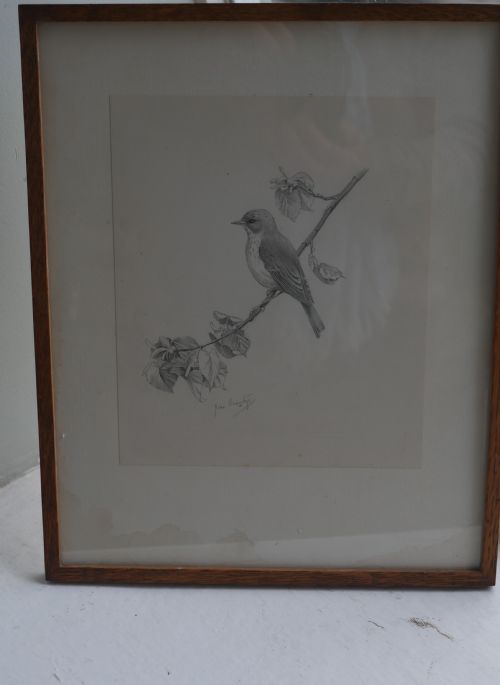

Vintage Ornithological Illustration
A vintage ornithological illustration brings the precision of natural history study and the vibrant colour of bird life directly to the wall.
Vintage Ornithological Illustration
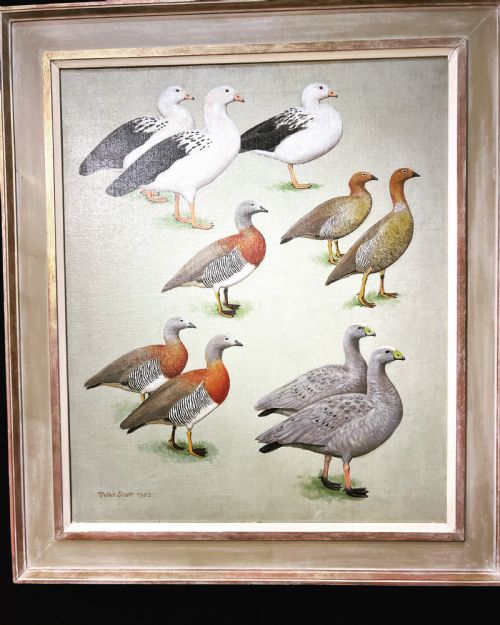
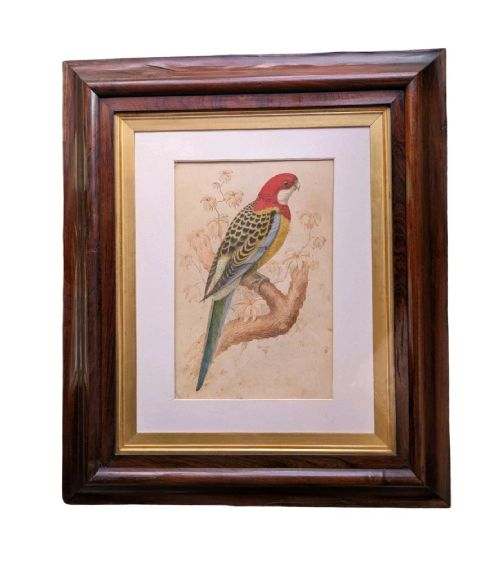
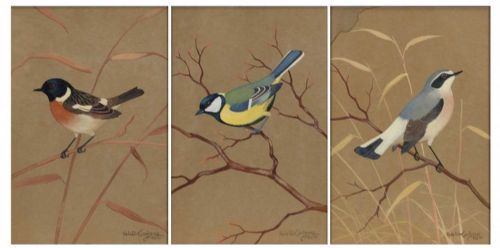
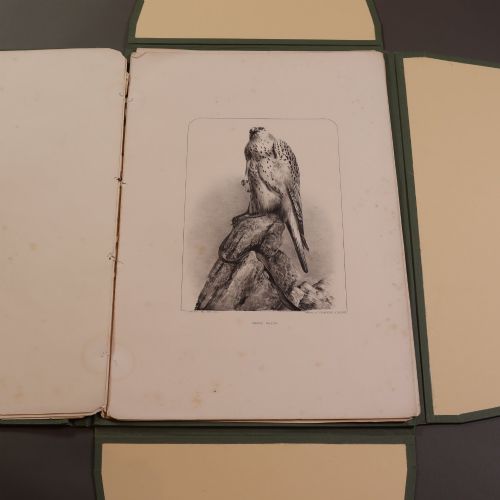
A vintage ornithological illustration captures avian subjects through detailed studies, ranging from scientific plates to intimate paintings of birds. Buyers seek these pieces to bring character and natural history into domestic spaces through framed prints, wall art, and standalone watercolours.
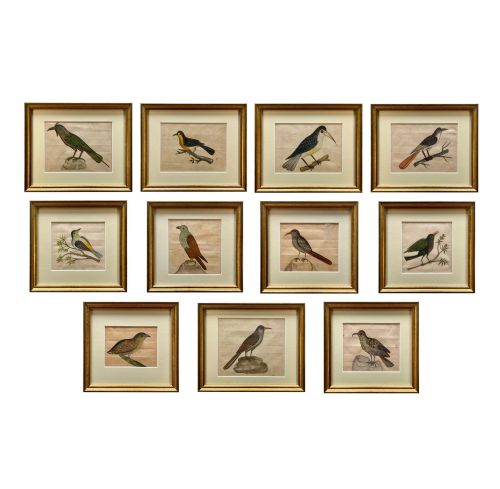
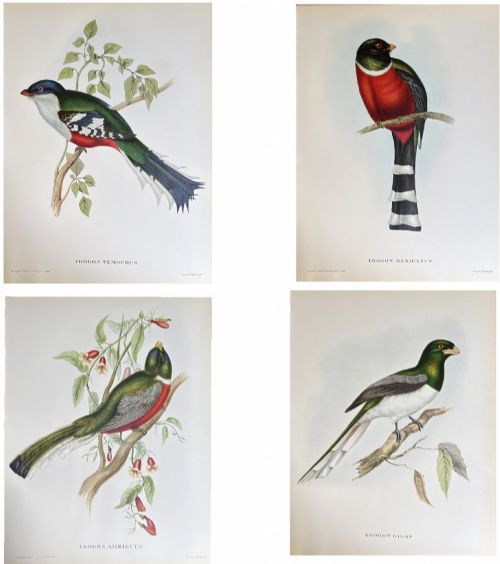
The selections span multiple eras, most frequently offering 19th-century engravings alongside mid-century watercolours and works from the Georgian and Edwardian periods. Pieces take various forms, appearing as single framed plates, matched sets of tropical birds, or delicate pencil drawings of garden species.
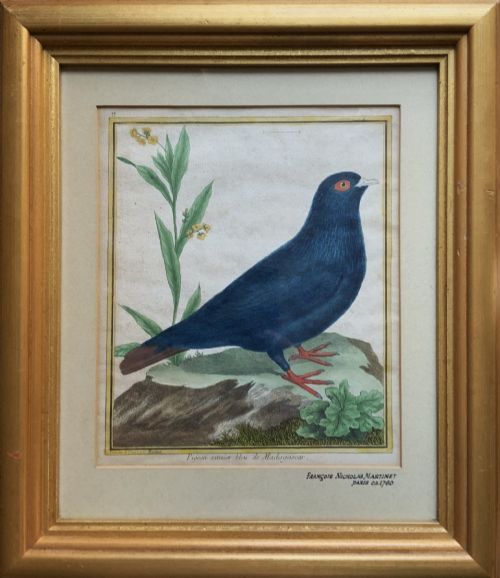
Originating from British Naturalism and broader natural history traditions, these works combine rigorous observation with artistic execution. Whether meeting a hand-coloured engraving from the eighteenth century or a mid-century thrush study, the focus remains entirely on the precise rendering of form and plumage.
Materials and Technique
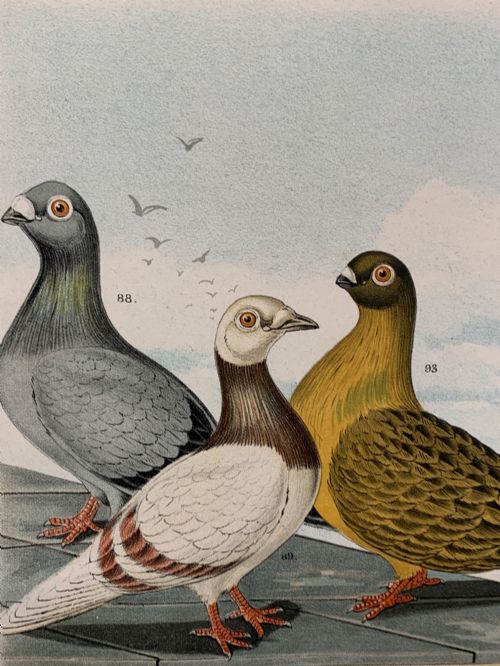
The foundational medium for these works is paper, upon which artists and printers applied watercolour, ink, gouache, and gold leaf. Hand-coloured engravings and lithographs relied on precise line work finished with washes of pigment to denote naturalistic colour.
Original watercolours and pencil drawings show direct observation through pigment and graphite, while printed works utilised engraving and lithography techniques common to the period. These sheets were frequently housed behind glass within wood frames, often complemented by deep giltwood mounts or ebonised borders that enhanced the visual weight of the study.
Vintage Ornithological Illustration Retail Price Guide 2026
Typical asking prices for vintage ornithological illustration among the pieces listed under this phrase on Sellingantiques today, from the lower quarter to the upper quarter. They describe what is for sale here now, not the wider market.
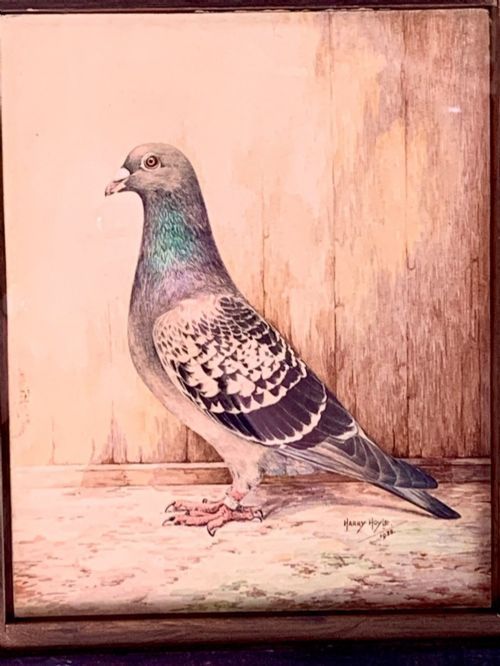
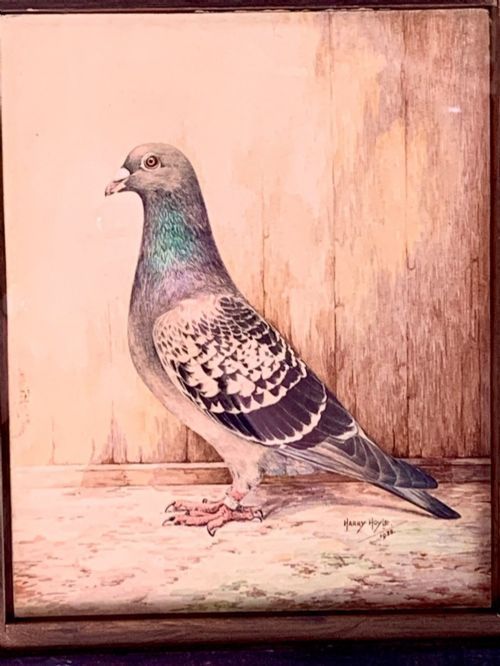
Several pieces record specific avian celebrities, including a royal messenger pigeon that won a King George Silver Jubilee prize.
Assessing Quality and Execution
Quality rests primarily on the surety of the draughtsmanship and the fidelity of the anatomical study. Works by accomplished natural history artists demonstrate an intimate understanding of avian anatomy, posture, and feather structure that separates them from standard decorative prints.
The condition of the medium also dictates distinction, noting particularly the vibrancy of surviving watercolour pigments, the crispness of nineteenth-century plate impressions, and the careful preservation of original paper surfaces. Framing choices similarly elevate a piece, where period ebonised wood and giltwood mounts match the historical context of the illustration.
Harry Bright·François-Nicolas Martinet·R. Hurst·Charles F. Tunnicliffe·George Edwards·William Swainson·Robin Hill·Eleazor Albin·Donald Watson
The Vintage Ornithological Illustration Glossary
- Lithography
- A planographic printing process utilising a smooth stone or metal plate to produce multiple impressions. This technique allowed nineteenth-century publishers to issue detailed multi-coloured prints of bird species.
- Hand-coloured engraving
- An intaglio printing method where lines incised into a metal plate hold ink, after which colour was applied by hand to individual impressions. This method defines many eighteenth-century and Victorian plates.
- Watercolour
- A paint medium consisting of water-soluble pigments used on paper to create translucent washes. It served as the primary medium for field sketches and finished avian portraits alike.
- Gouache
- An opaque water-based medium that provides solid blocks of colour and dense highlights. Artists utilised it alongside watercolour to render the rich sheen of plumage.
- Giltwood
- Wood carved and coated with gold leaf or metallic powder to create a reflective surface. Antique frames frequently employed this finish to complement botanical and zoological works.
Vintage Ornithological Illustration: Frequently Asked Questions
How do I care for antique bird watercolours?
Watercolour pigments on paper are sensitive to direct sunlight, which causes fading over time. Hang these pieces away from intense light sources and maintain stable indoor humidity.
Ensure framing uses acid-free backing materials to prevent paper degradation and yellowing. Glass protection should remain intact to shield the delicate ink and paint surfaces from atmospheric dust.
How do I distinguish an engraving from a lithograph?
Engravings display crisp, fine lines pressed slightly into the paper surface where the metal plate met the sheet under pressure. Under magnification, the ink lines appear sharp and slightly depressed.
Lithographs rely on a chemical repulsion between grease and water on a flat surface, lacking the plate mark indentation found on engravings. Colour application on lithographs often shows a dot pattern or flat printed areas rather than brushwork.
Can I hang these prints in a bathroom?
Paper and organic pigments react poorly to high humidity and moisture fluctuations found in bathrooms. Moisture causes paper to warp, encourages foxing spots, and degrades fragile watercolours.
Display these works in dry, stable living spaces or hallways where temperature and humidity remain consistent year-round.
What defines a Victorian natural history study?
Victorian natural history illustrations combine scientific accuracy with aesthetic presentation, reflecting the era's fascination with classification and collecting. Artists observed live or preserved specimens closely to record precise plumage and posture.
These works often appeared as standalone watercolours or within multi-plate publications, frequently framed in dark wood or ebonised mounts suited to Victorian interiors.