
Vintage Oriental Lamps
These vintage oriental lamps bring together hand-painted lacquer, cast bronze and delicate porcelain from workshops across Asia and Europe.
Vintage Oriental Lamps
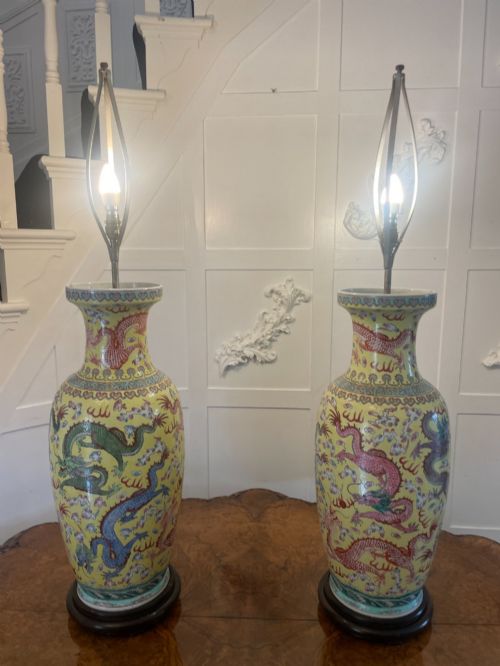
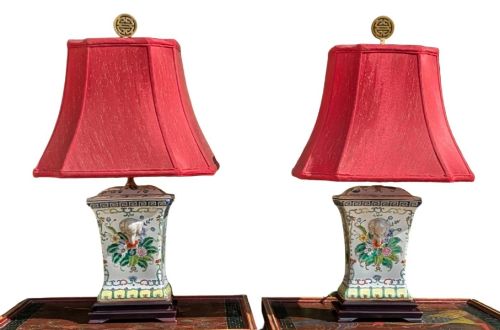
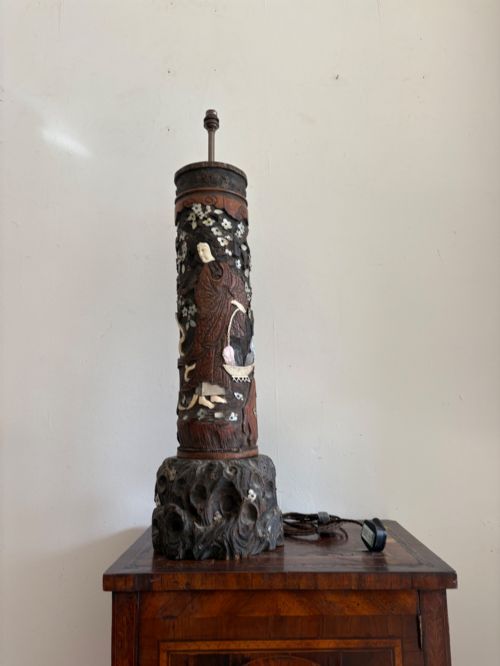
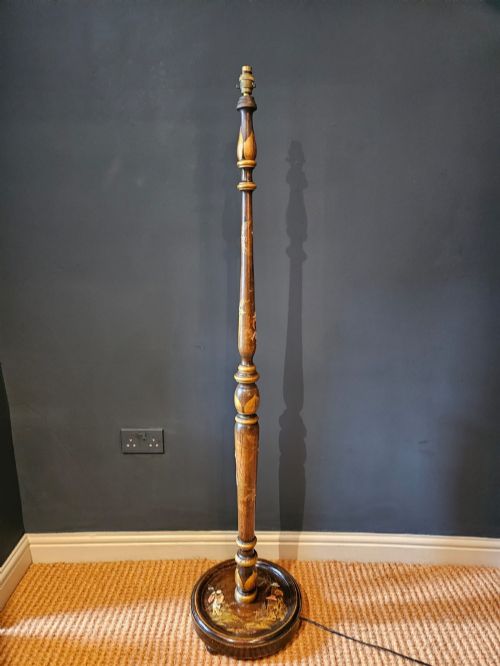
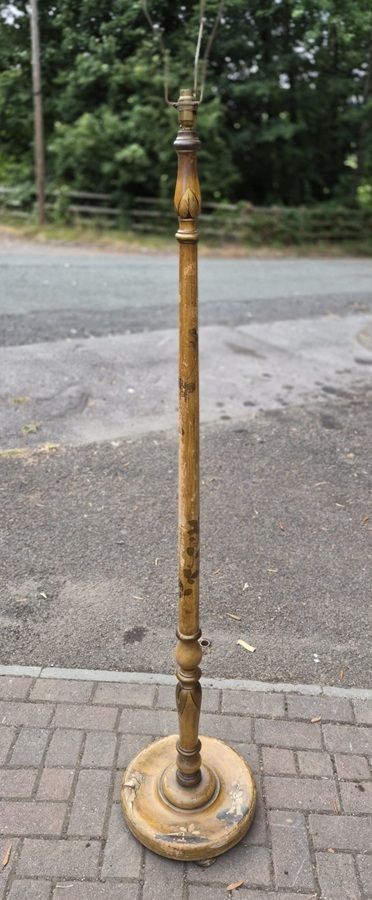
When buyers search for vintage oriental lamps, they encounter a diverse selection of lighting fixtures and converted vessels originating from the nineteenth and early twentieth centuries. These pieces encompass tall standard lamps for the floor, compact table lamps, and larger floor-standing designs intended for living spaces.
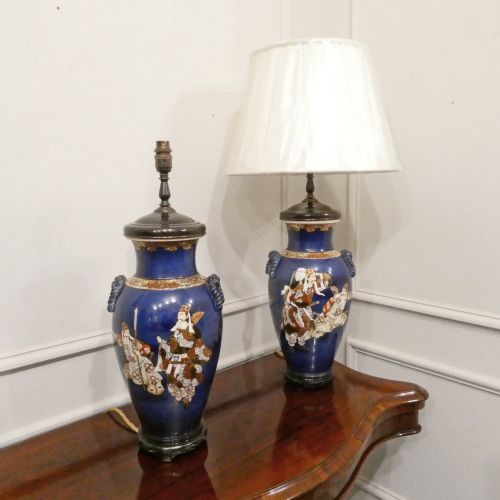
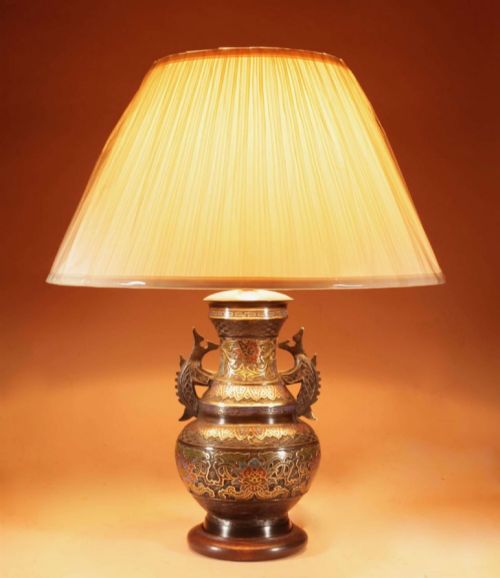
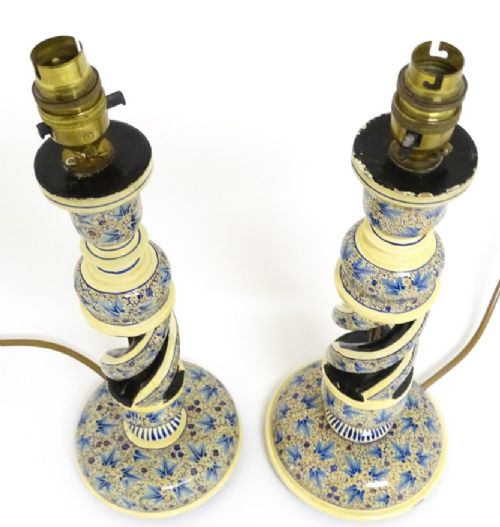
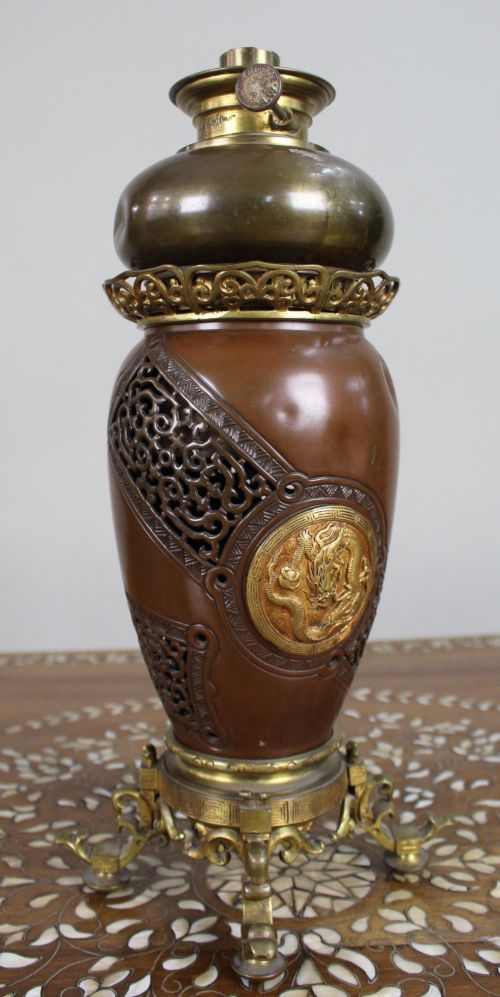
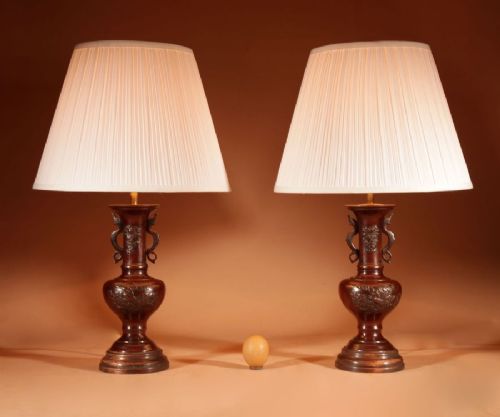
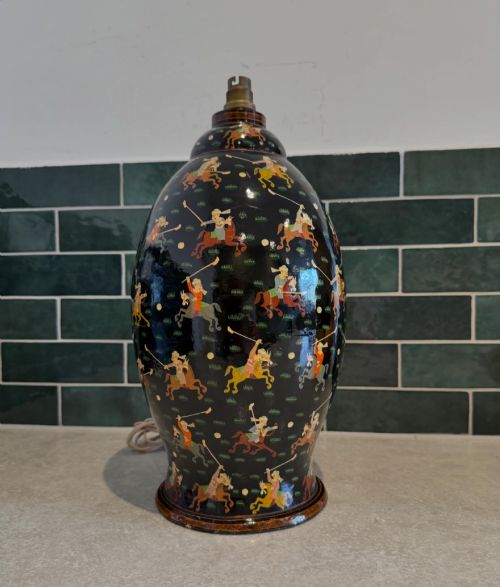
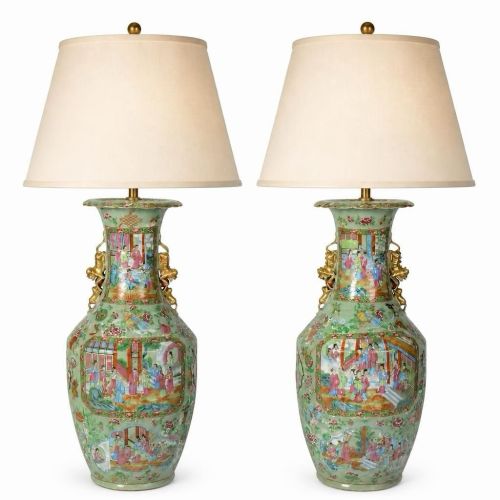
The objects on this page frequently originate from Japanese Meiji period bronzes and Satsuma ceramics, alongside Chinese export porcelain and vibrant Kashmiri hand-painted papier-mâché or wood. Many examples utilise historic vases, jars, and brush pots that have been adapted for modern electrical wiring.
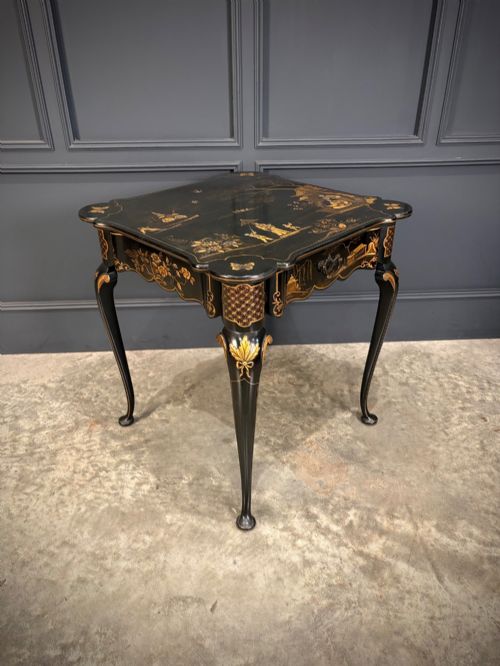
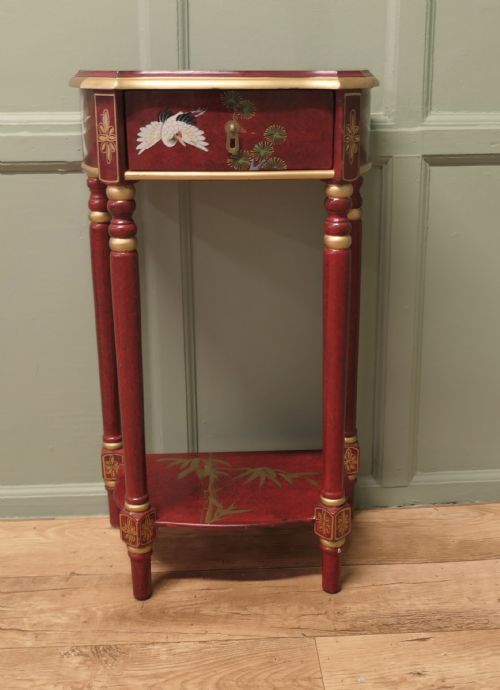
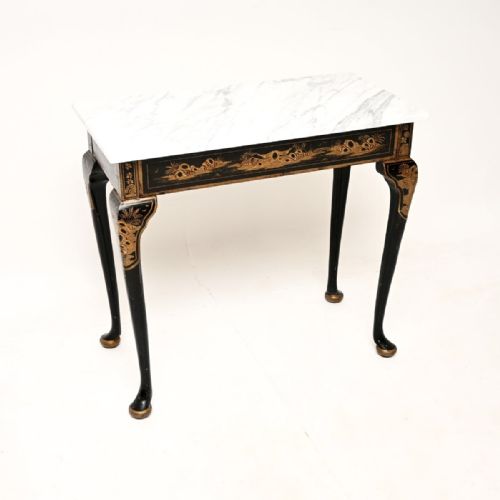
Alongside dedicated lighting, the selection includes related furnishings such as Chinoiserie lacquered side tables and nests of tables designed to hold lamps or display ornaments. These pieces span Victorian, Edwardian, and later twentieth-century interpretations of Eastern design traditions.
Materials and construction
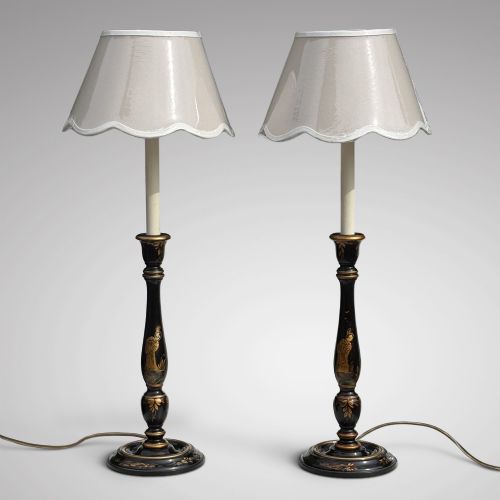
The construction of these lamps relies heavily on traditional artisan techniques, combining turned or carved wood bodies with layered black, red, or mandarin orange lacquer. Artisans applied intricate hand-painted Chinoiserie motifs, gilt gold detailing, and intricate floral patterns directly onto the prepared surfaces.
Metalwork pieces utilise cast bronze, brass, and white metal, frequently incorporating champlevé and cloisonné enamel work with vibrant coloured pigments. Ceramics draw on Rose Medallion, Satsuma earthenware, and blue and white porcelain traditions, occasionally fitted with mother of pearl inlay.
Several converted vessels started life as seventeenth-century vases before receiving twentieth-century electrical upgrades.
Evaluating craftsmanship and condition
Quality in these lamps rests upon the precision of the hand-painting, the depth and durability of the lacquer layers, and the crispness of the bronze or brass casting. Superior examples display finely rendered facial expressions on figures, clean cloisonné wirework, and well-balanced proportions in converted vases.
The integrity of the original surface finish dictates desirability, with undisturbed patination and minimal loss to the gilt or paintwork marking out better-preserved specimens. Converted vessels demonstrate superior quality when the original ceramic or bronze body remains undamaged by the subsequent wiring process.
The Vintage Oriental Lamps Glossary
- Chinoiserie
- European theatrical interpretation of Chinese artistic traditions, popular in furniture and decorative objects. It relies heavily on lacquered finishes and gilded landscape scenes.
- Cloisonné
- Enamelling technique where thin metal wires form raised barriers on a metal body to contain coloured glass pastes before firing. The resulting surface shows distinct cells of colour.
- Champlevé
- Enamelling method where troughs or cavities are hollowed directly into the surface of a bronze object and filled with enamel. This technique leaves thick metal walls visible between the colour fields.
- Meiji Period
- Japanese historical era spanning from eighteen sixty-eight to nineteen twelve, noted for exceptional bronze casting and ceramic production. Pieces from this time often bear distinct artisan signatures.
- Satsuma
- Japanese earthenware pottery characterised by a ivory-coloured, crackle-glaze finish decorated with polychrome enamels and gilt. It gained significant popularity during the nineteenth century for export markets.
Vintage Oriental Lamps: Frequently Asked Questions
Are these lamps converted from old vases?
Many lighting fixtures in this category started life as Chinese or Japanese vases, ginger jars, or bronze vessels before conversion. Artisans fitted them with electrical components during the twentieth century to serve domestic interiors.
This practice preserves historic ceramic and metal bodies while adapting them for practical household use.
How do I identify a Meiji period lamp?
Meiji period pieces date between eighteen sixty-eight and nineteen twelve, typically showing exceptional skill in bronze casting or Satsuma ceramic decoration. Look for detailed chasing on metalwork and traditional Japanese motifs.
These items frequently reflect the artistic standards of the Japanese export trade during the late nineteenth century.
What is Kashmiri lacquerware?
Kashmiri pieces utilise papier-mâché or wood bases coated in smooth layers of lacquer, then hand-painted with intricate floral or geometric patterns. Artisans often highlight these designs using gilt gold and rich green or red backgrounds.
Such lamps bring vibrant colour and texture to side tables and living areas.
How do I clean a lacquered lamp?
Dust lacquered and hand-painted surfaces gently with a soft, dry cloth to prevent scratching the delicate finish. Avoid using chemical sprays, abrasive cleaners, or excess water on historic lacquer and painted woodwork.
Regular, careful maintenance preserves the original pigment and gilt details over time.