





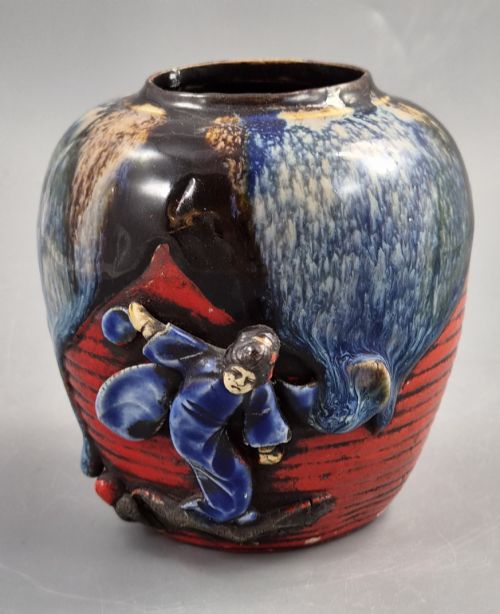
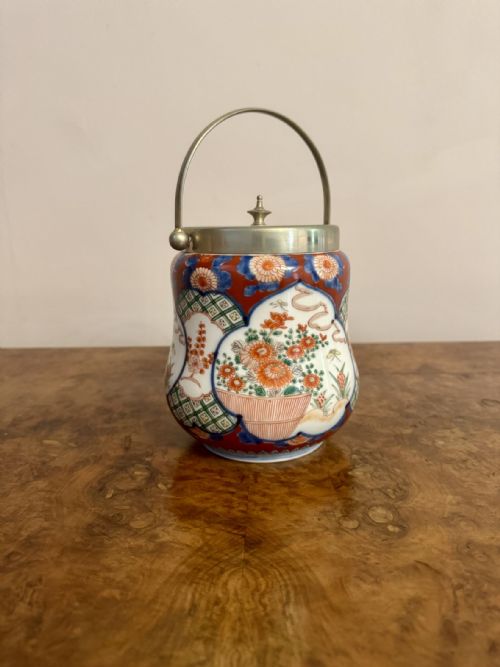


Vintage Oriental Ceramic Jar
A vintage oriental ceramic jar brings centuries of kiln craft and painted storytelling straight to a mantelpiece or side table.
Vintage Oriental Ceramic Jar
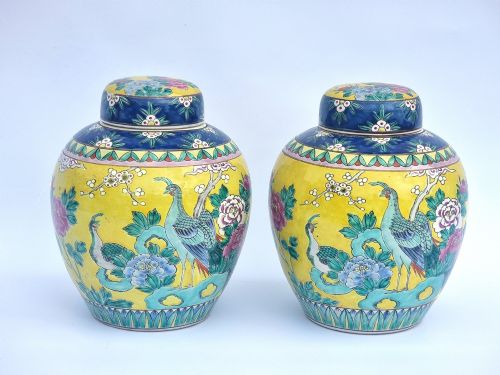
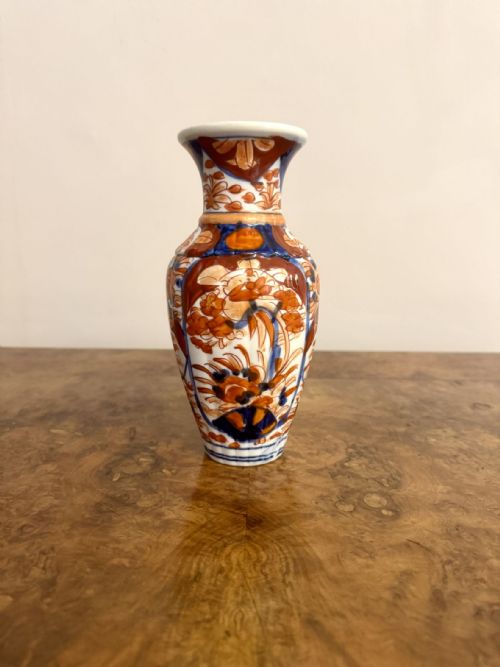
A vintage oriental ceramic jar encompasses covered ginger jars, lidded tea caddies, and decorative vessels originating from China and Japan. These pieces span the nineteenth century through the early twentieth century, reflecting traditional Chinese styles alongside Japanese Imari, Satsuma, and Kutani wares.
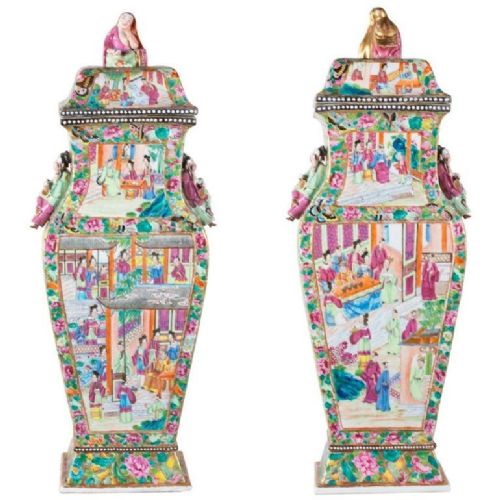
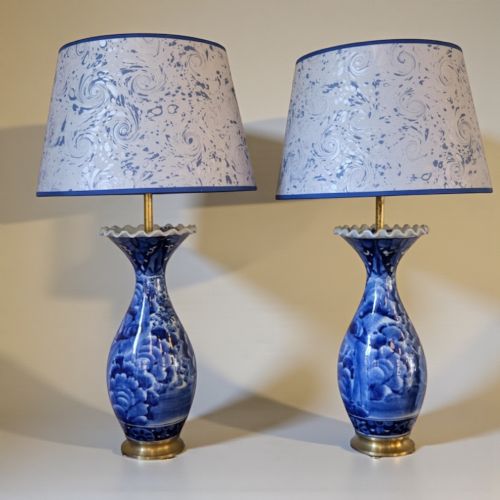
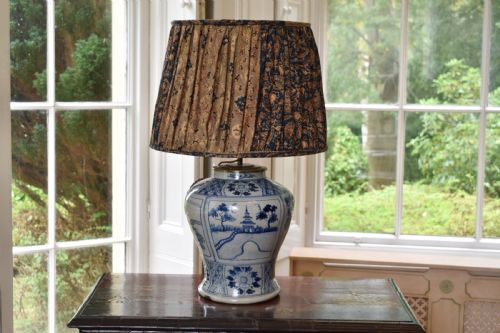
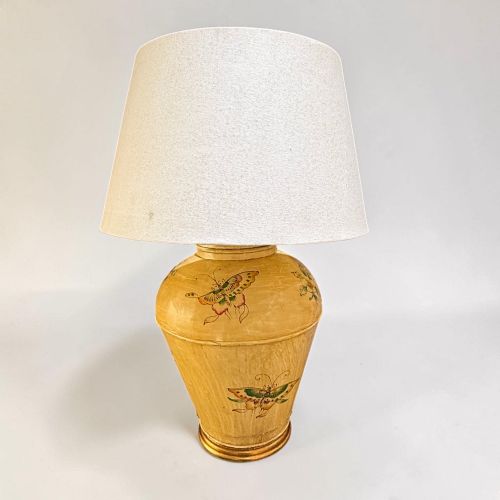
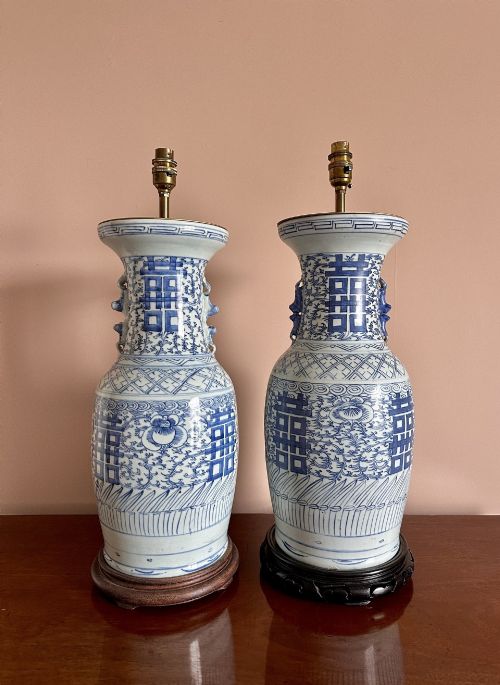
Buyers frequently encounter blue and white porcelain jars, polychrome famille rose or verte designs, and cloisonné enamel surfaces. Many of these vessels have been adapted into table lamps while retaining their original ceramic bodies and painted motifs.
How they were made
Potters shaped these vessels from porcelain and earthenware, often applying cobalt glaze underglaze or rich enamel colours over the fired clay. Artisans then hand painted intricate floral, bird, and figural scenes, occasionally incorporating gold leaf details.
Japanese pieces utilised specialised regional kilns in centres such as Arita and Kutani, employing crackle glazes and moulded elements like climbing figures. Lidded jars and vases received precise fits, while metal components such as brass were added during later lamp conversions.
Vintage Oriental Ceramic Jar Retail Price Guide 2026
Typical asking prices for vintage oriental ceramic jar among the pieces listed under this phrase on Sellingantiques today, from the lower quarter to the upper quarter. They describe what is for sale here now, not the wider market.
Materials recorded across the selection include porcelain, earthenware, enamel, cobalt glaze, gold leaf, and brass mountings.
What varies in quality
Quality rests upon the precision of the hand painting and the clarity of the cobalt or enamel pigments applied to the porcelain body. Finer examples display disciplined brushwork, balanced composition, and well-defined glazes without muddy pooling.
The sophistication of the potting and the crispness of moulded details distinguish standard production wares from pieces bearing named workshop signatures. The integrity of the ceramic form and the preservation of original lids or mounts dictate the standing of individual pieces.
Kinkozan·Tokyo Taizan·Fukagawa·Royal Doulton
The Vintage Oriental Ceramic Jar Glossary
- Imari
- A style of Japanese porcelain decorated in underglaze blue, iron red, and gold, named after the port from which it was shipped.
- Satsuma
- Japanese earthenware pottery characterised by a fine crackle glaze and elaborate polychrome and gilt decoration.
- Ginger jar
- A wide-mouthed storage vessel originating in China, traditionally used for holding spices and later valued for its balanced, globular form.
- Famille verte
- A Chinese porcelain palette dominated by green enamel, developed during the Qing dynasty alongside related famille rose and noire colour schemes.
- Kamcheng
- A traditional covered ceramic jar originating from Chinese export traditions, often featuring vibrant enamel painting.
Vintage Oriental Ceramic Jar: Frequently Asked Questions
How were ginger jars originally used?
These lidded vessels served primarily to store and transport spices, salt, and oil in traditional households.
Over time, their sturdy forms and decorative covers made them popular ornamental objects for domestic interiors.
How do I identify Meiji period ceramics?
Japanese pieces from this era often display dense hand-painted gilding, intricate figural scenes, and distinctive regional signatures.
Potteries such as Satsuma and Kutani flourished during these decades, producing detailed earthenware and porcelain.
Are converted lamp jars still authentic?
Many antique jars were fitted for electrical wiring during the twentieth century to serve as table lamps.
While the wiring is modern, the ceramic body and painted glaze remain period originals.