



Vintage Oriental Cabinet
These vintage oriental cabinet selections bring painted lacquer, rich wood and intricate hardware into a room.
Vintage Oriental Cabinet
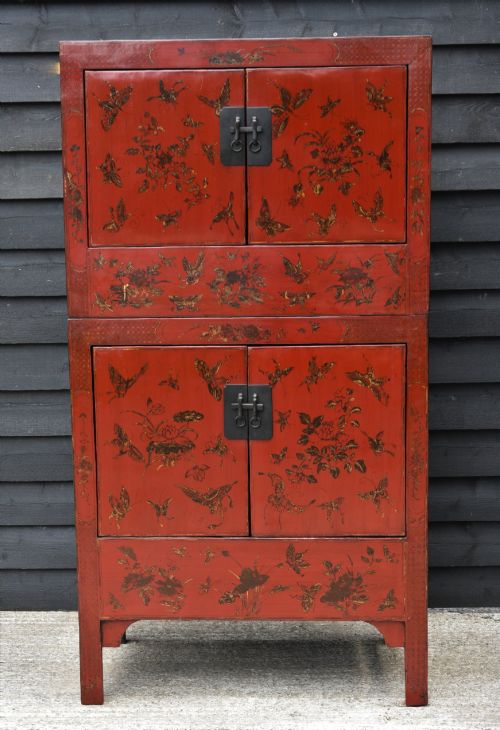
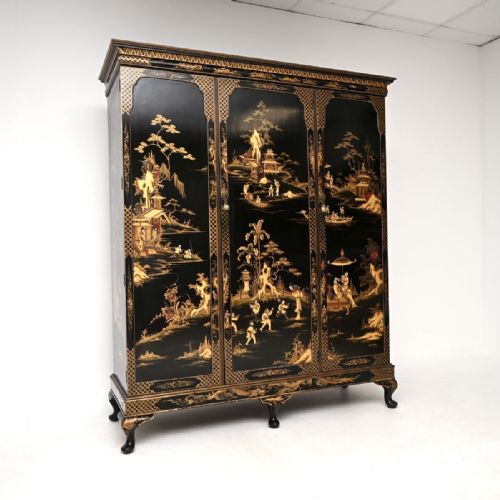
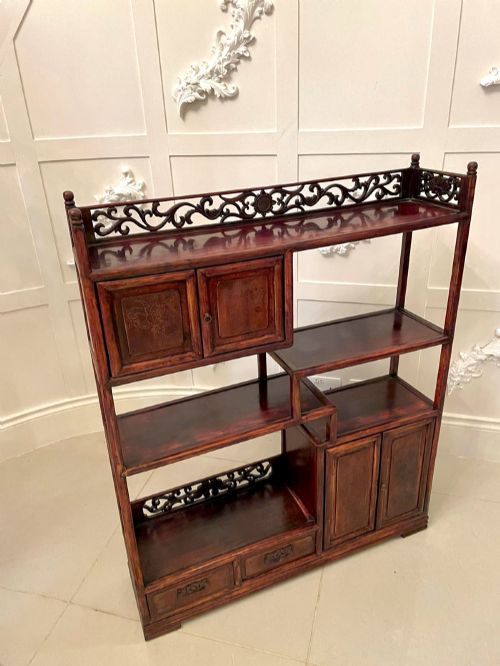
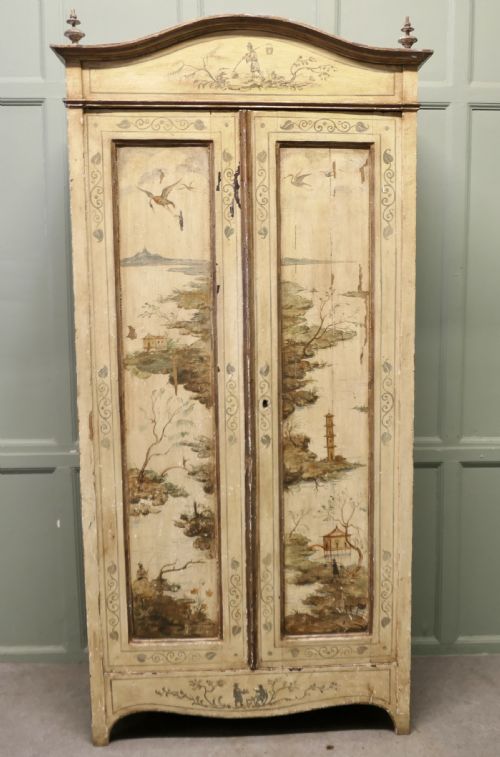
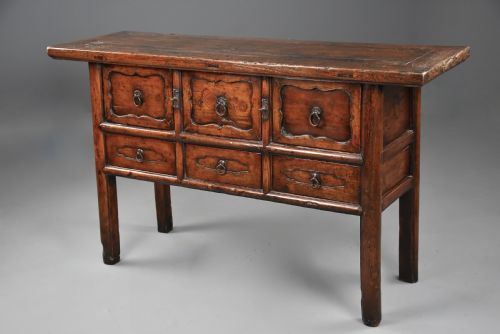
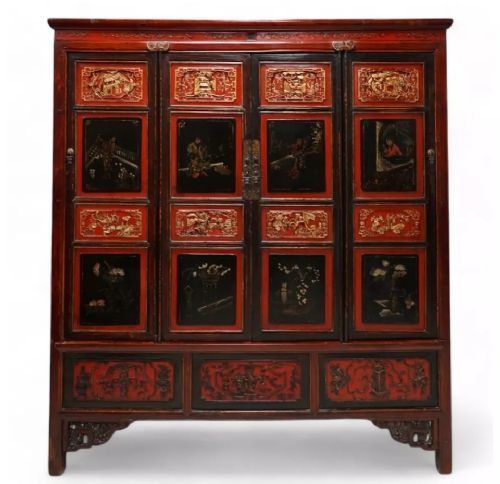
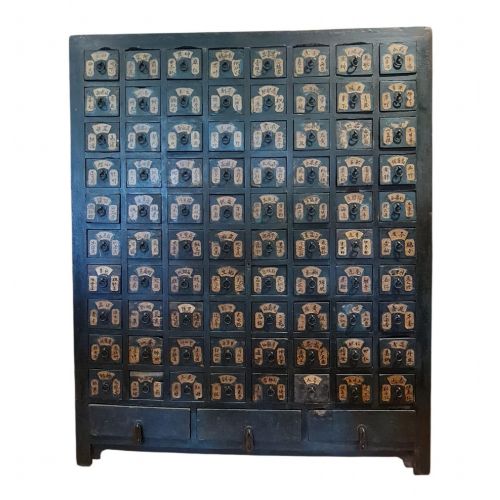
A vintage oriental cabinet encompasses storage furniture ranging from Chinese elm apothecary chests and red lacquer marriage cupboards to Japanese tansu chests and British-made Chinoiserie wardrobes. Buyers exploring this category encounter pieces designed for specialised uses, such as multi-drawer medicine storage, kitchen organisation, or display.
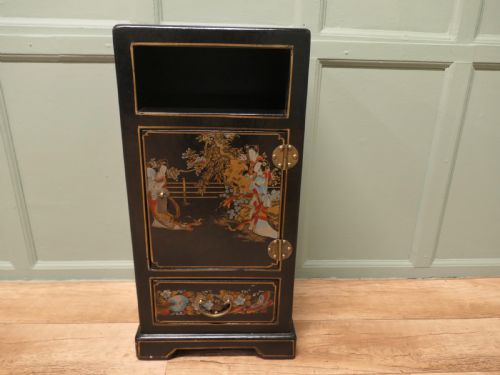
The selections span the nineteenth century through the early twentieth century, including Edwardian and Art Deco interpretations. Forms vary from corner cupboards and side cabinets to cocktail cabinets on stands and occasional tables.
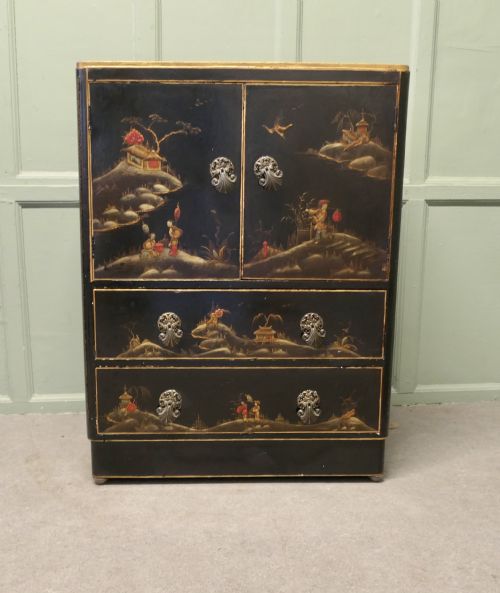
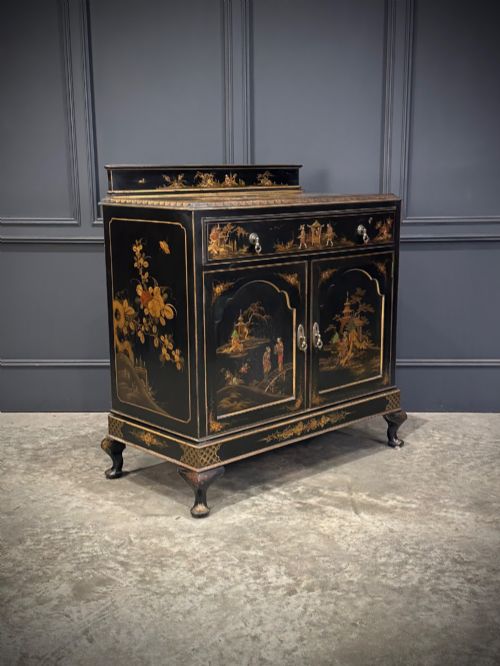
Many examples originate from specific traditions like Chinese Qing style or Japanese traditional woodworking, while others reflect European adaptations through Japanned finishes and Chinoiserie decoration.
Materials and construction
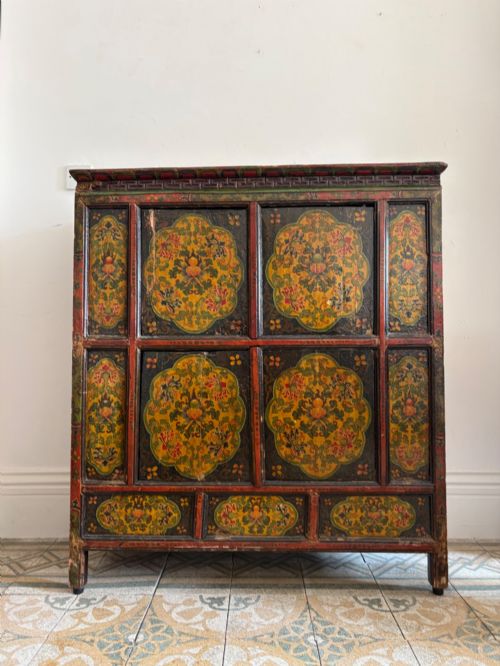
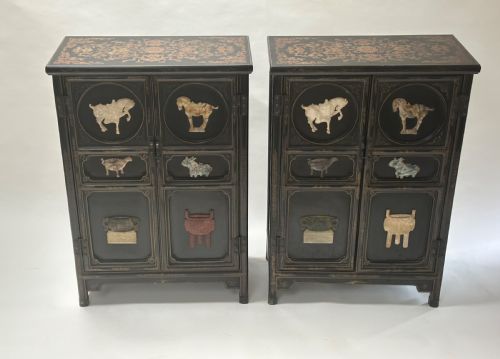
Construction relies on traditional timbers such as Chinese elm and hardwood, often finished with layers of black, red or green lacquer. Artisans applied gold leaf, brass hardware, and painted outdoor scenes or floral decoration directly onto the wood.
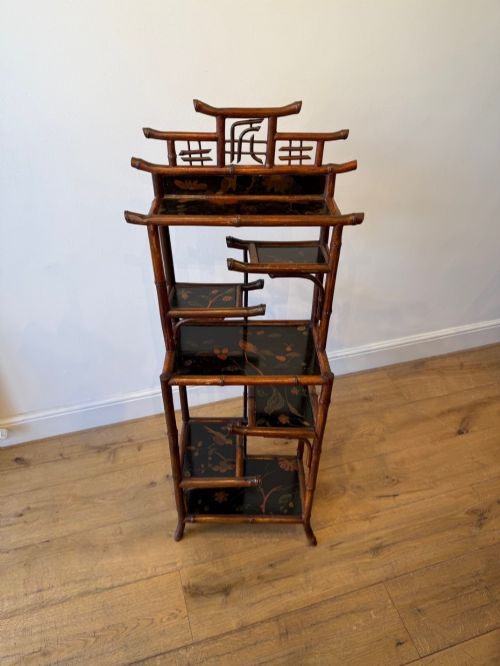
Surface techniques include mother of pearl inlay, hand-painted pigments, and Japanning, where European craftsmen imitated Asian lacquerwork. Many items incorporate bamboo framing, iron fittings, enamel details, and porcelain elements.
Vintage Oriental Cabinet Retail Price Guide 2026
Typical asking prices for vintage oriental cabinet among the pieces listed under this phrase on Sellingantiques today, from the lower quarter to the upper quarter. They describe what is for sale here now, not the wider market.
The listings feature pieces spanning the 19th century, Edwardian period, and 1930s Art Deco movement.
Markers of standard and craftsmanship
Quality rests in the depth of the lacquer finish, the crispness of hand-painted outdoor scenes, and the preservation of original decorative surfaces. Pieces retaining their initial patination and detailed hardware display superior craftsmanship.
Structural integrity of the timber, particularly in elm chests and apothecary drawers, distinguishes standard production from finer workshop output. The complexity of joinery and the precision of brass or iron mounts further separate exemplary items from simpler utilitarian versions.
Maples & Co·Harrods·Chosei
The Vintage Oriental Cabinet Glossary
- Chinoiserie
- European artistic style reflecting Chinese motifs and decorative techniques. Artisans applied this style extensively to cabinets, screens, and writing furniture during various periods.
- Japanning
- European imitation of Japanese and Chinese lacquerwork. Craftsmen built up layers of varnish and heated the surface to create a hard, glossy finish often decorated with gilt scenes.
- Tansu
- Traditional Japanese mobile storage chest designed for various domestic uses such as clothing or kitchen organisation. These pieces feature robust iron hardware and structural joinery without nails.
- Imari
- Japanese porcelain decorated in underglaze blue and overglaze red, gold, and green. Collectors prize these colourful plates and chargers for their vibrant palettes.
- Patina
- Surface sheen developed through age, handling, and use over decades. A natural patina indicates uncompromised historical surfaces on wood and lacquer.
Vintage Oriental Cabinet: Frequently Asked Questions
How do I care for a lacquered cabinet?
Keep wooden and lacquered surfaces away from direct sunlight and steady heat sources to prevent cracking or fading. Dust gently with a dry, soft cloth and avoid chemical polishes.
Maintain stable humidity in the room, as extreme dryness or moisture damages traditional finishes and wood movement over time.
What is an apothecary chest?
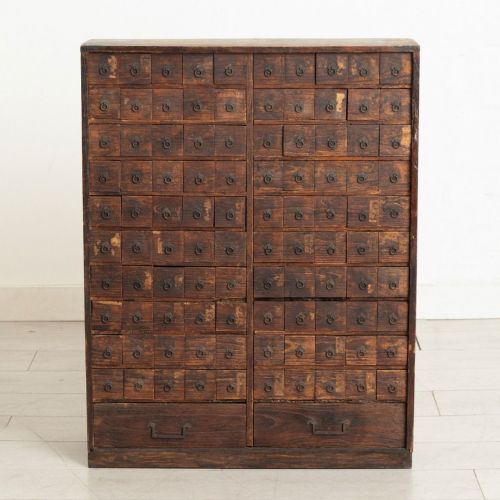
An apothecary chest is a traditional storage unit featuring numerous small drawers designed to hold medicinal herbs, powders, and dried ingredients. These pieces originate from workshops in regions such as Shanxi Province.
In modern interiors, the multi-drawer format serves well for organising small collections, desk supplies, or jewellery while retaining a striking architectural presence.
How do I distinguish Chinese and Japanese storage pieces?
Chinese cabinets frequently utilise elm or hardwood, displaying red or black lacquer, brass corner mounts, and pictorial scenes of outdoor life or figures. Marriage cabinets and apothecary chests represent common forms.
Japanese pieces often take the form of tansu chests or kitchen cabinets constructed with visible structural joinery and heavy iron hardware rather than ornate brass fixtures.