



Vintage Opera Glasses
These vintage opera glasses are optical instruments designed to bring theatre performances closer, combining practical magnification with decorative elegance.
Vintage Opera Glasses
Vintage opera glasses encompass delicate theatre binoculars, lorgnettes, and compact spyglasses designed for theatregoers and social events. These optical instruments bridge the gap between practical viewing tools and refined personal accessories.
The pieces encountered on this page stretch from the Victorian and Edwardian eras into the Art Deco period. Examples range from simple brass and leather monocular viewing scopes to ornate French binocular sets.
Makers from Paris, London, and Germany produced these designs, utilising materials that reflected the fashion of their decade. Collectors find both paired opera glasses and folding lorgnettes amongst these historical items.
Materials and construction
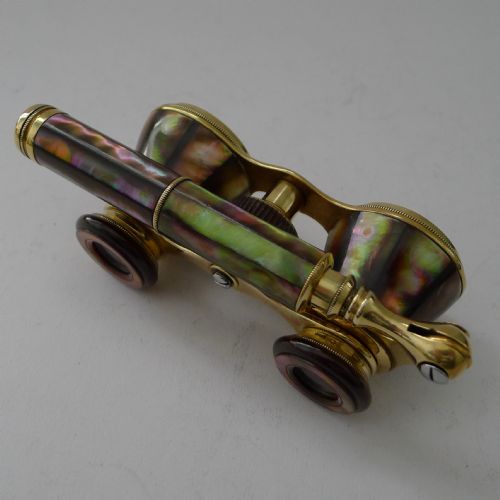
Makers constructed the bodies of these instruments using polished brass, sometimes lacquered or combined with precious metals like platinum and sterling silver. Mother-of-pearl insets provided decorative panels along the barrels and focus wheels.
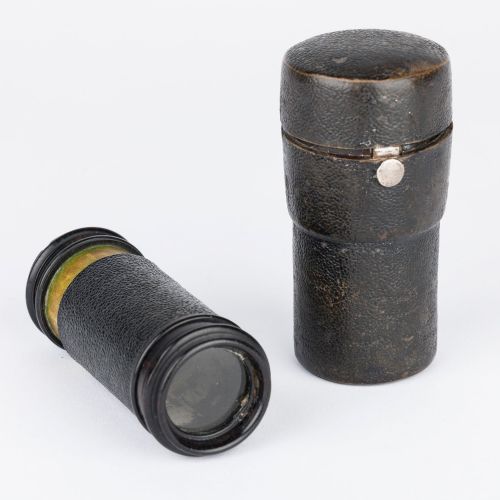
Leather wrapping offered a secure grip on portable viewing scopes and pocket spyglasses. Enamel work, including golden guilloche, added rich colour and texture to the exterior casing of Edwardian pieces.
Optical lenses of glass provided the magnification required for theatre viewing. Delicate mechanisms allowed the central screw to adjust the focus smoothly between barrels.
Vintage Opera Glasses Retail Price Guide 2026
Typical asking prices for vintage opera glasses among the pieces listed under this phrase on Sellingantiques today, from the lower quarter to the upper quarter. They describe what is for sale here now, not the wider market.
Listings feature items spanning the eighteenth century through the Victorian, Edwardian, and Art Deco periods, utilising brass, glass, and mother-of-pearl.
Evaluating quality and craftsmanship
Quality rests upon the refinement of the materials and the complexity of the decoration. Plain brass and leather instruments contrast with pieces embellished by hand-painted enamel, precious metals, and diamonds.
The inclusion of original fitted cases, neck lanyards, and maker signatures elevates an object. Signed items from established Parisian and English workshops demonstrate superior optical alignment and mechanical precision.
Ross London·Iris Paris
The Vintage Opera Glasses Glossary
- Lorgnette
- Eyeglasses or opera glasses mounted on a long handle or folding mechanism. They were held in front of the eyes rather than worn over the ears.
- Spyglass
- A small, portable refracting telescope used for magnification. These pocket instruments often featured extending brass draw tubes.
- Guilloche
- An intricate decorative pattern engraved into metal using a mechanical lathe. It frequently appeared beneath translucent enamel on luxury items.
- Monocular
- An optical instrument designed for viewing objects with a single eye. These compact scopes were popular for quick theatrical or travel observation.
- Ormolu
- Gilded bronze or brass applied to decorative objects. This technique provided a rich golden finish on nineteenth-century pieces.
Vintage Opera Glasses: Frequently Asked Questions
How do you focus vintage opera glasses?
Most pairs feature a central knurled wheel positioned between the two optical barrels. Turning this screw adjusts the distance between the lenses to suit individual eyesight.
Simpler monocular designs and spyglasses rely on pulling out the brass draw tubes until the image comes into clear focus.
Were lorgnettes used instead of opera glasses?
Lorgnettes served a similar purpose at the theatre or social gatherings but offered the convenience of a handle. Viewers could quickly lift them to the eyes without adjusting a neck chain.
They often folded flat into protective cases when not in use during a performance.
What materials are common in Edwardian opera glasses?
Edwardian pieces frequently incorporate mother-of-pearl panels and lacquered brass frameworks. Enamel decoration in golden tones also became popular during this period.
More luxurious examples combined these elements with platinum and small diamonds for affluent theatregoers.
How should vintage opera glasses be stored?
Keep them in a dry environment away from direct sunlight to protect delicate materials like mother-of-pearl, tortoise shell style finishes, and leather. Original fitted boxes offer ideal protection.
Avoid touching the glass lenses directly to prevent oil buildup on the optical surfaces.