
Vintage Open Oak Shelves
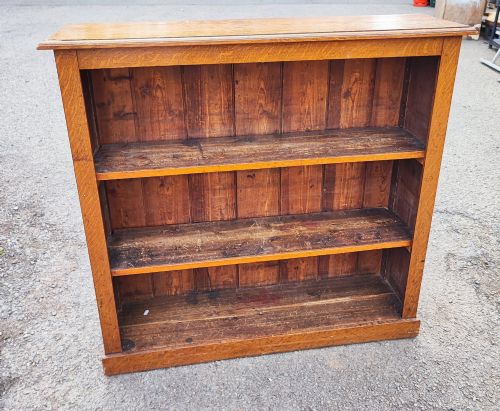
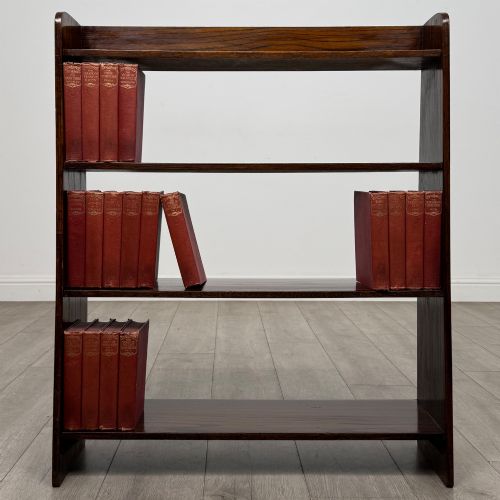
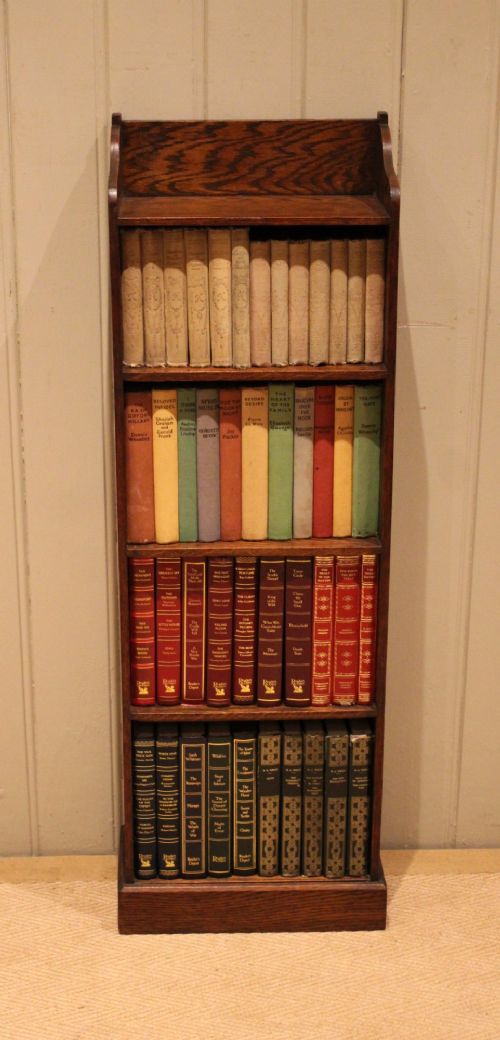
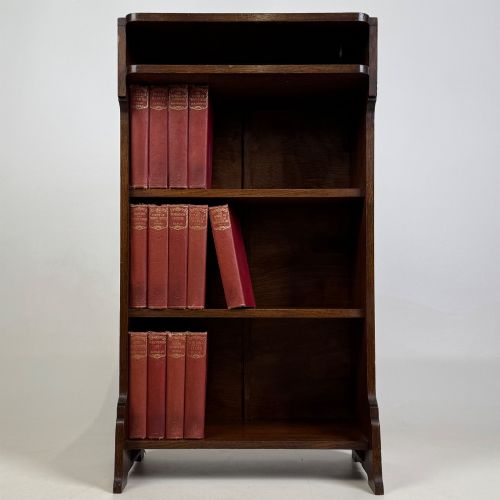
Vintage open oak shelves bring architectural warmth to a room, offering practical storage through straightforward timber construction.
Vintage Open Oak Shelves
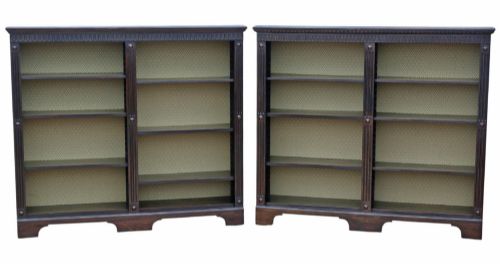
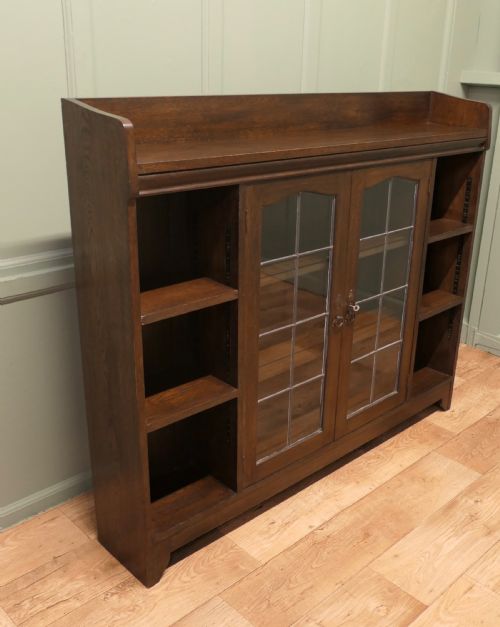
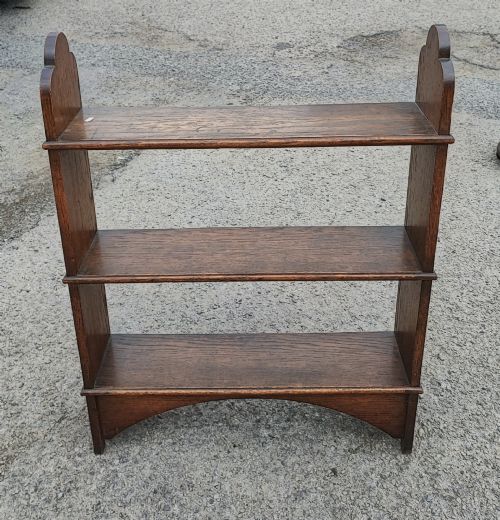
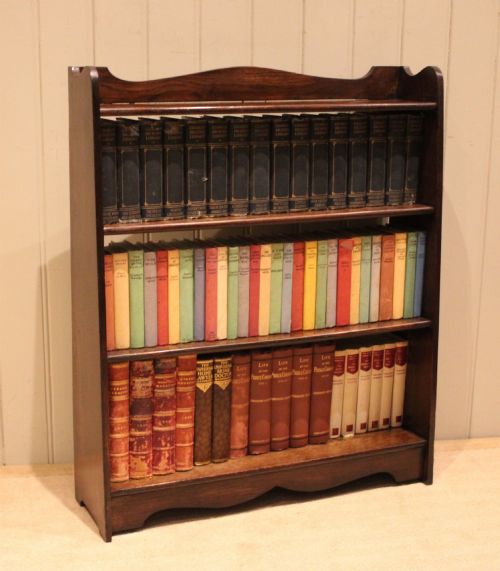
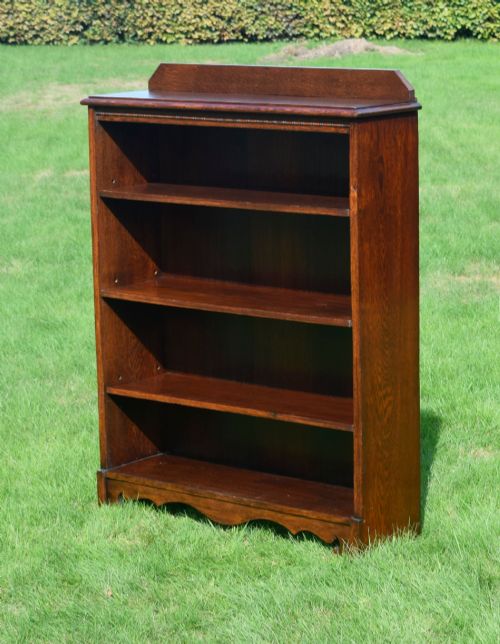
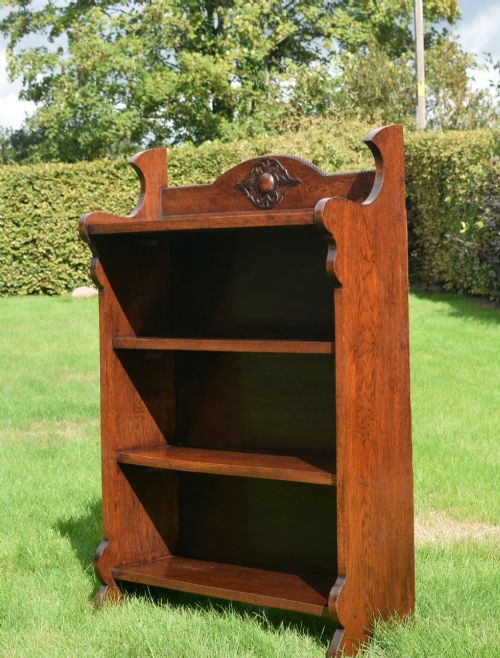
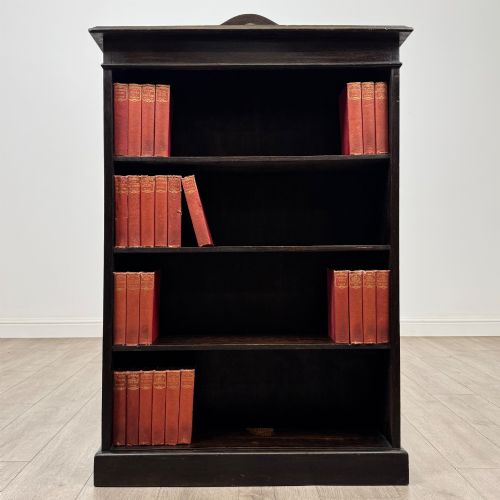
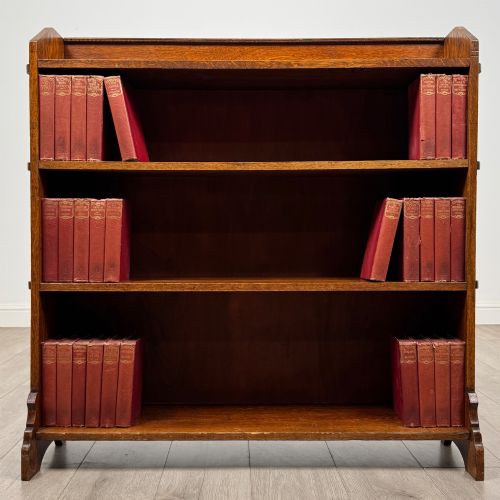
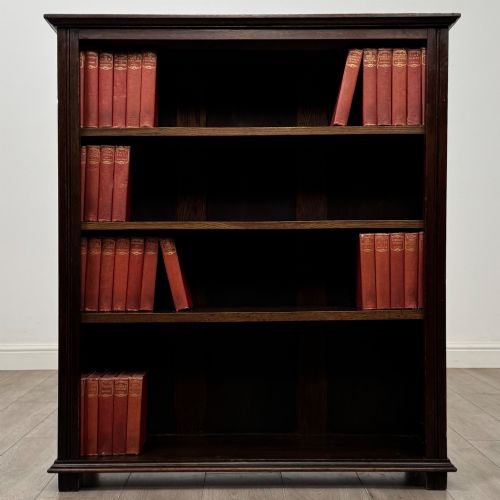
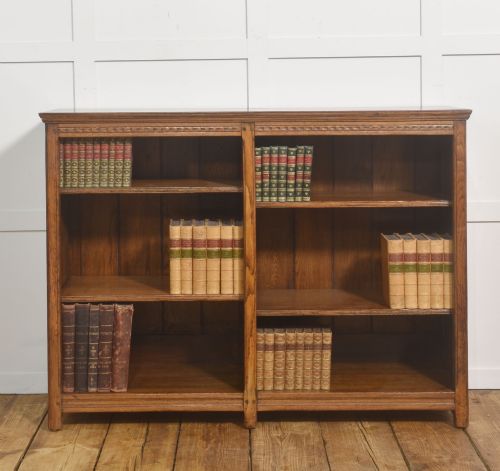
When searching for vintage open oak shelves, buyers encounter a selection dominated by bookcases, dressers, and shelving units created across the nineteenth and twentieth centuries. These pieces function primarily to store books or display household items without the enclosure of glass or solid doors.
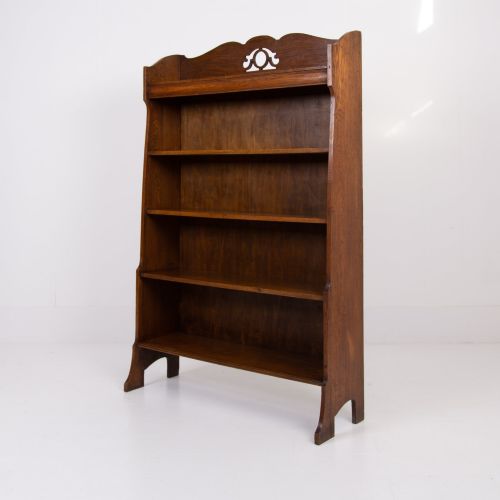
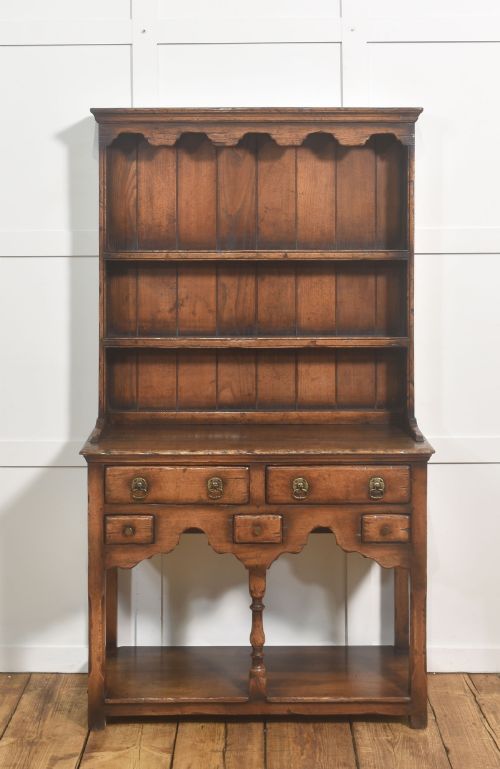
The pieces appearing most frequently originate from the Edwardian era and the nineteen-twenties, alongside examples from the Arts and Crafts movement and the Victorian period. Forms range from slim bookcases and angled units to larger Welsh dressers fitted with plate racks.
Construction relies heavily on English and golden oak, sometimes complemented by walnut, brass hardware, or fabric details. Simpler items lean towards utility, while others exhibit beaded edges, adjustable shelves, or waterfall silhouettes.
How they were made
Cabinet makers utilised solid oak and oak veneers, shaping timber to create both sturdy upright bookcases and functional Welsh dressers. Workshops incorporated brass fixtures and leather accents where decorative or utilitarian strength was required.
Construction techniques span traditional joinery seen in Arts and Crafts pieces to industrial styles and occasional plywood integration in later decades. Finish work ranges from dark oak stains to bleached surfaces and golden tones that highlight the natural grain of the wood.
Listings feature oak alongside walnut, brass, and fabric elements across styles ranging from Victorian to Art Deco and Mid-Century Modern.
What varies in quality
Quality differentiates itself through the selection of timber and the integrity of the cabinet work, distinguishing workshop-produced items from standard utilitarian output. Well-constructed examples display considered proportions, secure joints, and sympathetic integration of adjustable shelving mechanisms.
The refinement of decorative detailing, such as beaded edges or Arts and Crafts styling, elevates certain pieces above standard vernacular furniture. Material purity also plays a role, with solid timber framing demonstrating greater longevity than veneered alternatives.
Heals
The Vintage Open Oak Shelves Glossary
- Edwardian
- Pertaining to the reign of King Edward VII, spanning from nineteen hundred to nineteen ten, noted for lighter furniture designs following heavy Victorian styles.
- Arts and Crafts
- A design movement championing traditional craftsmanship, simple forms, and visible construction methods, frequently using plain oak.
- Welsh Dresser
- A traditional kitchen or dining room storage unit featuring base cupboards surmounted by open shelves for displaying plates.
- Waterfall Bookcase
- A shelving unit characterised by shelves that step back progressively from bottom to top, creating a terraced profile.
- Golden Oak
- A bright, warm timber tone popular during the late nineteenth and early twentieth centuries, achieved through specific finishing techniques.
Vintage Open Oak Shelves: Frequently Asked Questions
What periods do these shelves date from?
The pieces span from the late nineteenth century through the Edwardian period and the nineteen-twenties, extending into nineteen thirty items.
Most examples originate from the early decades of the twentieth century, reflecting prevailing domestic styles of the era.
Are the shelves adjustable?
Many bookcases feature adjustable shelving to accommodate books of varying heights, though fixed-shelf variants also appear frequently.
Buyers should examine individual descriptions to confirm whether the internal layout can be modified.
What types of oak are used?
Makers utilised English oak and golden oak, alongside dark oak finishes and occasional oak veneers applied over secondary timbers.
Surface treatments vary from polished golden tones to deep dark stains and bleached finishes.
Do these pieces include storage other than shelves?
Certain items combine open shelving with lower cupboards, plate racks, or leather tops, particularly in dresser and table formats.
These hybrid forms offer enclosed storage beneath the main display area.