

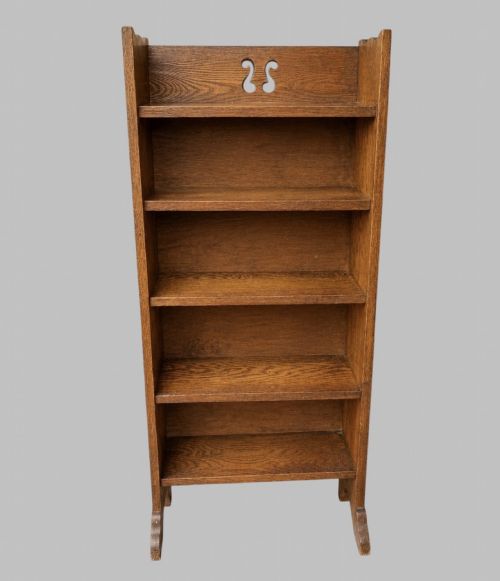


Warm Brown Oak Shelves
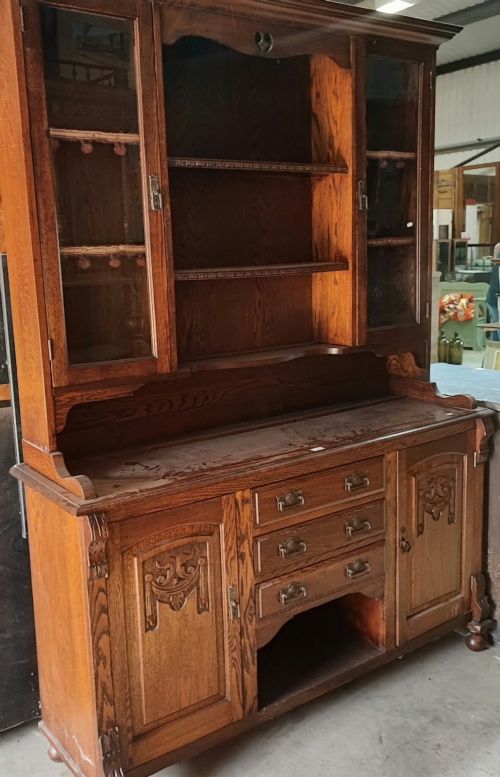
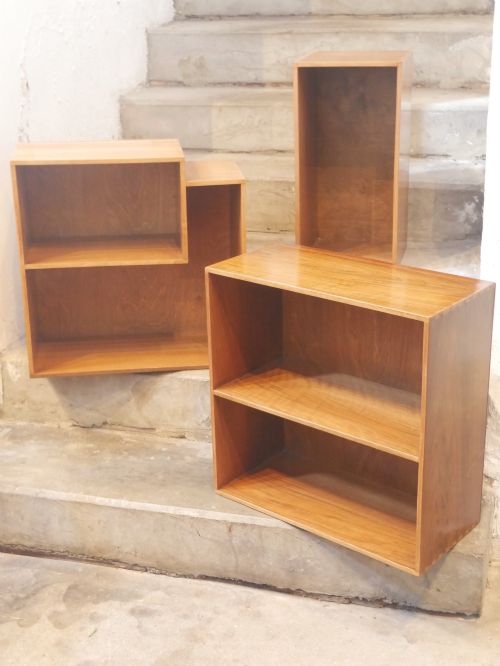
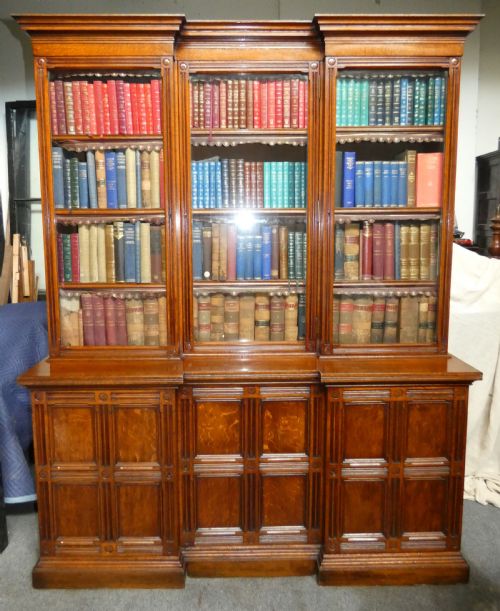
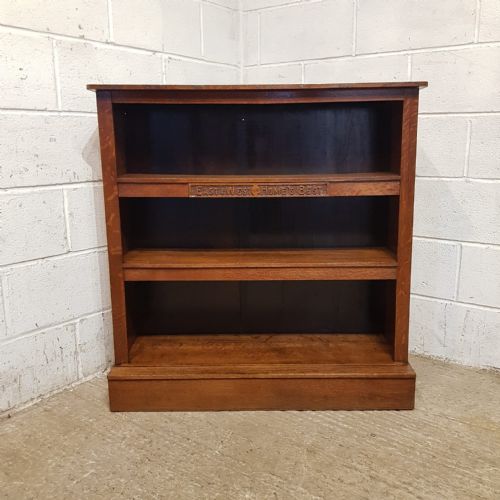
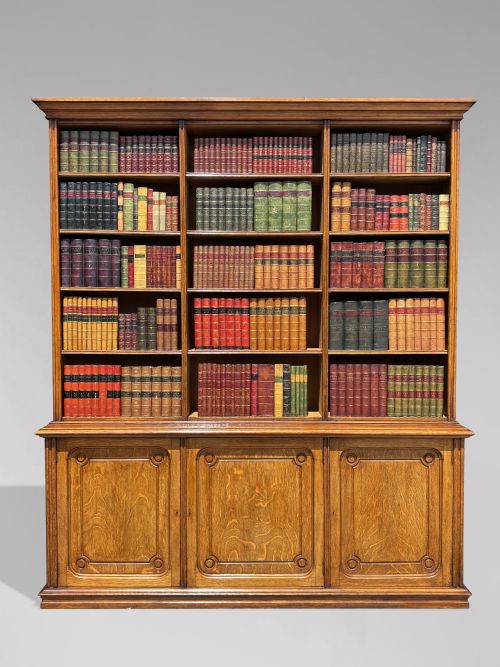
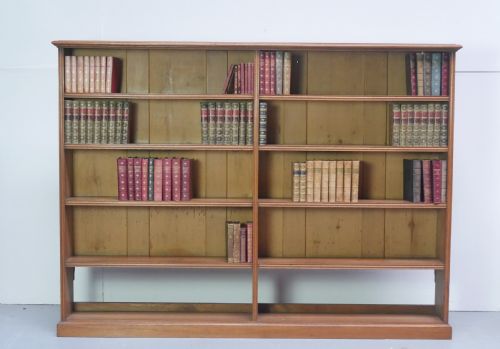
These warm brown oak shelves bring rich timber tone and sturdy utility into a room, spanning open bookcases and dresser racks from Victorian and Edwardian eras.
Warm Brown Oak Shelves
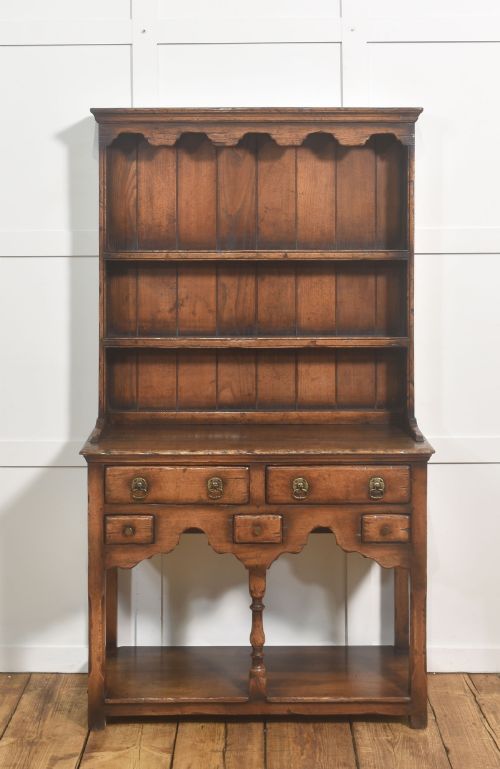
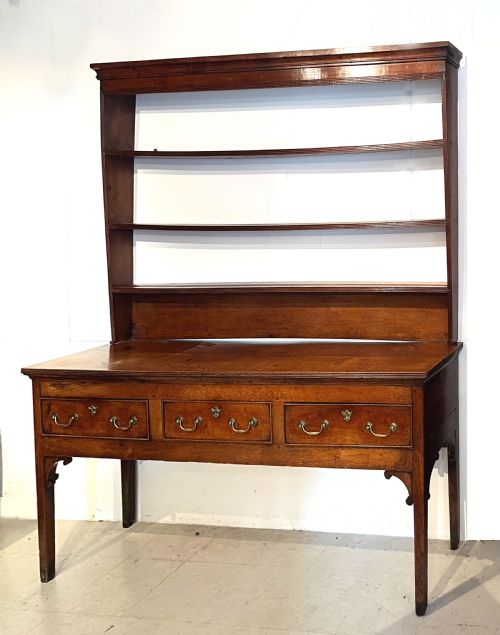
When you search for warm brown oak shelves, you encounter robust storage pieces designed for books and display. The selection on this page centres heavily on open bookcases, tall library units, and country dresser plate racks from the Victorian and Edwardian periods.
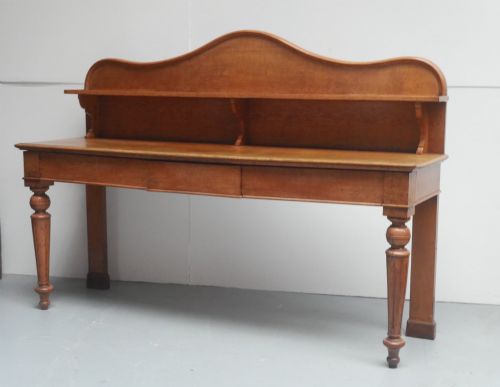
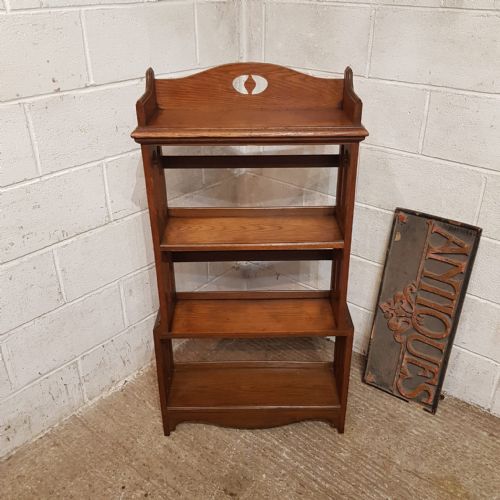
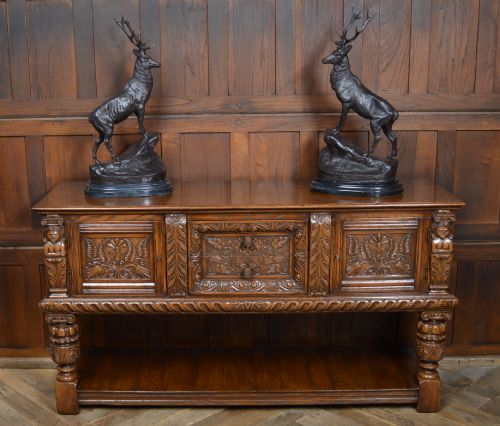
You will frequently meet open-front bookcases alongside glazed cabinets and dresser bases shaped in Arts and Crafts, Jacobean Revival, or French Provincial styles. These items range from compact wall-mounted brackets to large Scottish and Welsh serving tables equipped with shelving.
The materials span solid timber alongside elements of brass, glass, and plywood, capturing a tradition of practical domestic joinery. Most examples date from the nineteenth and early twentieth centuries, offering deep patinas developed over decades of use.
How they were made
Cabinet makers constructed these pieces primarily from solid oak, sometimes utilising pollard oak and fruitwood veneers to introduce varied grain patterns and rich colour. Joinery relied on traditional techniques such as mortise and tenon joints to ensure stability across heavy bookcases and dresser bases.
Surfaces often received hand-rubbed finishes that deepened the natural warmth of the timber while protecting the grain. Details like fret-cut panels, decorative cut-outs, and brass fittings were integrated by hand to complement the functional shelving structures.
Object forms range from tall open bookcases and library units to pot board dresser bases and occasional tables.
What varies in quality
Quality in these pieces rests upon the selection of timber and the integrity of the original joinery. Finer examples display carefully matched oak boards with vibrant grain figures, alongside crisp fret-cutting and well-fitted adjustable shelving mechanisms.
Construction methods also separate standard utility furniture from finer workshop pieces, particularly in the thickness of the timber used for shelf boards and the precision of the back panels. A thoughtful proportion and balanced proportions elevate certain bookcases and dressers well above basic utilitarian storage.
Pennington of Camberwell·DeLa Salle And Christie
The Warm Brown Oak Shelves Glossary
- Pollard oak
- A decorative timber derived from trees pruned to encourage a dense head of branches, producing a mottled, highly figured grain. It appears on select Victorian and Regency pieces.
- Waterfall bookcase
- A shelving unit featuring sideboards that step back progressively from bottom to top, creating a cascading profile. These are common in Edwardian variations.
- Pot board
- A lower open shelf built into a dresser base or sideboard, traditionally used for storing pots and heavy kitchenware. This feature grounds country furniture designs.
- Fusee bracket clock
- A spring-driven clock mechanism utilising a conical pulley to maintain even power delivery as the mainspring unwinds. They frequently share period interiors with oak shelving.
Warm Brown Oak Shelves: Frequently Asked Questions
How do I clean warm brown oak shelves?
Dust the timber regularly with a soft, dry cloth to prevent dirt accumulation in the grain. Avoid silicone-based polishes that build up a film over time.
Apply a traditional beeswax occasionally to nourish the oak and maintain its natural lustre without sealing the historic finish.
Are these shelves suitable for heavy books?
Most period oak bookcases and shelving units feature solid timber construction designed to support substantial libraries. Adjustable shelf mechanisms allow you to configure vertical spacing for larger volumes.
Check that the uprights and shelf supports remain firm before loading heavier volumes onto upper tiers.
How can I date an oak bookcase?
Examine the construction methods, such as the type of screws, saw marks, and joint styles used in the frame and backboards. Machine-sawn timber and plywood indicate later twentieth-century production, while hand-cut joinery points to Victorian or earlier periods.
Stylistic cues like Arts and Crafts fret-cutting or Edwardian proportions also help narrow down the decade of manufacture.
Where should I place an oak dresser rack?
Dresser racks look best mounted above matching base units or positioned securely against dining room walls for displaying ceramics and glassware. Ensure the wall fixings can bear the combined weight of the solid wood rack and your displayed items.
Keep wooden furniture away from direct heat sources and strong sunlight to prevent the oak from drying out or warping.