


Vintage Opaline Lamp Base
A vintage opaline lamp base brings a soft, diffused glow and milky translucence to a room, offering genuine period character.
Vintage Opaline Lamp Base
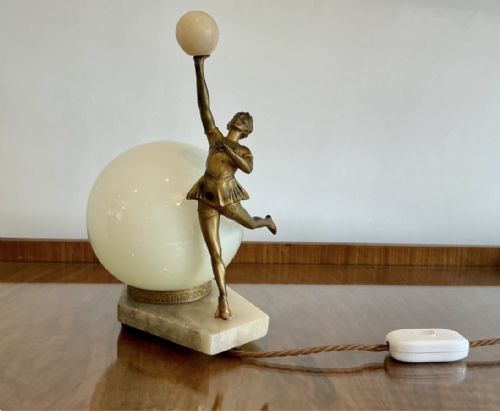
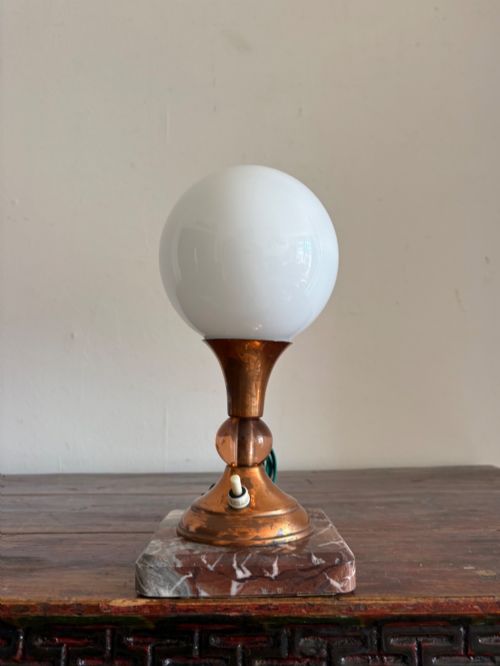
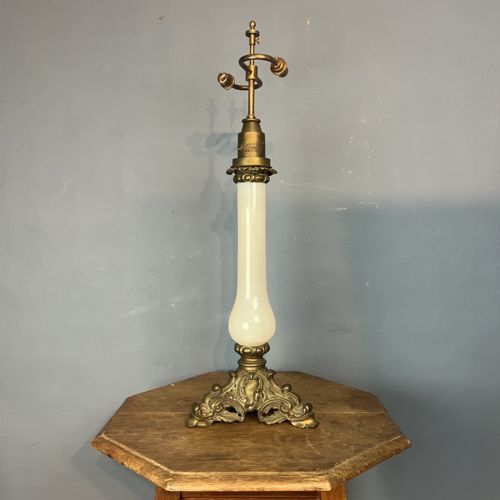
A vintage opaline lamp base combines milky glass with robust metals and stone to create decorative illumination. These items emerge from the nineteenth century up through the art deco period, presenting diverse sculptural forms.
Materials and construction
Makers shaped opaline glass to achieve its signature semi-translucent, milk-like appearance, frequently integrating metal elements such as brass, copper, and bronze. These glass bodies often sit atop heavy bases made of marble, granite, or cast spelter for stability.
Artisans combined cast and gilt metalwork with blown or pressed glass components, securing them with threaded rods or internal fittings. Patent stamps and structural joins reveal the mechanical assembly methods typical of nineteenth and early twentieth century workshops.
Listings feature opaline glass combined with brass, marble, bronze, and copper across Victorian and Art Deco periods.
Assessing quality and craftsmanship
Superior examples demonstrate refined casting in the metal mounts and precise colour saturation within the opaline glass itself. Higher quality pieces often feature proprietary patents, heavy marble or bronze foundations, and intricate decorative detailing.
Plainer executions rely on simpler glass bodies and lighter brass or chrome components. The distinction lies in the weight of the materials, the crispness of the metallic mounts, and the overall harmony of the glass and stone proportions.
Joseph Hinks·Mc Garys Patent
The Vintage Opaline Lamp Base Glossary
- Opaline glass
- A semi-opaque glass with a milky, porcelain-like appearance that diffuses light evenly. It was widely used in decorative objects during the nineteenth and early twentieth centuries.
- Spelter
- An alloy of zinc and other metals used as a cheaper substitute for bronze in decorative castings. It is often painted or bronzed to simulate heavier metals.
- Gilt bronze
- Bronze that has been treated with a thin layer of gold or gold-colored alloy to give a rich metallic finish. It appears frequently on nineteenth-century mounts and bases.
- Art Deco
- A design style prevalent in the nineteen-twenties and thirties characterised by streamlined geometric forms and modern materials. It succeeded the more ornate Victorian and revival styles.
Vintage Opaline Lamp Base: Frequently Asked Questions
What periods do these lamp bases come from?
The pieces span from the mid-nineteenth century through the art deco era of the nineteen-thirties. Victorian examples often feature column designs and gilt brass.
Later pieces lean towards art deco styling with marble, granite, and chrome elements. Each period brings distinct manufacturing techniques and aesthetic choices.
How do I identify opaline glass?
Opaline glass is recognised by its milky, translucent quality that softens light passing through it. It differs from plain white glass by having a dense, porcelain-like depth.
Colour variations exist, though white and soft blue are typical. The glass body is usually heavy and smooth to the touch.
What metals were used in these bases?
Maker workshops utilised brass, copper, bronze, and gilt bronze for structural mounts and decorative collars. Spelter also appears as a cost-effective alternative for figurative castings.
These metals provide a sturdy contrast to the fragile glass bodies. Over time, they develop natural patinas that indicate their age.
How should I clean my lamp base?
Dust the opaline glass gently with a soft, dry cloth to avoid scratching the surface. Avoid harsh chemical cleaners that might damage gilt finishes or metal patinas.
For metal parts, a light wipe is usually sufficient to maintain the surface. Keep moisture away from any remaining electrical components.
Were these originally electric lamps?
Many nineteenth-century examples began as oil or paraffin lamps before being converted to electricity later in their lifespan. Patents stamped into the metal often reference burner mechanisms.
Twentieth-century pieces were frequently manufactured specifically for electric illumination. This evolution means internal wiring varies widely across different eras.