



Vintage Okimono
These vintage okimono are independent sculptural objects crafted in bronze, wood, porcelain, and stone to display the natural world with striking precision.
Vintage Okimono
Vintage okimono are freestanding Japanese decorative objects placed on display rather than worn or utilised. When you search for vintage okimono, you encounter a diverse range of sculptural forms including animals, figures, and garden statuary.
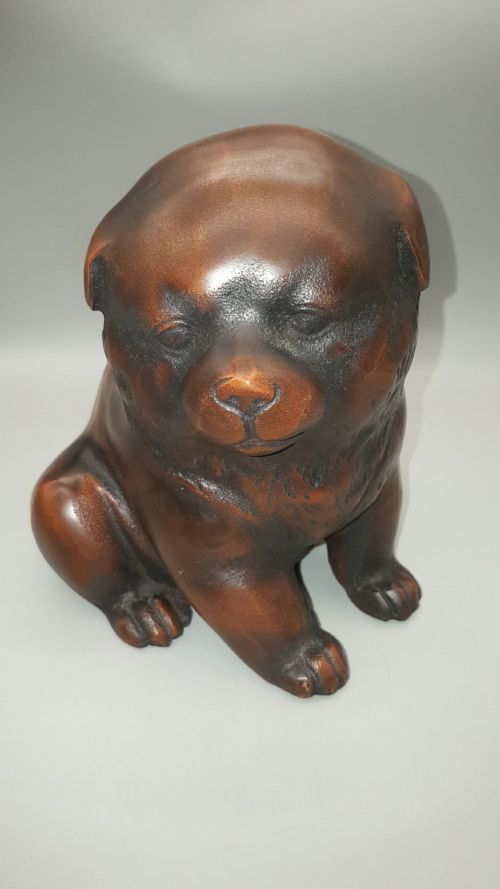
The selections span the nineteenth century, the Edwardian era, and the early twentieth century, encompassing both the Meiji and Showa periods. You find subjects ranging from ferocious tigers and tarantula spiders to domestic Akita puppies and geese.
Makers shaped these pieces from bronze, patinated bronze, boxwood, other woods, porcelain with ceramic glaze, and stone. Some items function as paperweights or netsuke, while others serve as large garden ornaments.
How they were made
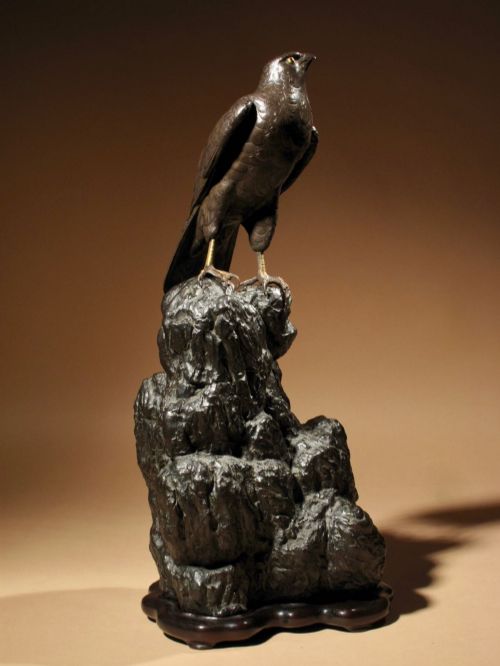
Metal pieces rely on bronze and patinated bronze, cast into detailed models of hawks, spiders, geese, and puppies. Artisans applied patination to create subtle tonal shifts on feathers, fur, and carapaces.
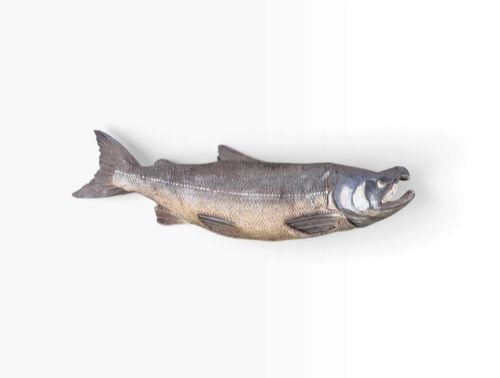
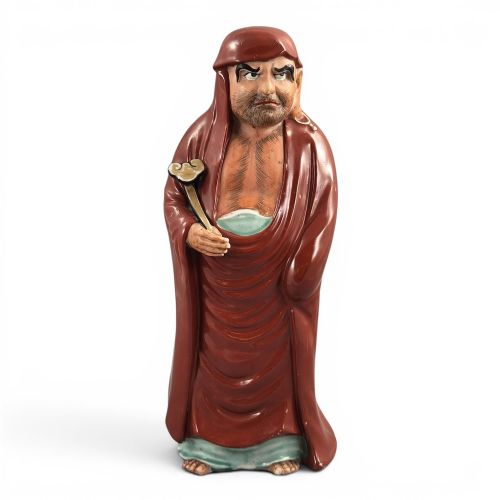
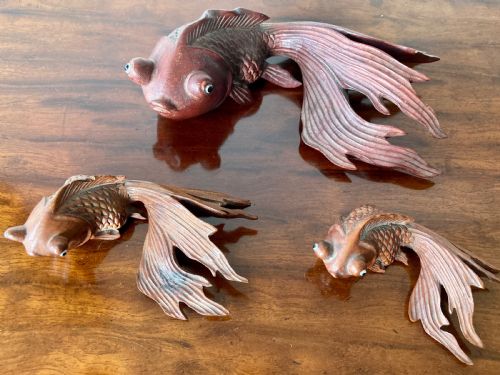
Wooden sculptures and paperweights utilise boxwood and general timber, shaped through fine carving to render the realistic textures of rabbits, toads, tigers, and fish. Porcelain works employ ceramic glaze, seen notably in large figures like Bodhidharma from the Edwardian period.
Vintage Okimono Retail Price Guide 2026
Typical asking prices for vintage okimono among the pieces listed under this phrase on Sellingantiques today, from the lower quarter to the upper quarter. They describe what is for sale here now, not the wider market.
A tarantula spider shares shelf space with a ferocious tiger and a fluffy Akita puppy.
What varies in quality
Quality rests upon the fidelity of the carving or casting and the accuracy of anatomical observation. Pieces that capture the precise tension of a spider's legs or the soft fold of a puppy's ear demonstrate superior artistry.
Material selection and surface finish dictate the tier of an object. Patinated bronze with subtle depth and boxwood with crisp, deep undercutting separate finer sculptures from simpler decorative ornaments.
Tsunemitsu
The Vintage Okimono Glossary
- Okimono
- A Japanese freestanding ornamental sculpture designed for display on a shelf or in a tokonoma alcove.
- Boxwood
- A dense, pale hardwood favoured by carvers for its fine grain and ability to hold intricate detail.
- Patinated bronze
- Metal treated with chemical solutions to produce a specific surface colour and aged appearance.
- Netsuke
- A small carved toggle historically used to secure a pouch or container to a kimono sash.
- Meiji period
- The era of Japanese history spanning from eighteen sixty-eight to nineteen twelve, known for exceptional metalwork and carving.
Vintage Okimono: Frequently Asked Questions
What is an okimono?
An okimono is a Japanese decorative sculpture designed to be placed on a surface for display.
Unlike utilitarian items, these pieces exist purely for aesthetic appreciation.
How were bronze okimono made?
Bronze okimono were produced through metal casting techniques and finished with patination.
Artisans then refined the surface details by hand to highlight textures like feathers or fur.
Where should I display wooden okimono?
Wooden okimono belong on flat surfaces away from direct sunlight and extreme humidity.
Keep them on desks, shelves, or tables where the carving can be examined closely.
What subjects do vintage okimono depict?
Vintage okimono frequently depict animals such as tigers, hawks, spiders, toads, and puppies.
Human figures and mythical subjects also appear across porcelain and wood mediums.