





Vintage Oil Bottle
These vintage oil bottle selections bring together practical dining vessels and still life paintings spanning multiple centuries.
Vintage Oil Bottle
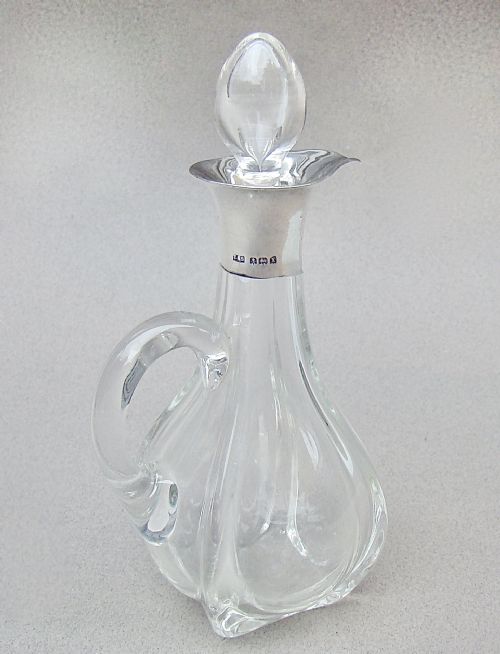
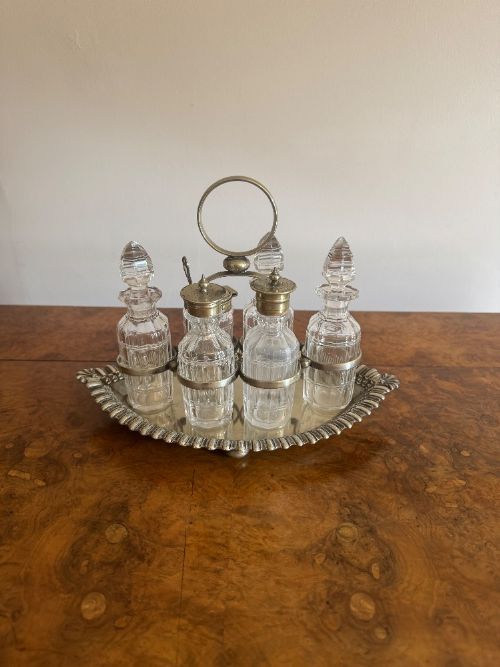
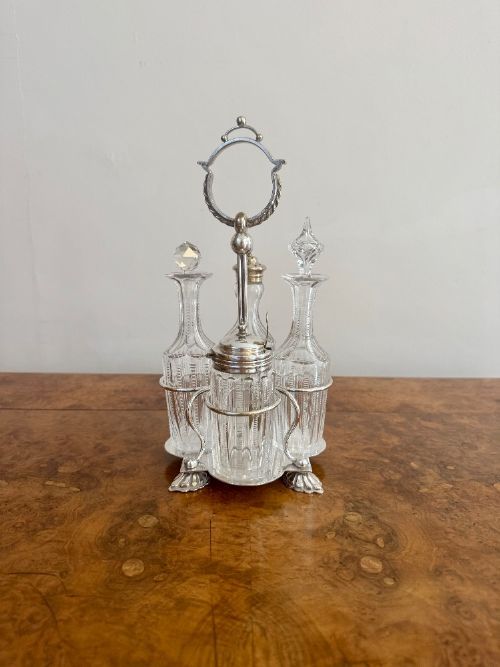
When you search for a vintage oil bottle, you encounter a mix of functional dining vessels and canvas paintings depicting bottles. The dining vessels appear chiefly as individual cruet bottles, mounted pairs, or fitted cruet sets designed for table service.
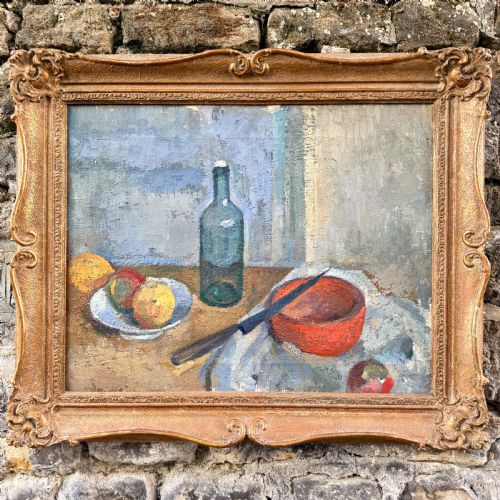
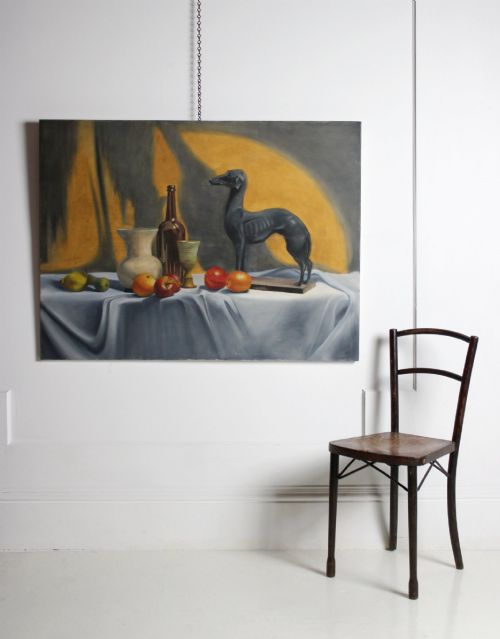
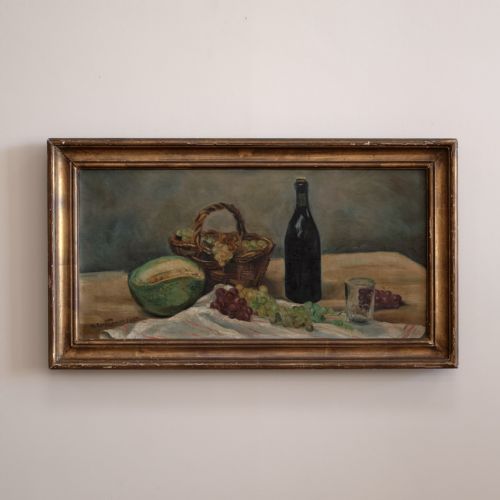
The selections span from the eighteenth century through to the mid twentieth century, encompassing Georgian, Victorian, Edwardian, and Art Deco periods. Alongside glassware and silver mounts, the evidence includes oil paintings on canvas portraying bottles within still life compositions.
How they were made
Glass vessels utilise techniques such as cut glass, cranberry glass, and heavy lead crystal, often paired with silver plate or sterling silver mounts. Stoneware pieces feature salt glazing and loop handles, while the paintings employ oil on canvas.
Metalwork frames and cruet stands incorporate cast and plated silver components, alongside ebonised wood stands and tin glazed earthenware jugs.
Vintage Oil Bottle Retail Price Guide 2026
Typical asking prices for vintage oil bottle among the pieces listed under this phrase on Sellingantiques today, from the lower quarter to the upper quarter. They describe what is for sale here now, not the wider market.
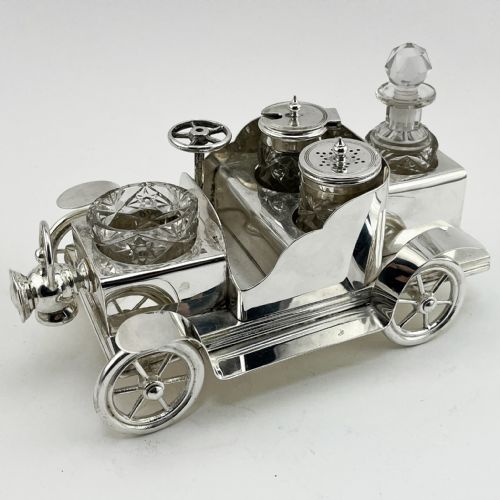
One unexpected motor touring accessory appears as a silver plated vintage car cruet set.
What varies in quality
The distinction between tiers rests upon the harmony of the materials and the execution of the work. Complete cruet sets with matching silver mounts and intact cut glass bottles stand apart from individual utility vessels.
In the painted works, quality shows in the handling of the medium and the composition of the still life subjects.
Walker And Hall·Wade Wingfield Wilkins·John Gilbey Bowles
The Vintage Oil Bottle Glossary
- Cruet set
- A fitted stand holding multiple bottles for condiments such as oil, vinegar, salt, and pepper. These frames often incorporate silver plate or sterling silver handles and feet.
- Cranberry glass
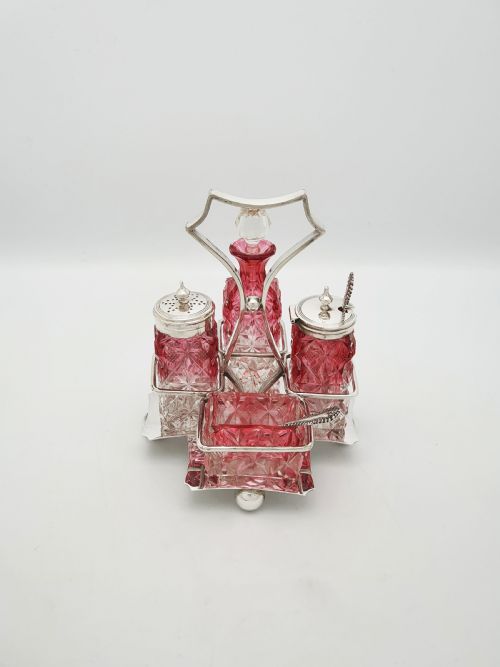
- A rich red glass produced by adding gold chloride to the molten batch. It is frequently seen in Edwardian table wares.
- Salt glazed
- A pottery technique where common salt is thrown into the kiln during firing to produce a textured, glossy finish. This method appears on early stoneware storage vessels.
- Silver plate
- A layer of silver fused to a base metal core, commonly used for Victorian and Edwardian cruet frames. This technique offered the appearance of solid silver at a lower cost.
- Still life
- A painting featuring inanimate subject matter, such as bottles, fruit, and glassware. The evidence shows examples executed in oil on canvas.
Vintage Oil Bottle: Frequently Asked Questions
What is a cruet set?
A cruet set is a table stand holding small bottles and jars for oils, vinegars, and seasonings during meals. These assemblies keep dressings organised and accessible at the dining table.
Frames range from simple wood stands to elaborate silver plated and sterling silver designs holding six or seven individual glass containers.
How do I date a glass bottle?
Dating relies on material characteristics, manufacturing marks, and accompanying metal mounts. Georgian and Victorian examples often feature hand-cut glass and distinct silver hallmarks.
Later Edwardian and Art Deco pieces show shifts toward heavy lead crystal and streamlined modernist framing.
Are oil paintings related to bottles?
The category includes oil on canvas works depicting still life scenes with bottles alongside fruit, glasses, and feathers. These artworks date from the nineteenth and mid twentieth centuries.
Such paintings capture the play of light on glass surfaces and form a parallel category to the physical vessels.
How were stoneware bottles used?
Stoneware bottles served utilitarian storage functions for liquids including wine and oil before the widespread adoption of glass packaging. Salt glazed examples feature sturdy loop handles for carrying.
These durable containers originate from eighteenth century workshops and demonstrate functional ceramic traditions.